Where Letter P Worksheets Fit in Your Literacy Block
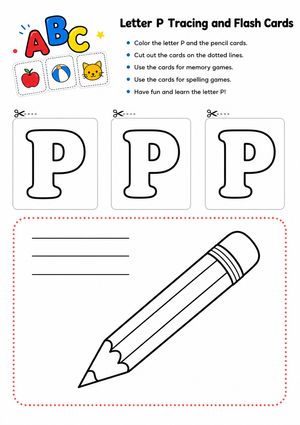
By the time most classes reach the letter P, students have already met several consonants, so this is a good point to check who's transferring letter-formation skills and who still needs support. Letter P worksheets give you a low-prep way to build that practice into morning work, literacy centers, or a five-minute small-group warm-up. The letter P is a straight-line-plus-curve shape, which makes it approachable for Pre-K writers still developing pencil control but demanding enough to reveal habits like starting from the bottom or reversing the bump.
The goal isn't just a neat page. Handwriting practice pays off most when it connects letter shape, letter name, and letter sound in the same short session, so plan your P worksheets as one part of a fuller alphabet routine rather than an isolated tracing drill.
Correct Stroke Order and Directionality for the Letter P
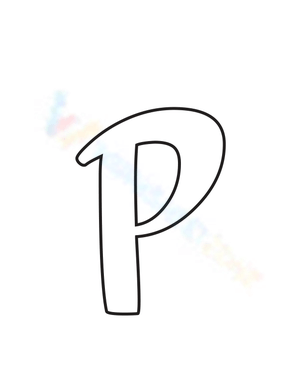
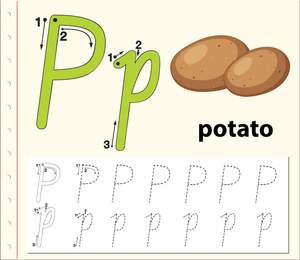
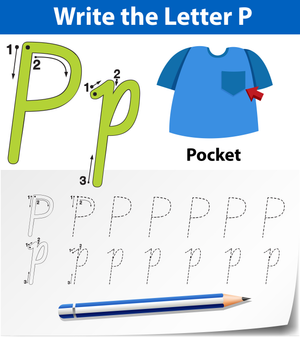
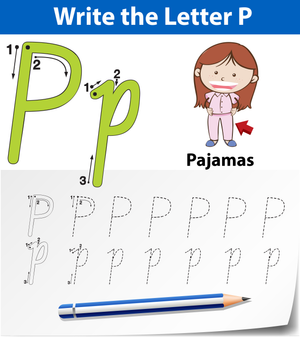
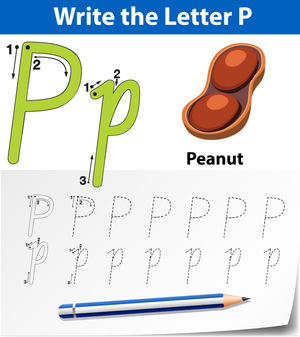
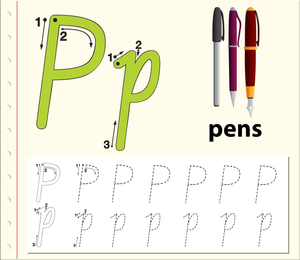
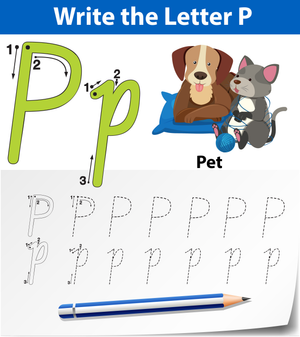
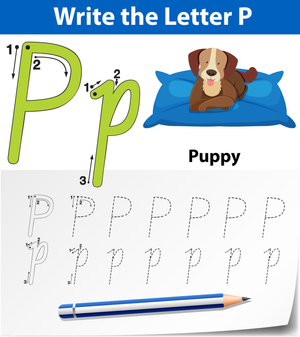
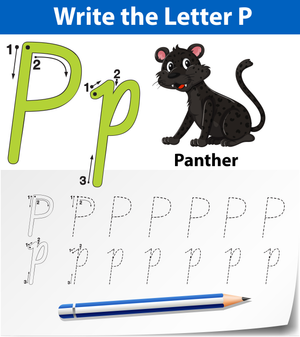
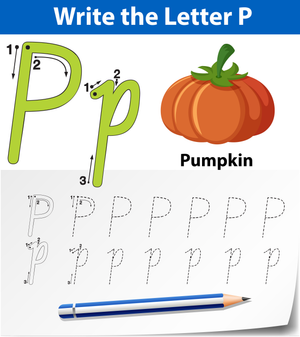
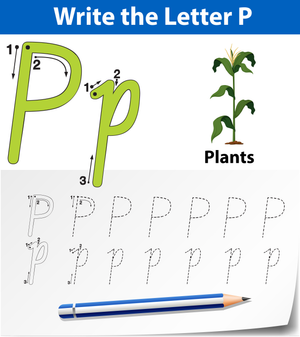
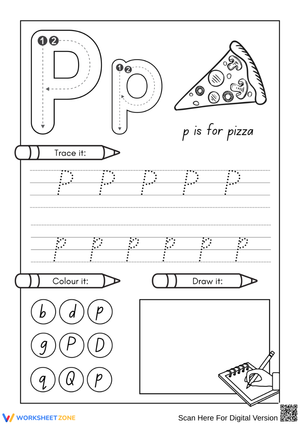
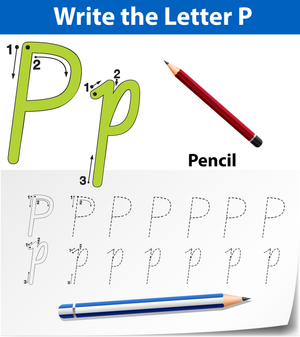
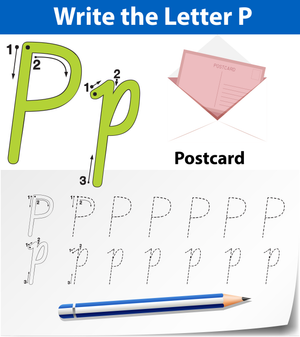
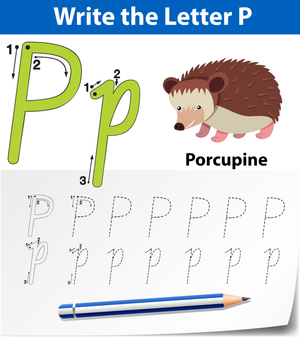
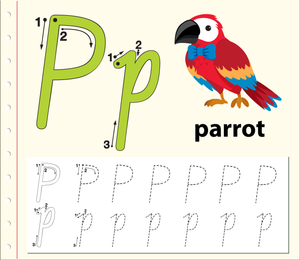
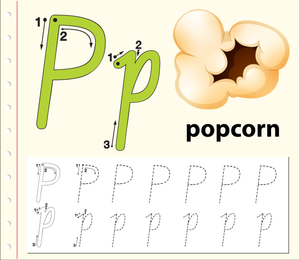
Uppercase P starts at the top with a straight line pulled straight down, then the pencil returns to the top to add a curve that closes at the midline. Lowercase p starts with a line that drops below the baseline into the descender space, then adds a curve from the top of that line back to the middle. Teaching this order out loud gives students a consistent motor plan they can repeat without prompting.
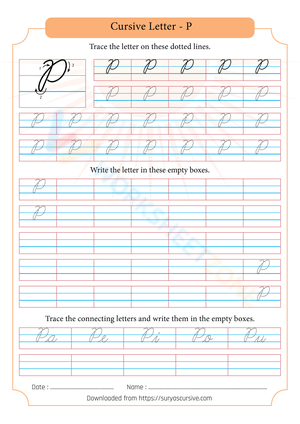
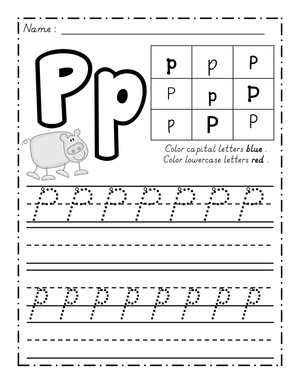
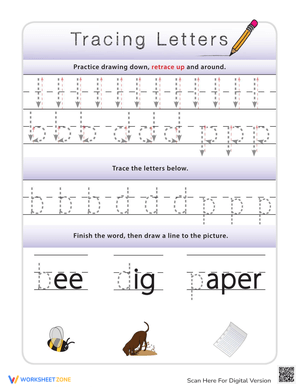
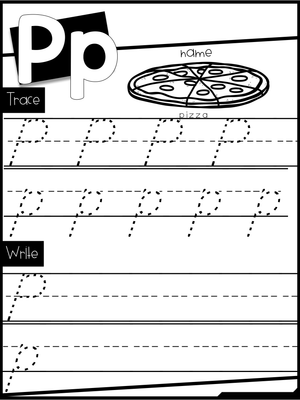
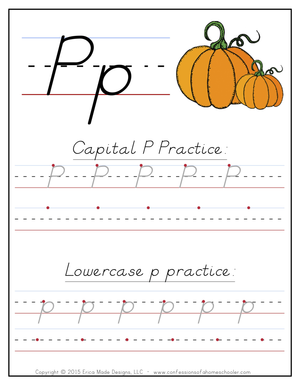
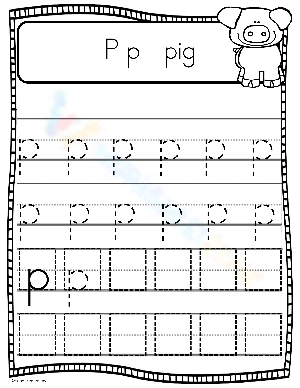
Directionality matters more than perfect neatness at this stage. When a student forms the P bump from the bottom up or floats the lowercase descender above the line, that habit is harder to correct later. Good letter P worksheets use start dots, directional arrows, and a fading sequence from traced to independent so students internalize the path instead of copying a static shape. Say the verbal cue, model it, then watch the first two or three repetitions before releasing students to work.
Connecting the P Sound to the P Shape
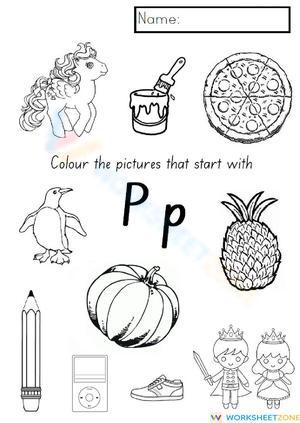
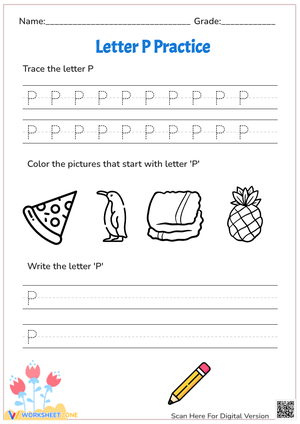
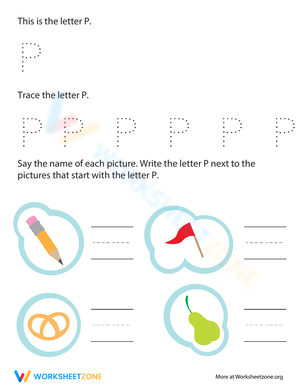
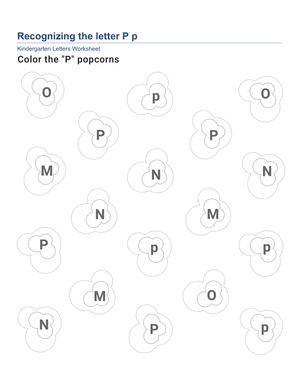
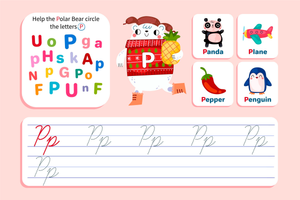
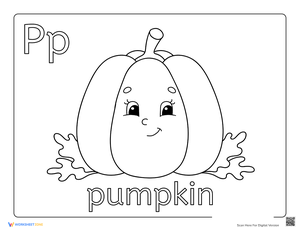
Letter-sound knowledge is where alphabet instruction produces some of its strongest returns, and it's easy to weave into a handwriting page. As students trace, have them say the sound and name a P word from a picture bank: pig, pan, pencil, pumpkin. Beginning-sound sorts and picture matching next to the tracing lines turn a formation drill into a phonics link that supports decoding later.
A meta-analysis of 63 alphabet-instruction studies, published in PMC, found that letter writing practice produced a moderate effect size of 0.59 and letter-sound knowledge an effect size of 0.65, while letter-name fluency practiced alone showed no significant effect at all (-0.02). The practical takeaway: a P worksheet that only drills the letter name is close to wasted time, but one that pairs formation with the /p/ sound targets the two skills that actually move early reading.
Classroom Implementation
Structure a P session in three quick moves. Introduce the letter with the verbal stroke cue and a sound anchor word. Model formation while students air-write. Then release them to the worksheet while you circulate and give specific feedback on start point and direction.
According to a 2022 meta-analysis of 31 studies covering 2,030 K-6 students, published in PMC, handwriting instruction produced a combined effect size of 0.66 compared with no instruction, a moderate and measurable improvement in legibility and fluency. Short, guided daily practice for a single letter like P reflects exactly the kind of direct instruction that drove those gains.
- Pair each tracing row with a spoken /p/ sound and a P picture.
- Watch the first repetitions so errors don't get practiced.
- Add a speed round once formation is accurate to build fluency.
- Keep finished pages as dated samples for progress monitoring.
Differentiating Letter P for Pre-K and Kindergarten
Pre-K and Kindergarten writers need different versions of the same letter. Pre-K students are often still building pre-writing strokes, so start them on large P shapes with heavy start dots, wide tracing lanes, and plenty of gross-motor practice like air writing or forming the letter in a sand tray before pencil work. The worksheet is the last step, not the first.
Kindergarten students who already control a pencil can move to independent formation, smaller lines, and mixed uppercase and lowercase rows. Introduce uppercase P first because the straight line and single curve are simpler, then add lowercase once the shape is steady. For students who reverse the bump or float the descender, drop back to a traced model for a few sessions rather than pushing independent work too soon.
Frequently Asked Questions
1. What is the best way to introduce the letter P to Pre-K or Kindergarten students?
Start with the sound and a shape, not the pencil. Say the /p/ sound, name a familiar P word, and model the stroke order out loud while students air-write. Then move to large multisensory practice and finish with a tracing worksheet, so the written page reinforces a motor plan students have already rehearsed.
2. How many practice sessions does it usually take to master forming the letter P?
It varies, but most students need several short, spaced sessions rather than one long block. Brief daily practice with feedback builds motor memory more reliably than a single worksheet. Plan for repeated exposure across a week or two and adjust based on what completed pages show you.
3. Should letter P worksheets focus on uppercase, lowercase, or both?
Introduce uppercase P first because its straight line and single curve are the easiest to control. Once students form it reliably, add lowercase p and then mix both on the same page. Combining them too early often leads to reversals and inconsistent line placement.
4. How can I use letter P worksheets with struggling writers in small groups?
Pull four to six students into a teacher-led center where you can watch the first repetitions and correct start point and direction immediately. Use heavier start dots and traced models, and keep sessions short. Research links this kind of small-group feedback to stronger letter-name gains than solo or take-home practice.
5. What activities pair well with letter P worksheets for letter-sound recognition?
Add beginning-sound sorts, P-word picture matching, and a spoken /p/ sound with every tracing row. These pair formation with phonics, the combination alphabet research ties to the largest early-reading gains. Sand trays, playdough, and air writing also build the fine-motor readiness Pre-K writers need.