Where letter X belongs in your alphabet sequence
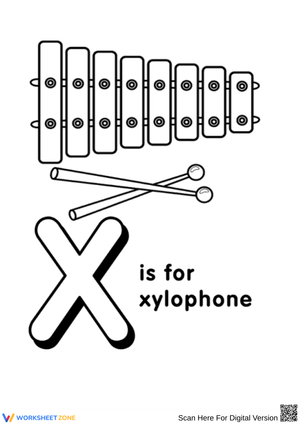
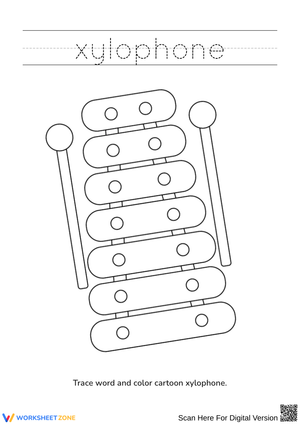
Letter X is one of the trickiest letters to fit into a letter-of-the-week rotation, and it's usually a mistake to lead with initial-sound practice. Very few common words actually start with X, so anchoring a lesson on xylophone gives young students almost nothing they'll hear again in everyday reading. Most instructional guidance recommends teaching X's ending-sound role first, using familiar words like fox, box, and six, and treating the initial sound as a later, low-frequency add-on.
That single decision changes how you use letter X worksheets. Instead of front-loading a page of X-initial pictures, you sequence recognition and formation first, then attach the sound work to word families your students already know. For pre-K and kindergarten teachers running a tight weekly rotation, this keeps the X week from feeling like an odd exception and connects it back to real decoding.
Why letter X worksheets need a different order
Most alphabet worksheets follow a predictable arc: name the letter, trace it, find its initial sound, write a word. For X, that fourth step breaks down because the initial-sound examples are rare and abstract. A better order for letter X worksheets is recognize, trace, discriminate uppercase from lowercase, then hear the ending sound in short vowel words.
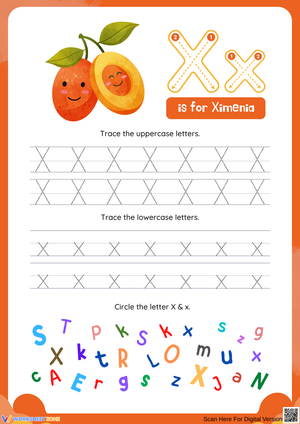
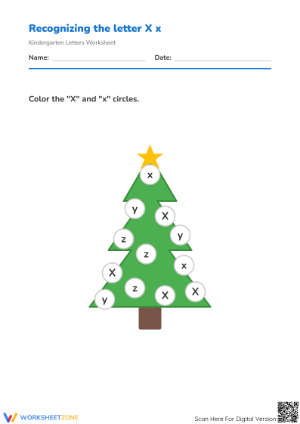
This matters because uppercase and lowercase X look almost identical except for size, which makes X a clean checkpoint for case discrimination. If a student can reliably mark the big X versus the little x, you're getting real information about their letter knowledge, not just their ability to copy a shape. Worksheets that isolate that comparison are more useful here than generic tracing pages.
What a strong letter X worksheet should cover
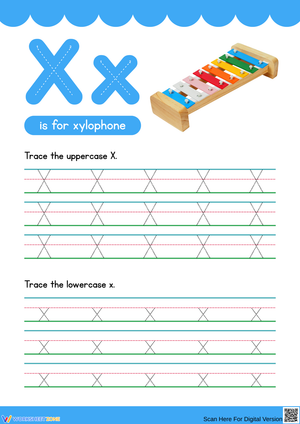
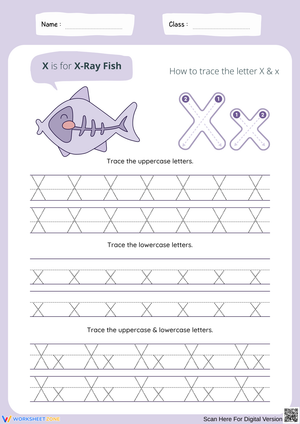
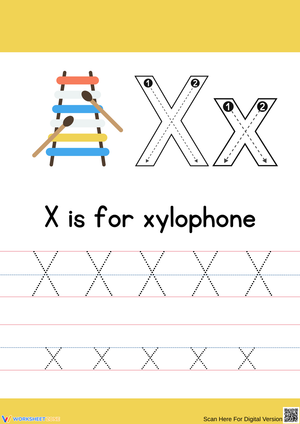
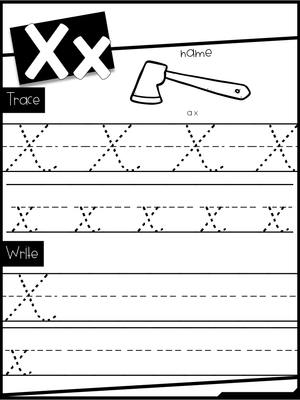
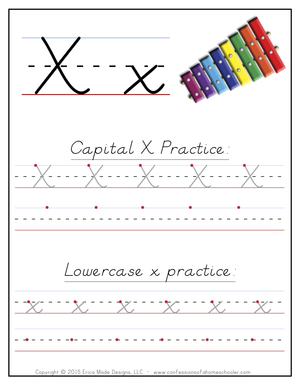
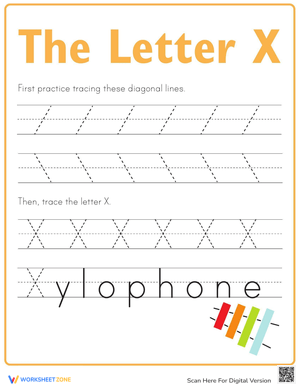
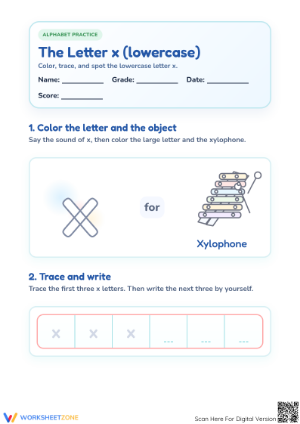
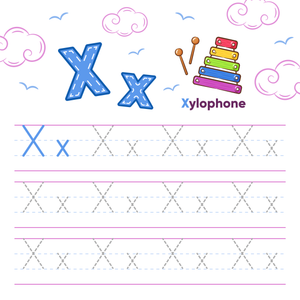
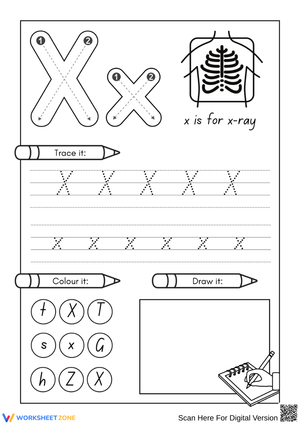
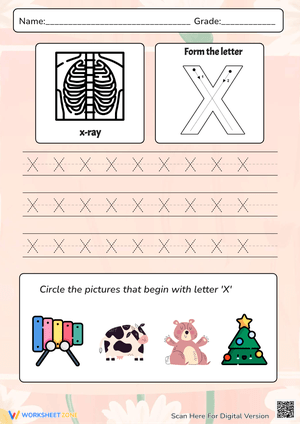
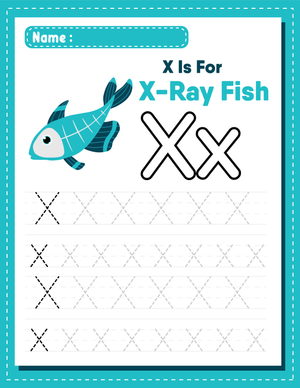
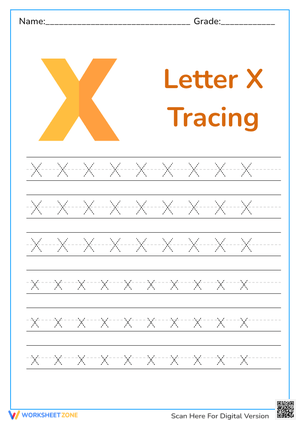
A worksheet set for this letter should give you more than one crossing-lines shape to trace. Look for pages that include:
- Directional arrows and guided lines for both strokes of the X, supporting the fine motor control needed for consistent formation.
- Side-by-side uppercase and lowercase practice so students build case discrimination, not just a single shape.
- Ending-sound picture sorts using fox, box, and six rather than forced X-initial images.
- A blank or dotted line for independent writing once tracing is solid.
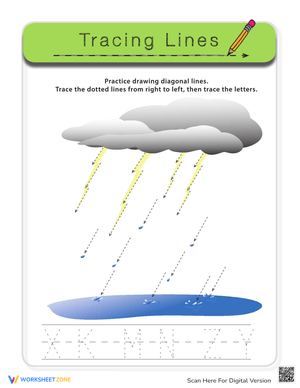
The tracing component isn't busywork. The two diagonal strokes of X demand crossing the midline and controlling two opposing directions, which is genuinely harder motor work than a straight-line letter like L. Pairing the page with a hands-on step makes that practice stick.
Classroom Implementation
In a letter-of-the-week rotation, run letter X worksheets across a short arc rather than a single sitting. Day one, introduce the shape and model both strokes on a dry-erase surface. Day two, hand out the tracing page and add a fine motor station: playdough X mats, wax-stick bending, or laminated dry-erase tracing that students can wipe and repeat. Day three, move to the uppercase-lowercase discrimination page. Day four, connect X to ending sounds with a fox, box, six sort. Day five, use an independent writing line as a quick check.
For small-group intervention, laminate the tracing worksheet so students get many repetitions without burning through paper, and sit beside them to watch stroke order. The goal in a small group isn't a finished page; it's watching whether the student starts each stroke in the right place and crosses the lines cleanly.
Here's the checkpoint most teachers miss: because uppercase and lowercase X differ almost only in size, a student who confidently sorts big X from little x is demonstrating case awareness that transfers to harder letter pairs later. Use the X week as a low-stakes rehearsal for the case discrimination you'll need when you hit letters where the difference actually carries meaning, like the b and d confusions that come next. Watching how a student handles X now tells you who will need targeted case support in a few weeks.
Frequently asked questions
1. When should teachers introduce letter X in an alphabet sequence?
Introduce X later in the rotation and skip leading with initial sounds. Because so few common words start with X, teach recognition and formation first, then attach the sound through ending-sound words like fox, box, and six that students already decode.
2. How many letters should kindergartners know, and where does X fit?
Under the Common Core State Standards, kindergartners should name all 26 uppercase and lowercase letters by year end. X is one of those 26, and its near-identical cases make it a clean checkpoint for tracking uppercase versus lowercase discrimination.
3. What activities pair well with letter X tracing worksheets?
Add fine motor stations: playdough X mats, wax-stick bending, and laminated dry-erase tracing for repeated practice. The two crossing diagonal strokes require midline crossing, so tactile work before pencil work builds the control students need for consistent formation.
4. How can teachers use letter X worksheets in small-group intervention?
Laminate the page for many low-cost repetitions and sit beside students to watch stroke order and naming. Start below-benchmark students with pointing and matching before formation, and reserve the independent writing line as your formative checkpoint.