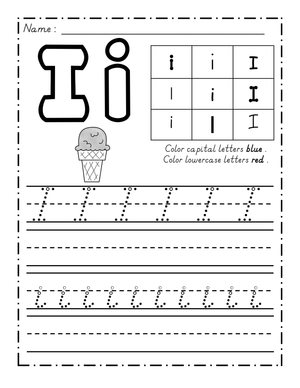
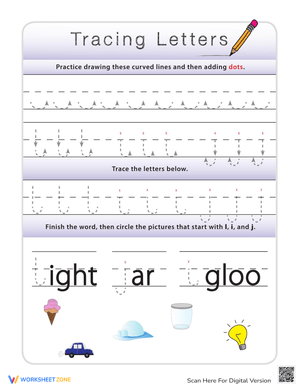
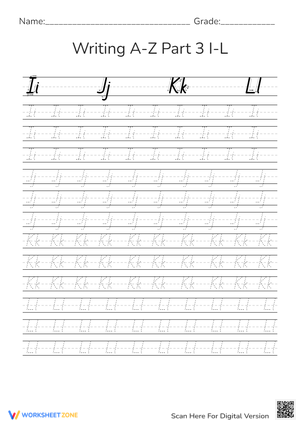
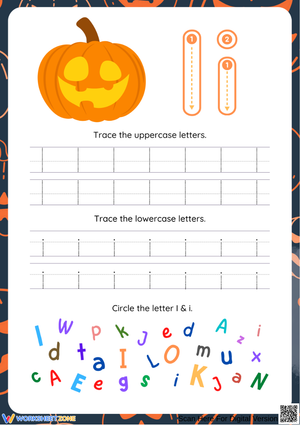
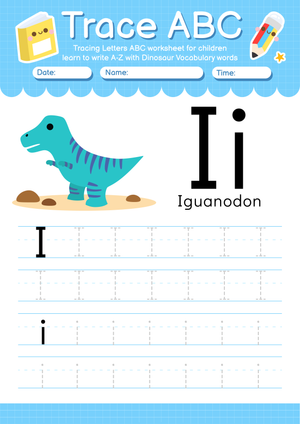
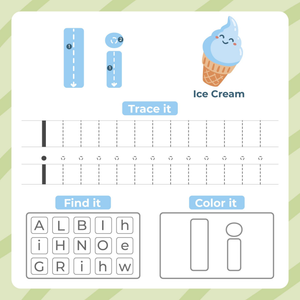
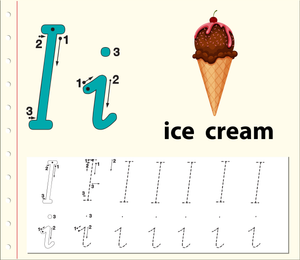
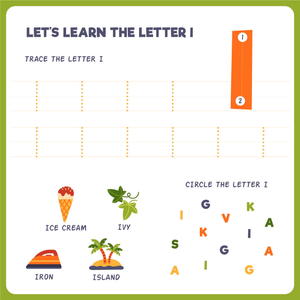
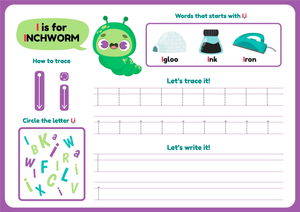
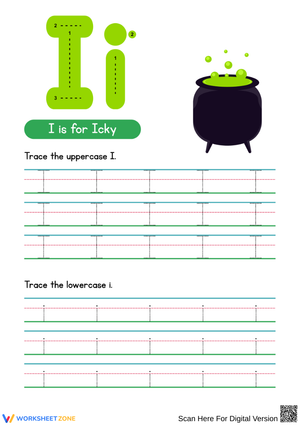
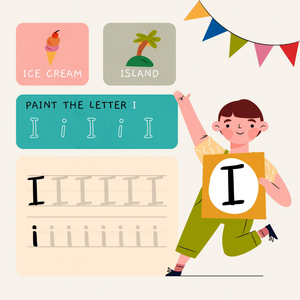
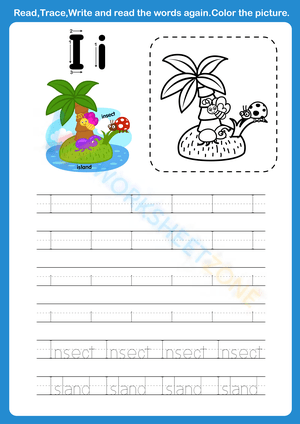
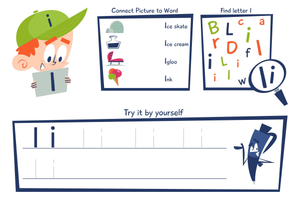
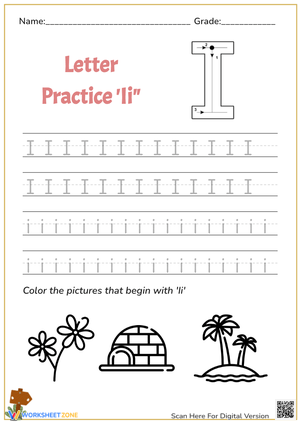
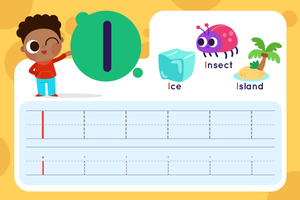
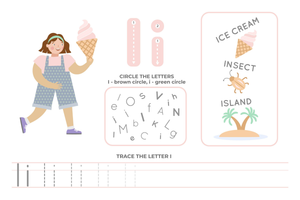
Teaching the letter I looks simple, but that single straight line is one of the first places young writers learn stroke direction, spacing, and the difference between a letter name and its sound. These letter I worksheets give preschool and kindergarten teachers ready-to-print practice for uppercase and lowercase i, whether you are running whole-group instruction, a handwriting center, or small-group intervention.
Teach Uppercase I Before Lowercase i
Letter development is not evenly paced, and your sequence should reflect that. Most children pick up capital letters well before their lowercase partners, so introducing uppercase I first gives students an early win and a clear reference point. According to letter recognition milestones summarized by Reading.com, by age 4 roughly 60% of children know more than half of their uppercase letters but only 5 to 10 lowercase letters. That gap is exactly why a strong uppercase I foundation matters before you push into lowercase work.
Start with recognition and naming, then move to tracing, and only then to independent formation. For students still building letter knowledge, remember that children should recognize at least 10 letters to be considered ready for kindergarten, so every letter you lock in counts toward that threshold.
Get the Stroke Order Right the First Time
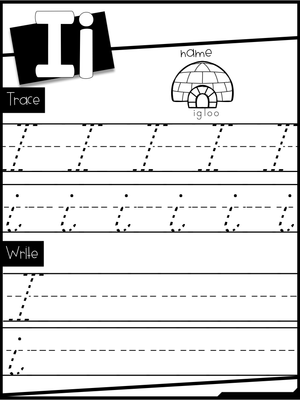
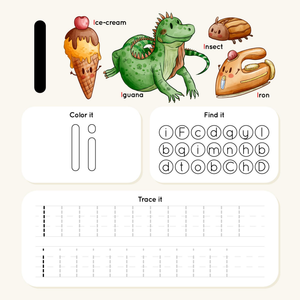
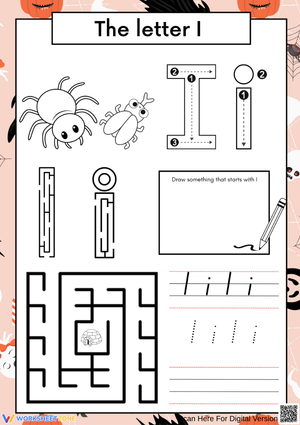
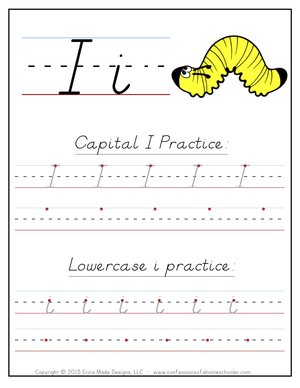
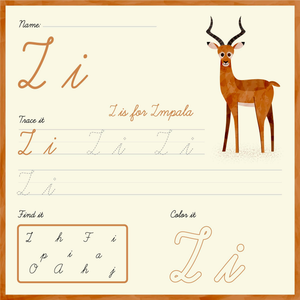
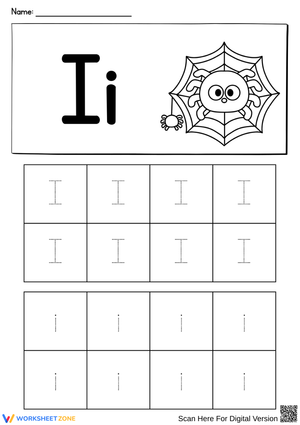
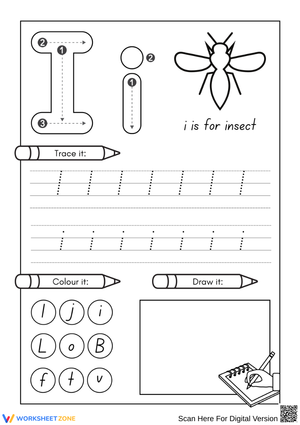
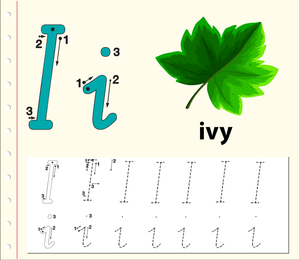
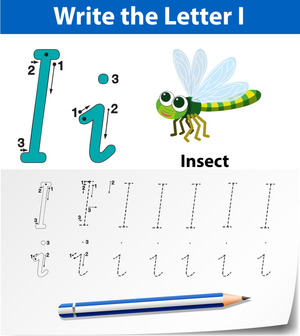
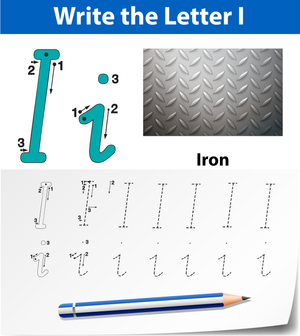
Uppercase I is a top-to-bottom vertical line, often with a top and bottom crossbar depending on your handwriting program. Lowercase i is classified as a short letter, formed with a short vertical stroke plus a dot placed directly above. Naming these categories out loud, short letters, tall letters, and descending letters, helps students plan where each stroke sits between the lines.
Here is the part teachers cannot skip: the more young children practice a letter's formation incorrectly, the harder it becomes to correct later. A student who habitually builds lowercase i from the bottom up, or drops the dot, is not making a small error. They are rehearsing a motor pattern that gets more automatic, and more resistant to reteaching, every time. That is why explicit, consistent stroke-order modeling on the very first practice attempt does more good than a dozen corrections later.
Classroom Implementation
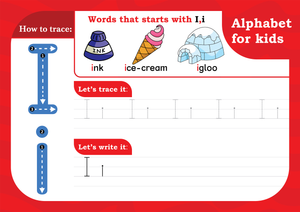
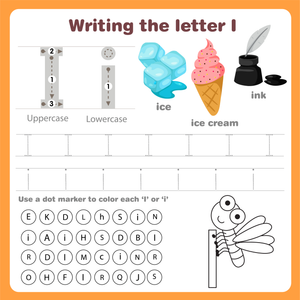
Fit letter I practice into the structures you already run. For morning work, a single tracing page keeps hands busy and settles the room while you take attendance. In a literacy center, stack three levels of the same worksheet, guided tracing, dotted independent tracing, and blank-line writing, so students self-select or you assign by readiness.
For small-group intervention, target students who reverse strokes or misform the letter. Sit beside them, model once, and watch the next attempt rather than the finished page, since the process reveals the error the product hides. Keep sessions short and frequent; handwriting instruction produces significantly greater legibility and fluency than no instruction across students from kindergarten through 12th grade, and brief daily practice beats occasional long stretches.
Frequently Asked Questions
1. What age or grade should start practicing letter I formation?
Most children begin recognizing and tracing letters in preschool, around ages 3 to 4, with independent formation solidifying in kindergarten. Since kindergarten readiness typically expects recognition of at least 10 letters, introducing high-frequency letters like I early gives students a head start.
2. What is the correct stroke order for uppercase and lowercase letter I?
Uppercase I is a single vertical line drawn top to bottom, with optional top and bottom crossbars. Lowercase i is a short vertical stroke drawn top to bottom, followed by a dot placed directly above the line.
3. How can teachers tell if a student needs extra letter I practice versus general fine motor support?
Compare the letter I attempt to the rest of the page. Trouble limited to specific letters points to targeted letter practice, while shaky, uneven strokes across every letter suggest the student needs broader fine-motor and pencil-grip work first.
4. How many repetitions are recommended before a letter is mastered?
There is no single magic number, but short, frequent practice outperforms occasional long sessions. Because incorrect repetitions are hard to undo, quality of the first attempts matters more than raw quantity; watch formation early and reteach before errors become automatic.
5. How should letter I worksheets be paired with phonics instruction on short and long i?
Attach a sound task to every formation task. As students trace, have them name the letter and produce the short i and long i sounds, then sort picture cards like "igloo" and "ice" so the symbol, name, and sounds are learned together rather than in isolation.