Why 3rd grade reading comprehension worksheets fit this stage of reading
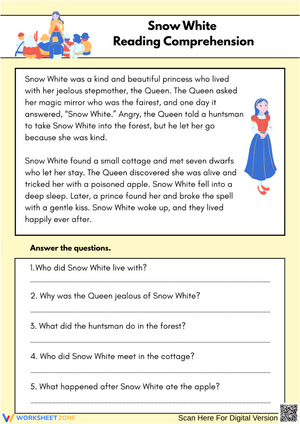
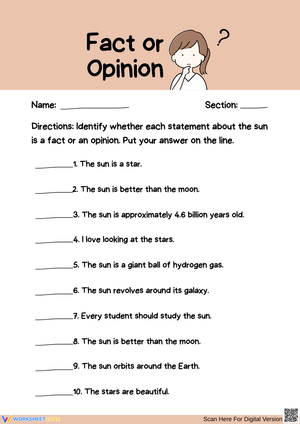
Third grade is where reading instruction shifts from mostly learning how to read toward using reading to build knowledge, explain thinking, and compare ideas. That makes 3rd grade reading comprehension worksheets especially useful when teachers need short, focused practice tied to one clear outcome. Instead of assigning a long text and hoping every student can hold onto the thinking work, a well-built worksheet narrows the demand: read a manageable passage, answer targeted questions, and show evidence of understanding.
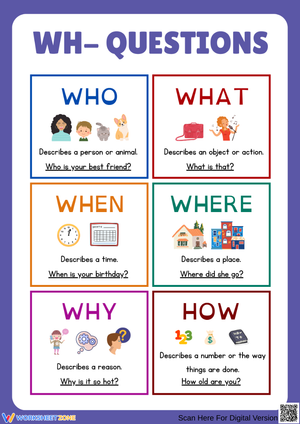
For grade 3 classrooms, that matters because students are expected to ask and answer questions, recount stories, determine a central message, and describe characters and the way their actions move events. In informational reading, they also need steady practice with main idea, key details, text features, and cause and effect. A printable worksheet gives teachers a fast way to revisit those skills during whole-group review, small-group intervention, or independent practice without rebuilding materials each time.
When the passage length, question type, and vocabulary load are controlled, teachers can see whether a student missed the skill itself or simply ran out of stamina. That makes these worksheets practical for progress checks, reteaching, and short response routines.
Targeted practice works best when each passage teaches one thinking move
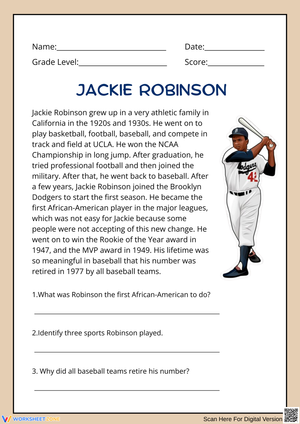
The strongest 3rd grade reading comprehension worksheets do not ask students to do everything at once. They usually center one passage around one or two high-priority comprehension moves, then let students explain their thinking in writing. That keeps the practice teachable and makes the results easier to interpret.
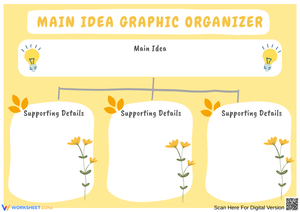
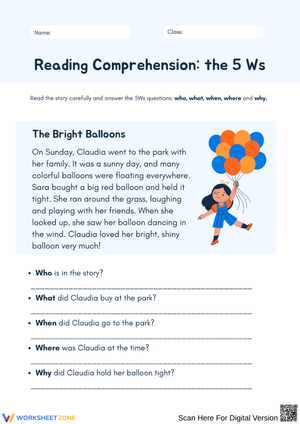
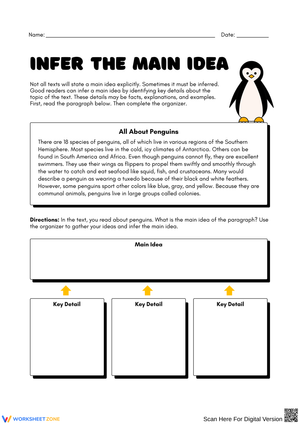
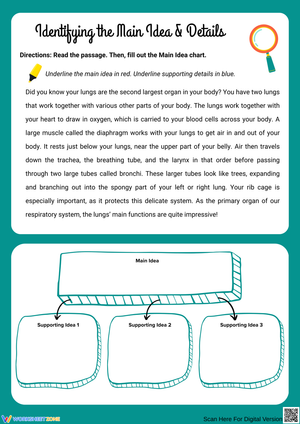
- Main idea and details: Students identify what a passage is mostly about and choose details that support that idea.
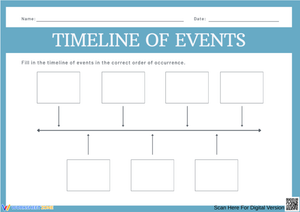
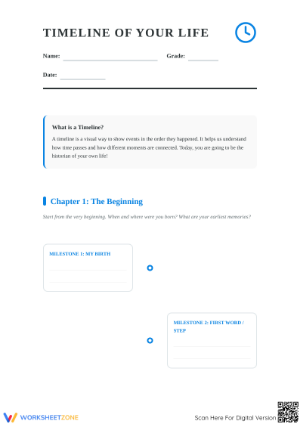
- Sequencing: Students track events in order, which helps with retelling and understanding how a text unfolds.
- Inference: Students combine clues from the passage with what they already know to explain ideas the author does not state directly.
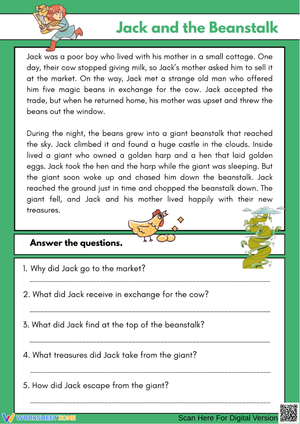
- Character and events: Students explain how a character's choices affect the story.
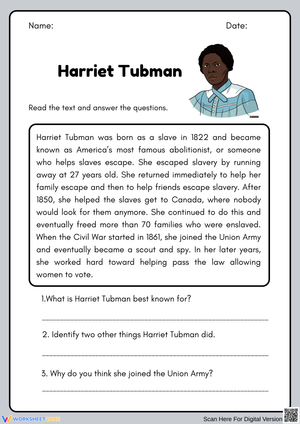
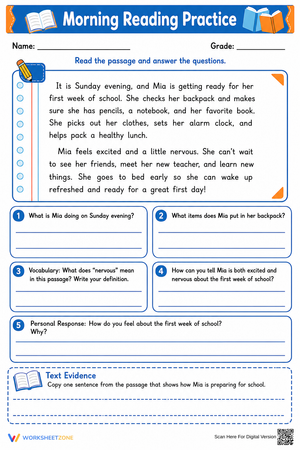
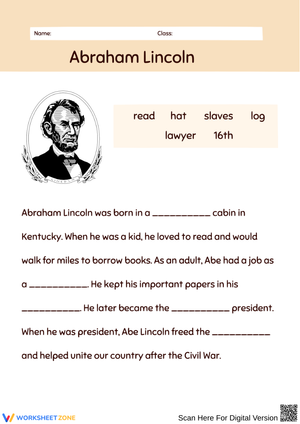
- Short constructed response: Students answer in one or two sentences using evidence from the passage.
That skill focus aligns well with the grade 3 reading expectations in Common Core State Standards for ELA, Grade 3 Reading. Teachers can use one worksheet for a warm-up, pair two on the same skill for extra review, or build a short weekly set that rotates between fiction and informational text.
Students often look inconsistent in comprehension when the real issue is task design. If every worksheet mixes retelling, vocabulary, main idea, and opinion writing in one sitting, teachers cannot tell which part broke down. A tighter grade 3 worksheet set creates cleaner evidence: one passage, one main target, and just enough response writing to reveal understanding without turning the lesson into an endurance test.
Mixing fiction and nonfiction gives students broader reading practice
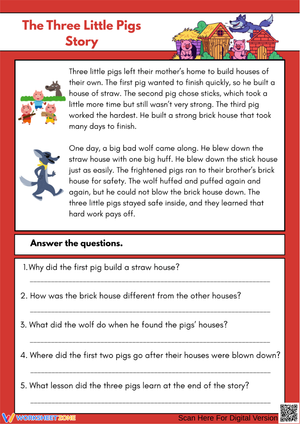
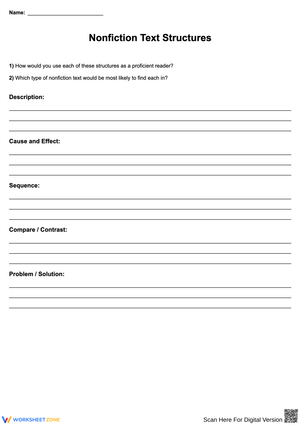
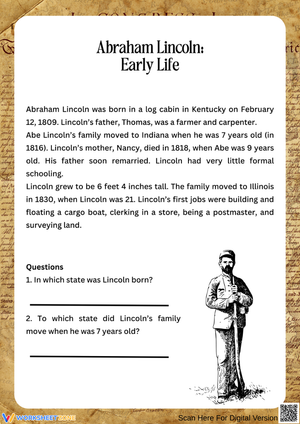
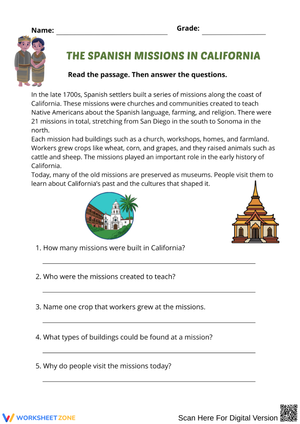
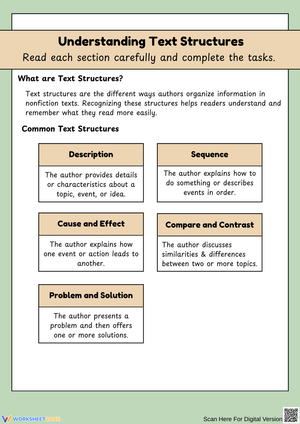
Teachers usually need both story-based and informational passages in the same bank of materials. Fiction lets students practice recounting, character analysis, lesson or message, and sequencing through narrative structure. Nonfiction gives them practice with key details, main idea, text features, and relationships such as cause and effect. If students only see one genre, their comprehension habits become too narrow.
Citation capsule: In Improving Reading Comprehension in Kindergarten Through 3rd Grade, the guidance emphasizes explicit comprehension instruction and intentional strategy teaching for elementary readers. For grade 3, that supports using short fiction and nonfiction passages with focused questions so students repeatedly practice monitoring understanding, summarizing, and inference in manageable doses.
A mixed set of 3rd grade reading comprehension worksheets also helps with planning. A teacher can start the week with a narrative passage during a read-across routine, switch to nonfiction during science or social studies integration, and end with a short review page that checks whether students transfer the same thinking across genres.
Classroom Implementation
These worksheets work best when they are placed inside a clear classroom routine rather than treated as filler. In whole-group instruction, a teacher might project or read a short passage aloud first, then release students to answer two or three text-dependent questions independently. In centers, the same format can become a repeatable station: read, annotate key words, answer, and check with a partner.
For small-group intervention, teachers can choose shorter passages with fewer questions and add verbal rehearsal before students write. That helps students who understand more than they can immediately put on paper. During homework or spiral review, the worksheet can stay brief and predictable so families see the same structure each week.
One practical pattern is to assign each day a stable comprehension focus. Monday can be main idea, Tuesday details, Wednesday inference, Thursday sequencing, and Friday constructed response. Teachers then vary the passage type while keeping the thinking move familiar. That reduces transition time and helps students recognize what good answers look like for each question type.
Because the format is portable, these worksheets also fit sub plans, test-prep refreshers, and quick reteach blocks after formative checks. They are most effective when teachers review one answer together and name why the evidence fits, not just whether the answer is correct.
Differentiation is easier when passage load and question load can change separately
One reason teachers keep 3rd grade reading comprehension worksheets in rotation is that they are easy to differentiate without changing the full lesson objective. A class might all work on inference, but one group reads a shorter paragraph with two questions while another reads a longer passage with a short written response. The skill target stays constant even though the support level changes.
That flexibility is useful in intervention blocks, mixed-readiness classrooms, and co-taught settings. Some students need extra practice with literal understanding before moving to inference. Others are ready to justify answers with stronger evidence. Printable worksheet sets let teachers adjust passage length, sentence complexity, and number of answer choices while still keeping the same anchor skill for the day.
The article Instruction of Metacognitive Strategies Enhances Reading Comprehension and Vocabulary Achievement of Third-Grade Students points to the value of explicit strategy instruction. In worksheet form, that can look like prompts that ask students to stop, question, summarize, and check whether an answer makes sense. Those supports are simple, but they make the worksheet a teaching tool rather than just an assignment sheet.
Strong worksheet sets save planning time and produce clearer evidence
Teachers usually get the most value from worksheet collections that are organized by skill, genre, and response demand. If a set clearly labels whether a page focuses on main idea, character actions, inference, or informational details, it becomes much easier to pull the right page for reteaching or assessment. That is where a searchable bank of printable materials can save real prep time.
Resources modeled like 3rd Grade Reading Comprehension Worksheets are especially useful when they include both fiction and nonfiction passages, varied question structures, and enough range for review across the year. Teachers can sequence pages from simpler recall toward evidence-based response instead of starting over each week.
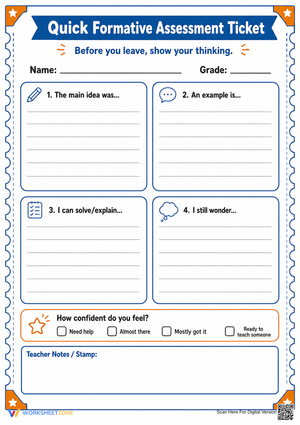
The best signal of quality is not the number of pages. It is whether a worksheet leads to actionable next steps. After students finish, a teacher should be able to sort quickly: who understood the text, who found the details but missed the main point, who needs support with vocabulary, and who is ready for a stronger written response.
Frequently Asked Questions
1. What reading comprehension skills should 3rd graders practice most often?
Teachers usually revisit main idea, key details, sequencing, inference, character and events, and short text-based response throughout the year. Those skills appear often because they support both literature and informational reading, and they can be practiced in short, repeatable worksheet formats.
2. How can teachers use comprehension worksheets in small groups or centers?
In small groups, choose shorter passages and discuss one question aloud before students write independently. In centers, keep the routine stable so students know exactly what to do: read the passage, mark important details, answer questions, and check a response with a partner or teacher key.
3. Should 3rd grade worksheets include both fiction and nonfiction passages?
Yes. Fiction supports recounting, character analysis, message, and event sequence. Nonfiction supports main idea, key details, text features, and cause-and-effect thinking. When students practice across both genres, teachers get a more complete picture of comprehension strengths and gaps.
4. How do reading comprehension worksheets support Common Core grade 3 standards?
They give students repeated practice with the reading work described in Common Core State Standards for ELA, Grade 3 Reading, including asking and answering questions, recounting stories, determining central message, and identifying main idea and supporting details in informational text. Used well, the worksheet becomes a short standards-aligned practice cycle rather than an isolated page.