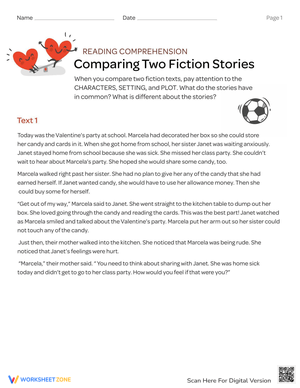
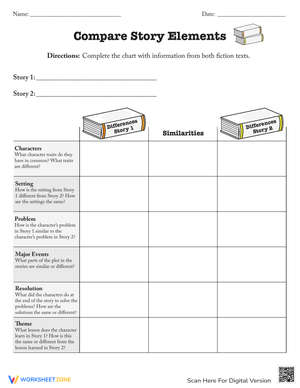
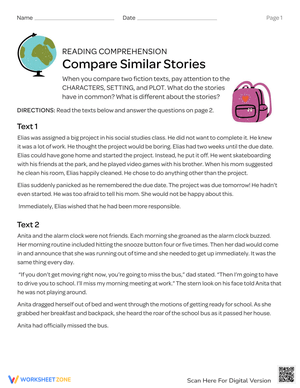
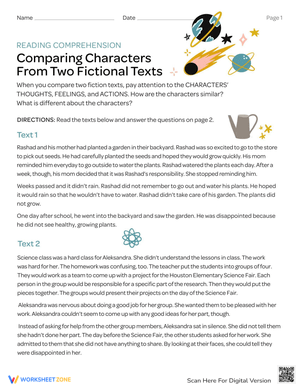
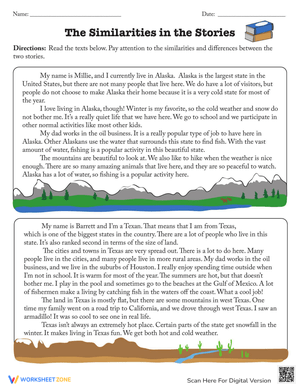
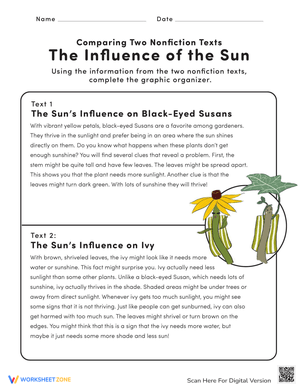
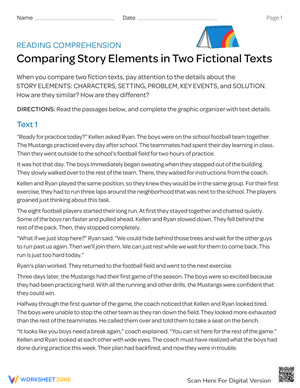
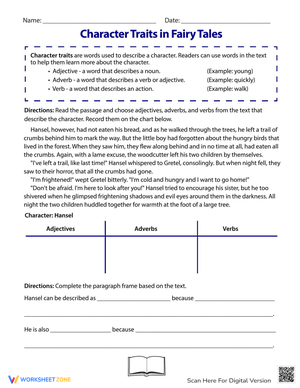
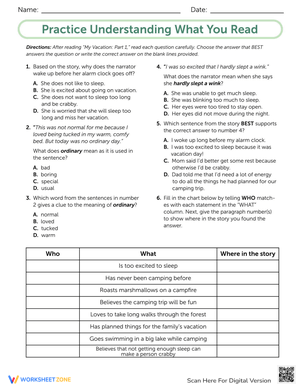
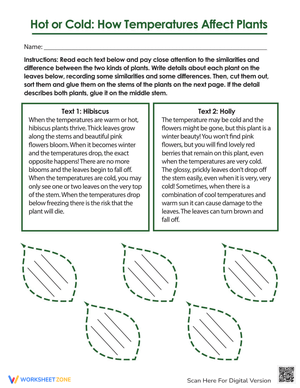
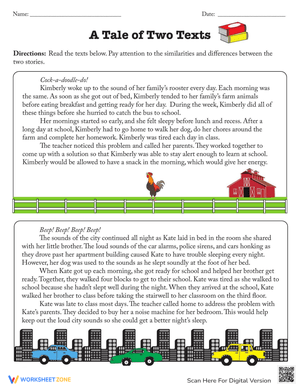
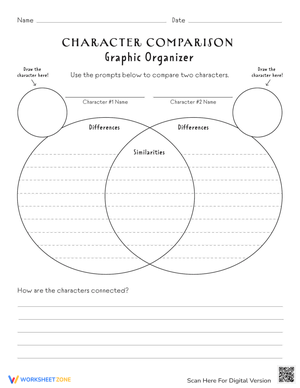
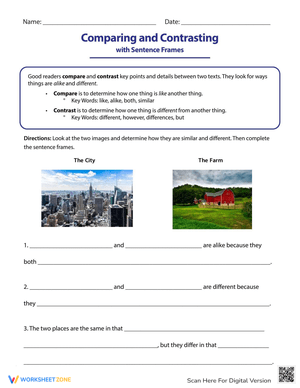
These 3rd grade compare and contrast worksheets address one of the more demanding transitions in elementary literacy — the shift from comparing objects by physical appearance to comparing texts, character motivations, and informational content through textual evidence. The set moves across both fiction and nonfiction contexts, using Venn diagrams, T-charts, and written response tasks where students annotate the text before organizing their thinking. Teachers get ready-to-use resources built around the passage types third graders encounter in real units: paired folk tale variants, animal habitat articles, and short biographical sketches.
The Specific Skills Each Worksheet Builds
These resources were built around the actual reading work third graders are asked to do — not a generalized version of "comparison." Each worksheet targets a distinct phase of that process, from noticing signal words inside a paragraph to synthesizing two separate texts into a written comparison response. Working through these 3rd grade compare and contrast worksheets in sequence builds a connected progression of skills, though individual worksheets also stand alone when one piece of the skill needs reinforcement.
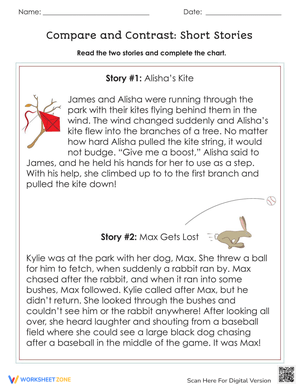
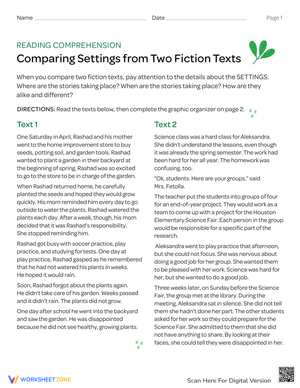
- Identifying similarities and differences between two characters using trait vocabulary — determined, cautious, generous — rather than retelling plot events
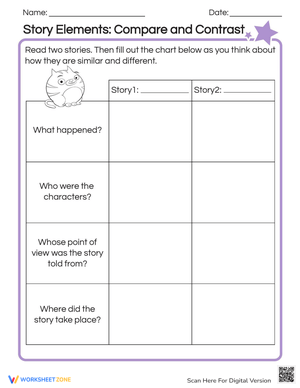
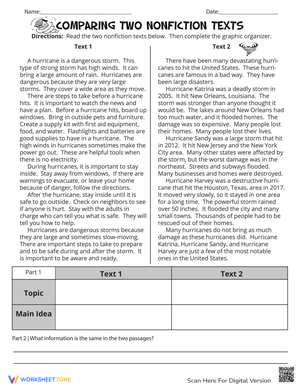
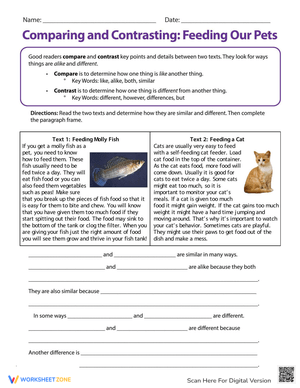
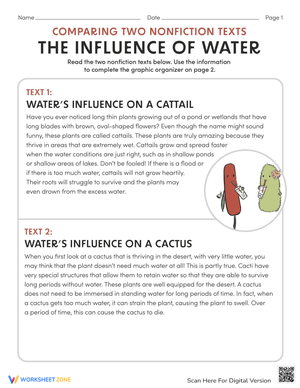
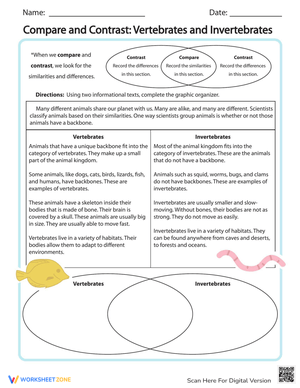
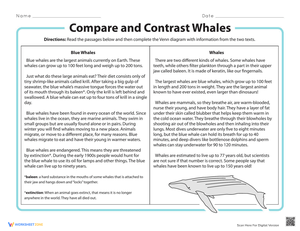
- Completing Venn diagrams from paired informational passages on related topics, with sentence starters to guide the written response
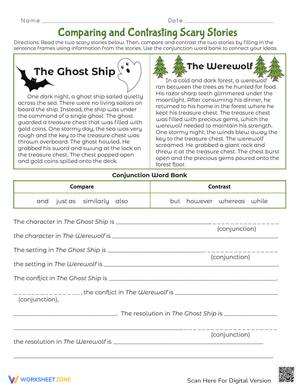
- Locating and underlining comparison signal words — both, however, similarly, on the other hand — within a short paragraph before answering comprehension questions
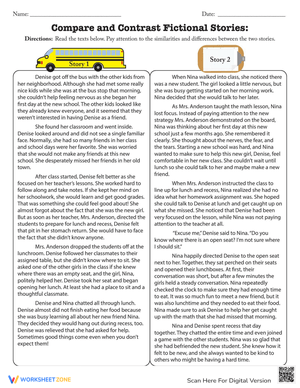
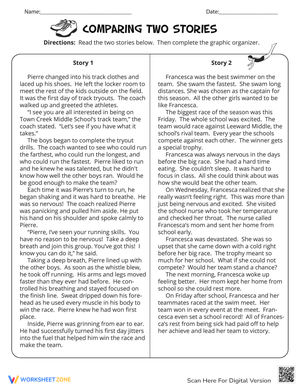
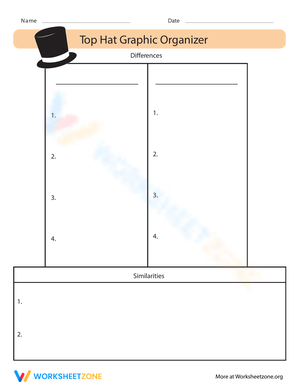
- Using a T-chart to organize key details from two versions of the same folk tale, then drafting a full comparison paragraph
- Distinguishing between the details one author chooses to include versus what the other author emphasizes — a step toward understanding perspective in informational reading
Mistakes Students Make That These Worksheets Help You Catch
The most persistent error in third-grade compare and contrast work is not missing the similarities — it's defaulting to parallel listing instead of synthesis. Students write: "Frogs live near water. Toads live on land." Those are two facts, not a contrast. A contrast holds both subjects inside one sentence: "Unlike frogs, which stay close to water, toads spend most of their time on dry land." The written response prompts in these worksheets create exactly the moment where that error becomes visible, because students can't dodge the structure by writing two separate sentences and calling it done.
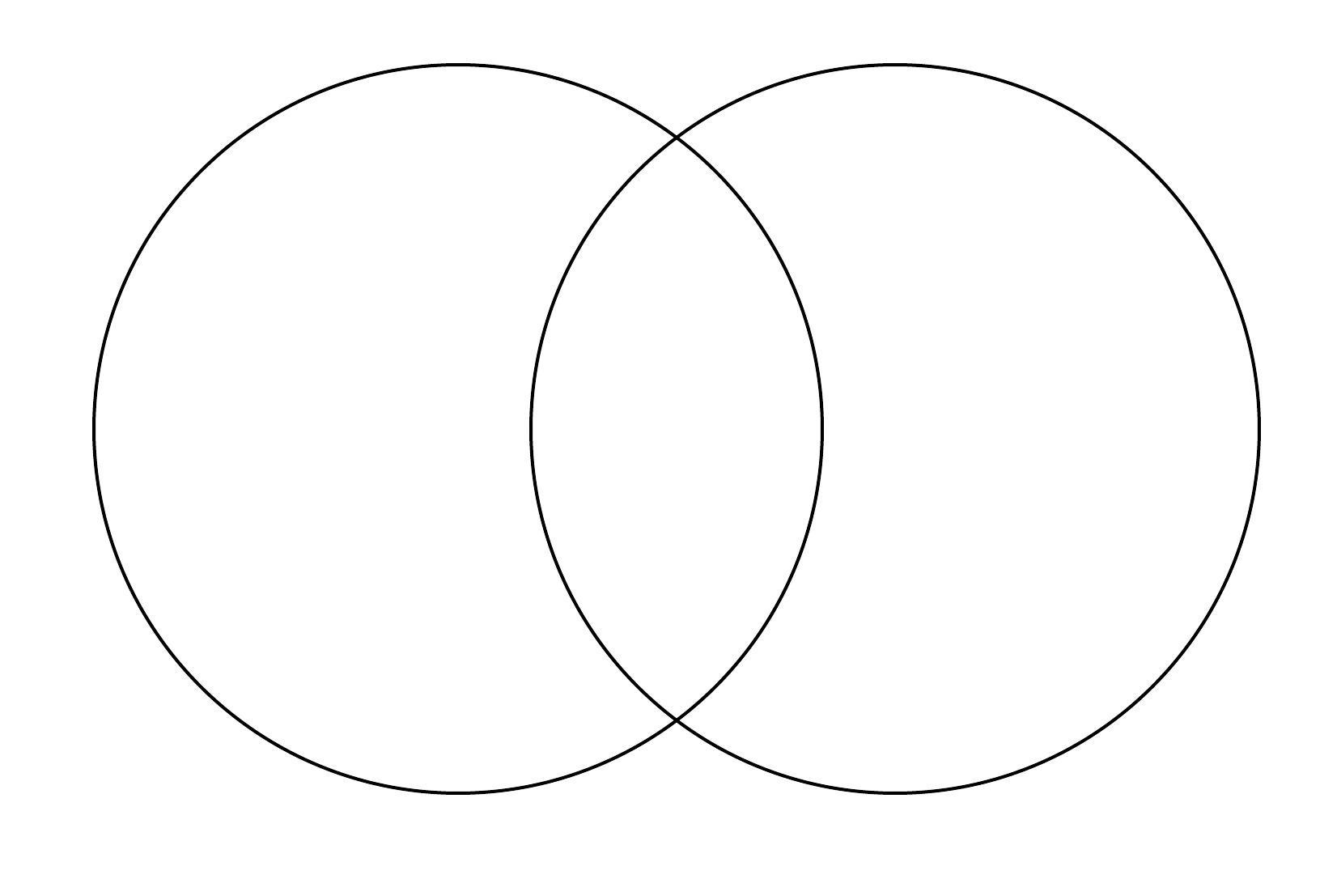
Two other patterns surface consistently. First, the center section of Venn diagrams stays empty. Students fill the outer rings quickly but leave the overlap blank — either because they didn't find genuine similarities, or because they don't feel confident claiming a shared trait without a sentence in the text that literally announces it. Teaching students that similarity can be inferred, even without a signal word announcing it, is a conversation these worksheets open up naturally. An empty center circle is data. Second, students who have learned the word both as a comparison signal will write: "Both the rabbit and the tortoise both wanted to win." The doubling reveals they've learned the word as a vocabulary label rather than as a syntactic tool. The signal word worksheets address this directly by asking students to revise awkward comparison sentences rather than simply circle the target word in isolation.
Standard Alignment
This set addresses CCSS ELA-Literacy.RI.3.9, which requires students to compare and contrast the most important points and key details presented in two texts on the same topic. That standard appears at third grade for a specific instructional reason: it's the grade where students are expected to draw from multiple sources rather than a single text, and where synthesis across sources — not just recall from one — becomes an assessed reading skill. In classroom terms, RI.3.9 shows up in science units pairing two articles about the same ecosystem, in social studies units where students read two short accounts of the same historical figure, and in ELA units examining different cultural variants of a familiar folk tale. The worksheets align directly to RI.3.9 and give teachers a clear record of where individual students stand in that progression.
Fitting These Worksheets Into Your Literacy Week
The most effective placement for comparison tasks is not during initial text reading — it's the day after. When students encounter a paired-passage assignment for the first time, reading both texts in one sitting creates too much cognitive load for many third graders to manage their analysis afterward. Reading the first text on Monday and the second on Tuesday, then completing the comparison task on Wednesday, gives students two separate comprehension footings before asking them to synthesize. This spacing is especially valuable at the start of the year when the skill is still new.
Signal word worksheets work well as Monday morning warm-ups — they're short, focused, and reactivate vocabulary from the previous week without requiring a new text. T-chart worksheets are better placed mid-unit, after students have some content familiarity with both passages. The written response worksheets function as formative assessment: collecting them unannounced after partner work shows quickly which students are still producing two parallel lists versus constructing an actual comparison sentence. These 3rd grade compare and contrast worksheets also move well into literacy centers, where pairs of students can complete the Venn diagram together and then write their own response sentences independently — a natural point of gradual release within the same resource.
Adjusting the Set for Different Levels of Readers
For students who struggle with the written response portion, reduce the task to the graphic organizer only. Have them complete the Venn diagram or T-chart using bullet phrases, then reference the organizer while the class writes the comparison paragraph together. The analytical work — sorting, categorizing, identifying connections — remains theirs. The sentence-level writing gets the whole-group support it needs. These students aren't doing less thinking; they're getting help with the transcription step that otherwise stalls the entire task.
Students who move through the standard worksheets quickly can push into author's craft analysis: not just what the two texts say differently, but why each author made different choices about which details to include. That analytical move isn't required at third grade, but it builds directly toward the inference and argument skills assessed in later grades. The 3rd grade compare and contrast worksheets in this set give those students a solid content foundation to work from while their classmates are still developing the baseline comparison skill.
Frequently Asked Questions
Which graphic organizer works better for this skill — a Venn diagram or a T-chart?
Both have a place in third-grade instruction, and they serve different purposes. Venn diagrams work best when the paired texts have genuine overlapping traits that students need to recognize — the visual overlap makes similarity concrete in a way T-charts don't. T-charts are better for strict side-by-side comparison of specific details, particularly in informational texts where students track named facts or dates. Starting the year with Venn diagrams and introducing T-charts once students are comfortable with the comparison process reduces confusion early on and lets students see both tools as useful rather than interchangeable.
What do I do when students can complete the organizer but can't write the comparison sentences?
That gap is one of the most common at this grade level. Filling in an organizer is a sorting task; writing a comparison sentence requires synthesis, which is a different cognitive demand. Providing sentence frames — "Both ___ and ___ share the trait of ___" and "Unlike ___, which ___, ___ instead ___" — and keeping them visible while students draft addresses the gap directly. The goal is to use those frames less over time, not to avoid them indefinitely. Once students produce the structure with support, removing the frames becomes the next instructional move.
How does RI.3.9 connect to the writing standards teachers are also responsible for?
RI.3.9 is a reading standard, but the writing connection is direct. CCSS W.3.2 asks students to write informative and explanatory texts, which at third grade includes writing that draws on multiple sources and organizes information to support a point. Students who practice comparing texts in reading are developing the same analytical moves they need for that writing standard. The comparison paragraph tasks in this set give teachers a natural bridge between the two, and the written responses work as evidence of progress toward both reading and writing benchmarks.












 Interactive Worksheet Maker
 Quiz Maker
 Word Search Maker
 Crossword Puzzle Maker
 Word Scramble Generator
 Sentence Scramble Generator
 Handwriting Worksheet Generator
 Name Tracing Generator
 Fill In The Blank Generator