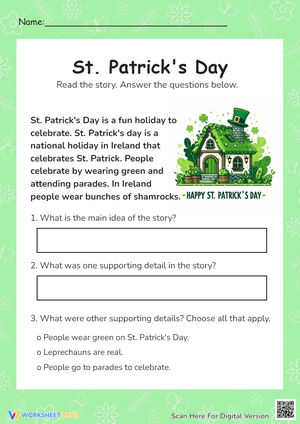
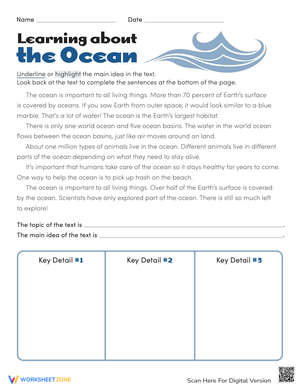
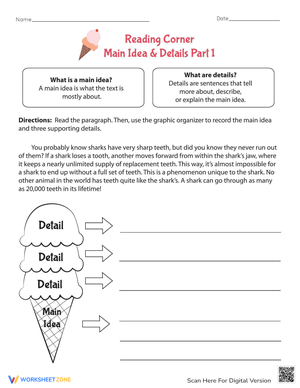
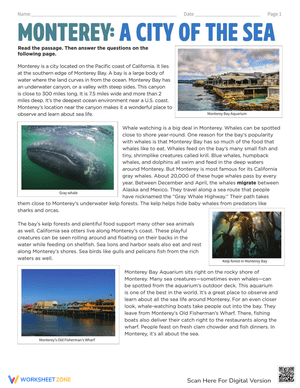
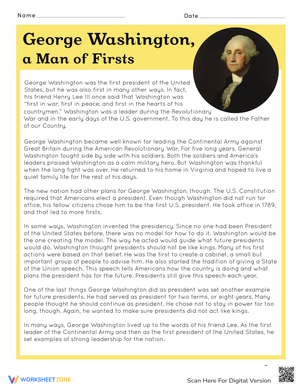
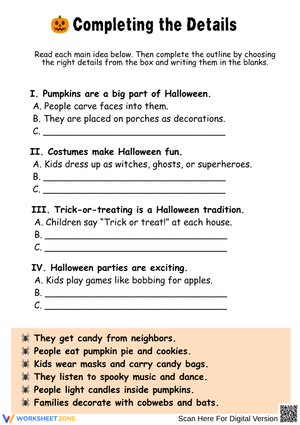
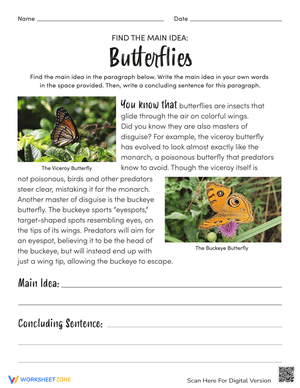
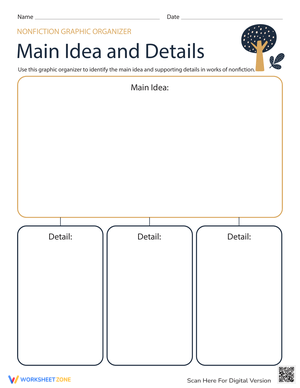
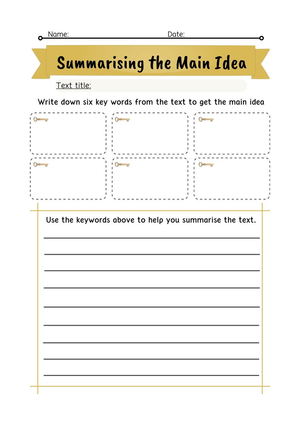
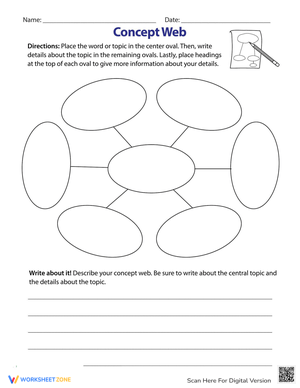
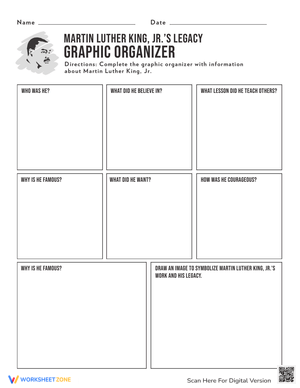
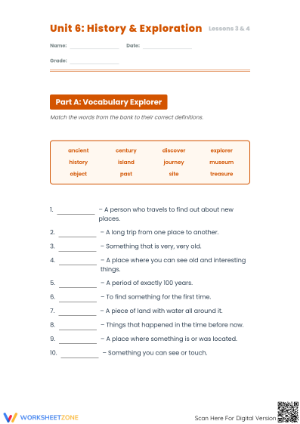
These 3rd grade main idea worksheets resources give teachers a focused set of printable reading comprehension tools built around one of the most analytically demanding skills in Grade 3 ELA — separating the central message of an informational passage from the broad topic and the supporting details that elaborate on it. Each worksheet targets a distinct stage of the skill, moving from sentence-level identification through graphic organizer completion to short written responses in a student's own words.
What Each Worksheet Builds
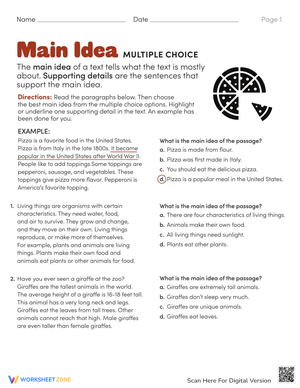
The set addresses several competencies that Grade 3 readers need before they can work independently with multi-paragraph informational text. Students underline topic sentences, annotate passages to mark supporting details, and write main idea statements in complete sentences. A significant portion of the worksheets ask students to distinguish between a topic — a word or phrase like "frogs" or "weather patterns" — and a main idea, which is a full sentence stating what the author wants readers to understand about that topic. That distinction is where Grade 3 ELA instruction most often stalls, and the set returns to it repeatedly in varied formats so students encounter the concept from several angles rather than through a single exercise type.
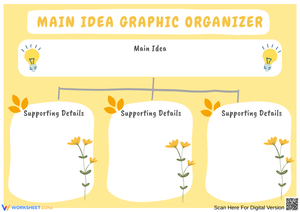
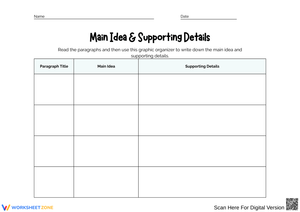
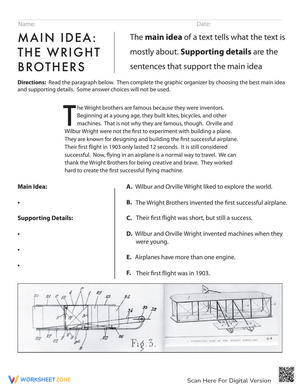
Several organizer worksheets use a table model: students write the main idea on the tabletop and record three or four supporting details as the legs holding it up. The visual metaphor is concrete enough for 8-to-9-year-olds and transfers naturally to reading notes later in the year when students encounter longer nonfiction in science and social studies units.
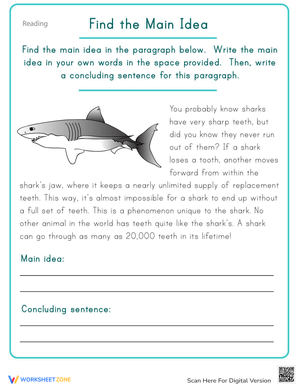
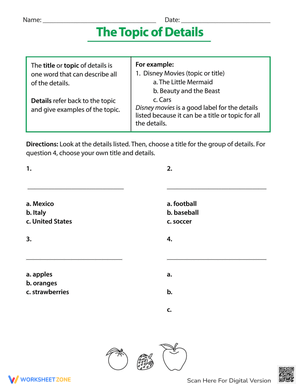
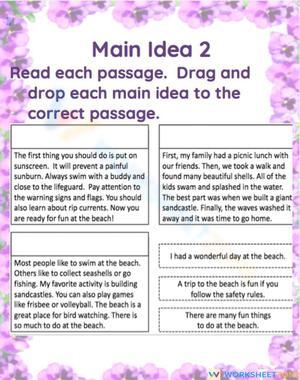
- Topic-vs.-main-idea identification using short nonfiction passages
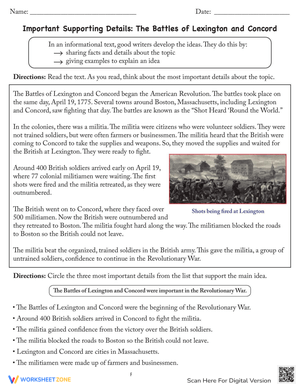
- Supporting detail annotation and written explanation
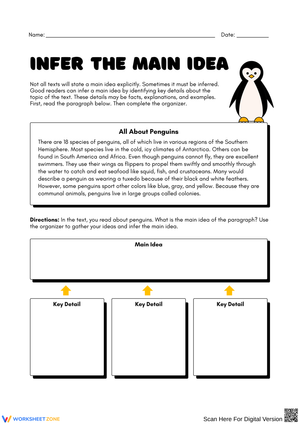
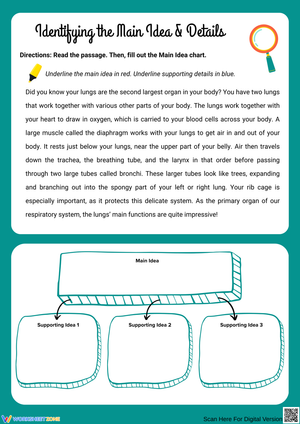
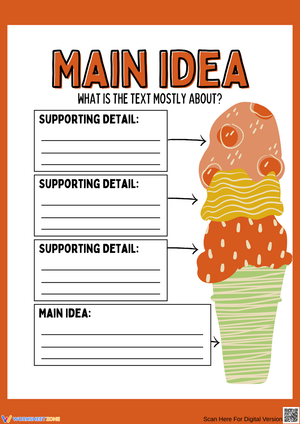
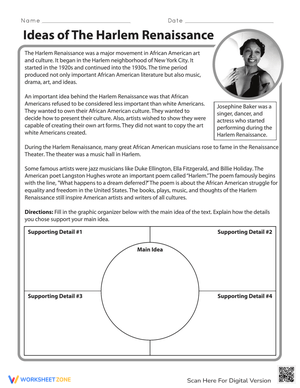
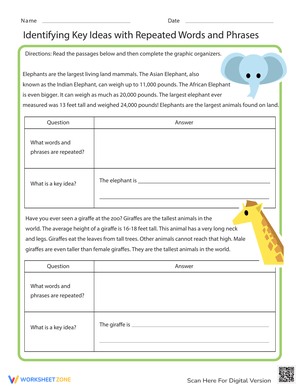
- Graphic organizer completion (table and umbrella models)
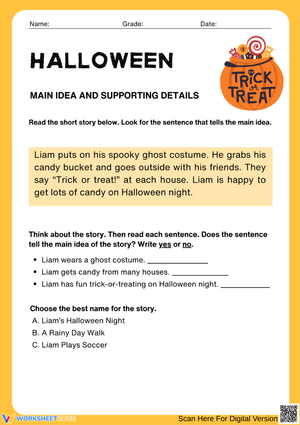
- Sorting tasks: categorizing statements as topic, main idea, or supporting detail
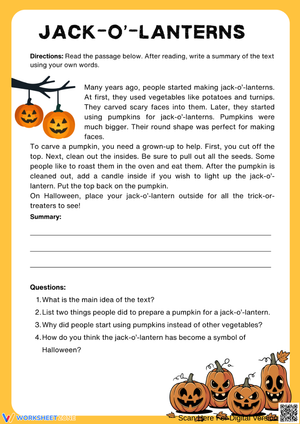
- Guided paragraph frames for writing original main idea statements
How to Build These Worksheets Into Your Reading Block
The short-passage worksheets work best as five-minute bell ringers at the start of independent reading time. Students read the passage, underline what they believe is the main idea, and jot a one-sentence explanation — all before any group discussion begins. That independent attempt matters: students arrive at the debrief with a specific claim to defend or revise rather than waiting to copy whoever answers first.
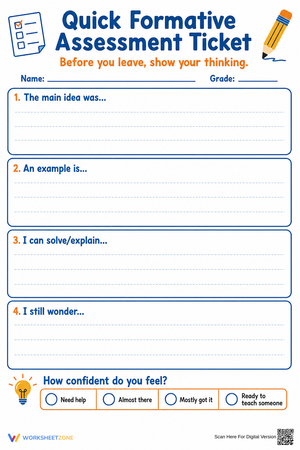
The graphic organizer worksheets fit naturally into small-group guided reading stations. Two or three students read a leveled text together and fill in the organizer collaboratively, which surfaces disagreements in real time — the kind of productive friction that moves comprehension forward faster than silent independent work. The sorting tasks make reliable exit tickets: hand one out in the last six minutes of class, collect responses at the door, and the stack tells you immediately which students have the distinction sorted and which still conflate topic with main idea.
Sending home a 3rd grade main idea worksheets version weekly — after students have practiced the same format in class — gives families a window into current instruction without requiring extra explanation. The repetition across school and home contexts builds the kind of automaticity that shows up in standardized reading assessments by spring.
Student Errors Worth Catching Before They Calcify
The most persistent error is topic-for-main-idea substitution. A student reads a passage about frogs and writes "frogs" as the main idea. When pressed to write a complete sentence, the response often becomes "This is about frogs" — a restatement of the topic dressed in sentence clothing. The fix is specificity: what about frogs? What does the author want readers to understand? A passage about frog adaptations carries a very different main idea from one about the frog life cycle, even though the topic is identical. Students who grasp this tend to have a clear breakthrough around week two or three of targeted practice.
A second error involves latching onto an interesting supporting detail instead of the central claim. If a passage mentions that a poison dart frog's toxins are potent enough to affect a large animal, students frequently anchor to that vivid fact and write it as the main idea, overlooking the broader point the passage is actually making. The most effective response is a consistent think-aloud pattern: "That's a detail. What bigger idea does it help explain?" Used repeatedly across these worksheets, that questioning move eventually shifts from teacher prompt to internalized reading habit.
Standard Alignment
CCSS.ELA-LITERACY.RI.3.2 requires Grade 3 students to determine the main idea of a text, recount key details, and explain how those details support the main idea. In classroom practice, this standard is typically introduced in fall with single-paragraph passages, deepened in winter with two- and three-paragraph texts, and assessed formally in spring through longer informational reading tasks. Teachers who integrate a 3rd grade main idea worksheets set consistently across the year will find the shorter passage worksheets map cleanly to fall and early winter instruction, while the graphic organizers and open-ended written response tasks fit the deeper expectations of the second and third trimesters.
Differentiating These Worksheets for Mixed-Ability Classes
Below-grade readers benefit from shorter passage formats — three to four sentences rather than a full paragraph — paired with a sentence frame such as "This passage is mostly about _____ because _____." The frame does not remove the thinking; it removes the production barrier that sometimes causes students who understand the concept to freeze when facing a blank line. Removing that barrier lets the teacher see what the student actually comprehends rather than what they can generate under pressure.
For students reading above grade level, strip away answer supports and ask them to write a two-sentence response: first the main idea, then a justification citing at least two specific details from the passage. These students also respond well to passages on unfamiliar topics — the absence of background knowledge forces reliance on text structure rather than prior knowledge, which is a more demanding application of the skill. The 3rd grade main idea worksheets set includes passage options at different complexity levels, so teachers can assign different worksheets to different groups without the distinction being obvious to students.
Frequently Asked Questions
How do I explain the difference between a topic and a main idea to students who keep confusing them?
Run the two steps separately and name them distinctly. First ask students to write the topic in one word or short phrase. Then ask them to write a full sentence about what the author wants readers to know about that topic. Doing both steps — out loud or in writing — makes the difference visible in a way that defining the terms alone does not. Sorting worksheets that require students to categorize statements as topic, main idea, or supporting detail reinforce the distinction through repeated low-stakes practice.
What CCSS standard do these worksheets address?
The worksheets target CCSS.ELA-LITERACY.RI.3.2, which covers determining the main idea of an informational text, recounting key details, and explaining how those details support the main idea. This standard is among the most frequently assessed in Grade 3 ELA and appears on both district benchmark assessments and state reading tests.
Can these worksheets be used alongside science and social studies texts?
The graphic organizer worksheets are intentionally open-ended so teachers can pair them with any informational text in the classroom — science trade books, social studies read-alouds, or classroom magazine articles. Using the same organizer format across content areas gives students consistent practice without requiring them to learn a new tool in each subject.
How frequently should students practice to show real growth?
Three to four exposures per week — distributed across the reading block, small-group stations, and exit tickets — produces measurable gains within four to six weeks for most Grade 3 students. Spaced practice across the week matters more than longer concentrated sessions. Rotating formats is more effective than repeating the same one: one short-passage worksheet early in the week, a graphic organizer mid-week, and a sorting task on Friday keeps the practice varied enough to maintain engagement and deepen the skill simultaneously.












 Interactive Worksheet Maker
 Quiz Maker
 Word Search Maker
 Crossword Puzzle Maker
 Word Scramble Generator
 Sentence Scramble Generator
 Handwriting Worksheet Generator
 Name Tracing Generator
 Fill In The Blank Generator