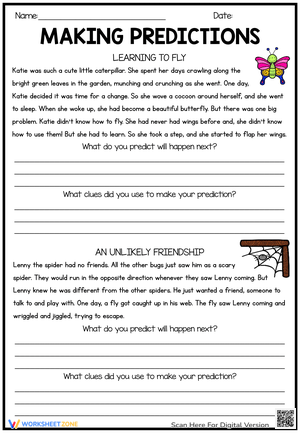
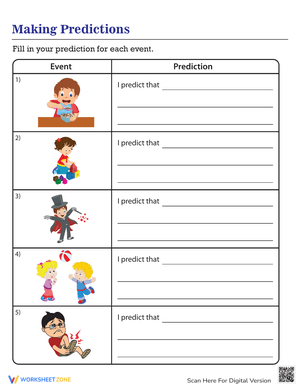
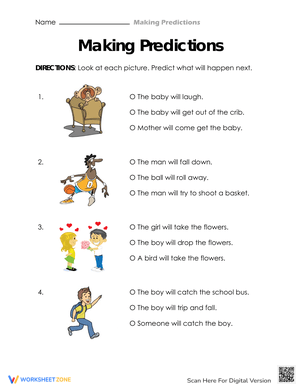
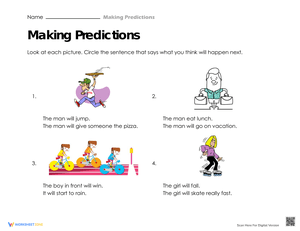
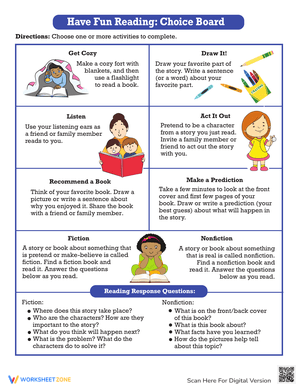
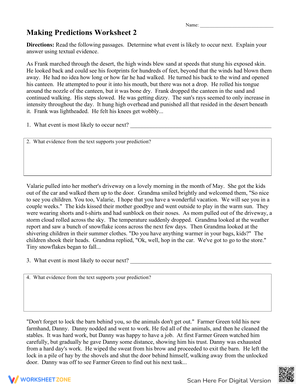
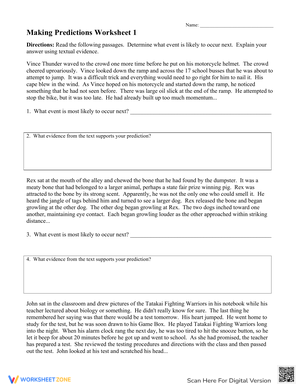
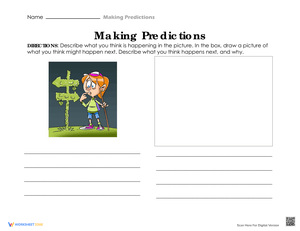
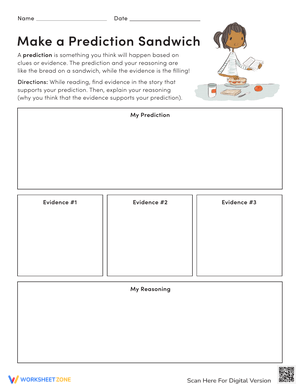
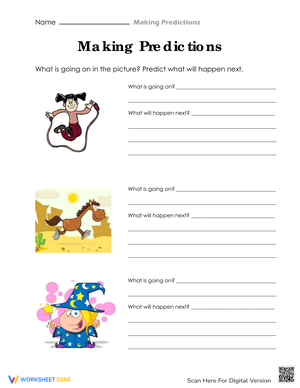
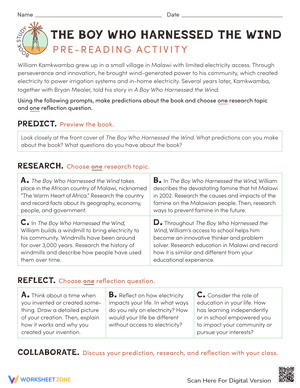
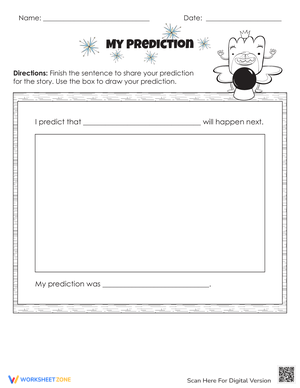
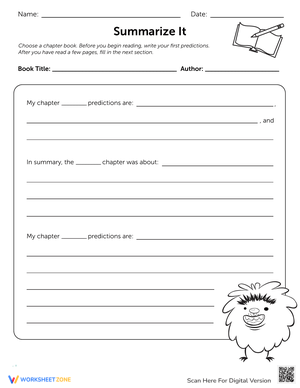
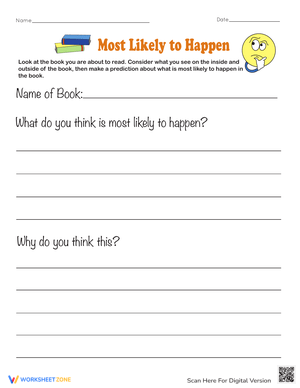
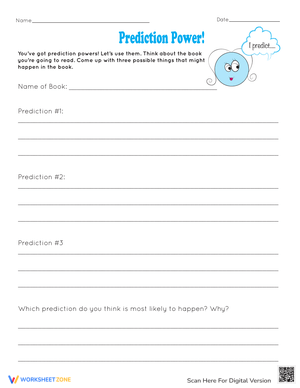
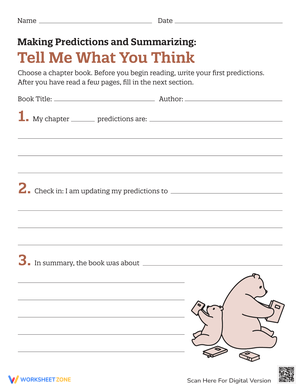
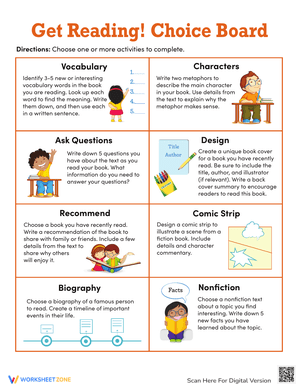
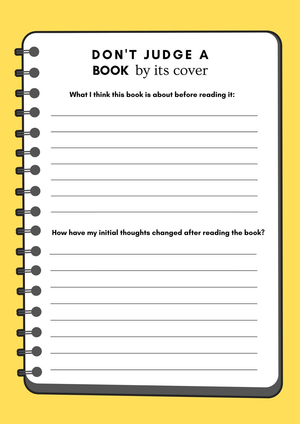
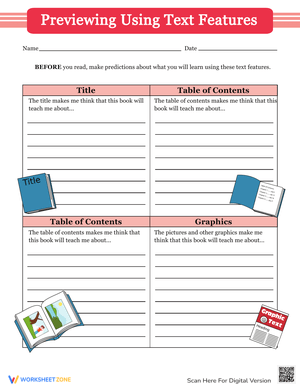
These 3rd grade making predictions printable worksheets give teachers a structured, low-prep way to make student thinking visible at every stage of a reading lesson. Each worksheet moves students through the same repeatable cycle: examine the available clues, record a prediction before or during reading, then confirm or revise that prediction using specific text evidence. That cycle turns an invisible mental process into something a teacher can read in seconds and act on immediately.
The Specific Skills These Worksheets Build
Prediction in third grade is less about guessing and more about teaching students to read with forward-looking attention. When a student commits to a prediction before reading, every sentence that follows becomes evidence to test against it. That kind of purposeful reading is what separates students who process meaning from those who simply decode words.
Each worksheet targets one or more of the following steps in the prediction cycle:
- Before reading: Students scan titles, illustrations, captions, and headings to predict the topic, mood, or direction of the text.
- During reading: Students pause at a marked stopping point and record what they expect to happen next or what information might follow.
- Evidence citation: Students name the specific word, detail, or text feature that led to their prediction — completing stems like I know this because the text says...
- Revision after reading: Students explain in writing whether their prediction held up and, if not, which new detail changed their thinking.
Both fiction and nonfiction passages appear across the set. The nonfiction work is worth particular attention in third grade, because students often assume prediction only applies to stories. Using headings, bold vocabulary, and diagrams to predict what an informational passage will cover builds exactly the same close-reading habit — and it transfers directly to science and social studies content.
Frequent Student Errors Worth Watching For
The most common problem is a prediction that restates the title rather than using it as a springboard for inference. A student who reads "How Storms Form" and writes I predict this is about storms hasn't predicted anything — that's retrieval, not thinking. Well-built worksheets close that gap by prompting students to say what they think they will learn that the title doesn't already tell them, pushing the thinking one small step past the obvious.
A second pattern shows up in the revision step. When asked to update a prediction after reading, many students replace their original idea with a summary of what happened rather than explaining which specific clue changed their minds. A worksheet that gives students two separate fields — one for the revised prediction and one for "the detail that made me change my thinking" — makes this error visible on the page. Once teachers see it in the student work, a three-minute share-out discussion almost always corrects it. Without that separate field, the error stays hidden.
How to Build These Worksheets Into Your Reading Block
For a whole-group mini-lesson, one worksheet makes a strong anchor for a 12- to 15-minute think-aloud. Display the passage, model how to read the title and opening sentence, record a teacher prediction aloud, then invite students to compare their thinking at the stopping point before finishing the passage together. The worksheet functions as both teaching tool and student record without requiring two separate activities.
In small-group reading, the evidence-citation section gives teachers an immediate view of which students understand the difference between a text-based inference and a random guess — information that's hard to surface in a whole-class discussion alone. For centers, these worksheets run well when paired with a short passage students haven't seen. Students read, complete the worksheet independently, then compare predictions with a partner. That comparison step has real value: hearing that a classmate used a different clue to reach the same conclusion deepens understanding of how evidence-based thinking actually works.
3rd grade making predictions printable worksheets also fit naturally into homework because the format mirrors what students did in class that day. Teachers who send one home after a mini-lesson can compare the at-home work directly with the in-class version — same thinking steps, different passage — and the gap between the two tells you a great deal about independent transfer.
Adjusting These Worksheets for a Range of Learners
Students who need more support do better with shorter passages and worksheets that supply sentence starters in both the prediction field and the evidence field. A multiple-choice format — where students select from three plausible predictions and then write one sentence defending their choice — keeps the reasoning demand high while lowering the writing barrier. Reading the passage aloud before students complete the evidence section is another effective move, because it keeps the focus on comprehension strategy rather than decoding effort.
On-level work uses a standard fiction or nonfiction passage with open fields for each stage of the prediction cycle. Students write the prediction, name one text clue, read to the end, and record a revision if needed. The expectation is a few complete sentences at each stage, not extended writing.
For advanced readers, open-ended prompts that ask students to compare two competing predictions and defend the stronger one with two specific text details push the work into argument and analysis. Those worksheets also generate stronger class discussion because students arrive with a defended position rather than just an answer. 3rd grade making predictions printable worksheets serve all three groups well when teachers match the passage length and the level of built-in sentence support to the students in front of them.
Standard Alignment
CCSS.ELA-LITERACY.RL.3.1 and RI.3.1 both require students to ask and answer questions about a text using specific details as evidence. Every prediction cycle on these worksheets ends with the student naming the text evidence that shaped or revised their thinking, which makes the standards alignment direct rather than incidental. RL.3.7, which asks students to use illustrations and other story elements to understand the text, connects to prediction tasks that begin with a picture walk. In most state-aligned third-grade ELA sequences, making predictions is placed before formal inferencing instruction — the logic being that students need practice using visible, stated evidence before being asked to draw conclusions from unstated information. Teachers who build 3rd grade making predictions printable worksheets into that part of the curriculum find that students arrive at inferencing work with stronger text-evidence habits already in place.
Frequently Asked Questions
Do these worksheets work with nonfiction texts?
Yes. Predicting from headings, diagrams, bold vocabulary, and captions uses the same evidence-based thinking as prediction in fiction. Third graders benefit from practicing both because it makes clear that prediction is a reading habit, not a story-specific skill. Nonfiction prediction tasks also prepare students to use text features with purpose in science and social studies reading.
How long does a typical worksheet take to complete?
Most third graders finish a standard prediction worksheet in 12 to 20 minutes depending on passage length and their writing fluency. Versions with sentence starters and shorter passages run closer to 8 to 10 minutes, which fits comfortably into a center rotation or the first few minutes of independent reading time.
Are these worksheets useful for formative assessment?
A completed prediction worksheet gives teachers three data points without any extra scoring system: whether the student found a legitimate text clue, whether the prediction connects logically to that clue, and whether the student revisited their thinking after reading. That's more diagnostic information than most exit tickets provide, and it takes under a minute to read per student. The students making unsupported guesses are easy to identify — their evidence fields are either blank or describe something not in the text.
Can these be used during test-prep review?
Third-grade ELA assessments regularly include passage-based inference questions that ask students to identify what the text suggests and which detail supports that conclusion. Students who have practiced the predict-evidence-revise routine approach those questions with a clear process rather than guessing. The habits built through regular prediction practice transfer directly to that kind of assessment task.












 Interactive Worksheet Maker
 Quiz Maker
 Word Search Maker
 Crossword Puzzle Maker
 Word Scramble Generator
 Sentence Scramble Generator
 Handwriting Worksheet Generator
 Name Tracing Generator
 Fill In The Blank Generator