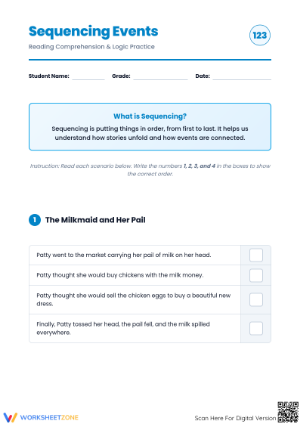
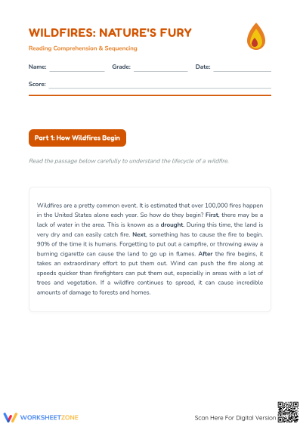
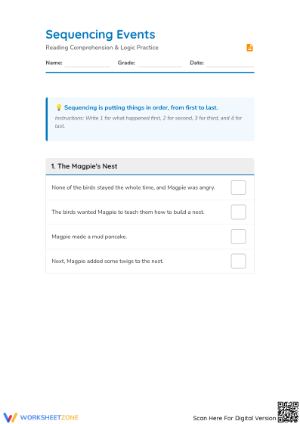
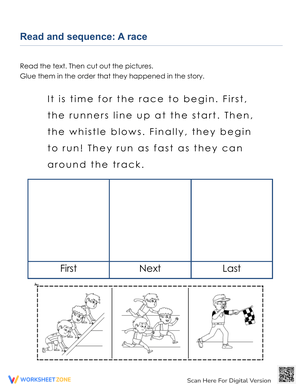
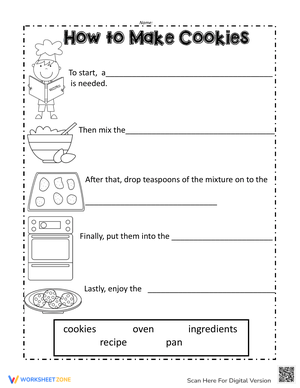
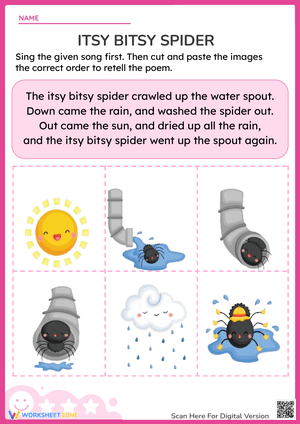
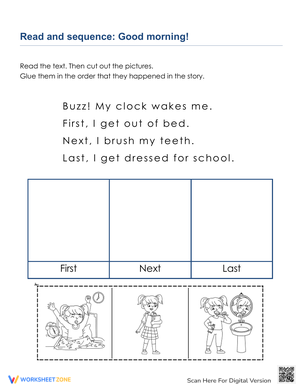
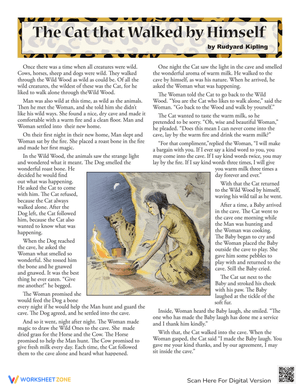
These sequencing events worksheets for 3rd grade give students focused, text-based practice ordering events from short fiction and informational passages — without picture cues to lean on. Each worksheet pairs a reading selection with an ordering task and a brief written response, so teachers have a complete practice piece ready for independent work, small-group intervention, or a literacy center rotation. No extra materials, no setup beyond printing.
The Specific Skills Each Worksheet Targets
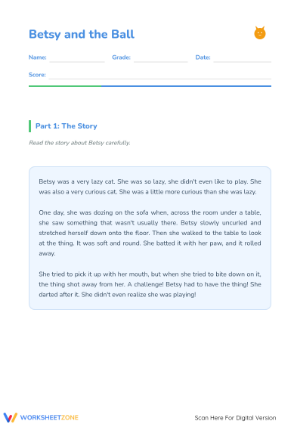
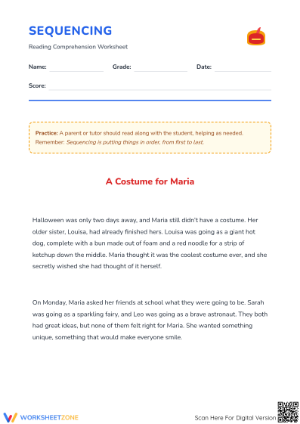
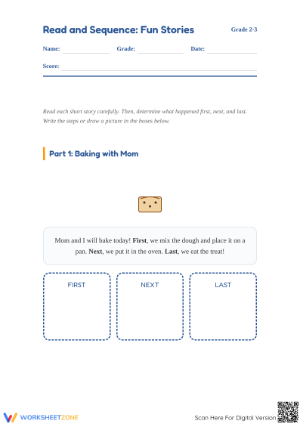
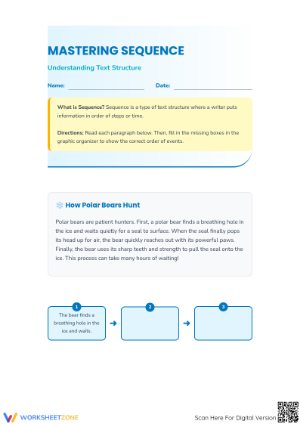
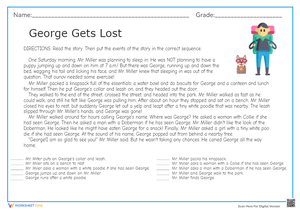
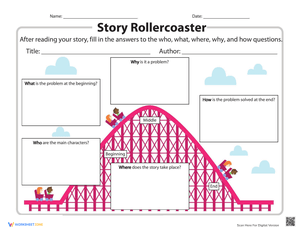
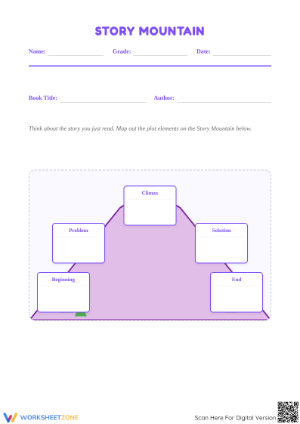
At this grade level, the skill moves well past labeling pictures. Students read a short passage — typically a paragraph to a half-page story or process piece — and do something meaningful with what they have read: number events in order, arrange sentence strips, or fill in a beginning-middle-end organizer. That shift from visual sorting to text-based ordering is exactly where third graders should be working.
- Identifying signal words in context: Students mark transition words like first, after, then, and finally as they read, using them as anchors before attempting to order events.
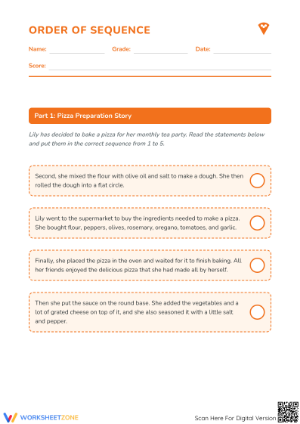
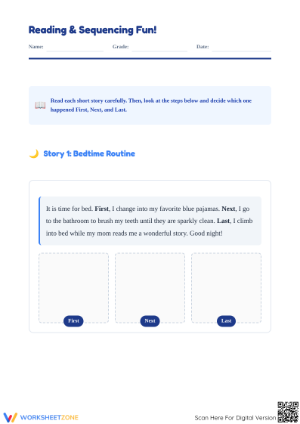
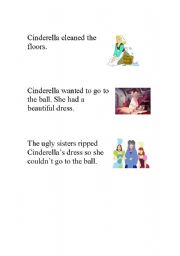
- Ordering text-based events: Depending on the worksheet, students number a list of events, sequence cut-apart strips, or rank four to six statements pulled directly from the passage.
- Working across text types: The set includes both narrative and informational passages — plot events in fiction, procedural steps in nonfiction — so students build sequence awareness across genres.
- Writing a brief retell: Most worksheets close with a one- or two-sentence written response asking students to explain what happened in order, converting a sorting activity into a comprehension check.
That last piece matters more than it might appear at first. Students who arrange events correctly on a worksheet sometimes cannot explain why one event precedes another. The written response surfaces that gap before it shows up on a reading assessment.
Student Mistakes Worth Watching For and Addressing
The most common error is not about the first and last event — students almost always get those right. The trouble lands in the middle. When a passage has four or five events and two of them happen in close succession, students regularly swap them. A student might correctly place "the storm started" as event one and "the family went inside" as the final event, then reverse the middle two steps because she relied on what felt logical rather than rereading the text. The fix is teaching students to locate the sentence in the passage for each event, rather than reconstructing order from memory.
A second pattern: students ignore transition words entirely on the first read, then struggle to order events afterward. When asked, they report they "didn't notice" next or after that in the passage. Spending two minutes before the worksheet asking students to circle every sequence word they find trains the habit and significantly improves accuracy on the ordering task that follows.
Informational sequence worksheets expose a third issue — students conflate sequence with importance. They rank a detail as "first" because it seems most significant, not because it appeared first in the text. This is especially common when a passage covers a process with a dramatic step midway through. Asking students to underline the specific sentence in the text that matches each event forces them back to text order and away from their own judgment about what matters most.
Fitting These Worksheets Into Your Reading Block
The most reliable placement is during independent practice after a whole-group sequencing lesson. Model the process explicitly — read the passage aloud, underline signal words, and think aloud about which event the author introduces first versus which feels most dramatic — then send students to their seats with a worksheet to apply the same thinking on new text. That gradual release moment is when these worksheets earn their keep.
For literacy centers, choose the shorter formatting options: a passage with four ordered events or a cut-and-paste strip task. Most students finish in ten to twelve minutes, which fits a standard rotation. For small-group intervention, shorten the passage further and spend the session asking students to explain their choices aloud rather than just marking answers — oral explanation reveals comprehension that written output sometimes hides.
One move that consistently adds value: after students finish independently, pair them up and ask one partner to retell the passage using only the numbered events as a reference. This takes about five minutes and turns a paper task into oral language practice. Teachers moving through the room during that partner retell immediately hear who tracked the sequence and who is reconstructing from partial memory.
Standard Alignment
These worksheets address CCSS.ELA-LITERACY.RL.3.3, which asks students to describe characters and explain how their actions contribute to the sequence of events, and CCSS.ELA-LITERACY.RI.3.3, which covers describing relationships between events, concepts, and steps in historical, scientific, or technical text. Both standards appear in Grade 3 benchmark assessments and in district curriculum maps across most states that use Common Core or Common Core-aligned frameworks.
In classroom terms, RL.3.3 typically receives direct instruction during the narrative fiction unit in the fall semester, while RI.3.3 becomes the sequencing focus during content-area reading in winter and spring. Having sequencing events worksheets for 3rd grade that cover both text types means teachers pull from the same resource bank across the full school year rather than searching for nonfiction-specific materials in January.
Adjusting the Worksheets Across Ability Levels
For students still building decoding fluency, reduce the passage length and pre-highlight the transition words before distributing the worksheet. Removing the word-finding work lets those students concentrate on the ordering task itself — which is the grade-level skill — without getting derailed by vocabulary or reading rate. Some teachers read the passage aloud to this group before releasing them to work independently.
On-level students can work with the worksheet as printed. Asking them to write a sentence explaining why one event precedes another — not just which comes first, but what evidence in the text supports that order — pushes comprehension deeper without changing the format.
For students ready for more challenge, nonfiction process passages work well. Add a step: ask those students to identify any event in the list that could be removed without changing the logical order of the remaining events. This forces close reading and analytical thinking well beyond basic sequencing, and it produces strong discussion when the class debriefs. The sequencing events worksheets for 3rd grade in this set include nonfiction options that support exactly that kind of extension.
Frequently Asked Questions
Do these worksheets work with both fiction and nonfiction texts?
Yes. The set includes narrative passages focused on plot events and informational passages that ask students to order steps or stages in a process. Using both types during the same unit helps students see that sequencing is a reading strategy, not just a story skill.
How many events should a Grade 3 sequencing task include?
Four to six events is the practical range for most third graders. Fewer than four and the task offers little real practice; more than six and students spend more energy managing the list than reading closely. The worksheets in this set stay within that range, with challenge level varying across the collection.
Can these be used as a formative assessment?
They function well as a quick formative check when paired with the written response prompt. The ordering task alone tells a teacher whether a student can sequence correctly; the written retell or explanation tells a teacher whether the student understood the passage well enough to sequence it meaningfully. The sequencing events worksheets for 3rd grade in this set include that written component on most worksheets, which gives a more accurate picture than the sorting activity alone.
Can these be sent home for homework?
These work well for homework because the format is self-explanatory: read, order, write. Students who have practiced sequencing in class complete the task without additional instruction. For families unfamiliar with the format, a brief note explaining the task — consider writing two sentences at the top of the worksheet — prevents the returned homework that says "I didn't know what to do."












 Interactive Worksheet Maker
 Quiz Maker
 Word Search Maker
 Crossword Puzzle Maker
 Word Scramble Generator
 Sentence Scramble Generator
 Handwriting Worksheet Generator
 Name Tracing Generator
 Fill In The Blank Generator