




















In a world dominated by keyboards and touchscreens, the art of cursive handwriting might seem like a relic of the past. Yet, this elegant and fluid writing style, where letters gracefully connect to form words, continues to hold value and relevance. Cursive handwriting, also known as joined-up writing or script handwriting, offers a range of benefits that extend beyond mere penmanship. This comprehensive guide delves into the world of cursive, exploring its history, techniques, and advantages, while providing practical tips to help you master this timeless art.
Understanding Cursive Handwriting
Cursive handwriting is a style that features connected letters, promoting a more fluid and efficient writing process. In cursive, letters are linked in a seamless manner, which not only enhances visual appeal but also allows for quicker writing compared to print writing, where each letter stands alone.

Key Features of Cursive Handwriting
- Flowing Strokes: Cursive handwriting is characterized by continuous strokes that link letters within words, reducing the need to lift the pen or pencil between characters. This fluid style enables faster writing.
- Rounded Shapes: The letters in cursive often have rounded forms, adding to its elegant look. This style can differ widely across various languages and cultures.
- Historical Context: Cursive handwriting boasts a rich history, tracing back to ancient scripts. For instance, hieratic script in ancient Egypt and cursive versions of Chinese script highlight the long tradition of connected writing.
- Modern Variants: Today, cursive handwriting is commonly associated with languages that use the Latin alphabet, including English, Spanish, and French. Over time, different styles have emerged, such as Carolingian minuscule and Spencerian penmanship.
Benefits of Learning Cursive Handwriting
While the relevance of cursive handwriting in a technology-driven world might be questioned, its benefits extend far beyond mere aesthetics. Here’s why learning cursive remains a valuable endeavor:
1. Improved Motor Skills
Cursive handwriting is far more than just a means of communication, it involves continuous motion and the coordination of fine motor skills. As students practice connecting letters, they refine their hand movements, which enhances their overall dexterity. This skill development is particularly beneficial for young learners, helping them build a strong foundation for other tasks that require precision, like drawing or playing musical instruments.
2. Faster Writing
While typing might seem like the fastest option, cursive handwriting, with consistent practice, can actually surpass typing in terms of speed and efficiency. The connected letters reduce the number of times a writer has to lift the pen, allowing for a smoother and quicker writing experience.
The continuous flow of cursive allows for quicker note-taking and more efficient exam writing, making it an invaluable skill for students.
Imagine being able to jot down notes effortlessly during a lecture or complete an essay with greater speed and fluidity. Cursive handwriting empowers you to keep pace with your thoughts and ideas, ensuring that no brilliant spark is lost due to the limitations of typing.
3. Enhanced Focus and Concentration
Writing in cursive demands a greater level of concentration compared to print writing, which can enhance attention span and mindfulness. The need to maintain flow and connection between letters can help sharpen focus, making it easier for students to engage with the material they are writing. This heightened concentration can lead to better comprehension and retention of information.
4. Personal Expression
In a world of standardized fonts and impersonal digital communication, cursive handwriting offers a unique opportunity for personal expression. Each person’s cursive style is as unique as their fingerprint, reflecting their individuality and adding a touch of personal flair to their written communication.
Cursive handwriting allows you to infuse your personality into your writing, making it more than just words on a page; it becomes an extension of yourself. Whether it’s a handwritten letter, a journal entry, or a simple note, cursive handwriting adds a touch of warmth, authenticity, and personal connection that digital communication often lacks.
5. Cultural and Historical Awareness
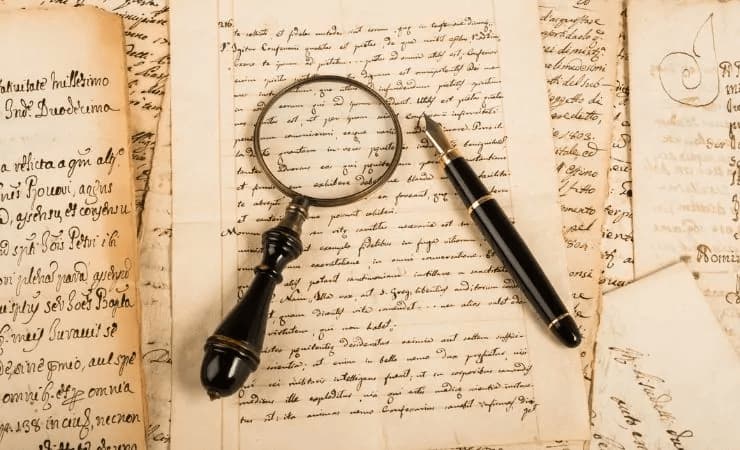
Cursive handwriting also serves as a bridge to the past, learning cursive connects individuals to historical contexts and cultural heritage. Many classic texts and historical documents were written in cursive, and understanding this form of writing can deepen appreciation for literature and history. It also allows modern readers to engage with primary sources in their original form, fostering a greater understanding of our shared past.
6. Increased Confidence
Mastering cursive handwriting can significantly boost self-confidence. As individuals refine their skills and develop their unique style, they often take pride in their writing. This sense of accomplishment can translate into other areas of life, encouraging a growth mindset and willingness to tackle new challenges.
Step-by-Step Guide to Cursive Handwriting
Phase 1: Building the Foundation – Strokes and Forms
1. Understanding Basic Strokes
Before diving into letters, it’s essential to get a grasp on the foundational strokes that form the basis of cursive handwriting.
- Practice Ascending and Descending Lines: Begin with practicing straight lines that go up (ascending) and down (descending). This exercise builds control and confidence in your hand movements.
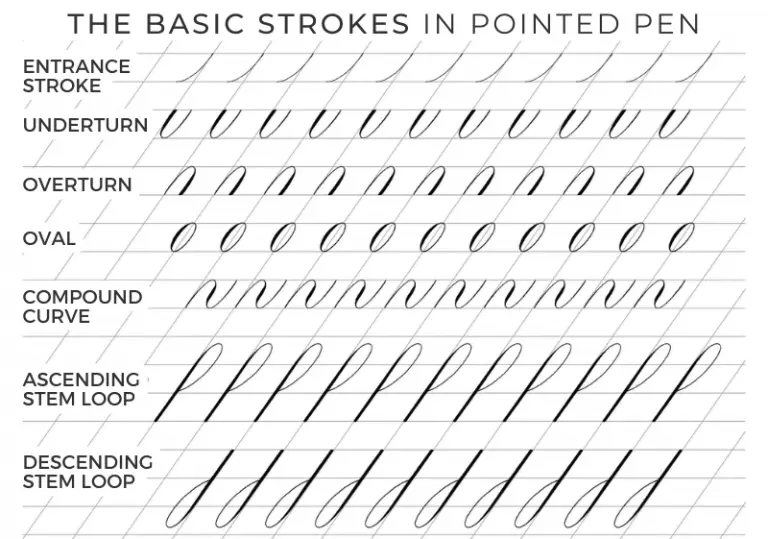
- Curved Strokes: Next, focus on creating smooth curves, such as circles and loops.
- Tip: Practice drawing “c” shapes and reverse “c” shapes, focusing on smooth, continuous movements.
- Connecting Techniques: Understand how to connect different strokes together, creating seamless transitions between lines and curves. This fluid movement is crucial for effective cursive writing.
- Develop Consistent Slant: Aim for a consistent slant throughout your letters. Most cursive writing has a slight rightward tilt, so practice tilting your letters consistently.
2. Lowercase Letters
Once you feel comfortable with basic strokes, it’s time to tackle lowercase letters.
- Start with Simple Letters (i, u, w): Begin with easy letters that have minimal strokes, focus on mastering the individual letter formations and connecting strokes.
- Progress to Loop Letters (l, e, h): Move on to letters that incorporate loops and curves, paying attention to their shape and how they connect to other strokes.
- Practice Similar-Form Groups: Group similar letters together for practice (e.g., b, d, p, q) to reinforce muscle memory for their specific shapes.
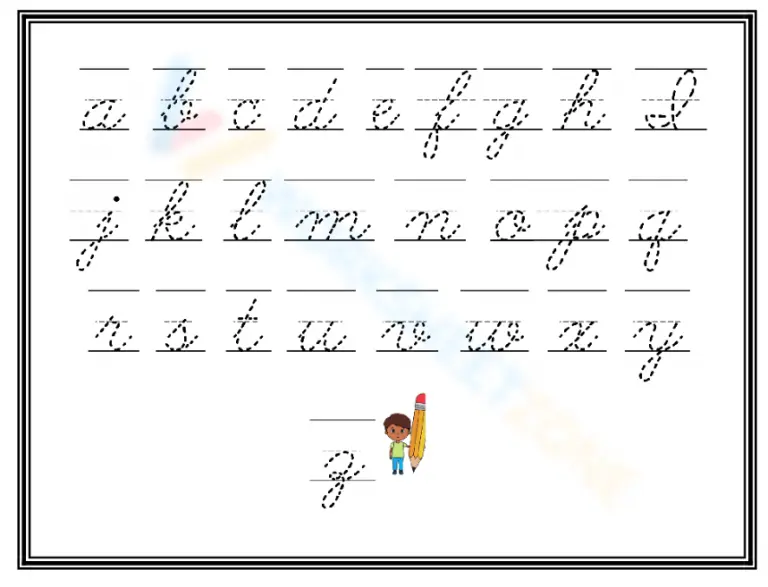
- Use Cursive Handwriting Sheets for Guidance: Cursive handwriting sheets provide outlines for tracing, helping you understand the proper letter formation.
3. Uppercase Letters
- Begin with Basic Capital Forms: Start with straightforward uppercase letters (e.g., A, C, E) to build your confidence.
- Practice Formal Styles: Focus on writing uppercase letter staples, which are typically used in more traditional or elegant writing.
- Tip: Find examples of formal cursive scripts online or in calligraphy books to use as visual guides.
- Learn Casual Variations: Explore casual uppercase letters variations, which are often used in everyday writing or informal notes.
- Connecting to Lowercase Letters: Practice how uppercase letters connect with lowercase letters, ensuring a smooth transition and consistent slant.

Phase 2: Connecting Letters and Developing Flow
The true art of cursive writing emerges when connecting letters smoothly. Once you’re familiar with individual letters, the next step is learning how to connect them. This can be tricky at first, but with consistent practice, you’ll develop the fluidity necessary for smooth connections. Here are some tips for successful letter connections:
- Focus on smooth transitions: Practice joining two or three letters at a time to maintain the flow.
- Keep a consistent slant: Maintaining consistent slant is crucial for aesthetic appeal. Using slant lines on practice paper can help develop this consistency.
- Keep spacing: Pay attention to the spacing between letters and words. Cursive writing should not be cramped; it should flow with enough space for readability.
Practice these connections gradually, starting with simple words and progressing to longer combinations. Pay attention to the rhythm of your writing, cursive should flow smoothly, without jerky movements or hesitations between letters.
Phase 3: Advanced Cursive Handwriting Practice
This final phase focuses on refining your cursive handwriting and developing your personal style.
1. Sentence Writing
As you advance, start crafting complete sentences.
- Begin with Simple Sentences: Write sentences in cursive using previously practiced words, focusing on clarity and neatness.
Tip: Use sentence strips or sentence tracing worksheets to practice your cursive handwriting.
- Increase Complexity Gradually: As you gain confidence, gradually increase the complexity of the sentences you write, incorporating different grammatical structures and punctuation marks.

- Practice Maintaining Consistency: Ensure that size, slant, and spacing remain consistent for a polished look.
- Focus on Spacing and Flow: Continue refining your attention to spacing while maintaining a smooth writing flow.
2. Paragraph Development
Expand your skills further by writing longer texts.
- Write Short Paragraphs: Practice writing short paragraphs on different topics to enhance your fluency in longer texts.
- Tip: Choose a topic from Paragraph Worksheets that interests you and practice writing and expressing your thoughts clearly and concisely.
- Practice Different Writing Speeds: Experiment with writing at various speeds (slow for neatness and quick for fluency) to maintain legibility while still being efficient.
- Develop Personal Style: As you become proficient, start adding personal touches, such as flourishes, while keeping readability in mind.

Cursive Handwriting Resources for Effective Practice
To support your journey in mastering cursive handwriting, explore valuable resources for different learning styles:
- Cursive Tracing Worksheets: Cursive handwriting worksheets are invaluable for beginners. These structured resources offer step-by-step practice, starting with individual letters and progressing to letter joins, words, sentences, and even paragraphs. Many worksheets include traceable letters and slanted guidelines, providing a framework for developing proper letter formation and spacing.
- Example: The “Cursive Letters Chart for Handwriting Practice Worksheets” immerses you in the beauty of the modern calligraphy alphabet, allowing you to practice graceful letterforms while honing your cursive handwriting skills.
- Cursive Handwriting Sheets: Once you’ve grasped the basics, cursive handwriting sheets offer the freedom to explore your own style. These sheets offer blank spaces with slanted guidelines to practice writing words, sentences, and paragraphs in cursive. They allow you to focus on developing your own style and flow.
- Example: “Winter Handwriting Paragraph – The Moon Worksheets” that beautifully combines cursive practice with enchanting Winter-themed paragraphs, making learning a joyful experience for younger students.
- Cursive Handwriting Practice Books: For a more in-depth learning experience, cursive handwriting practice books are your go-to guides. These books provide comprehensive guidance and exercises for learning cursive handwriting. They often include step-by-step instructions, practice activities, and tips for improving your technique.
- Interactive Handwriting Practice: Explore online tutorials and apps that offer engaging lessons and practice activities. Practice writing online on tablets or iPads for a fun and interactive learning experience. Consider resources like the online writing lab for additional support.
Frequently Asked Questions
1. When should children start learning cursive handwriting?
Children typically begin their cursive handwriting journey around the age of 7 or 8. By this age, they’ve usually developed the fine motor skills and hand-eye coordination needed to from letters and connect them smoothly. However, every child develops at their own pace, so some may be ready earlier or later.
2. Is cursive handwriting still taught in schools?
Yes, cursive handwriting is still taught in many schools, though its presence in curricula varies. Some schools have integrated cursive handwriting into their language arts programs, recognizing its cognitive and practical benefits. Others may offer it as an elective or provide opportunities for practice through dedicated activities or clubs.
3. Where can I find resources to help me teach cursive handwriting?
Numerous resources are available, including cursive handwriting worksheets, practice books, and online tutorials designed to enhance your cursive writing journey.
Final Thoughts
Cursive handwriting, though sometimes viewed as a fading art, remains an invaluable skill with numerous benefits. It enhances fine motor skills, stimulates brain activity, and provides a faster, more expressive way to write. By dedicating time and effort to cursive handwriting practice, you can master this timeless art and reap its advantages in various aspects of your life.
Ready to embark on your cursive handwriting adventure? Visit our Worksheetzone for a wide range of free printable cursive handwriting worksheets and resources. Whether you’re a student looking to enhance your skills or a teacher seeking effective teaching tools, our materials can help you master this beautiful and valuable skill!


