What Printable Cursive Bubble Letters Are (and Why Teachers Reach for Them)
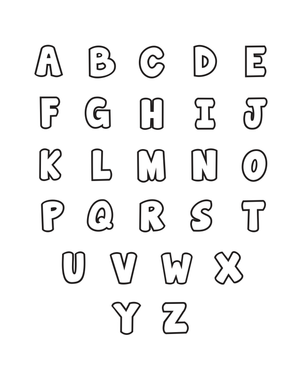
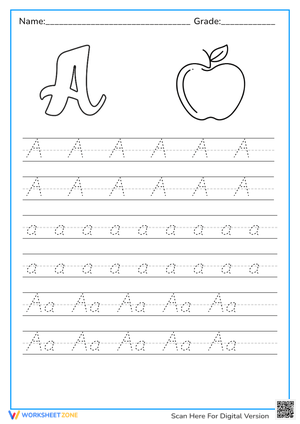
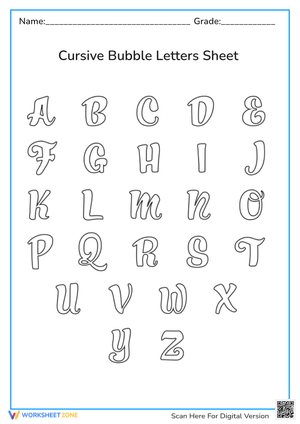
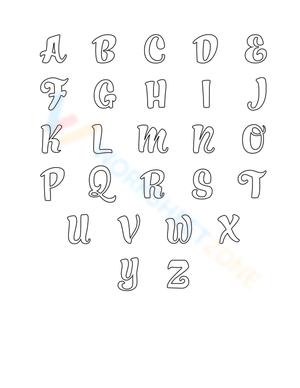
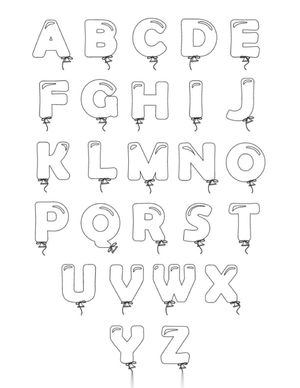
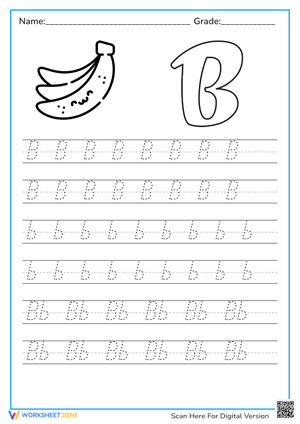
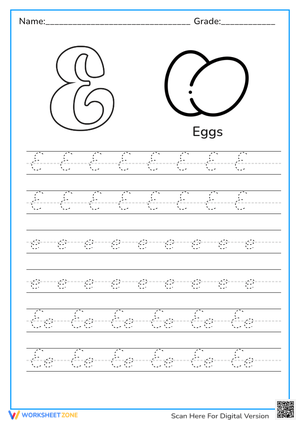
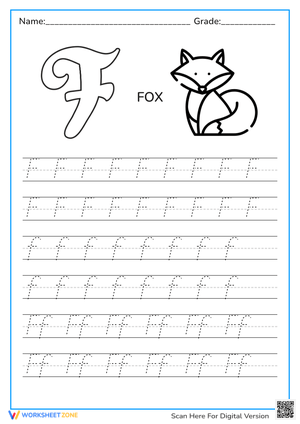
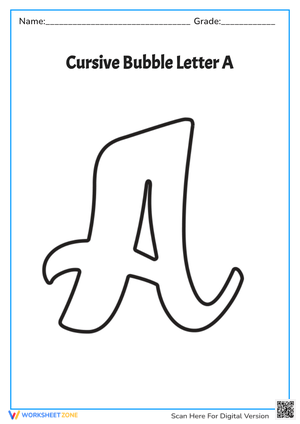
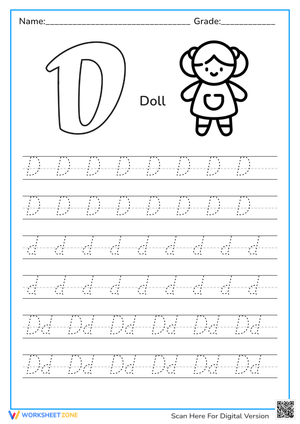
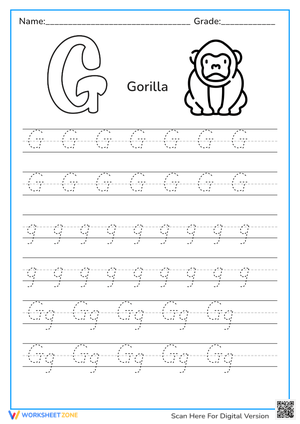
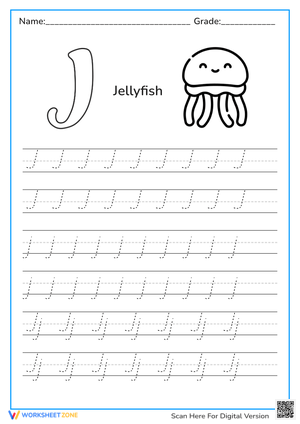
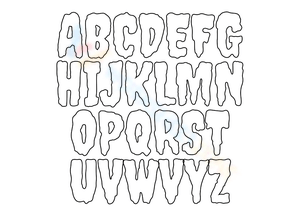
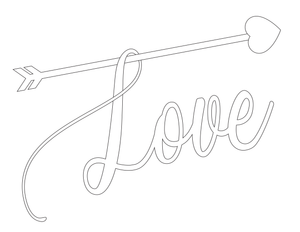
Printable cursive bubble letters take the connected, looping strokes of cursive script and enlarge them into rounded, hollow outlines that students can trace, color, and decorate. Instead of asking a young writer to control a thin pencil line on a narrow ruled sheet right away, a bubble letter gives them a wide, forgiving shape to fill in. That difference matters more than it looks. A student who is still building pencil grip and hand strength can succeed with a bubble outline long before they can produce a clean, evenly sloped cursive line. For classroom teachers, printable cursive bubble letters double as a low-pressure entry point into cursive instruction and as a flexible resource for name tags, word walls, and bulletin board displays that reinforce the same letter shapes students are learning to write.
Best Grade Levels and Ages for Cursive Bubble Letter Practice
Cursive bubble letters are best matched to children roughly ages 5 to 9, a window when fine motor control is still developing and curiosity about letter shapes runs high. In practice, that spans kindergarten readiness activities through second and third grade cursive introduction. Younger students benefit from the large surface area and clear stroke direction cues; older students in the same age band can use bubble letters as a quick warm-up before moving into lined cursive practice sheets. Because the format does not demand precise line placement, it also works well as a review tool for slightly older students who need extra repetition with letter formation without the frustration of another worksheet that looks identical to one they have already struggled through.
How Bubble Letters Build Pre-Cursive Fine Motor Skills
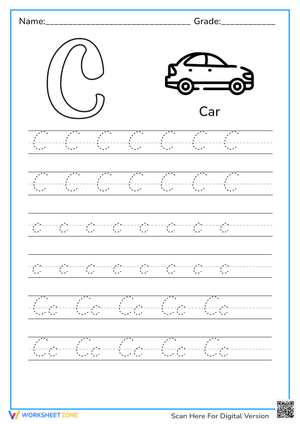
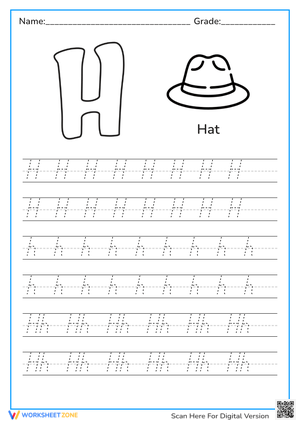
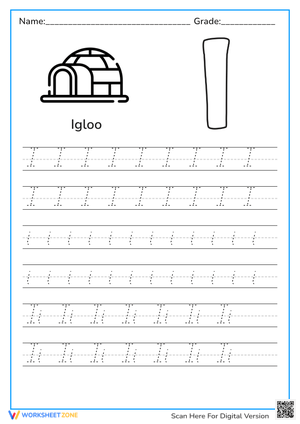
Tracing and coloring a bubble letter asks a student to control a crayon or marker within a boundary, follow a curved path, and manage pressure so the color stays inside the lines. Those are the same physical skills required for smooth cursive strokes, just practiced at a larger, more forgiving scale. Students who color bubble letters are also looking closely at where each letter starts, where it loops, and where it connects to the next letter, which builds visual memory for letter proportion before they ever pick up a pencil for lined practice.
The instructional value here is sequencing, not novelty. When a student internalizes a letter's proportions and stroke flow through a large-format tracing task first, the later transition to a narrow practice line requires less conscious effort, freeing attention for spacing, slant consistency, and connecting strokes between letters rather than relearning the letter's shape from scratch.
Classroom Implementation
Printable cursive bubble letters work across several classroom routines, not just handwriting block. Consider these applications:
- Morning work or literacy center task: students trace and color one bubble letter per day as a warm-up before independent reading or writing time.
- Small-group intervention: use bubble letters for students who need extra repetition with specific letter shapes they consistently reverse or malform in lined cursive practice.
- Classroom decor with instructional value: bubble letters colored by students can build a word wall, name display, or bulletin board that keeps letter shapes visible throughout the day.
- Transition activity: a five-minute bubble letter trace can settle a class after recess while still reinforcing handwriting goals.
- Cross-subject tie-in: pair a vocabulary word's bubble-letter version with a spelling or content-area unit so the letter practice reinforces academic vocabulary.
Because bubble letter sheets require no special materials beyond crayons or markers, they are easy to keep on hand as a substitute-plan activity or an early-finisher option, which reduces prep burden on already busy teaching days.
Frequently Asked Questions
1. What age or grade level is best for introducing cursive bubble letters?
Cursive bubble letters work best for children roughly ages 5 to 9, spanning kindergarten readiness work through early cursive instruction in second and third grade, with older students using them selectively for review.
2. How do cursive bubble letters help students who struggle with standard cursive practice?
The large, forgiving outline format lets students focus on stroke direction and letter proportion without the added challenge of staying on a narrow practice line, which reduces frustration for students still building fine motor control.
3. How much daily practice time should teachers allot for cursive handwriting?
Research cited by the Iowa Reading Research Center points to at least 15 minutes of daily handwriting practice for measurable gains in writing, motor, and reading comprehension skills, a timeframe that fits easily into a morning routine or literacy center.
4. Can cursive bubble letters be used for classroom decor as well as instruction?
Yes. Many teachers use colored bubble letters for name tags, word walls, and bulletin board displays, which keeps letter shapes visible to students throughout the day while doubling as a low-stakes instructional task.
5. How do cursive bubble letters fit into a broader cursive handwriting curriculum sequence?
They typically serve as an early bridge activity before lined cursive practice, helping students internalize letter shape and stroke flow at a large scale before narrowing to standard practice lines as cursive instruction becomes more formal.