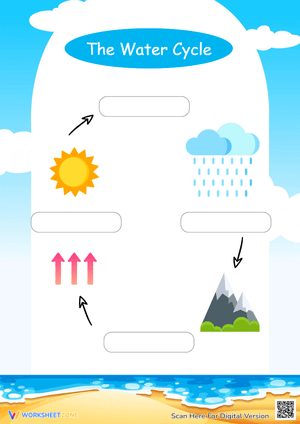
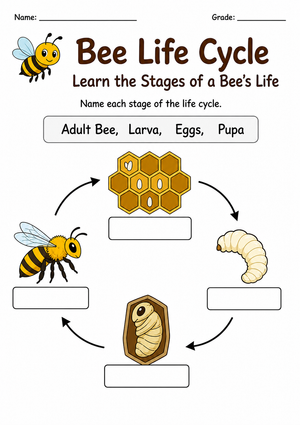
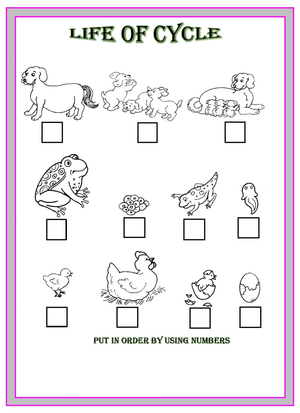
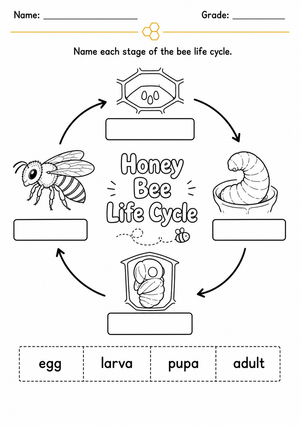
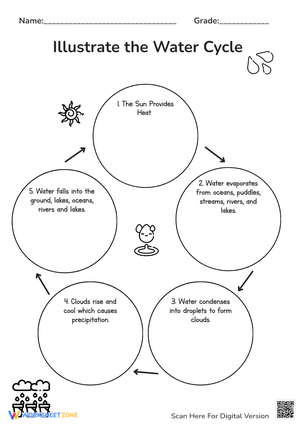
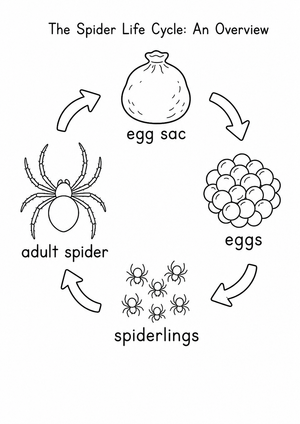
If you searched for animals life cycle worksheets, you are probably planning a life science unit where students need to show that different organisms grow and change in different ways. Third grade classrooms across the US use these worksheets to give students a hands-on way to model something abstract: the idea that every living thing, no matter how different it looks, moves through the same broad stages of life.
These worksheets typically ask students to sequence, label, or compare stages such as egg, young, and adult across species like frogs, butterflies, chickens, and mammals. That structure makes them useful for whole-class instruction, small-group intervention, and quick formative checks alike.
How These Worksheets Support the NGSS 3-LS1-1 Modeling Practice
NGSS performance expectation 3-LS1-1 requires third graders to develop models describing that organisms have unique and diverse life cycles, but that all of those cycles share four common stages: birth, growth, reproduction, and death. This standard sits under the disciplinary core idea LS1.B, Growth and Development of Organisms, which emphasizes that reproduction is essential to the continued existence of every organism.
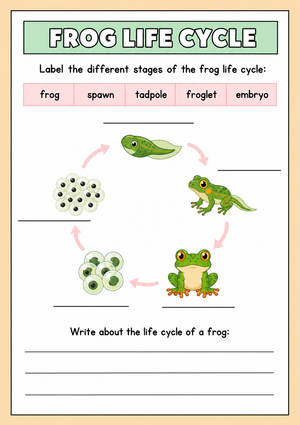
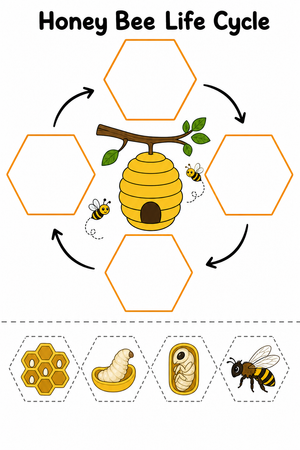
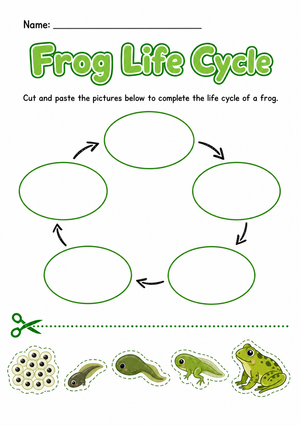
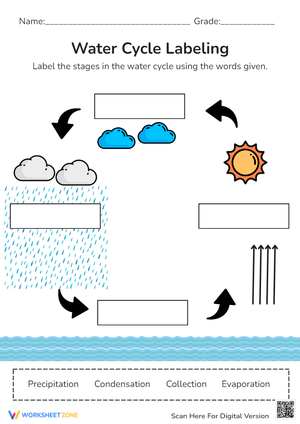
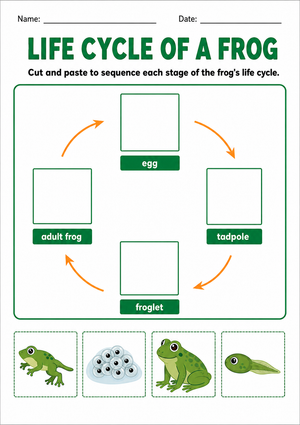
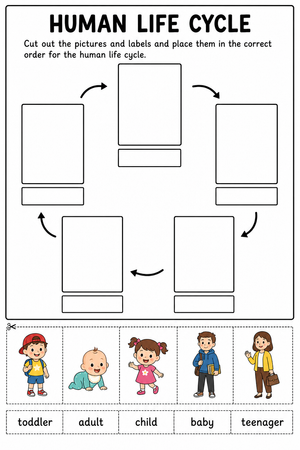
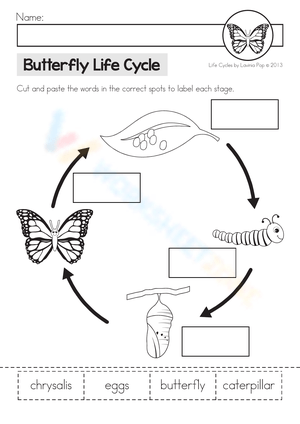
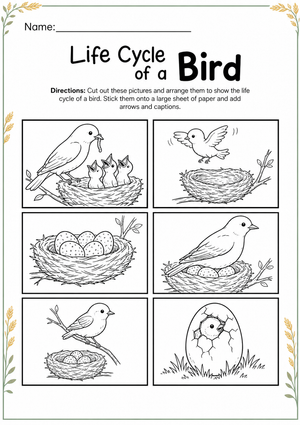
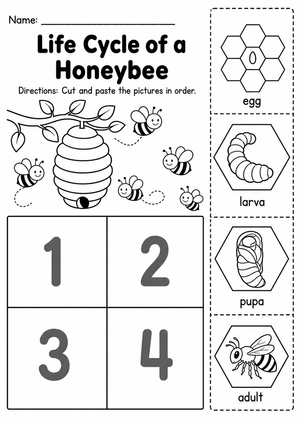
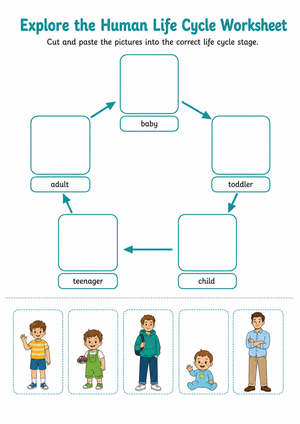
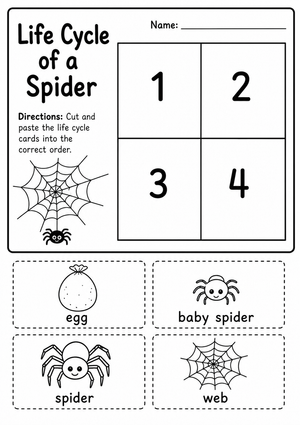
Because the standard names a specific science practice, developing and using models, worksheet formats matter. A sequencing diagram where students place stage cards in order, or a labeling sheet where they identify each phase of a butterfly or chicken life cycle, is not just busywork. It is a direct, low-prep way to give students practice with the exact practice named in the standard, while producing a concrete artifact you can check for understanding.
Choosing Animals That Make the Shared Stages Visible
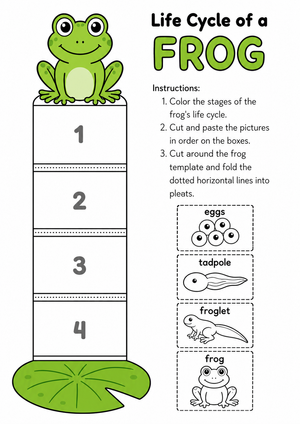
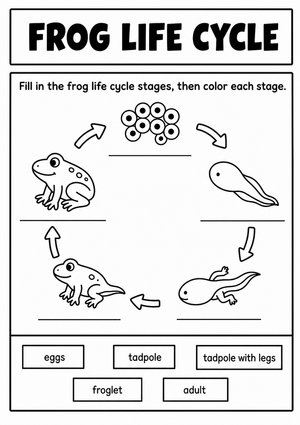
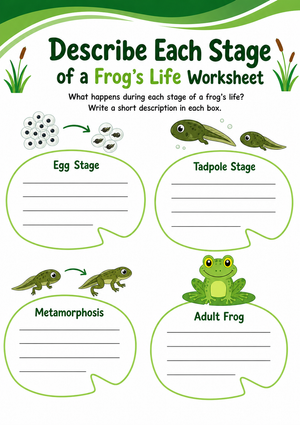
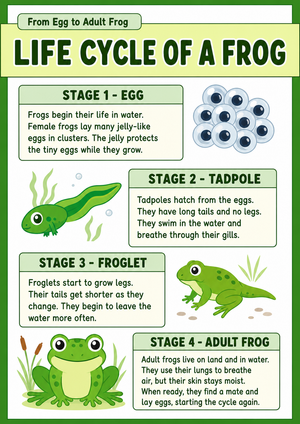
Not every animal makes a good worksheet subject for this unit. Metamorphic animals like frogs and butterflies are the most common choices because their stages are visually distinct: egg, larva or tadpole, pupa or froglet, and adult. Students do not need prior vocabulary to notice that a caterpillar looks nothing like a butterfly, which makes those worksheets a strong entry point for students who are still building academic language around growth and reproduction.
Once students can identify the four shared stages in a metamorphic animal, worksheets featuring chickens or mammals extend the concept. These animals still move through birth, growth, reproduction, and death, but without the dramatic body changes of metamorphosis, which helps students separate the idea of shared life stages from the idea of physical transformation.
Classroom Implementation
A practical sequence for a two-week life science unit might start with a single metamorphic animal, then move to comparison, then close with independent application. In week one, introduce the four shared stages using a butterfly life cycle worksheet, since the visual transformation makes the concept concrete. Follow with a labeling worksheet for the same animal to check retention.
In week two, introduce a second animal, such as a chicken or frog, and use a side-by-side worksheet or comparison chart to highlight both the similarities and differences. Close the unit with an independent task where students choose an animal, either from a worksheet bank or their own research, and create a labeled diagram showing all four life stages. Keep completed worksheets in a science journal or folder so students can revisit their models later in the year when other life science standards build on this foundation.
If you are running this unit alongside a related classroom activity, such as raising mealworms or observing chicken eggs in an incubator, pair the observation journal with a matching worksheet so students connect the live experience to the academic vocabulary and stage sequence.
Frequently Asked Questions
1. What grade level are animals life cycle worksheets designed for?
Most animals life cycle worksheets target grade 2-3 elementary science, aligning with the NGSS 3-LS1-1 performance expectation on animal life cycles, though many are flexible enough for review in grade 4 or introduction in grade 1.
2. How do these worksheets align with NGSS standards?
They support NGSS 3-LS1-1, which asks students to develop models showing that organisms have unique life cycles that all include birth, growth, reproduction, and death, using the science practice of developing and using models.
3. What animals work best for teaching complete versus incomplete life cycles?
Butterflies are the clearest example of complete metamorphosis with four distinct stages. Frogs show a dramatic but different pattern, while chickens and mammals develop more directly, making all three useful for comparison.
4. How can teachers use these worksheets for formative assessment?
Sequencing and labeling worksheets show immediately whether a student can order the stages correctly, making them effective exit tickets or warm-up checks without requiring extensive writing.
5. How do animal life cycle worksheets fit into a broader life science unit?
They typically serve as the modeling and practice component of a unit built around LS1.B, Growth and Development of Organisms, and pair well with hands-on observation activities like raising butterflies or incubating eggs.