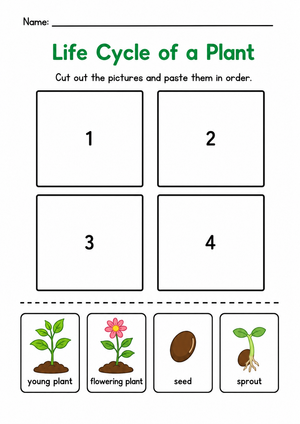
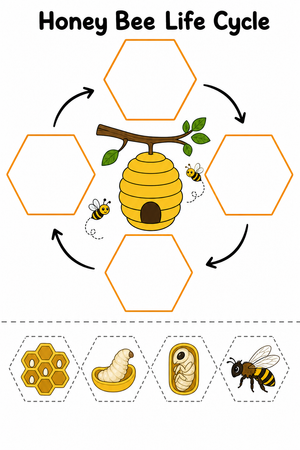
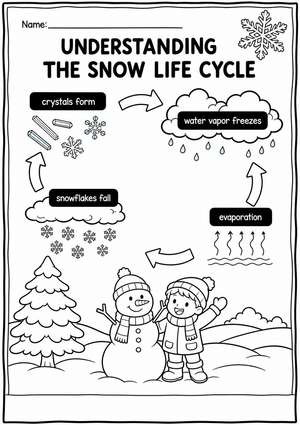
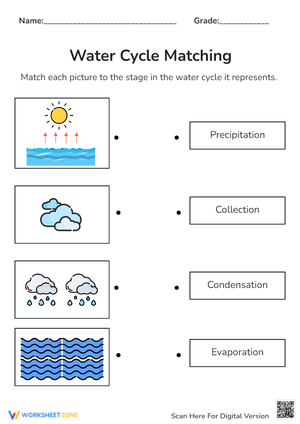
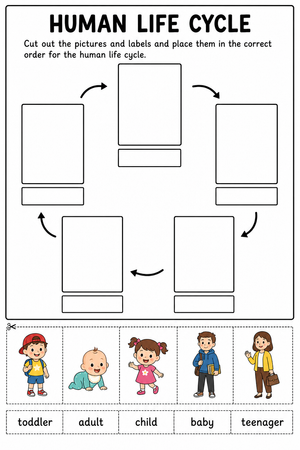
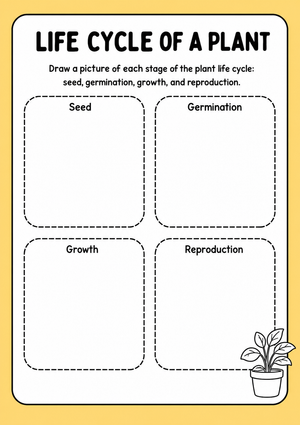
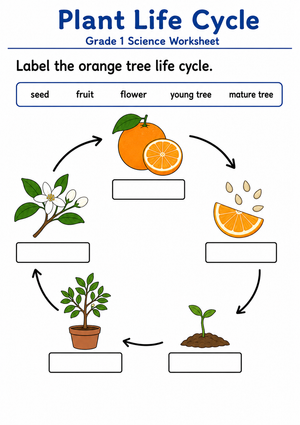
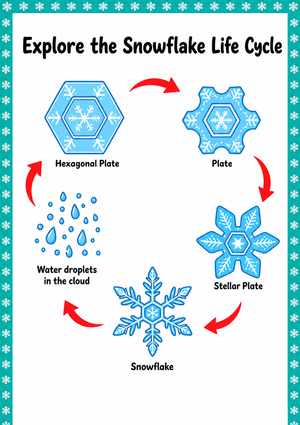
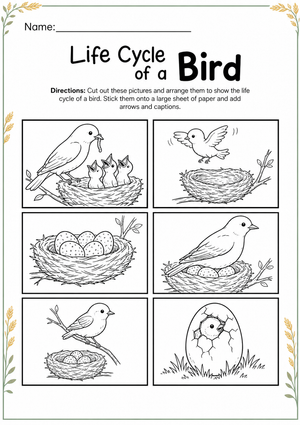
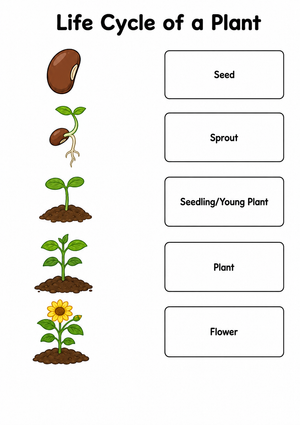
Third grade science instruction centers on NGSS standard 3-LS1-1, which asks students to develop models describing that organisms have unique and diverse life cycles but all share the same broad pattern: birth, growth, reproduction, and death. Life cycle worksheets are a natural fit for this performance expectation because they ask students to do exactly what the standard requires, build and label a model of a sequence rather than just memorize vocabulary.
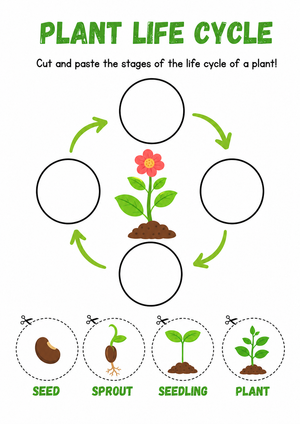
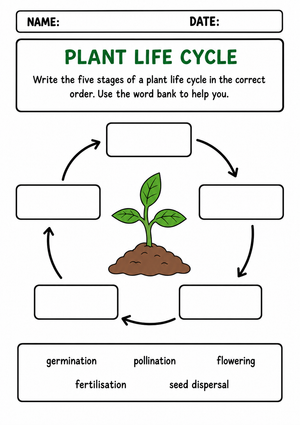
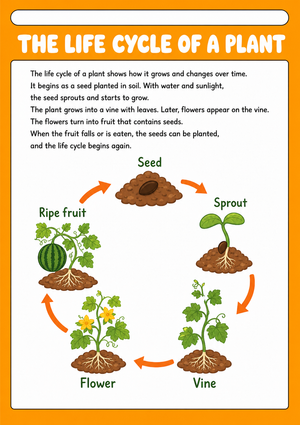
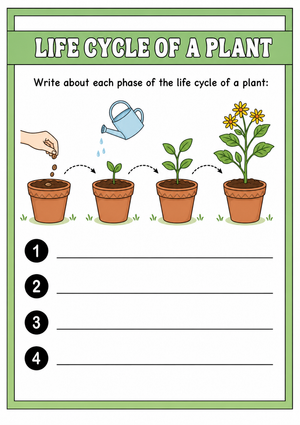
One detail that often gets missed in lesson planning is the assessment boundary attached to 3-LS1-1. The standard limits plant life cycle instruction specifically to flowering plants and explicitly excludes human reproduction details. That means your plant life cycle worksheets should stick to seed, germination, growth, flowering, and fruit or seed production stages rather than branching into broader botany content that falls outside the tested boundary.
Choosing Worksheets by Grade Level
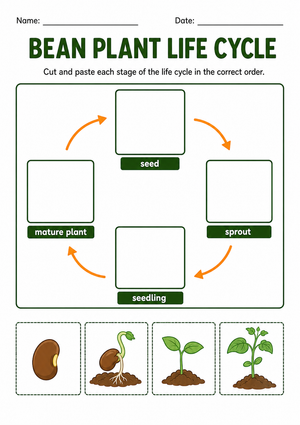
Not every life cycle worksheet belongs in every grade. Second grade NGSS instruction, covered under 2-LS2-1 and 2-LS4-1, focuses on plants and animals in their immediate environment. Life cycle sequencing as a formal concept is not introduced until third grade. If you teach first or second grade, look for simpler picture-sequencing worksheets that ask students to put four or five images in order rather than label a diagram with academic vocabulary.
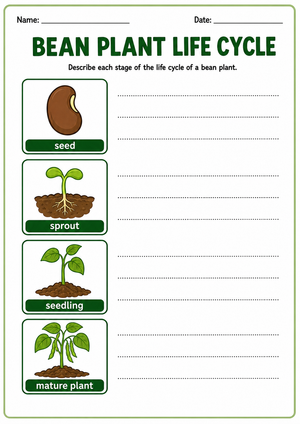
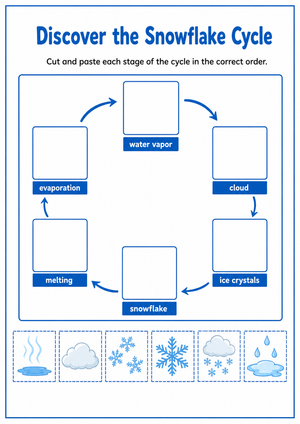
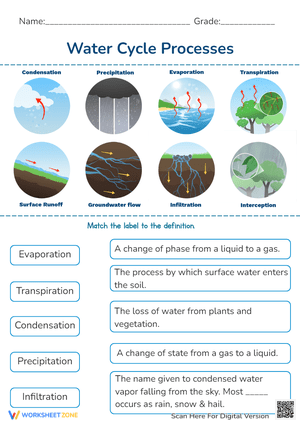
By third and fourth grade, students are ready for worksheets that combine sequencing with labeling. A strong fourth grade worksheet might ask students to draw arrows connecting each stage, write a one-sentence description of what happens at that stage, and identify which stages involve growth versus reproduction. This progression, from simple ordering to labeled modeling, mirrors how the standards themselves build in complexity across grades.
Butterfly and Frog Metamorphosis Worksheets
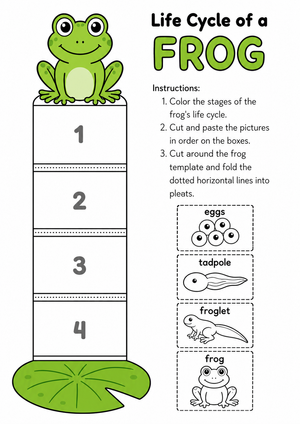
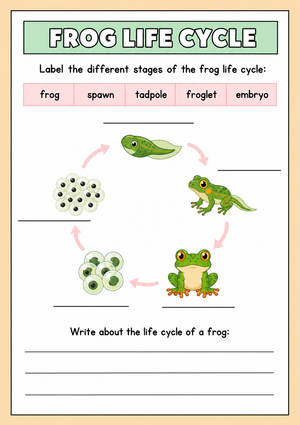
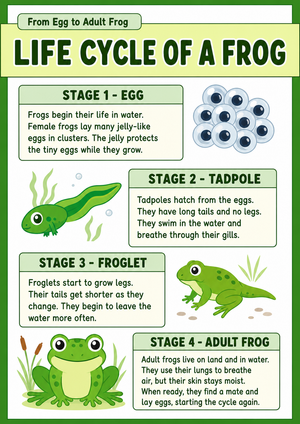
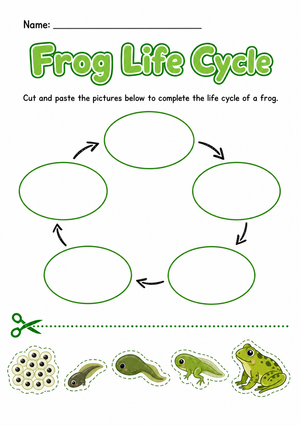
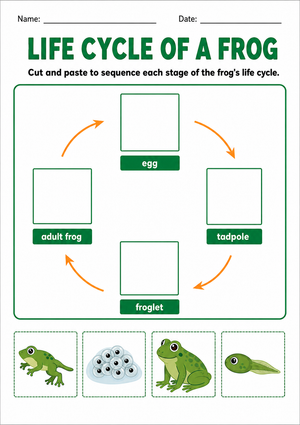
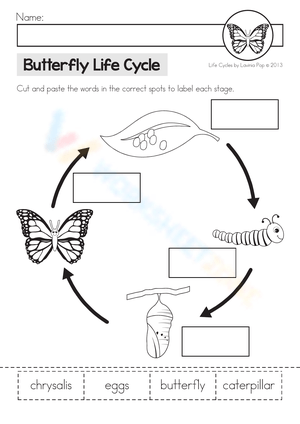
Butterflies, frogs, and mice show up constantly in life cycle units because their young do not resemble their adult forms. That mismatch is the whole teaching point. A caterpillar looks nothing like a butterfly, and a tadpole looks nothing like a frog, which makes metamorphosis worksheets an effective way to challenge the common misconception that offspring always look like miniature versions of their parents.
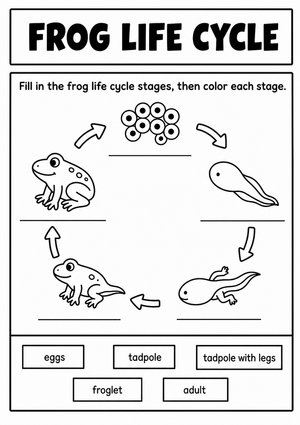
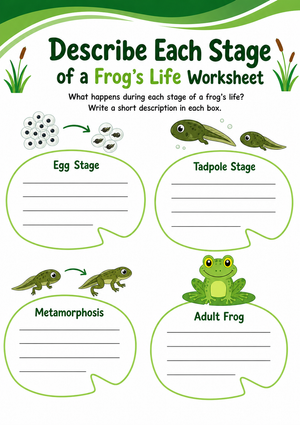
When you select a butterfly life cycle worksheet, check that it includes all four stages: egg, larva (caterpillar), pupa (chrysalis), and adult. Frog worksheets should include egg, tadpole, tadpole with legs, and adult frog. Worksheets that skip an intermediate stage, such as jumping straight from tadpole to frog, can leave students with an incomplete model and make it harder for them to explain the transition when asked to describe it in their own words.
Pairing Worksheets with Hands-On Classroom Activities
Life cycle worksheets work best when they reinforce something students have already experienced firsthand. Many elementary classrooms raise live tadpoles into frogs over several weeks, giving students a real-time reference point for each worksheet stage. Others run plant life cycle relay challenges, where small groups race to arrange seed, sprout, leaf, flower, and fruit models in the correct order before completing a matching worksheet.
If live organisms are not an option in your classroom, photo-based worksheets can substitute for direct observation, though they will not fully replace the retention benefits of watching a real transformation happen over time. Consider pairing a worksheet with a short video clip or a set of dated photos if you cannot maintain a live tadpole tank or plant station.
Using Life Cycle Worksheets for Formative Assessment
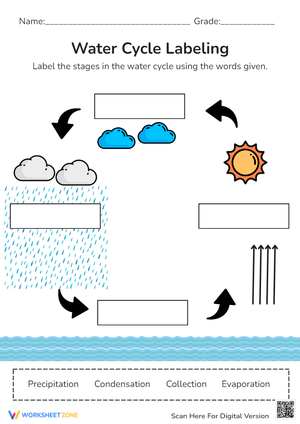
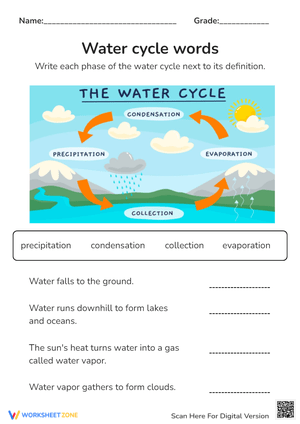
Beyond instruction, life cycle worksheets are useful checkpoints for formative assessment. A quick sequencing worksheet at the start of a lesson tells you whether students already understand basic ordering. A labeled diagram worksheet at the end of the unit tells you whether they can apply vocabulary correctly, such as distinguishing pupa from larva or germination from pollination.
Because these worksheets are short and low-stakes, you can use them multiple times across a unit without taking significant instructional time away from hands-on activities. Comparing a student's early sequencing attempt to their end-of-unit labeled model also gives you a simple way to document growth for report cards or parent conferences.
Classroom Implementation
Plan life cycle worksheets in three stages: an introductory picture-sequencing worksheet before hands-on observation begins, a mid-unit labeling worksheet once students have seen the real organism or a strong visual reference, and a final worksheet that asks students to compare two organisms' life cycles side by side. This sequence keeps the worksheets tied to what students are actually experiencing rather than treating them as a standalone workbook exercise.
For small-group science intervention, pull students who struggled with the mid-unit worksheet and revisit the specific stage they mixed up, whether that is confusing egg and larva or skipping the pupa stage entirely. A five-minute small-group review using a simplified version of the same worksheet is often enough to close that gap before the unit assessment.
Frequently Asked Questions
1. What grade level are life cycle worksheets best suited for?
Life cycle worksheets are most commonly used in grades 1 through 4. Simpler picture-sequencing versions suit grades 1 and 2, while labeled diagram versions that require vocabulary and written explanations suit grades 3 and 4, aligning with when NGSS formally introduces life cycle sequencing.
2. Which organisms are most commonly featured in life cycle worksheets?
Butterflies, frogs, and flowering plants are the most common subjects. Butterflies and frogs are popular because their young look nothing like the adult form, which makes the concept of metamorphosis easy to teach visually.
3. How do life cycle worksheets align with NGSS 3-LS1-1?
NGSS 3-LS1-1 asks students to develop models describing that organisms have unique and diverse life cycles that share a common pattern of birth, growth, reproduction, and death. Life cycle worksheets ask students to build exactly that kind of model, and for plants, the standard's assessment boundary limits instruction to flowering plants only.
4. Can life cycle worksheets be used for both whole-class instruction and small-group intervention?
Yes. A single worksheet template can serve as an introductory whole-class activity, a mid-unit checkpoint, and a small-group review tool for students who need to revisit a specific stage they found confusing before the unit assessment.












 Interactive Worksheet Maker
 Quiz Maker
 Word Search Maker
 Crossword Puzzle Maker
 Word Scramble Generator
 Sentence Scramble Generator
 Handwriting Worksheet Generator
 Name Tracing Generator
 Fill In The Blank Generator