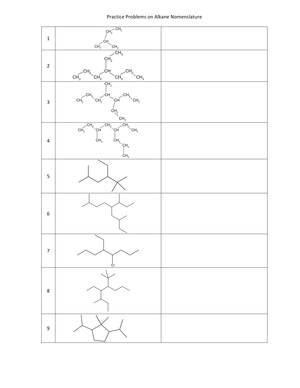
These chemistry worksheets for 8th grade cover the foundational physical science topics that anchor most grade 8 units — atoms, the periodic table, properties of matter, chemical reactions, acids and bases, and lab safety. Teachers get print-ready PDFs that drop into bell ringers, guided practice, reteaching blocks, or sub plans without any reformatting. The topic scope matches what middle school physical science teachers actually cover in a unit sequence.
Topics and Skills Across This Collection
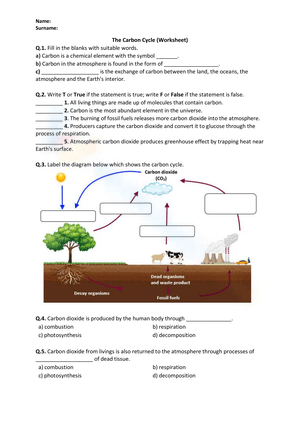
The skills in these worksheets stay grounded in the concrete reasoning 8th graders are ready for. Particle models, evidence of chemical change, and periodic table navigation all require repeated low-stakes practice before students can apply them confidently in a lab or on an assessment.
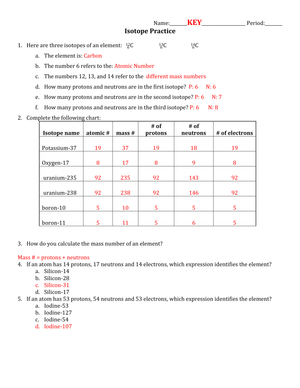
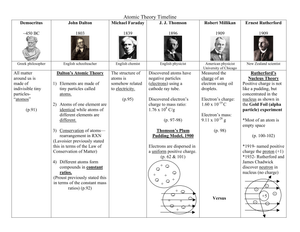
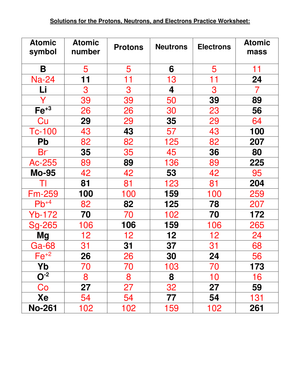
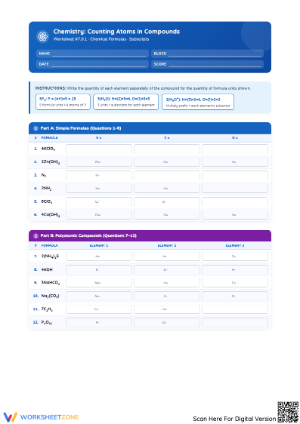
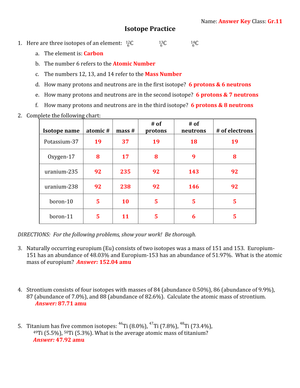
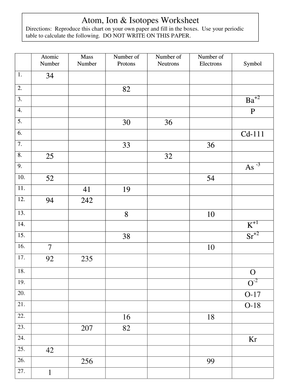
- Atoms and elements: Students label atomic diagrams, count subatomic particles, and read periodic table entries to identify element properties.
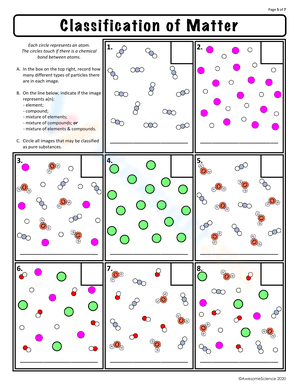
- Properties of matter: Students sort and classify materials, then explain whether a given change is physical or chemical — the distinction that trips up most classes at least once per unit.
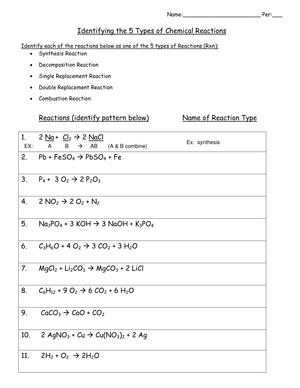
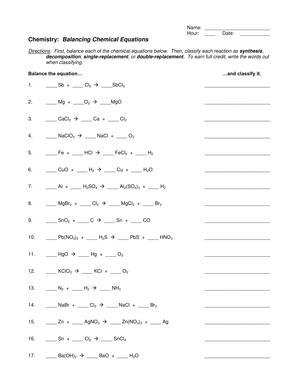
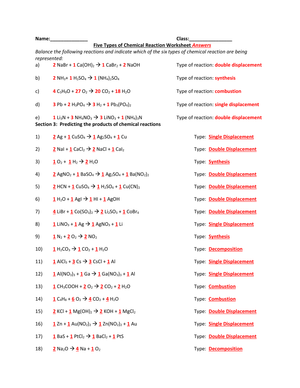
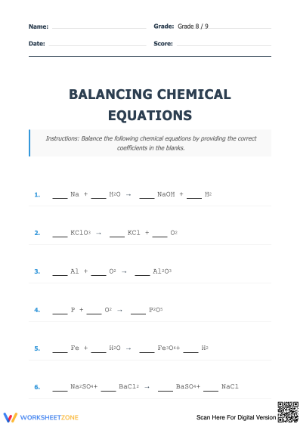
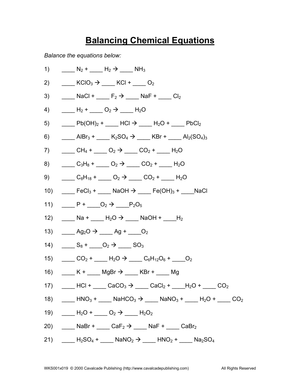
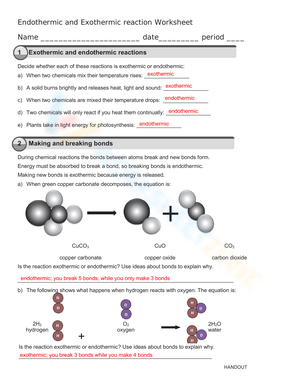
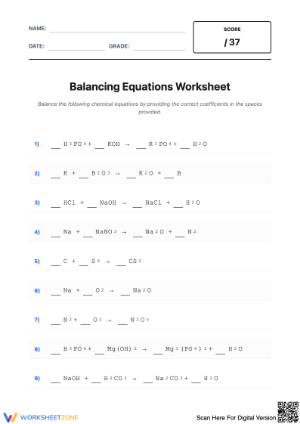
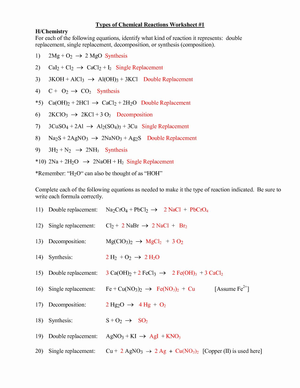
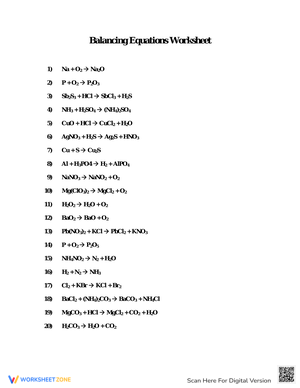
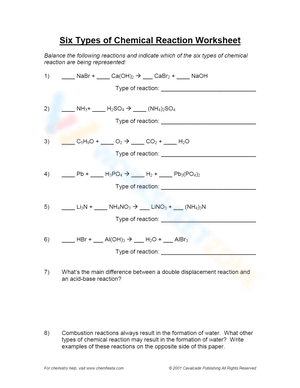
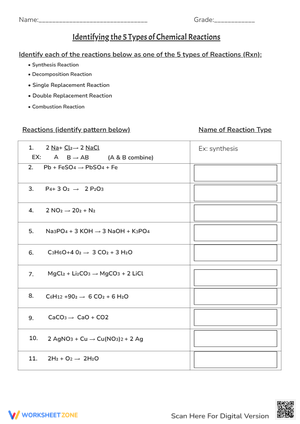
- Chemical reactions and equations: Students identify reactants and products, interpret arrow notation, and practice balancing simple equations by adjusting coefficients.
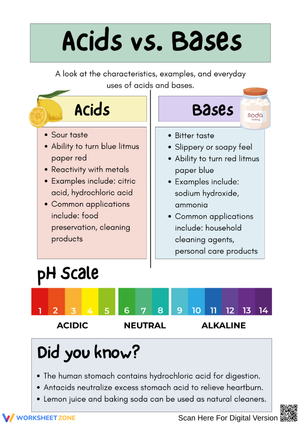
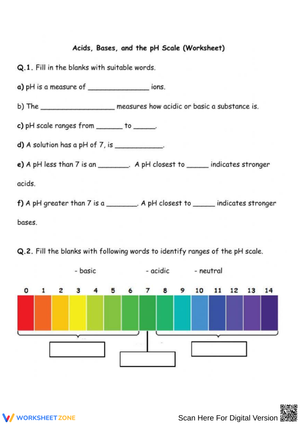
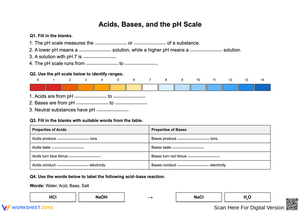
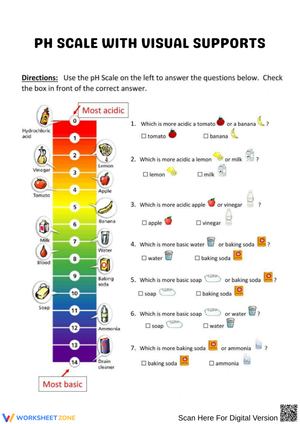
- Acids and bases: Students review pH vocabulary, common examples, and how indicators show whether a substance is acidic or basic.
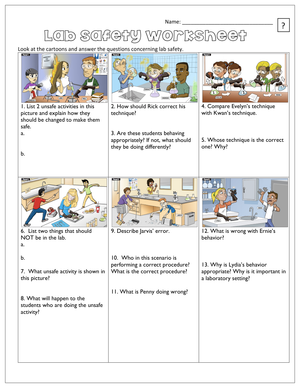
- Lab safety: Students match safety rules to lab scenarios — reliable at the start of the year, before a new investigation, or on substitute days.
Where Student Thinking Goes Wrong — and What to Do About It
The most common mistake on balancing equations practice is that students change subscripts rather than coefficients. They see that oxygen is unbalanced, and instead of adding a 2 in front of H₂O, they write H₂O₂. The confusion runs deep: they treat the subscript as an adjustable number rather than a fixed part of the compound's formula. These worksheets surface that error early because the format asks students to show each step rather than just record a final answer, which means teachers can see exactly where the logic breaks.
On properties of matter, dissolving salt in water gets misclassified as a chemical change at a surprisingly high rate — students assume that because something disappeared, something reacted. Bubbles from a genuine chemical reaction compound the problem, because students then apply "bubbles equal change" as a rule across both situations. Worksheets that ask students to write out why a change is physical or chemical, rather than simply check a box, make that reasoning visible and correctable before it becomes fixed.
Building These Worksheets Into a Teachable Unit Sequence
These resources fit a class structure that most grade 8 science teachers already use: a short bell ringer, a mini-lesson, guided practice, and an exit ticket. One worksheet can anchor all four parts — open with one question, teach the concept briefly, work through the remaining questions with the class, and close with a single written response. That structure keeps the worksheet from feeling like a filler task and makes it the instructional thread running through the lesson.
Sequencing across a unit matters more than most teachers expect. Atomic structure and matter classification worksheets should come before balancing equations practice. Students who try to balance equations before they have a concrete model of atoms and compounds end up manipulating symbols with no meaning attached — the errors look like carelessness but are really conceptual gaps. The chemistry worksheets for 8th grade in this set are most effective when staged in that order: concrete sorting and labeling first, then symbolic notation practice.
Using the Set Across a Range of Readiness Levels
Because some worksheets in this collection target grades 7-9 and others extend to grades 8-12, teachers can build a progression without switching topics. Students who need more concrete support work through matter classification and atomic labeling first. Students ready for more abstract reasoning move to multi-step equation balancing or extended periodic table analysis. The chemistry topic stays constant for the whole class; the depth of the task shifts by group.
For inclusion settings, pairing a diagram-heavy atoms worksheet with sentence frames lets students with language-based learning needs demonstrate conceptual understanding without getting stuck at vocabulary. For students who finish early, worksheets from the grades 8-12 portion of the set — particularly those covering acids and bases or chemical bonding — add challenge without introducing an entirely new topic.
Standard Alignment
These worksheets align to NGSS MS-PS1 (Matter and Its Interactions). Within that cluster, MS-PS1-1 covers developing models of atomic composition; MS-PS1-2 asks students to analyze substance property data to determine whether a chemical reaction occurred; and MS-PS1-5 centers on explaining how the total number of atoms stays constant across a reaction. In classroom terms, those three performance expectations land across units taught from late fall through spring in most grade 8 physical science sequences — which means these worksheets support first-exposure practice, mid-unit review, and pre-assessment preparation at multiple points in the year, not just at one fixed moment.
Frequently Asked Questions
What chemistry topics are included in the set?
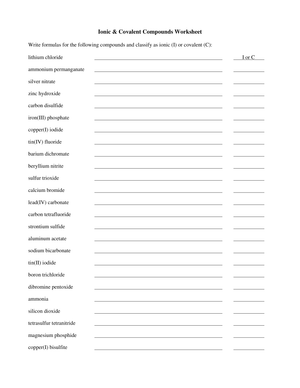
The worksheets cover atoms, elements, the periodic table, properties of matter, physical and chemical changes, balancing equations, acids and bases, bonding, and lab safety — the core content of most grade 8 physical science chemistry units.
When should balancing equations worksheets be introduced?
Balancing equations practice belongs mid-to-late in a unit, after students have worked through atomic structure and properties of matter. Introducing it too early leads to symbol manipulation without conceptual grounding, and those surface-level habits are difficult to undo once students move into more complex reaction work.
Are these worksheets usable for homework or substitute days?
Yes. Because each worksheet covers a single skill independently, homework assignments don't require context a student missed in class. Lab safety and matter classification worksheets are especially reliable for sub plans — a substitute needs no chemistry background to distribute them and collect them afterward. Teachers specifically searching for chemistry worksheets for 8th grade to use on coverage days will find these genuinely functional rather than just time-filling.
How do these worksheets hold up as formative assessment tools?
They give useful formative data when students write out reasoning rather than circle answers. A balancing equations worksheet where students show each coefficient choice step by step tells a teacher far more than one where only the final balanced equation gets recorded. The chemistry worksheets for 8th grade in this collection include enough written-response and explanation tasks to make that kind of formative read practical during or right after class.