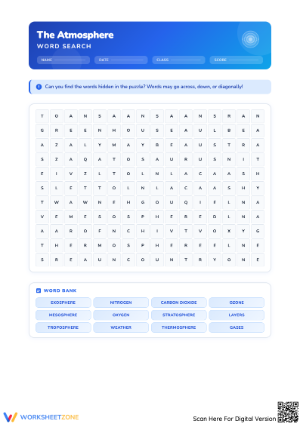
Eighth grade science asks students to move between chemistry, physics, biology, and Earth science in the same semester, and that shift can be hard to plan for without a clear structure. Organizing 8th grade science worksheets by strand instead of by chapter makes unit planning faster because you can pull practice sets that match where a class actually is in the curriculum. The three strands middle school teachers plan around are Physical Science, Life Science, and Earth and Space Science, and each one carries its own vocabulary, models, and skill demands.
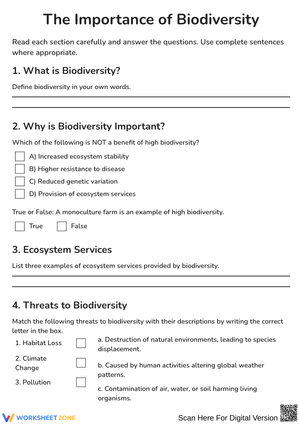
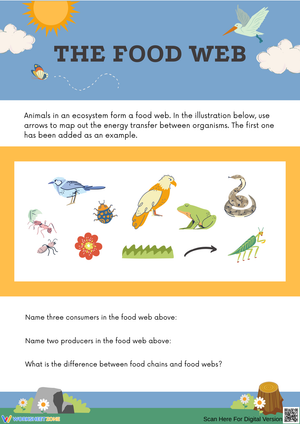
Thinking in strands also helps when you are building a pacing guide for the full year. A teacher moving from a unit on chemical reactions into a unit on plate tectonics needs worksheets that reset background vocabulary rather than assuming carryover knowledge. Grouping practice sets by strand keeps that transition visible on paper, not just in your head, which matters when you are also writing sub plans or handing a unit off to a co-teacher.
Physical Science: Chemical Reactions and Forces in Motion
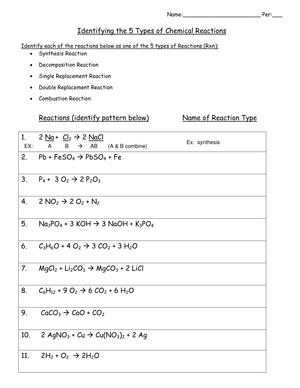
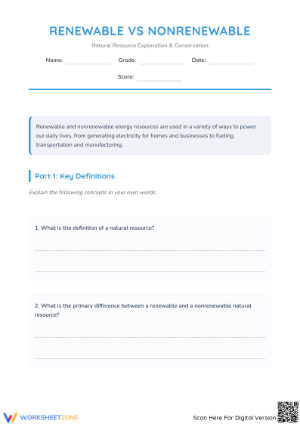
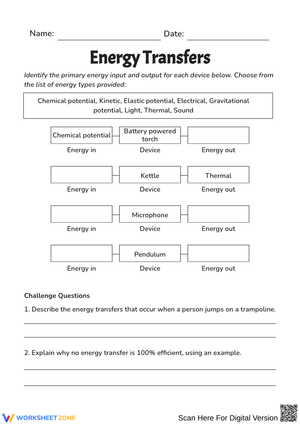
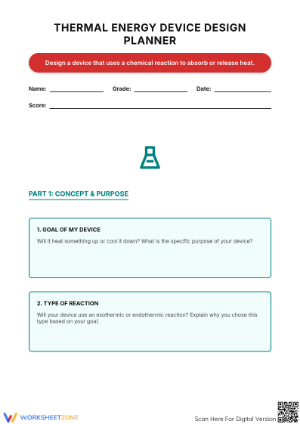
Physical science in 8th grade typically covers properties of atoms, chemical reactions, and forces and motion, and worksheets built around these topics work best when they ask students to apply a model rather than just recall a definition. A worksheet on chemical reactions might ask students to identify reactants and products in a written equation, sort examples into physical versus chemical changes, or interpret a simple data table showing temperature change during a reaction.
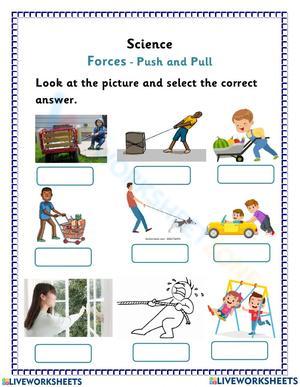
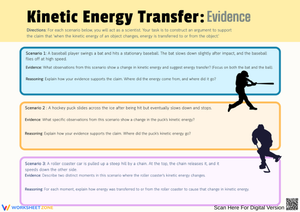
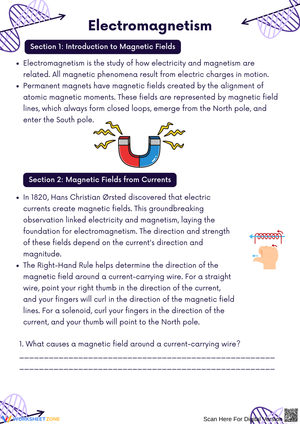
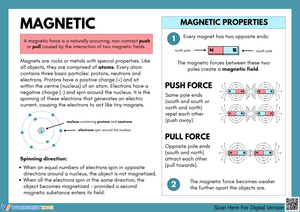
For forces and motion, worksheets that pair a diagram with a short calculation tend to hold attention better than a page of isolated vocabulary terms. Asking students to label force arrows on a moving object, then answer a follow-up question about net force, keeps the practice tied to the science and engineering practice of using models, which is central to how NGSS frames middle school physical science.
Life Science: Human Body Systems in Context
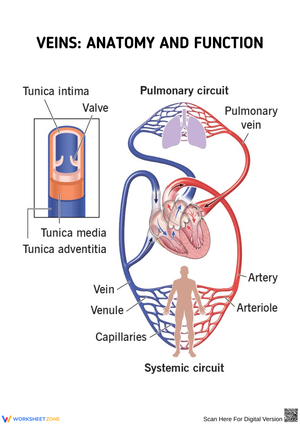
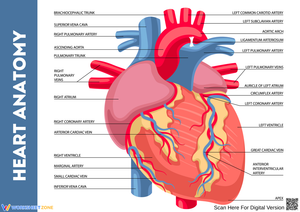
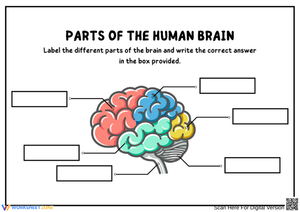
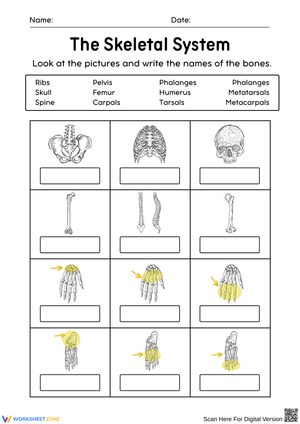
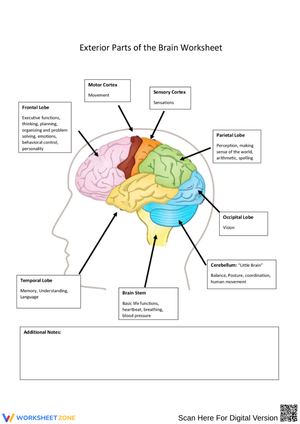
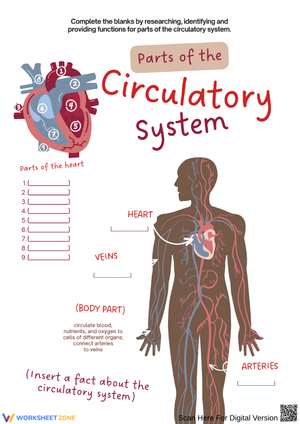
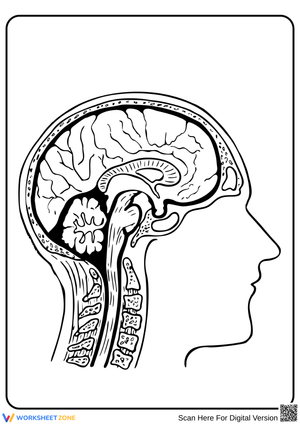
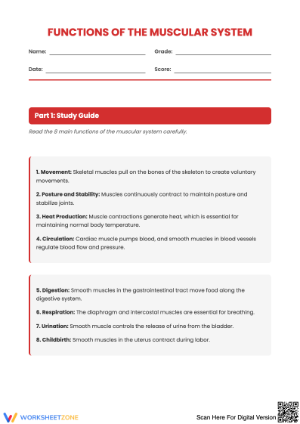
The life science strand in 8th grade commonly centers on human body systems, including the skeletal, muscular, and nervous systems, along with how those systems interact to support basic body functions. Worksheets here work well as labeling diagrams, short-answer comparisons between systems, or scenario questions that ask students to trace how one system responds when another is under stress, such as how the nervous system signals a muscle response.
A practical classroom pattern worth noting: pairing a body systems worksheet with a single system at a time, rather than covering all three in one page, tends to produce cleaner formative assessment data because a teacher can see exactly which system is causing confusion instead of guessing from a mixed-topic score.
Earth and Space Science: Plate Tectonics and Beyond
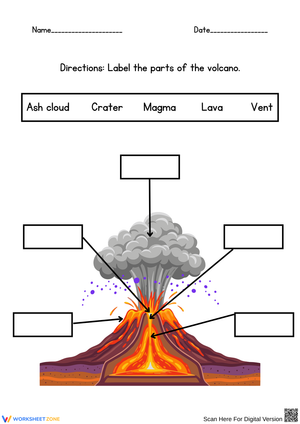
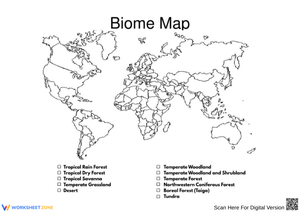
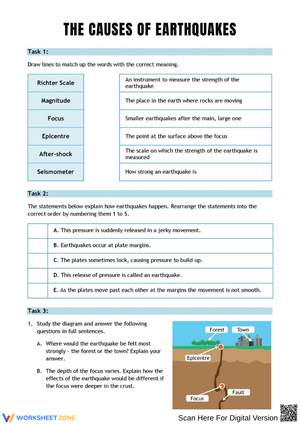
Earth and space science rounds out the 8th grade year with topics like plate tectonics, along with related content on Earth processes and, depending on the course sequence, some introductory astronomy. Worksheets for plate tectonics work well when they include a labeled cross-section of a plate boundary paired with questions about the type of boundary and the resulting landform or hazard, since that mirrors how NGSS expects students to reason from a model rather than a definition alone.
Because plate tectonics content connects directly to real events like earthquakes and volcanic activity, worksheets that include a short case study, such as a description of a specific earthquake, give students a chance to apply vocabulary to something concrete. That kind of application question also works well as an exit ticket at the end of a lesson, giving a quick read on whether the model made sense.
Using Worksheets for Formative Assessment
Not every worksheet needs to be a full practice set. A single-page formative check, dropped in partway through a lesson on chemical reactions or plate tectonics, gives a fast read on which students are ready to move on and which need another pass at the model before the next lesson. Short checks like this work especially well right after a demonstration or lab, when the vocabulary is still fresh.
Because NGSS emphasizes three-dimensional learning that blends content knowledge, science and engineering practices, and crosscutting concepts, a strong formative worksheet does not stop at recall. A few questions that ask students to explain their reasoning, compare two models, or predict an outcome will surface gaps that a straight vocabulary quiz would miss, and that information is useful the same day rather than a week later on a unit test.
Classroom Implementation
In practice, 8th grade science worksheets tend to show up in four places: as a warm-up tied to the previous day's lesson, as station work during a lab rotation, as homework that reinforces a model introduced in class, and as a component of a sub plan when a teacher is out. Building a small bank of worksheets for each strand ahead of time means you are not scrambling to create a sub plan the morning of an absence.
Roughly 45 states use some form of NGSS-aligned science standards, with 20 states plus Washington, D.C. adopting NGSS verbatim and 25 more adapting NGSS-based frameworks, according to OpenSciEd, though six states including Florida, Ohio, and Texas have kept separate state standards, so a flexible worksheet bank still needs to work outside strict NGSS phrasing.
For teachers in one of those non-NGSS states, the same worksheet content usually still applies since the underlying science content, chemical reactions, forces, body systems, and plate tectonics, overlaps heavily with state-specific standards even when the wording differs. Keeping worksheets focused on the science itself, rather than standard-specific language, makes them usable across a wider range of state requirements.
Frequently Asked Questions
1. What science topics are typically covered in 8th grade worksheets?
Most 8th grade science worksheets cover chemical reactions, properties of atoms, forces and motion, human body systems such as the skeletal, muscular, and nervous systems, and plate tectonics, matching the Physical Science, Life Science, and Earth and Space Science strands common to middle school curricula.
2. Are 8th grade science worksheets aligned to NGSS or state-specific standards?
Many are built around the Next Generation Science Standards framework for grades 6 through 8, which roughly 45 states use in some form, but the same content generally applies in the states that have kept separate standards since the underlying science topics overlap closely.
3. How can teachers use these worksheets for review versus new instruction?
For new instruction, a worksheet works best right after a model or demonstration is introduced, giving students a chance to apply it immediately. For review, the same worksheet can be reused closer to an assessment, often with a scenario or case study question added to check deeper understanding rather than recall alone.
4. Can 8th grade science worksheets be adapted for students who need extra support?
Yes. A simplified version with a word bank, partially labeled diagrams, or fewer open-ended questions gives students with IEPs, 504 plans, or English language learner needs a way into the same content, while an extension question can stretch students who finish early.
5. How do these worksheets fit into a typical middle school science unit plan?
They typically appear as warm-ups, lab station work, homework, or formative checks partway through a lesson, and having a bank organized by strand, physical, life, and Earth and space science, makes it faster to pull the right worksheet for wherever a class is in the unit.












 Interactive Worksheet Maker
 Quiz Maker
 Word Search Maker
 Crossword Puzzle Maker
 Word Scramble Generator
 Sentence Scramble Generator
 Handwriting Worksheet Generator
 Name Tracing Generator
 Fill In The Blank Generator