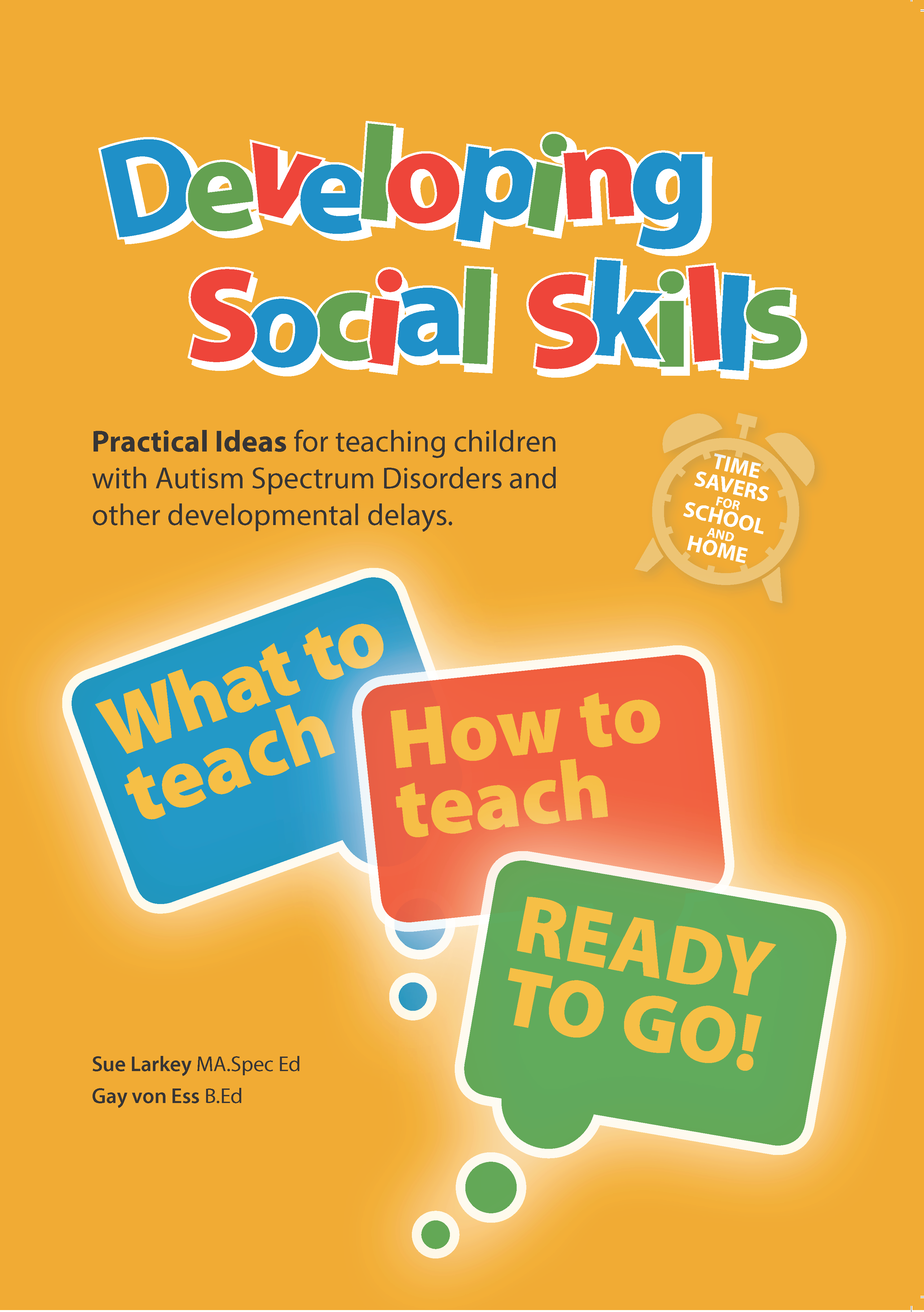
Navigating Social Dynamics in Middle School
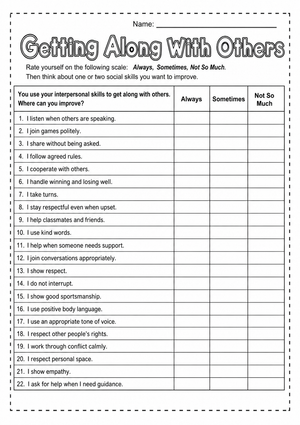
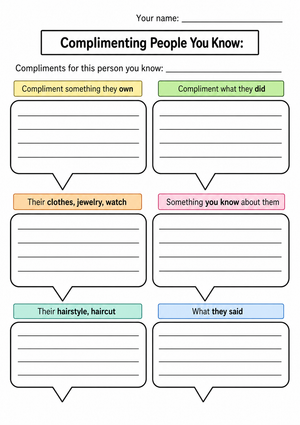
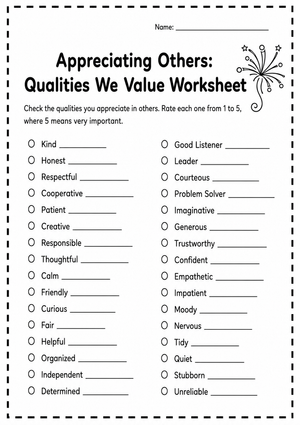
The transition to middle school marks a significant shift in a student's educational journey. For students aged 11 to 14, the focus moves rapidly from basic classroom manners to navigating complex peer hierarchies and nuanced social expectations. During these years, adolescents begin to prioritize peer perception over adult approval, which creates a unique set of challenges for teachers. Providing high-quality social skills worksheets for middle school pdf format ensures that teachers have ready-to-use materials to address these developing needs during advisory periods, homeroom, or specialized social-emotional learning blocks. These resources bridge the gap between abstract social concepts and concrete classroom application, allowing students to practice interactions in a safe, low-stakes environment.
Critical Social Skills for 11 to 14 Year Olds
At the middle school level, social skills instruction must go beyond simple turn-taking or sharing. Students need to master conversational maintenance, self-advocacy, and the ability to read complex social cues. Adolescents are learning to balance their growing desire for independence with the need for social belonging. This balance is often delicate and can lead to anxiety if students feel they lack the social competence of their peers. Worksheets that focus on active listening and empathy help students understand the perspectives of others, which is foundational for building healthy relationships.
According to Everyday Speech, over 75% of middle school teachers report that social-emotional learning resources significantly improve classroom behavior by providing structured scenarios for practice. Their free no-prep worksheets allow teachers to address complex interpersonal skills without extensive planning, ensuring that students receive consistent support for their social development needs.
Integrating these skills into the curriculum helps create a more inclusive classroom culture. When students are equipped with the language to express their needs and the skills to listen to others, conflicts are resolved more quickly and with less disruption to the learning process. The use of PDF resources allows for easy distribution and ensures that every student has a tangible guide to follow as they learn to navigate the increasingly complex social world of early adolescence.
Using PDFs to Teach Non-Verbal Communication
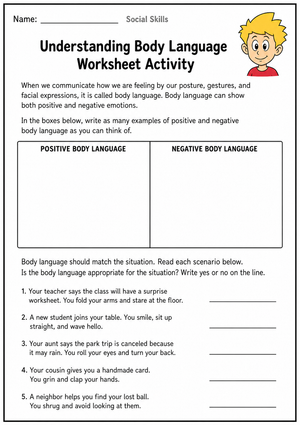
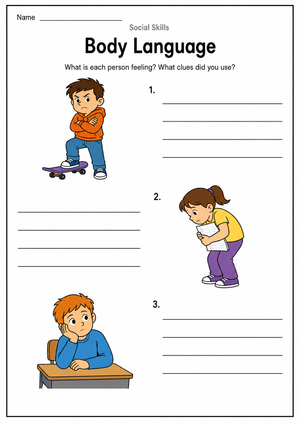
Non-verbal communication accounts for a vast majority of how messages are received and interpreted. For middle school students, understanding tone of voice, body language, and eye contact is essential for successful social integration. Many students struggle with these "unwritten rules" of social interaction, which can lead to misunderstandings with peers and teachers alike. Using social skills worksheets for middle school pdf resources that include visual prompts and scenario-based questions can help demystify these non-verbal cues.
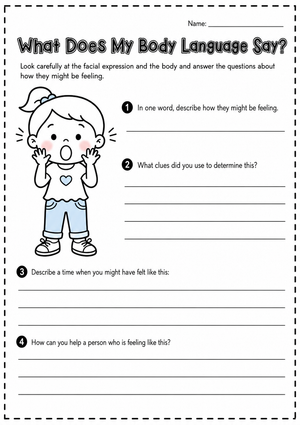
Instruction in non-verbal communication should be explicit. Worksheets can provide images of different facial expressions or body postures, asking students to identify the likely emotion or intent behind them. This practice helps students develop a "social filter," allowing them to pause and interpret a situation before reacting. It also encourages them to be mindful of their own non-verbal signals. For example, a student might not realize that their defensive posture is signaling a lack of interest or hostility during a group project. Explicitly teaching these concepts through printables provides a roadmap for more effective communication and better interpersonal connections.
Conflict Resolution and Peer Pressure Worksheets
Conflict is an inevitable part of the middle school experience as students test boundaries and form their own identities. However, the way students handle these conflicts can have a lasting impact on their social standing and emotional well-being. Conflict resolution worksheets provide a structured framework for students to identify the root of a problem, brainstorm potential solutions, and consider the consequences of their actions. These resources often use the "I-statement" model, which teaches students to express their feelings without blaming others. This proactive approach to SEL empowers students to make choices that are right for them rather than just following the crowd.
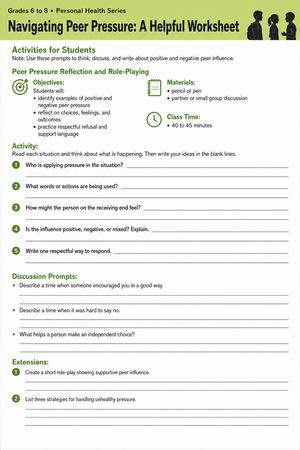
Peer pressure also intensifies during these years. Students often feel a strong urge to conform to the group, even if it goes against their personal values or school rules. Worksheets that address peer pressure help students practice refusal skills and develop the confidence to stand their ground. Understood.org emphasizes that social-emotional learning activities for older kids should focus on self-regulation and problem-solving. By role-playing different scenarios on paper first, students build the mental muscle needed to say no in person. These printables serve as a "cool-down" tool, giving students a productive way to process their emotions and find a path forward that respects everyone involved in the situation.
Teacher Tips for SEL Integration
Integrating social skills instruction into a busy middle school schedule requires a strategic approach. One effective method is to use "SEL Starters" at the beginning of the class. A single worksheet can be broken down into daily five-minute prompts that encourage students to reflect on a specific social skill. This keeps the concepts fresh in their minds without taking up significant instructional time. Teachers can also tie social skills lessons into literature or social studies by having students analyze the social dynamics of historical figures or fictional characters using the frameworks provided in the worksheets.
Consistency is key when implementing SEL across a grade level. It is helpful to establish a common language throughout the school. If all teachers are using the same social skills worksheets for middle school pdf resources, students receive a unified message about behavioral expectations and social norms. Additionally, teachers should look for opportunities to provide positive reinforcement when they see students applying these skills in real-time, such as successfully navigating a group disagreement or showing empathy to a peer. Small group instruction is another excellent way to utilize these resources, allowing school counselors or specialists to guide targeted interventions for students who need extra support in specific social areas.
Building Healthy Digital Friendships
In today's interconnected world, much of a middle schooler's social life happens online. This adds a layer of complexity to social skills instruction that was not present in previous generations. Digital citizenship and social media safety must be integrated into any comprehensive SEL program. Students need to understand the concept of a "digital footprint" and how their online actions can affect their offline reputations and relationships. Worksheets that address cyberbullying, online privacy, and the nuances of digital communication are essential tools for modern teachers who want to prepare their students for the digital world.
The middle school transition marks a cognitive shift where students begin to prioritize peer perception over adult approval, making social skills instruction less about obedience and more about navigating complex hierarchy and social belonging. This shift is particularly evident in digital spaces, where the lack of immediate physical feedback can lead students to take social risks they would avoid in person. Printables that ask students to analyze text messages or social media posts for tone and intent can help them develop the empathy and critical thinking skills needed to maintain healthy digital friendships and avoid common online pitfalls.
Encouraging students to reflect on their screen time and the quality of their online interactions is also important. Worksheets can help students identify the difference between supportive online communities and those that promote negativity or exclusion. By teaching students to be "upstanders" in digital spaces, teachers are helping to create a safer and more positive environment for everyone. These lessons are a vital part of preparing students to be responsible and empathetic citizens in an increasingly digital society, ensuring they have the tools to thrive both online and in person.
Frequently Asked Questions
1. What specific social skills do middle schoolers struggle with most?
Middle schoolers often find conversational maintenance and reading subtle non-verbal cues most challenging. As social dynamics become more nuanced, students must learn to balance their desire for independence with the need to conform to peer groups. They also frequently struggle with conflict resolution and managing peer pressure, as the emotional stakes of social interactions increase significantly during these years, requiring more sophisticated social strategies.
2. How do social skills worksheets help students with ADHD or Autism in middle school?
For students with ADHD or Autism, social skills worksheets provide a concrete, visual framework for abstract concepts. These students often benefit from explicit instruction and the ability to practice social scenarios in a low-stakes environment. Printables help break down complex interactions into manageable steps, allowing them to build social competence and confidence alongside their neurotypical peers while providing a clear structure for social learning.
3. Are there free, high-quality social skills PDFs available for teachers?
Yes, many reputable organizations provide free social-emotional learning resources for teachers. Websites like Worksheetzone.org offer a variety of no-prep worksheets specifically designed for the middle school level. These resources are invaluable for teachers looking to integrate SEL into their classrooms without the need for extensive curriculum development, providing ready-made solutions for busy middle school practitioners.