Teenagers often face social situations that are more complex than the ones they experienced in childhood. Friendships, group projects, online communication, peer pressure, conflict, and self-identity can all affect how they interact with others. Social skills worksheets for teens give students a structured way to practice communication, empathy, boundaries, problem-solving, and self-awareness. Instead of expecting teens to “just know” how to handle difficult moments, these activities help them slow down, reflect, and build practical strategies.
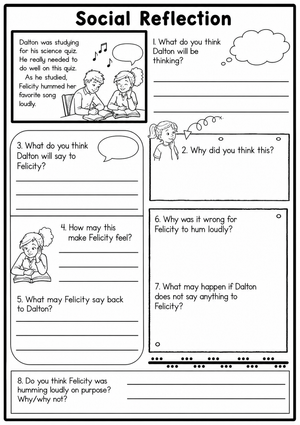
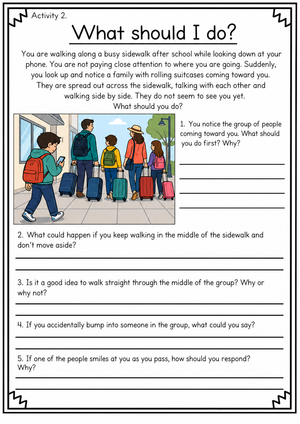
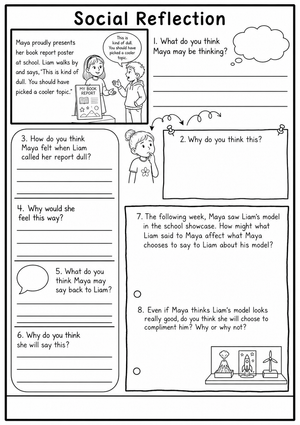
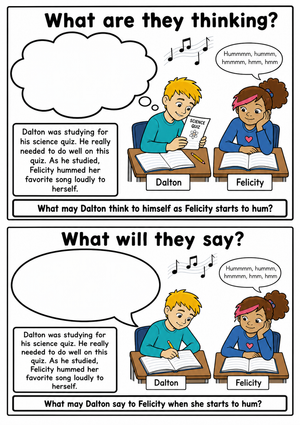
At the teen level, social skills practice should feel respectful and realistic. Older students do not usually respond well to overly simple examples, so strong worksheets should include scenarios they may actually experience: misunderstanding a text message, feeling left out of a group, disagreeing with a friend, speaking up in class, joining a conversation, or handling criticism. Reflection questions, role-play prompts, and decision-making activities can help teens think through their choices before they face similar situations in real life.
Many teens also benefit from revisiting foundational social skills in a more mature way. Active listening, taking turns in conversation, reading body language, using respectful tone, and understanding personal space are still important, but the examples should match their age and daily experiences. For younger learners or students who need simpler practice first, social skills worksheets for kids can provide a helpful starting point before moving into more advanced teen-focused activities.
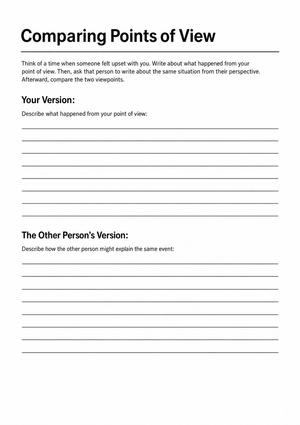
Social skills are closely connected to emotional well-being. A teen who struggles with anxiety, frustration, low confidence, or social pressure may find it harder to communicate clearly or respond calmly. Worksheets that include self-reflection, coping strategies, conflict resolution, and perspective-taking can support both social development and emotional growth. To extend this support, teachers, counselors, and families can explore mental health activities for teens that encourage stress management, self-expression, and healthier daily habits.
Social skills worksheets for teens can be used in classrooms, counseling sessions, advisory periods, homeschool lessons, life skills programs, or small-group support. They give teens a safe space to think about relationships, communication, and personal choices without feeling put on the spot. With thoughtful prompts and age-appropriate scenarios, these worksheets can help teens build stronger relationships, manage conflict more calmly, and feel more confident in everyday social situations.
Frequently Asked Questions
Question 1: How can teens benefit from practicing social skills?
Teens can benefit from social skills practice because it helps them handle real-life situations with more confidence and self-awareness. During the teenage years, students often deal with changing friendships, group pressure, misunderstandings, online communication, and emotional stress. Structured practice gives them time to think through how to listen, respond, set boundaries, solve conflicts, and express themselves respectfully. These skills can support stronger relationships at school, at home, and in everyday social settings.
Question 2: What social skills should teenagers practice?
Teenagers should practice skills such as active listening, starting and ending conversations, understanding body language, managing disagreements, setting boundaries, showing empathy, handling peer pressure, and asking for help. They also benefit from learning how to communicate online in a respectful way, since many teen friendships and conflicts now happen through messages or social media. These skills support both school relationships and everyday life.
Question 3: How can teachers or counselors use social skills worksheets with teens?
Teachers and counselors can use these worksheets during advisory classes, SEL lessons, counseling groups, behavior support sessions, or life skills instruction. A worksheet might introduce a discussion about friendship, guide students through a conflict scenario, or help teens reflect on how they respond when they feel stressed or misunderstood. The activities work best when paired with open discussion, role-play, and practical examples that feel relevant to students’ lives.
Question 4: Are social skills worksheets helpful for shy or anxious teens?
Yes, social skills worksheets can be especially helpful for shy or anxious teens because they provide a low-pressure way to think through social situations before acting. Instead of being asked to respond immediately in front of others, students can write, reflect, and practice at their own pace. These worksheets can help teens identify what feels difficult, plan conversation starters, recognize helpful coping strategies, and build confidence step by step.