Social skills are not a fixed trait people either have or lack from birth. For adults, the capacity to listen attentively, respond with empathy, and navigate group dynamics continues to develop well into later life. Research in developmental psychology consistently shows that adults who engage in intentional, structured practice see meaningful gains in how they connect with others. Social skills worksheets for adults offer exactly this kind of structured entry point, giving learners a tangible way to examine their own patterns and build toward new behaviors.
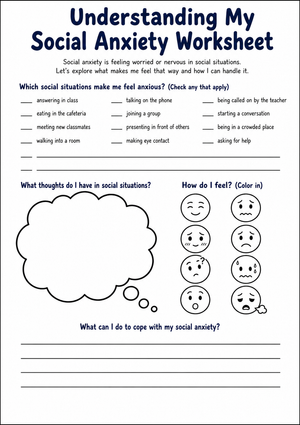
The scaffolding approach within these worksheets moves learners from guided reflection to independent application. Early exercises typically prompt adults to identify specific situations where they feel discomfort, such as entering a room of unfamiliar people or expressing a disagreement at work. From there, the material gradually shifts toward role-play prompts and written response activities that build confidence through repetition. This guided-to-independent model respects the pace of adult learners while still providing enough structure to make progress measurable. Teachers working in adult education programs and parents supporting family members with social anxiety will find this progression especially useful.
One of the most important areas addressed through social skills worksheets for adults is verbal and nonverbal communication. Adults who struggle in social situations often find that their difficulty lies not in what they say, but in how they say it - tone, eye contact, posture, and active listening habits all play a significant role. Worksheets that isolate these specific behaviors allow learners to study and practice each component before integrating them into real conversations. Practitioners who want to explore this area further can browse printable resources at communication skills worksheets on Worksheetzone for focused lesson materials.
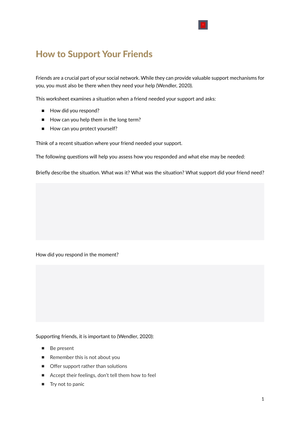
For professionals working in therapeutic or counseling settings, social skills worksheets for adults also serve as strong diagnostic and conversation tools. A completed worksheet reveals patterns in how a person perceives social interactions, what assumptions they bring into conversations, and where they feel most challenged. This information supports more targeted interventions and gives adults a concrete record of their own growth over time. Students in social work programs, counselors, and classroom instructors all benefit from having well-designed printable materials they can adapt to individual client needs.
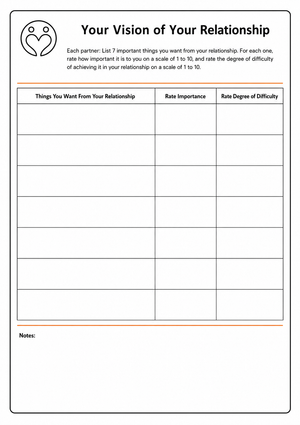
Worksheetzone provides a range of social skills worksheets for adults that cover topics from conflict resolution and boundary-setting to self-awareness and collaborative communication. Each worksheet is designed with clarity and purpose, making it suitable for individual self-study, group sessions, or structured classroom use. Whether you are a teacher building a lesson plan or a parent looking for tools to support a family member, these printable resources offer practical, research-aligned support for developing the social skills that matter most in everyday adult life.
Frequently Asked Questions
Question 1: What topics do social skills worksheets for adults typically cover?
Social skills worksheets for adults generally address areas such as active listening, assertive communication, conflict resolution, reading nonverbal cues, boundary-setting, and self-awareness in social situations. These topics are selected because they reflect the most common challenges adults face in workplace, personal, and community interactions. Worksheets may focus on a single skill or combine several related behaviors into one structured activity.
Question 2: Can adults with autism benefit from social skills worksheets?
Yes. Adults with autism often benefit significantly from structured social skills practice. Worksheets designed for this group typically use clear, explicit instructions and concrete scenarios rather than abstract prompts. They help learners identify social patterns, practice perspective-taking, and rehearse responses to common situations. Practitioners and caregivers can adapt printable worksheets to suit individual communication styles and learning preferences.
Question 3: How should teachers use social skills worksheets in adult education settings?
Teachers can use social skills worksheets as both instructional tools and reflective exercises. Starting with a group discussion before completing the worksheet helps adults connect the material to their own experiences. After completion, teachers can facilitate small group sharing to reinforce learning. Worksheets also work well as homework assignments that encourage adults to observe and reflect on real interactions between sessions.
Question 4: Are printable social skills worksheets suitable for workplace training programs?
Printable social skills worksheets are well-suited to workplace training contexts. They provide a low-pressure, written format for employees to examine communication habits, practice scenario responses, and set personal improvement goals. HR professionals and workplace coaches often use these materials alongside role-play activities or group workshops to build a more collaborative and communicative team environment.