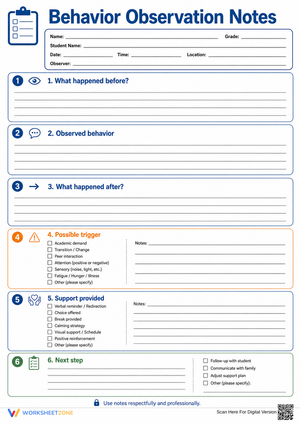
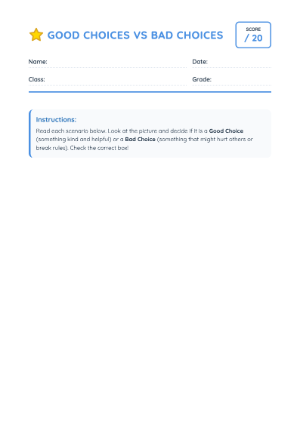
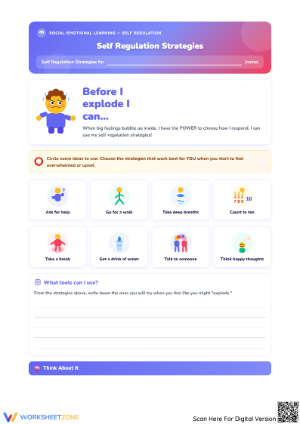
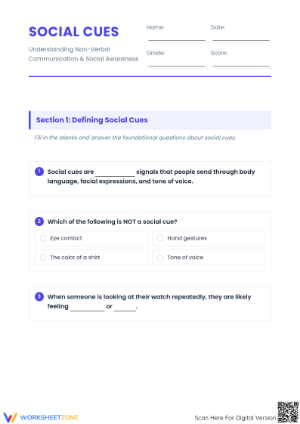
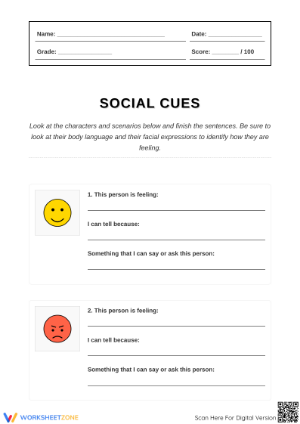
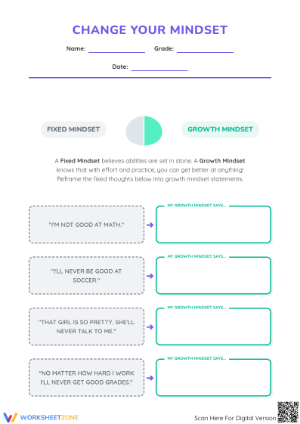
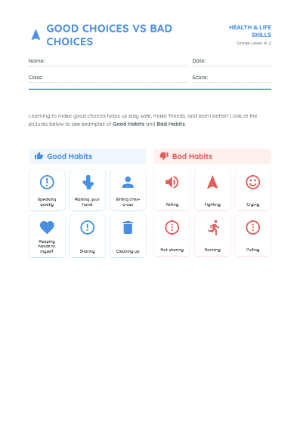
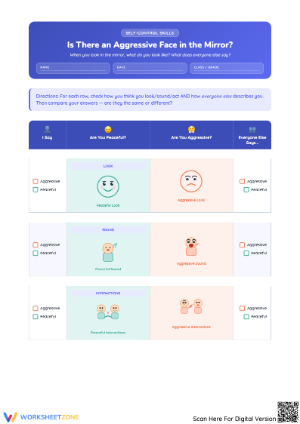
These 12th grade social skills worksheets printable resources give seniors structured, low-stakes practice with the specific interpersonal demands that arrive the moment they leave secondary school — professional correspondence, conflict resolution, self-advocacy, and emotional regulation when plans fall apart. Each worksheet targets one competency, which makes them easy to slot into advisory blocks, senior seminar, or a capstone English unit without overhauling what's already on your calendar.
What Each Worksheet Targets
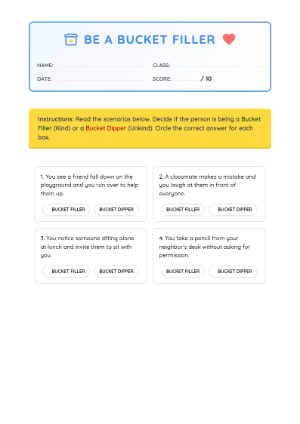
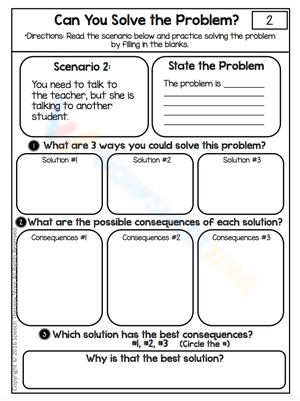
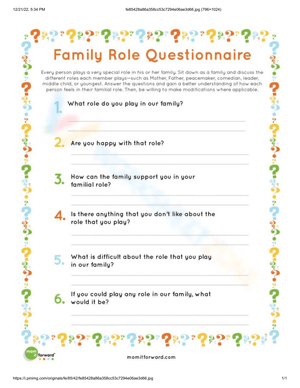
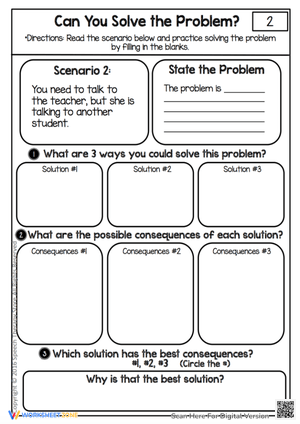
The set covers five skill areas that consistently show up as gaps in the first semester of college and in entry-level workplaces. Students practice writing and revising professional emails — not just using formal vocabulary, but understanding why the register shift matters and when it applies. A separate cluster addresses conflict resolution through scenarios that reflect actual senior-year contexts: disagreements with a supervisor during a part-time job, navigating a shared room with a stranger, or managing group project friction when one member isn't contributing.
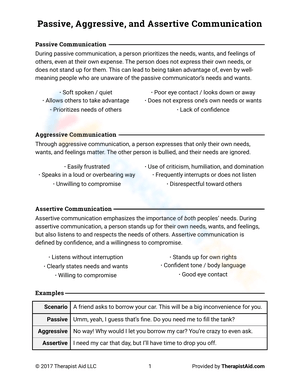
Self-advocacy receives its own dedicated worksheets because it is a genuinely distinct skill from general communication. A student who raises her hand fluently in a high school classroom may have no practiced language for requesting an accommodation in a 200-person lecture hall where no one is scanning the room for confusion. The worksheets have students rehearse those specific moments: how to approach a professor after class, how to write a follow-up email when a question goes unanswered, how to ask for an extension without it reading like an excuse.
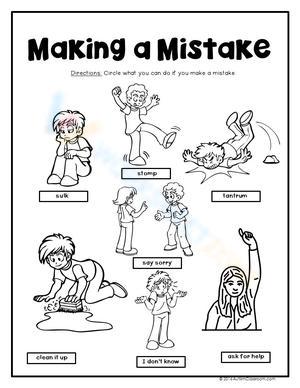
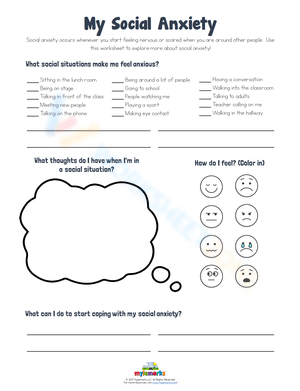
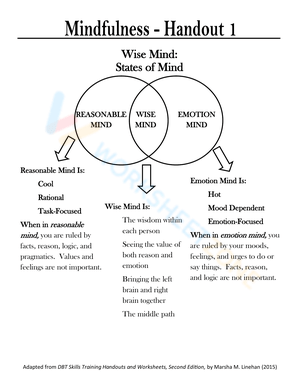
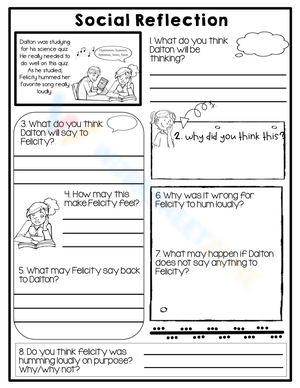
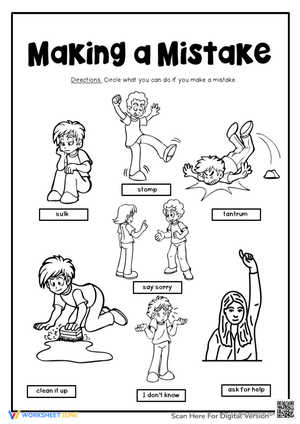
The emotional regulation worksheets treat setback and rejection as concrete problems to prepare for, not motivational abstractions. Seniors applying to colleges or competitive internships encounter rejection on a timeline that runs parallel to final exams and graduation pressure. Each worksheet in this cluster walks students through identifying their immediate emotional response, labeling it accurately, and choosing a next action rather than a reaction.
Working These Worksheets Into the Senior Year Week
Advisory period is the most natural home for this set, particularly in schools where advisory runs 15–20 minutes on a predictable schedule. A single worksheet works well as a Tuesday warm-up after students have had a day or two to settle back into the week — the prompt requires no prior reading and most can be completed and briefly discussed in under 20 minutes. Senior seminar and capstone English courses are also strong fits because the professional communication worksheets connect directly to cover letter writing, college essay revision, and interview preparation that seniors are already doing.
A few pairings that work well in practice: the email etiquette worksheet sits naturally alongside a college application unit; the conflict resolution scenarios fit inside a unit on The Glass Menagerie or another text that explores relational tension; the self-advocacy worksheet pairs with any moment where seniors are completing IEP transition planning or setting academic goals for next year. The goal is integration, not a bolted-on SEL period that students sense isn't connected to anything else they're doing.
Common Student Errors These Worksheets Bring Into View
The most frequent error in the professional communication worksheets involves register confusion that students don't recognize as an error at all. A senior who writes "Hey Dr. Patel, quick question about the deadline" isn't being disrespectful — her mental model of email is text messaging, so she's applying what feels like normal tone. The worksheet helps because it asks students to rewrite the same message in three different registers and then identify which contexts call for each. That comparative step is what creates the insight; simply telling students to "be more formal" doesn't produce lasting change.
In the conflict resolution work, students consistently identify the visible behavior as the source of a conflict rather than the underlying need. A student will write "the problem is that she never responds to group texts" when the actual friction is about feeling dismissed or unequally burdened. This is the developmental piece that makes 12th grade SEL different from 9th grade SEL: seniors are capable of the deeper analysis, but many haven't been asked to do it yet. The worksheets use a structured prompt sequence — describe the behavior, name the impact, identify the need — that moves students past surface-level descriptions.
Self-advocacy worksheets surface a subtler pattern: students who articulate their needs confidently in the written prompt dramatically soften or abandon those same needs when they role-play the conversation. This gap between written and spoken self-advocacy is worth tracking, and it argues for pairing the worksheet with a brief verbal rehearsal rather than treating the written response as the endpoint.
Standard Alignment
These worksheets align to CASEL's five core competency domains: self-awareness, self-management, social awareness, relationship skills, and responsible decision-making. The professional communication and self-advocacy worksheets map most directly to self-awareness and relationship skills; the conflict resolution cluster addresses social awareness and responsible decision-making; the emotional regulation work sits squarely in self-management. CASEL positions these competencies as developmental across K–12, and the 12th grade placement specifically emphasizes application in contexts that approximate adult independence rather than peer-only social situations. Using 12th grade social skills worksheets printable materials that reflect those transition-focused expectations keeps instruction aligned to what CASEL identifies as the culminating SEL goals for secondary education.
Adjusting the Set for a Range of Learners
Seniors who arrive with strong written communication skills and developed self-awareness move through the basic scenarios quickly. For those students, the most effective adjustment is increasing scenario complexity — adding competing interests, ambiguous intent, or a power differential — rather than introducing entirely new content. The conflict resolution worksheets work especially well here because you can layer in context (the student is also the group leader; the person avoiding texts is a close friend, not just a classmate) without altering the structure of the worksheet itself.
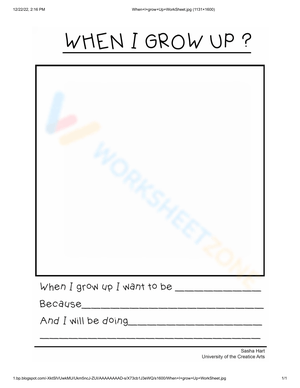
Students who need more support often struggle with open-ended response sections — not because they lack social awareness, but because blank-space prompts create cognitive overload when the topic is emotionally loaded. Providing a sentence frame converts the open response into a fill-in format that still requires genuine reflection. For students receiving special education services or students who are English language learners, the 12th grade social skills worksheets printable format allows for easy preparation ahead of distribution: highlight key vocabulary in the scenario before handing it out, or annotate one worked example so students understand what a complete response looks like before they attempt their own.
Frequently Asked Questions
How do these worksheets account for seniors heading in different directions — college, workforce, military?
The scenarios are written to transfer across post-graduation paths rather than default to college-only contexts. The professional communication worksheets use workplace and academic settings interchangeably, so a student entering an apprenticeship program and a student heading to a four-year university are both working with directly relevant material. The conflict resolution worksheets center on communal living and team-based work environments, which apply across all three tracks. Where scenarios lean college-specific — lecture hall protocols, professor office hours — those are clearly labeled so teachers can substitute an equivalent workplace scenario for students on a different path.
Is there a recommended order for using the worksheets across the year?
Teachers who use the full set typically open with professional communication because seniors are actively writing emails to colleges, employers, and references early in the fall, and that immediate relevance creates buy-in. Emotional regulation and self-advocacy tend to land better after October — once the first wave of college decision responses arrives, students engage with rejection and setback scenarios with far more seriousness than they would in August. Conflict resolution can go anywhere; the scenarios are evergreen enough that placement is mostly a matter of what other content surrounds them.
Do these require full-class discussion to be effective, or can students work through them independently?
Most worksheets produce stronger learning when paired with at least five minutes of debrief — a turn-and-talk, or a brief whole-group discussion of what students wrote. That said, the 12th grade social skills worksheets printable resources in this set are complete enough as written tasks that students doing independent work, credit recovery, or asynchronous coursework gain real value from them without in-class discussion. The reflection prompts are front-loaded heavily enough that the thinking happens during the writing, not only during whatever conversation follows.