




















Mental health activities for teens play a crucial role in supporting emotional well-being and stress management. Teachers can make a significant impact by incorporating these exercises into the classroom, helping students build resilience and better handle life’s challenges.
In this blog, we’ll share various practical and engaging activities that can be seamlessly integrated into daily routines to promote a healthy mental state and encourage personal growth.
Why Mental Health Activities Are Crucial for Teens
Adolescence is a time of rapid change—physically, emotionally, and socially. With growing academic pressure, peer influence, and the challenges of identity development, many teens experience stress, anxiety, or even depression.

Mental health activities provide structured and proactive ways for teens to cope with these pressures before they escalate into more serious issues. Engaging in such activities regularly can help teens:
- Build emotional resilience: Learning how to manage stress and regulate emotions equips them for life’s ups and downs.Improve focus and academic performance: A calm, clear mind supports better learning and decision-making.
- Foster self-awareness and empathy: Reflective exercises help teens understand themselves and connect better with others.
- Reduce stigma: When mental health is openly discussed and supported in schools, it encourages more students to speak up and seek help when needed.
By integrating mental wellness into everyday classroom practices, educators can nurture not just smarter students—but healthier, more confident individuals.
10 Mental Health Activities for Teens at School
Let’s explore a list of impactful activities designed to support teen mental health in the classroom:
1. Mindfulness Meditation
This simple yet powerful practice helps teens stay grounded in the present moment. It trains the brain to pause, breathe, and observe thoughts without judgment—reducing anxiety and improving focus. Mindfulness is especially effective for teens who tend to overthink or feel overwhelmed.

- Materials Needed: Quiet space, yoga mats or chairs (optional), calming music (optional).
- How to do: Guide students through a 5–10 minute breathing exercise. Ask them to sit comfortably, close their eyes, and pay attention to their breath. When their minds wander, gently remind them to bring their focus back to breathing.
2. Gratitude Journaling
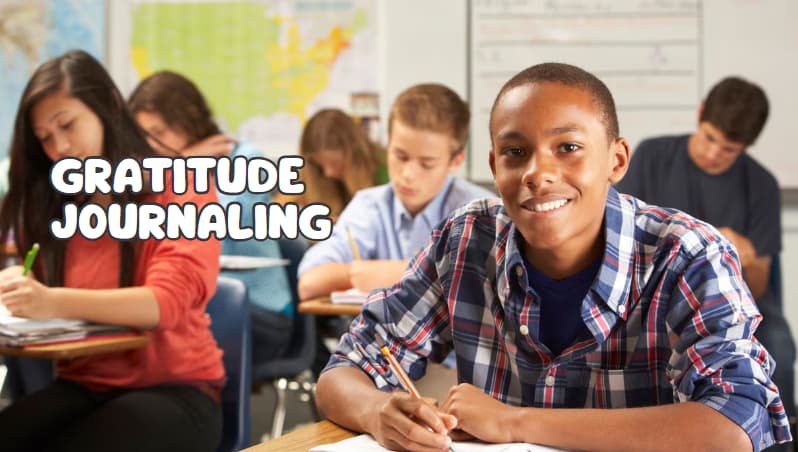
If you’re seeking writing activities to boost mental health for teens during stressful times, Gratitude Journaling is an excellent choice! Practicing gratitude helps shift a teen’s mindset from what’s lacking to what’s meaningful.
This activity encourages students to reflect on the positive aspects of their lives, promoting emotional balance and long-term mental well-being. It’s a great tool for building resilience and reducing negativity.
- Materials Needed: Journals or notebooks, pens or pencils.
- How to do: Set aside a few minutes each day or week for students to list 3–5 things they’re grateful for. Encourage them to be specific and thoughtful in their entries.
3. Creative Art Therapy
Creative art therapy allows teens to express emotions they might struggle to put into words.
Whether it’s drawing, painting, or sculpting, the process of making art can help release inner tension, increase self-awareness, and improve mood. It’s especially beneficial for teens who are introverted or uncomfortable with verbal sharing.

- Materials Needed: Paper, markers, crayons, colored pencils, paint, clay—any basic art supplies.
- How to do: Invite students to create a piece of art based on a prompt like “Draw your current mood” or “Show what calm looks like to you.” Remind them there’s no right or wrong way to express themselves.
4. Progressive Muscle Relaxation
Progressive Muscle Relaxation is among the most simple yet effective mental health activities for teens to release physical tension by systematically tensing and relaxing different muscle groups.
It’s especially helpful for those who carry stress in their bodies or struggle with restlessness and anxiety. Practicing PMR can lead to improved sleep, lower stress levels, and better focus in class.

- Materials Needed: Quiet space, yoga mats or comfortable chairs (optional).
- How to do: Ask students to sit or lie down comfortably. Start with their feet—have them tense the muscles for 5 seconds, then release. Move upward through the body, pausing to tense and release each area. Guide them with calming instructions and remind them to breathe slowly throughout.
5. Group Discussions on Mental Health
Group discussions provide a safe space for teens to talk openly about mental health challenges, helping to normalize these conversations.
It fosters empathy, reduces stigma, and builds a sense of community. When teens hear from others who share similar struggles, it can be incredibly reassuring and motivating.

- Materials Needed: Comfortable seating in a circle, discussion prompts or topics.
- How to do: Start by creating a safe and open environment where everyone feels respected and heard. Introduce a topic or prompt like “What helps you cope with stress?” or “How do you manage tough emotions?” Allow everyone to share if they wish, but respect privacy.
6. Mindful Walking
Mindful walking combines physical movement with mindfulness, encouraging teens to focus on the present moment while engaging in light exercise.
This activity helps reduce anxiety, improves mental clarity, and boosts mood by combining the benefits of physical activity with the calming effects of mindfulness.

- Materials Needed: A safe, quiet outdoor space or a large indoor area.
- How to do: Have students walk slowly and focus on their surroundings—the sounds, the sights, and the feel of their feet on the ground. Encourage them to take deep breaths as they walk. This can be done as a group or individually.
7. Stress-Relief Ball Exercises
Stress-relief ball exercises are creative and calming activities for teenage mental health support. Squeezing the ball helps teens focus on their breath and movements while providing a simple outlet for frustration or stress.

- Materials Needed: Stress-relief balls or soft, squeezable objects.
- How to do: Give each student a stress-relief ball. Instruct them to squeeze it for 5–10 seconds, focusing on the pressure. After releasing, ask them to notice how their body feels. Repeat a few times, encouraging deep breathing and the sensation of relaxation.
8. Affirmation Cards
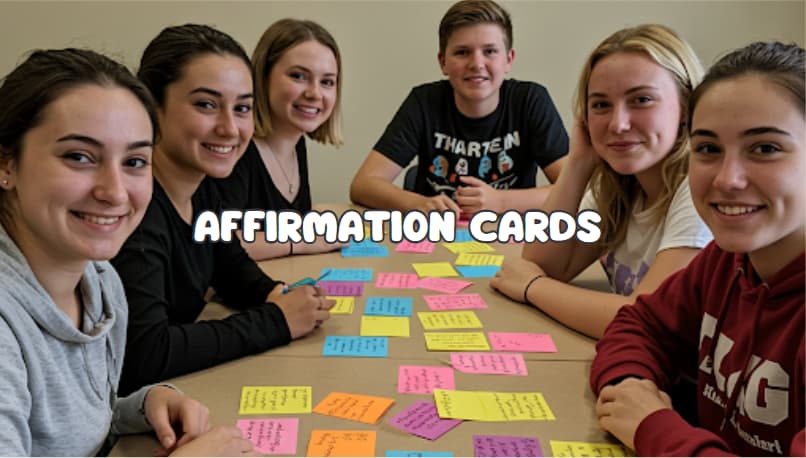
Affirmation cards are a powerful tool for boosting self-esteem and encouraging a positive mindset.
By writing and reading positive affirmations, teens can combat negative thoughts and develop a more optimistic outlook. This activity can be particularly helpful for teens struggling with self-doubt or low confidence.
- Materials Needed: Blank index cards or small pieces of paper, pens or markers.
- How to do: Have each student write down 3–5 positive affirmations on index cards. These can be about their strengths, abilities, or qualities they appreciate about themselves. Encourage them to read these affirmations daily, especially during moments of stress or self-doubt.
9. Physical Exercise
Engaging in physical activities is a great way to boost mental health and improve moods for teens during emotional or academic stress.
Exercises like stretching, yoga, or even a quick workout can release endorphins, the brain’s natural mood enhancers. Regular exercise helps teens manage anxiety, increase energy, and improve their focus in school.

- Materials Needed: Open space, workout mats or equipment if needed.
- How to do: Organize a short physical activity session—such as stretching, yoga, or light aerobic exercises. Focus on breathing techniques, encouraging students to inhale deeply during stretches and exhale during movement.
10. Aromatherapy Relaxation
Aromatherapy uses essential oils to promote relaxation and reduce stress.
Many scents, such as lavender and eucalyptus are known for their calming effects, helping teens unwind and clear their minds. It’s perfect for creating a soothing atmosphere before exams or stressful events.

- Materials Needed: Essential oils (lavender, peppermint, eucalyptus), diffuser, cotton balls or small cloths (optional).
- How to do: Diffuse calming oils in the room or place a few drops on cotton balls. Encourage students to breathe deeply and slowly as they relax, focusing on the soothing scents.
Frequently Asked Questions
1. What are fun mental wellness activities?
Fun mental wellness activities for teens include gratitude journaling, creative art projects, mindfulness games, and stress-relief exercises like using fidget tools or doing light yoga. These activities not only support emotional health but also keep students engaged and motivated.
2. What activities can you do on a mental health day?
On a mental health day, teens can benefit from relaxing yet meaningful activities like meditation, yoga, drawing or painting, writing in a journal, spending time in nature, or even doing breathing exercises. The goal is to unwind, reflect, and recharge emotionally and mentally.
Final Thoughts
Mental health activities for teens play a vital role in supporting their emotional growth and overall well-being. These activities don’t need to be complex—small, consistent efforts can make a big impact.
Whether it’s a moment of mindfulness, a creative outlet, or open discussion, each one helps teens build resilience and self-awareness. By prioritizing mental health in the classroom, educators create a space where students feel safe, supported, and ready to learn!


