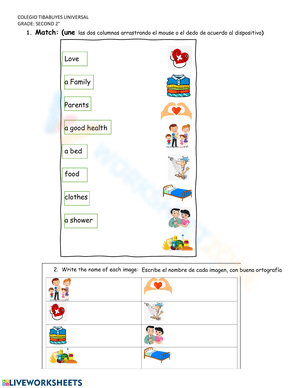
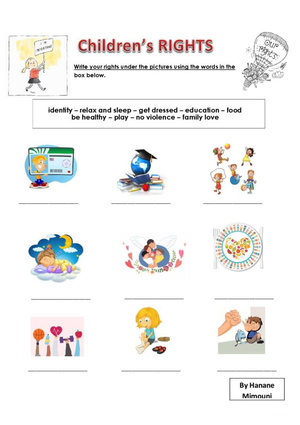
Young learners hear the word rights long before they understand what it means. An I Have Rights worksheet gives kindergarten through second grade students a concrete entry point into that idea by pairing a simple statement, such as I have the right to feel safe at school, with a picture students can match, color, or sort. Instead of asking six and seven year olds to analyze abstract legal language, these activities let them recognize a right when they see it in a familiar setting like the classroom, the playground, or home. That grounding matters because civics instruction at this age works best when it starts from lived experience rather than policy text.
Why Rights and Responsibilities Belong in the Same Lesson
Early elementary civics units commonly pair rights with responsibilities so students learn that rights are not absolute and come bundled with expectations of good citizenship. A worksheet that only lists rights risks teaching entitlement without balance, so most classroom-ready activities ask students to match each right to a matching responsibility, such as I have the right to learn paired with I have the responsibility to listen. This structure helps second graders build a mental model where fairness runs in both directions, which prepares them for later lessons on classroom rules, community helpers, and eventually the Bill of Rights.
Teachers who introduce rights and responsibilities as a matched pair, rather than teaching rights alone, tend to see fewer instances of students citing a right to justify ignoring a classroom expectation, since the worksheet has already modeled that every right sits next to a corresponding duty.
Worksheet Formats That Fit Early Readers
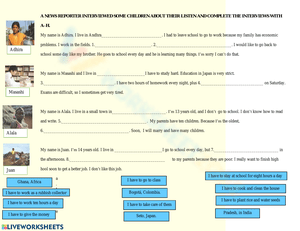
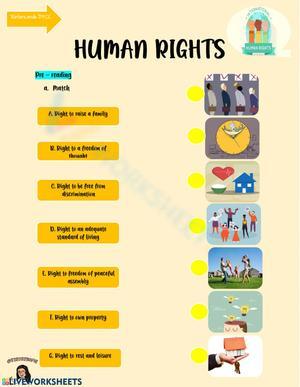
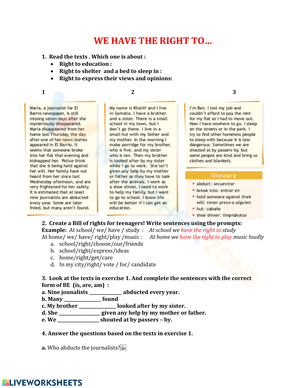
Because K-2 students are still building reading fluency, the strongest worksheets in this category rely on formats that reduce the reading load. Common activities include matching pictures to short rights statements, illustrating a right in a blank box after hearing it read aloud, and sorting picture cards into rights and responsibilities columns. Bill of Rights-themed worksheets for this age group typically stay illustration-based rather than text-heavy, which keeps the cognitive demand appropriate for early readers while still exposing them to the vocabulary of civics. A teacher can rotate through these formats across a week so students see the same core ideas from different angles without the lesson feeling repetitive.
Classroom Implementation
A practical way to use these worksheets is to open with a short read-aloud or class discussion about a familiar right, then move straight into the matching or sorting activity while the vocabulary is fresh. Grade 2 teachers often find it useful to keep the first worksheet purely rights-focused, then introduce a second worksheet a day later that adds the responsibilities column, so the pairing does not overwhelm students in a single sitting. For small-group intervention, printing the picture cards separately and letting students physically sort them on a table works better than a static worksheet, since it allows for immediate teacher feedback and easy re-sorting when a student changes their mind. Pairing the worksheet with a two to three minute class meeting, where volunteers share one right and one responsibility they identified, extends the lesson without adding significant prep time.
Frequently Asked Questions
1. What grade level are I have rights worksheets best suited for?
These worksheets are designed primarily for kindergarten through second grade, with Grade 2 appearing most often as the target level in civics and community-building units. The picture-based format matches the reading level of students who are still developing decoding skills.
2. How do these worksheets differ from Bill of Rights worksheets for older students?
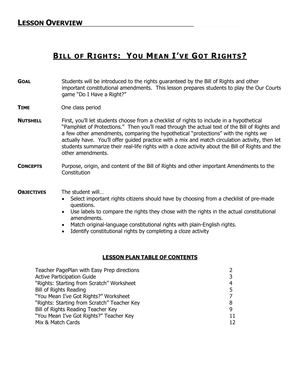
For K-2 students, Bill of Rights concepts are simplified into illustration-based activities about everyday fairness, safety, and respect rather than the text-heavy constitutional analysis used with older elementary or middle school students.
3. How can teachers use these worksheets alongside classroom rules or community-building lessons?
Pairing a rights worksheet with an existing classroom-rules chart lets students connect an abstract right, such as the right to be heard, to a concrete rule they already follow, which reinforces both lessons at once.
4. What is the difference between teaching rights and teaching responsibilities in the same lesson?
Rights describe what a student is entitled to, while responsibilities describe the behavior expected of them in return. Teaching both together, rather than rights alone, helps students see citizenship as a two-way relationship.
5. How can teachers assess student understanding after using a rights worksheet?
A short exit ticket asking students to draw a right and name its matching responsibility, or a quick verbal check during a class meeting, gives teachers a fast formative snapshot without requiring a separate quiz.