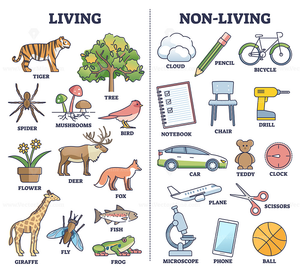
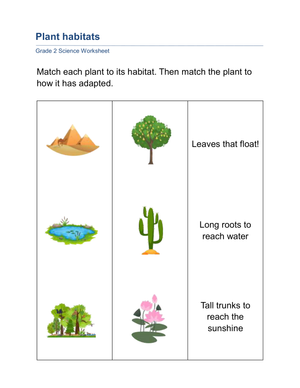
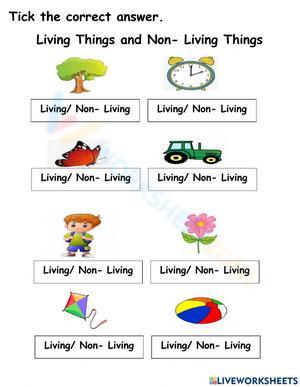
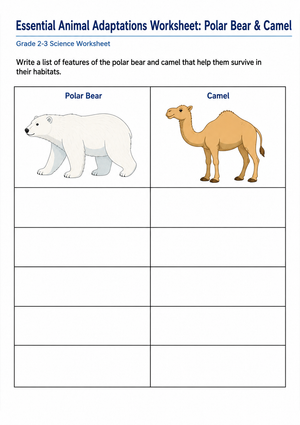
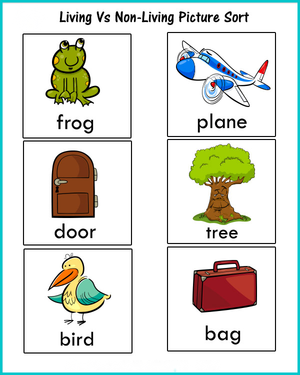
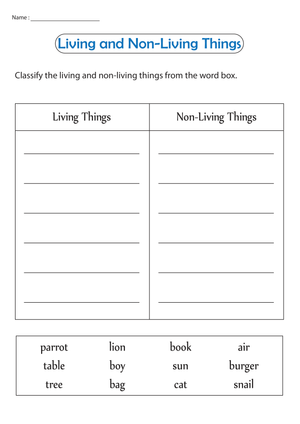
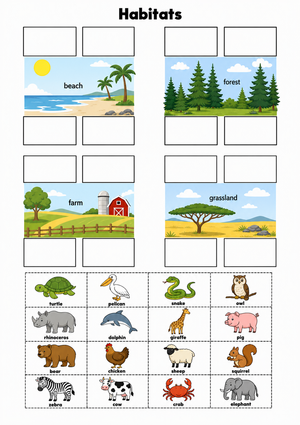
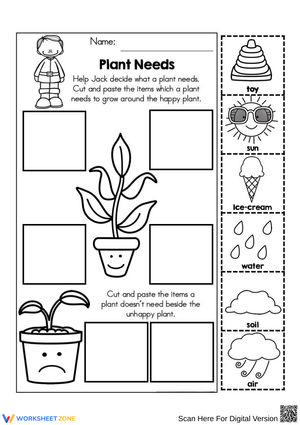
Second graders are at the perfect age to ask big science questions about everyday objects. Is a seed living? What about a rock? Can a toy move but still be non living? 2nd grade living and non living things worksheets help students explore these ideas in a simple, visual, and age-appropriate way. Through sorting, labeling, matching, and short explanation tasks, learners begin to understand that living things grow, need air or water, respond to their environment, and can reproduce, while non living things do not carry out these life processes.
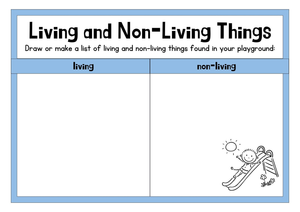
One useful classroom starting point is observation. Students can look around the room and name things they see: plant, pencil, class pet, chair, book, insect, water bottle, and backpack. From there, worksheets can guide them to sort each item into living or non living categories. This helps students move beyond guessing and begin using evidence. A plant is living because it grows and needs water. A pencil is non living because it does not grow, breathe, or need food. These small comparisons build early scientific reasoning.
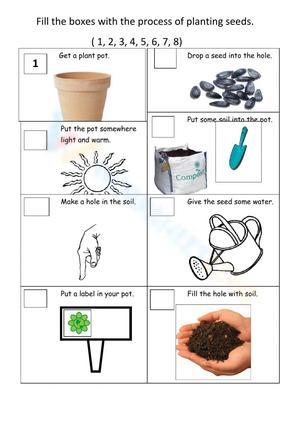
Hands-on activities can make the concept even clearer. Teachers might invite students to observe a plant over several days, compare a toy animal with a real animal, or discuss why fire can move and change but is still not considered a living thing. To add more discovery-based learning, teachers can explore science experiments for kids and choose simple activities that help students observe, classify, and explain the world around them. When worksheet practice follows real observation, students are more likely to remember the difference between living and non living things.
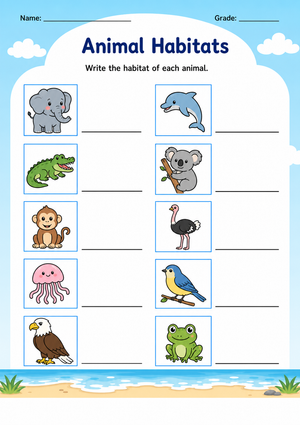
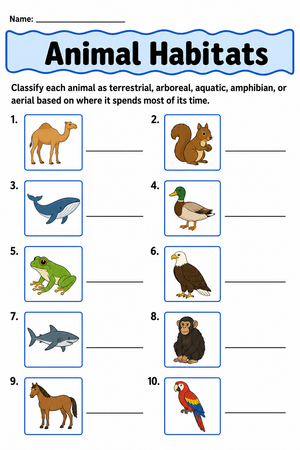
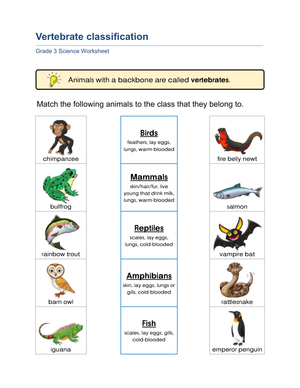
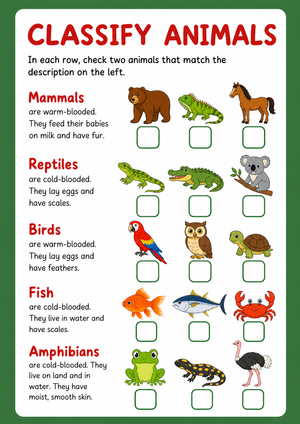
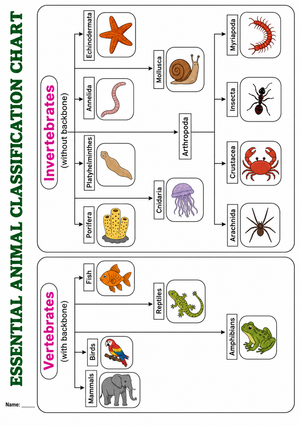
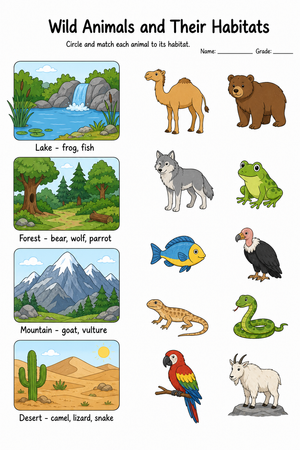
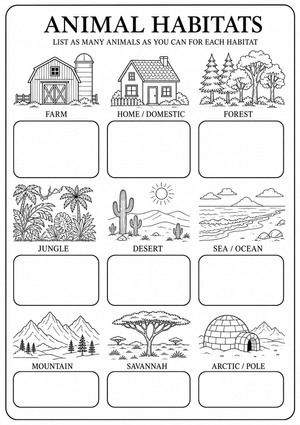
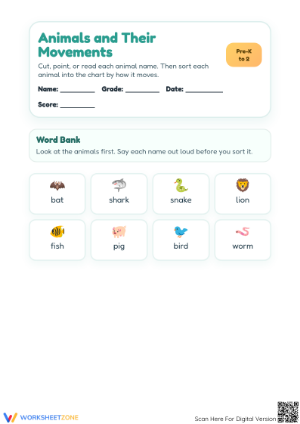
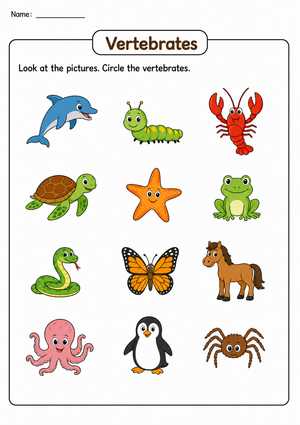
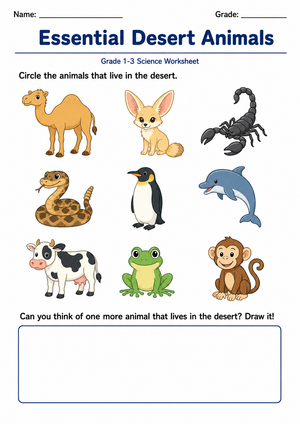
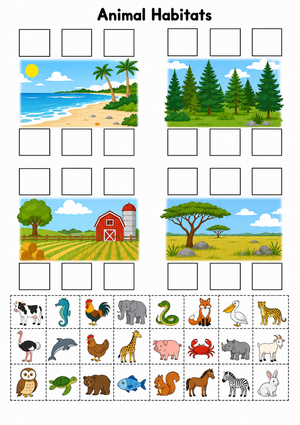
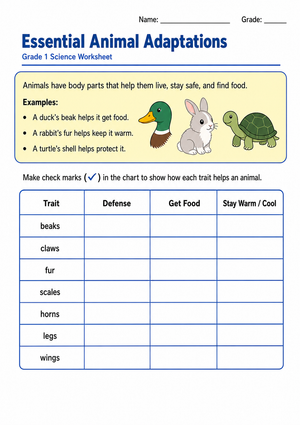
This topic also connects naturally to animal and plant classification. Once students understand what makes something living, they can begin grouping living things into smaller categories, such as animals, plants, insects, birds, mammals, and reptiles. For lessons that move from basic classification into animal groups, animal classification worksheets can help students extend their thinking. They can first decide whether something is living, then ask what type of living thing it is and what traits it has.
2nd grade living and non living things worksheets support science vocabulary, observation, sorting, reading comprehension, and early explanation skills. The best activities use familiar examples, clear pictures, and simple questions that encourage students to think carefully. Whether used in a classroom, homeschool lesson, science center, or review session, these worksheets help young learners build a strong foundation for understanding life science and classification.
Frequently Asked Questions
Question 1: What should 2nd grade living and non living things worksheets include?
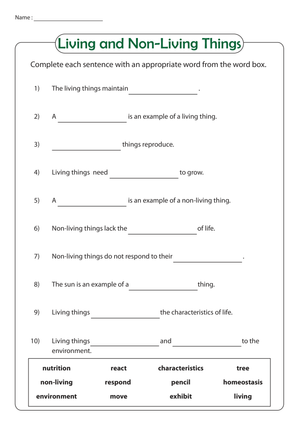
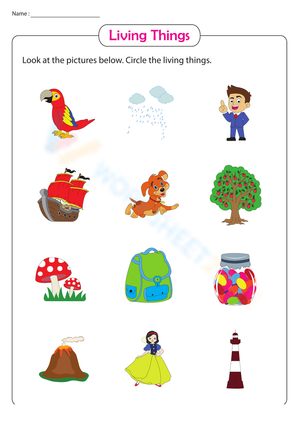
Good worksheets should include clear examples of both living and non living things, such as animals, plants, rocks, toys, water, chairs, insects, and trees. Activities may ask students to sort pictures, match vocabulary, circle living things, or explain why an object belongs in one category. Strong worksheets should also introduce simple life process ideas, such as growth, need for food or water, movement, reproduction, and response to the environment.
Question 2: How do these worksheets help second graders learn science?
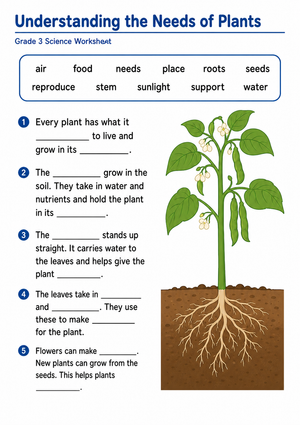
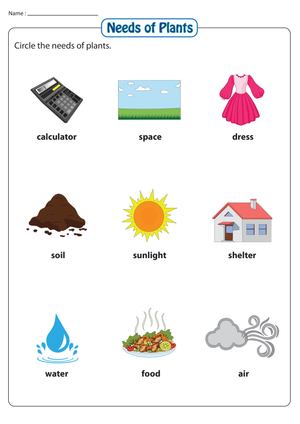
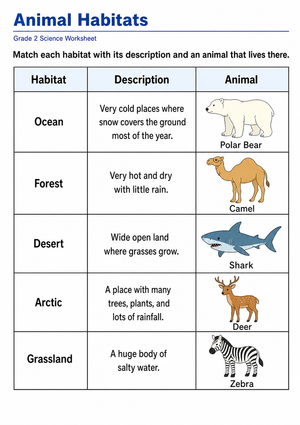
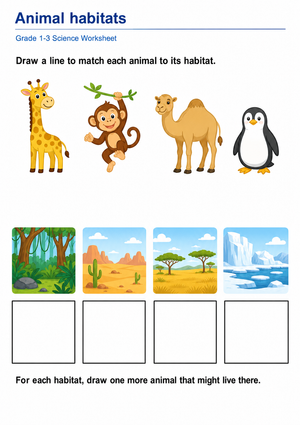
These worksheets help second graders practice observation and classification, which are important early science skills. Instead of simply memorizing definitions, students look at examples and decide whether each item shows signs of life. This supports critical thinking because learners must explain their choices. The activities also build vocabulary and help students prepare for later science topics, such as animal groups, plant needs, habitats, and ecosystems.
Question 3: What are good examples of living and non living things for 2nd graders?
Good living thing examples include people, dogs, cats, birds, fish, insects, trees, flowers, grass, and seeds. Good non living thing examples include rocks, pencils, tables, shoes, balls, cars, books, water bottles, and clouds. Teachers should choose familiar examples first, then introduce trickier cases such as seeds, fire, water, and robots. These examples encourage discussion and help students understand that movement alone does not make something living.
Question 4: How can teachers make living and non living things lessons more engaging?
Teachers can make the lesson more engaging by combining worksheets with observation walks, classroom object sorting, picture cards, plant care activities, or simple discussions about pets and nature. Students can walk around the classroom or schoolyard, list items they see, and classify them as living or non living. Afterward, worksheets help them organize their thinking, use science vocabulary correctly, and explain their answers in writing or conversation.












 Interactive Worksheet Maker
 Quiz Maker
 Word Search Maker
 Crossword Puzzle Maker
 Word Scramble Generator
 Sentence Scramble Generator
 Handwriting Worksheet Generator
 Name Tracing Generator
 Fill In The Blank Generator