




















Learning science doesn’t have to happen in a lab; kids can explore big ideas with simple materials found at home or school. These science experiments for kids make learning fun, hands-on, and curiosity-driven. From bubbling volcanoes to floating eggs, each activity teaches important STEM concepts in a way that feels like play. Whether you’re a parent searching for weekend projects or a teacher looking for classroom inspiration, these experiments will ignite a love for discovery in every young scientist.
Easy science experiments for kids at home
Turn your kitchen or backyard into a mini-lab with these exciting science experiments for kids at home. Each one uses safe, everyday materials that bring chemistry, physics, and biology to life.
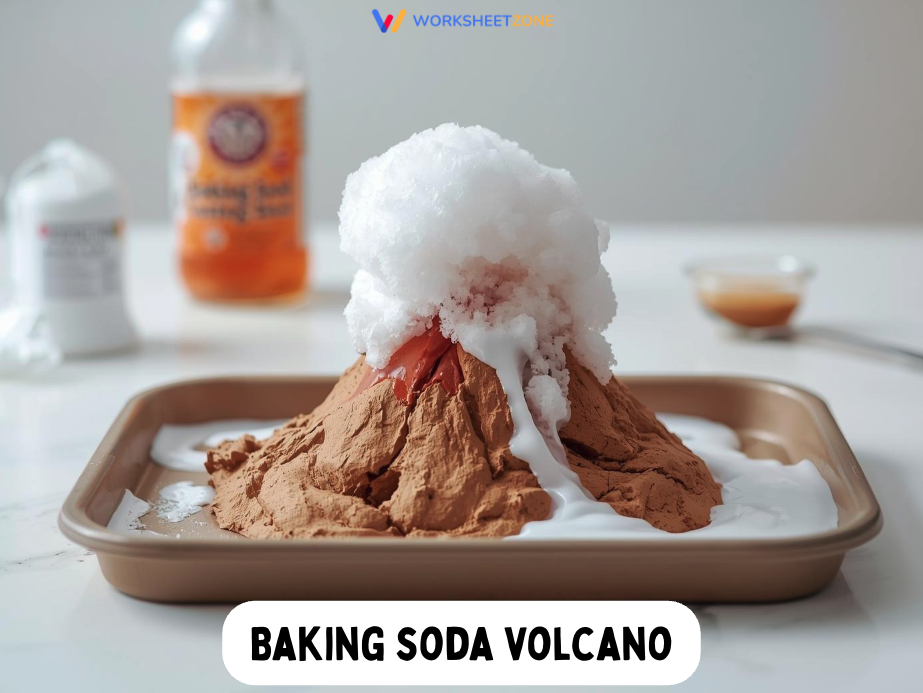
1. Baking soda volcano
A classic chemical reaction that fizzes, bubbles, and mimics a real volcanic eruption.
Materials: Baking soda, vinegar, dish soap, food coloring, small container.
How to do:
- Place the container on a tray and fill it with baking soda.
- Add a few drops of dish soap and food coloring.
- Pour in vinegar and watch the colorful lava erupt.
Science is the perfect way to introduce real-life cause and effect relationships. For instance, when you mix certain ingredients, the chemical reaction is the effect of that combination.
2. Dancing raisins
Explore how gas bubbles affect buoyancy in this fizzy, fun experiment.
Materials: Clear glass, soda water, raisins
How to do:
- Fill a glass with soda water.
- Drop in a few raisins and watch them sink and rise as carbonation lifts them up.
3. Magic milk colors
Discover surface tension with colorful swirling milk art.

Materials: Whole milk, food coloring, dish soap, cotton swab, and plate.
How to do:
- Pour milk into a shallow plate.
- Add drops of food coloring around the milk.
- Dip a soapy cotton swab into the milk and watch the colors swirl away.
4. Lemon volcano
Turn an ordinary lemon into a mini volcano bursting with fizz.
Materials: Lemons, baking soda, food coloring, dish soap, spoon.
How to do:
- Cut the lemon in half and squeeze it slightly.
- Add baking soda and food coloring on top.
- Stir gently with a spoon to start the reaction.
5. Skittles rainbow plate
Watch colors spread and blend into a rainbow masterpiece.
Material: Skittles, warm water, white plate.
How to do:
- Arrange Skittles in a circle on the plate.
- Pour warm water in the center and watch the colors spread beautifully.
6. DIY lava lamp
Explore density and chemical reactions in a glowing homemade lamp.
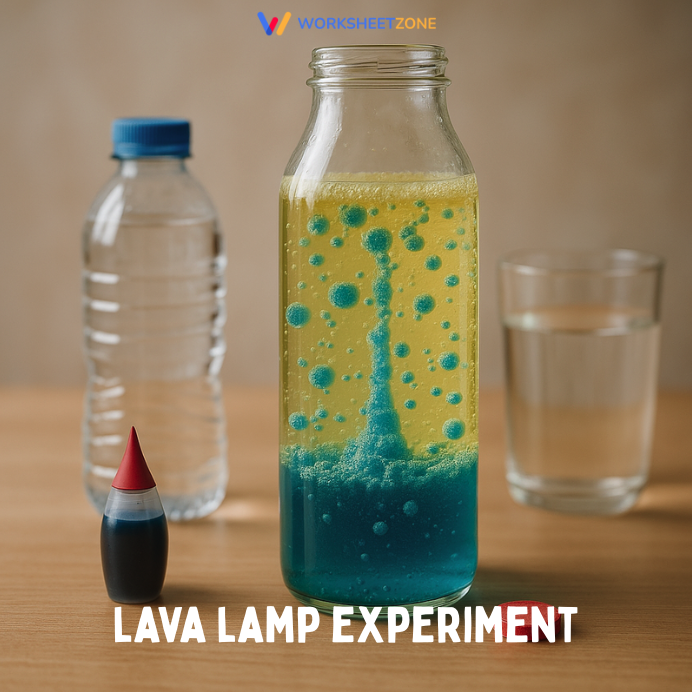
Materials: Clear bottle, water, oil, food coloring, and effervescent tablet.
How to do:
- Fill a bottle ¾ with oil and the rest with water.
- Add food coloring and drop in a fizzing tablet.
- Watch the colorful blobs rise and fall.
7. Floating egg experiment
Learn about density and buoyancy using just salt and water.
Materials: 2 glasses, water, salt, and an egg.
How to do:
- Fill both glasses with water.
- Add several tablespoons of salt to one glass and stir.
- Gently drop an egg into each glass and see which one floats.
8. Bean sprouts in a bag
Observe plant growth and germination up close.
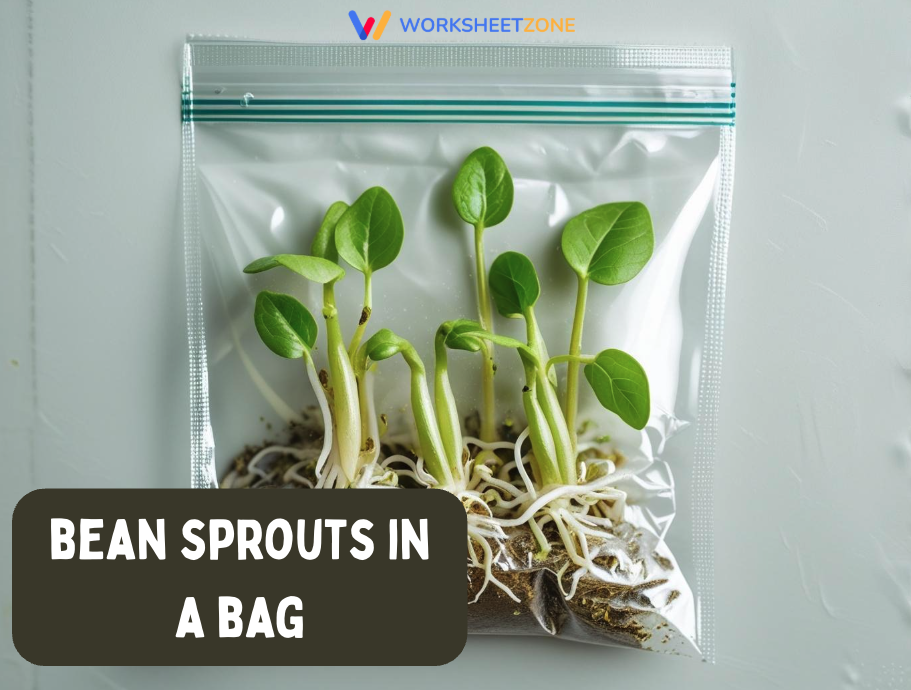
Materials: Plastic bag, damp paper towel, bean seed, and tape.
How to do:
- Wet the paper towel and place it in the bag.
- Add a bean seed and seal the bag.
- Tape it to a sunny window and observe growth daily.
9. Rainbow celery sticks
Explore how plants absorb water through capillary action.
Materials: Celery stalks, water, food coloring, cups.
How to do:
- Fill cups with colored water.
- Place a celery stick in each cup and leave overnight.
- Notice the color rising through the stalk.
10. Invisible ink messages
Reveal hidden messages using lemon juice and heat.
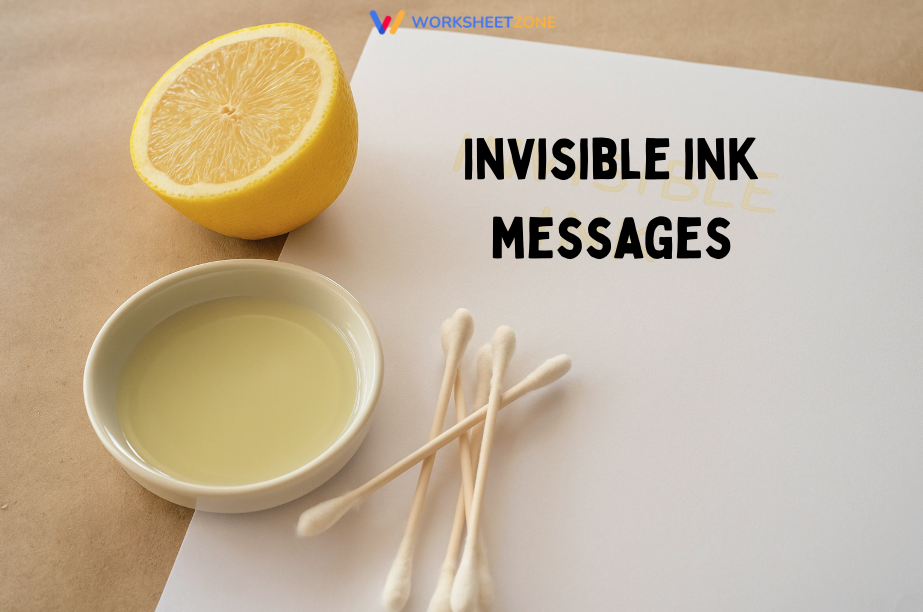
Materials: Lemon juice, cotton swab, white paper, light bulb or iron.
How to do:
- Dip a cotton swab in lemon juice and write on paper.
- Let it dry completely.
- Gently heat the paper to reveal the invisible message.
11. Homemade butter
A fun way to show how motion can change liquids into solids.
Materials: Heavy cream, small jar with lid.
How to do:
- Pour cream into the jar and seal tightly.
- Shake for several minutes until the butter forms.
- Separate the liquid and enjoy your homemade butter!
Science experiments for kids to try in the classroom
Classrooms are the perfect place for collaboration and curiosity. These science experiments for kids are designed for group participation, creativity, and critical thinking – all while teaching core STEM concepts.
1. Paper bridge strength test
Learn how shape and structure affect strength and stability.
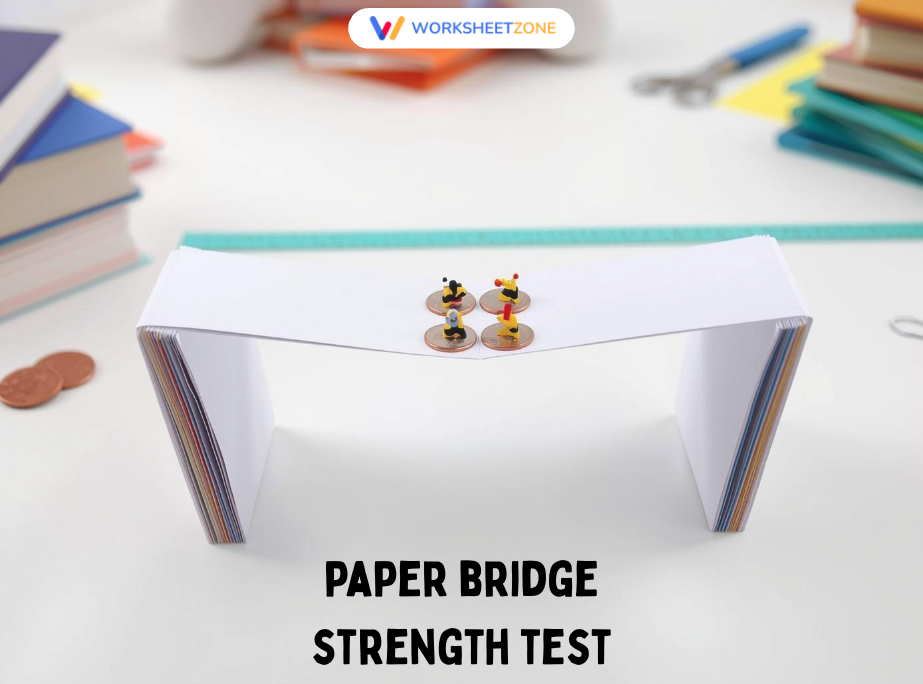
Material: Paper sheets, books, coins.
How to do:
- Fold paper in different ways (flat, fan, arch).
- Place each design between books and test how many coins it holds.
2. Balloon car race
Explore motion and propulsion with balloon-powered vehicles.
Materials: Balloon, straws, tape, wheels (bottle caps), cardboard.
How to do:
- Build a small car using cardboard and bottle caps.
- Attach a balloon through a straw to the car.
- Blow up the balloon, release it, and watch it race!
3. Egg drop challenge
Put physics to the test by designing an egg-safe parachute or container.
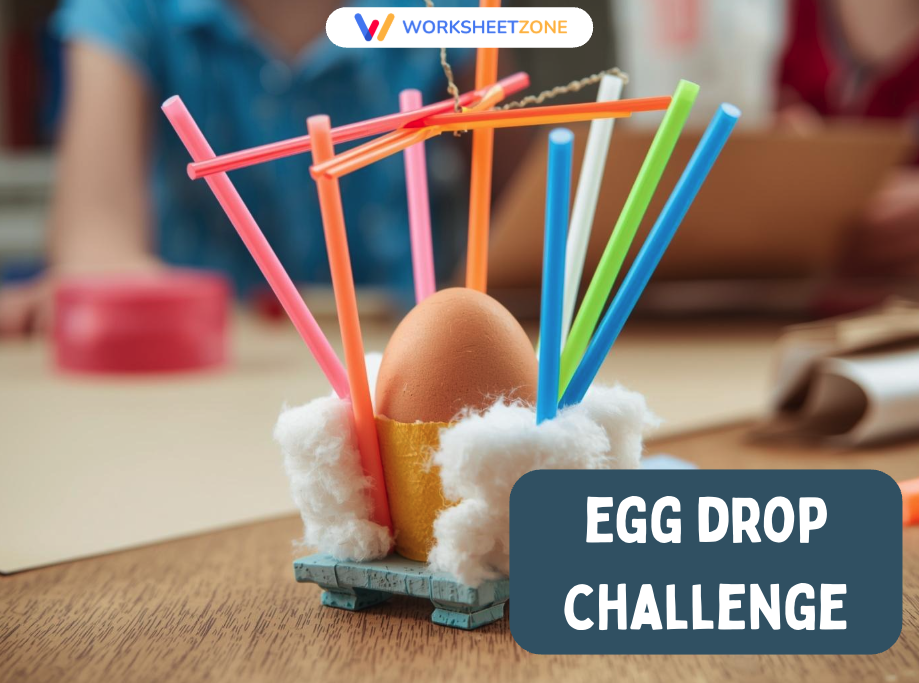
Materials: Eggs, straws, cotton balls, tape, and cardboard.
How to do:
- Build a protective case around your egg.
- Drop it from a height and see if it survives.
- Discuss what worked and why.
Wanna explore hands-on physics challenges? Check out more egg drop ideas that will get kids experimenting, testing, and laughing through every drop!
4. Red cabbage pH indicator
Discover acids and bases through color-changing reactions.
Materials: Red cabbage, hot water, cups, vinegar, baking soda, lemon juice.
How to do:
- Boil cabbage leaves to make purple liquid.
- Pour into cups and add different household liquids.
- Watch the color change to pink (acid) or green (base).
5. Static electricity butterflies
See how static electricity can make paper wings flutter.
Materials: Tissue paper, balloon, cardboard, tape.
How to do:
- Cut butterfly shapes and tape them to cardboard.
- Rub a balloon on your hair to create static.
- Hold the balloon above the butterfly to make the wings lift.
6. Sound wave cup phones
Experiment with vibrations and sound transmission.

Materials: 2 paper cups, string, paperclip.
How to do:
- Punch holes at the bottom of the cups.
- Thread the string through and tie it to paperclips.
- Pull the string tight, talk, and see how sound travels through vibrations!
Recommendation: Exploring the physics of noise is fascinating for elementary students. While conducting experiments with rubber bands or tuning forks, teaching loud and soft sounds through interactive paper-based activities helps reinforce the concept of sound energy and volume.
7. Magnet maze game
Explore magnetism and forces through a creative maze.
Materials: Paper, paperclip, magnet, cardboard.
How to do:
- Draw a maze on cardboard and place a paperclip on top.
- Move a magnet underneath to guide it through the maze.
8. Balloon-powered boat
Learn how air pressure and propulsion work on water.
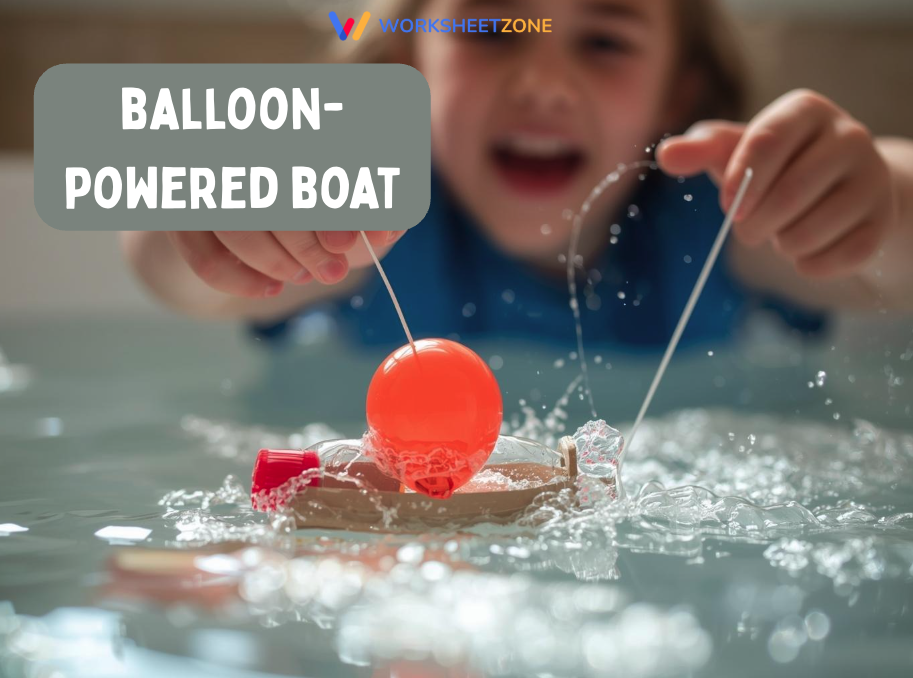
Materials: Balloon, straw, tape, small plastic boat or sponge.
How to do:
- Tape the straw and balloon to the boat.
- Inflate the balloon and release it in a tube of water.
- Watch your boat glide forward!
9. Erosion tray experiment
Understand how water shapes land and soil over time.
Materials: Shallow tray, soil, sand, and small cups of water.
How to do:
- Build small hills with sand and soil.
- Pour water from different angles and observe how it moves the earth.
10. Simple circuit light bulb
Introduce electricity with a hands-on wiring activity.
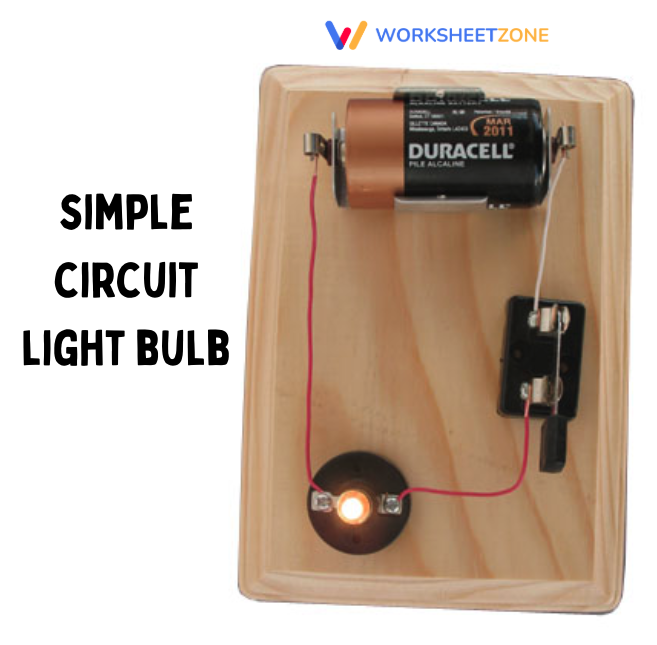
Materials: Battery, bulb, wires, tape.
How to do:
- Connect one wire from the battery to the bulb’s base.
- Connect the other wire to the bulb’s side.
- Watch the bulb light up when the circuit is complete.
11. Paper spinner experiment
Observe how air resistance affects falling speed.
Materials: Paper, scissors, paperclip.
How to do:
- Cut a strip of paper and fold it to make wings.
- Attach a paperclip at the bottom for weight.
- Drop it and observe the spinning motion.
FAQs
1. What are the main benefits of doing science experiments at home?
Conducting science experiments at home allows children to explore scientific concepts in a comfortable, low-pressure environment. These activities foster critical thinking and problem-solving skills as kids observe cause-and-effect relationships firsthand. By using everyday household items, parents can demonstrate that science is a practical part of daily life, encouraging a natural curiosity that extends beyond the classroom.
2. How can teachers integrate these experiments into a lesson plan?
Teachers can integrate these experiments by aligning them with specific curriculum standards like states of matter or plant biology. Using these activities as a hands-on “hook” at the beginning of a lesson can immediately engage student interest. Following up with interactive worksheets or reflective journals ensures that students process the underlying STEM principles while developing their scientific vocabulary and collaborative skills.
Final thoughts
Science is about curiosity, and these science experiments for kids bring that curiosity to life. Whether children are testing air pressure, growing seeds, or designing balloon-powered racers, they’re building the skills that future innovators need: observation, creativity, and persistence. Encourage kids to ask “what if” and “why” during every experiment, because every question sparks the next discovery. Keep the curiosity going by turning every question into an experiment and exploring even more printable science worksheets at Worksheetzone – where learning and fun collide!


