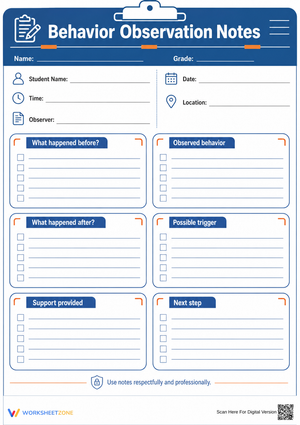
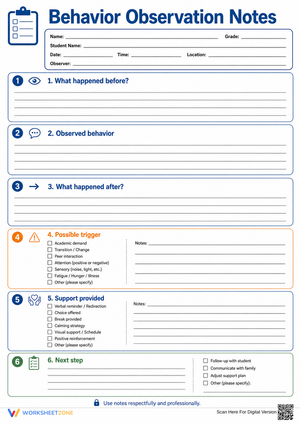
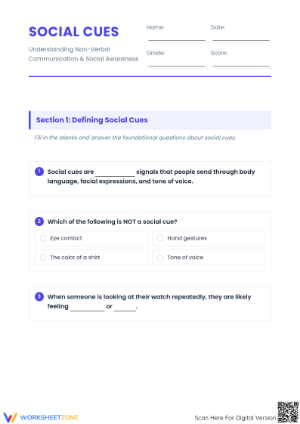
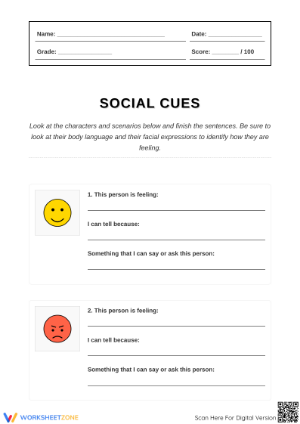
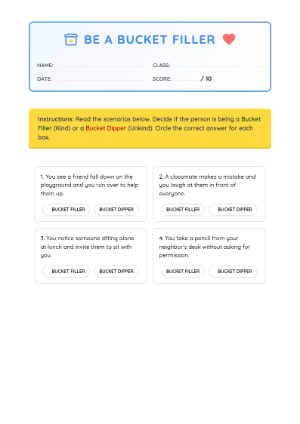
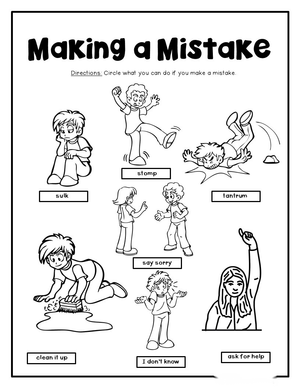
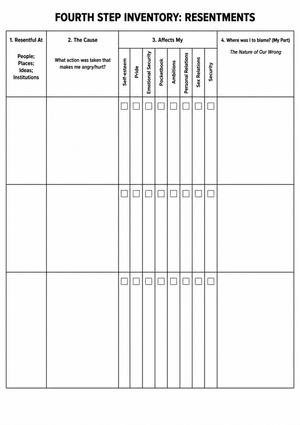
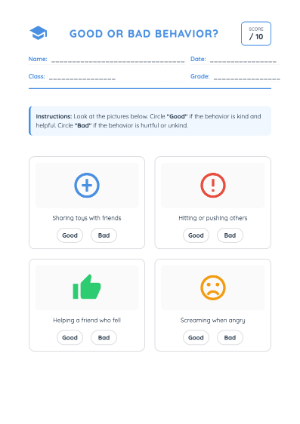
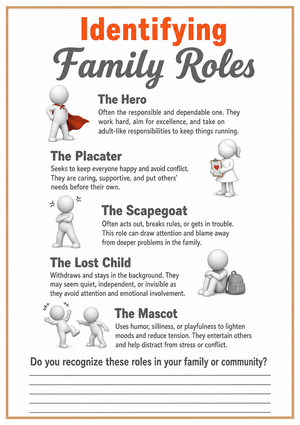
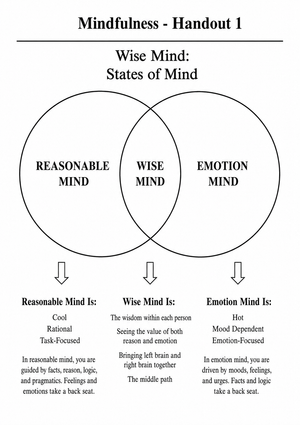
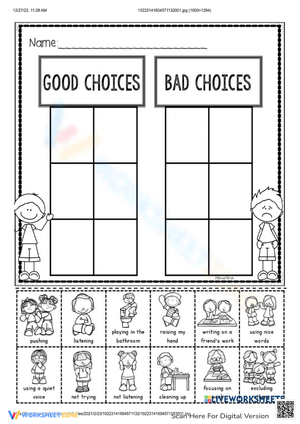
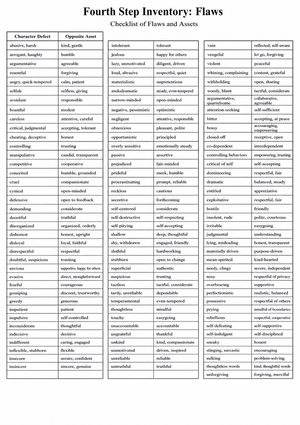
These social skills worksheets for 11th grade target the social-emotional terrain that actually changes in junior year: not basic listening posture or turn-taking, but the harder work of managing professional first impressions, navigating high-stakes conflict without burning relationships, and reading context fluidly across settings as different as a college interview and a group project gone sideways.
Skills Covered Across the Set
The worksheets address five competency areas, each covered by multiple resources that increase in complexity within the cluster.
- Professional communication: tone calibration across contexts, email conventions, elevator pitch structure, and the explicit adjustment of language between peer and professional settings
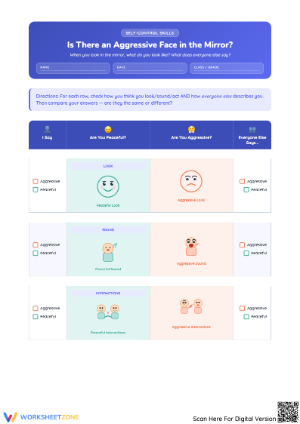
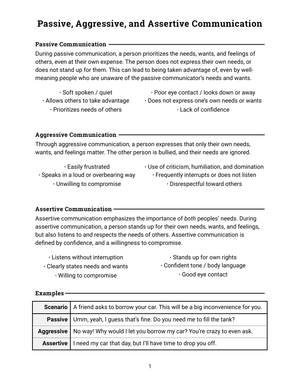
- Conflict resolution: distinguishing assertive from aggressive responses, practicing difficult conversations at three different registers of formality, and thinking through the long-term relational cost of various choices
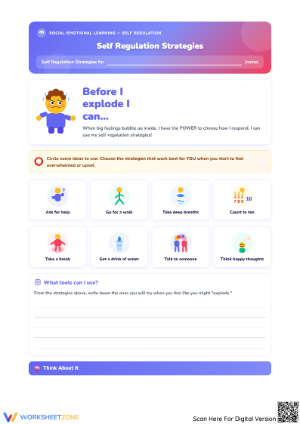
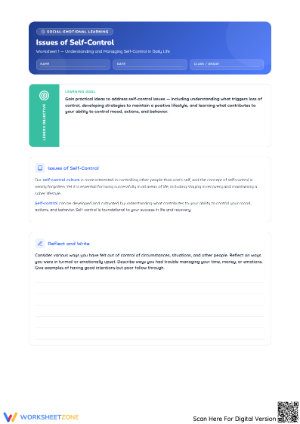
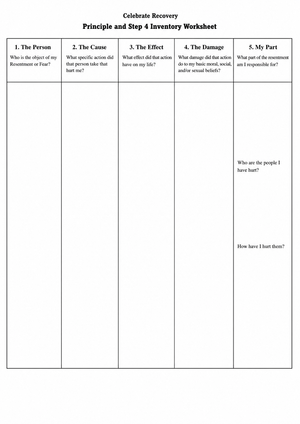
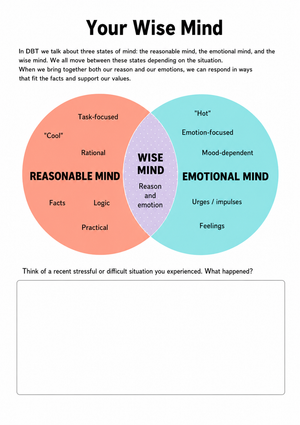
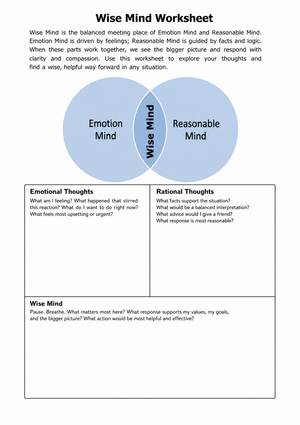
- Self-regulation under pressure: identifying emotional triggers during high-stakes windows — college application season, standardized testing, early workplace situations — and developing specific strategies before those moments arrive
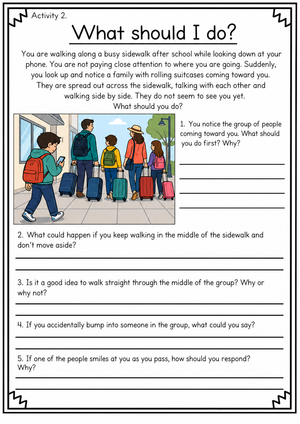
- Empathy and perspective-taking: moving past the surface-level "how would you feel" prompt toward analyzing why someone might make a choice the student disagrees with, particularly across social power differentials
- Digital citizenship: handling online conflict, adjusting communication norms by platform, and confronting the practical reality that college admissions officers and hiring managers search applicant names
These social skills worksheets for 11th grade are organized so each worksheet stands alone as a warm-up or fits into a sequenced unit — teachers don't need to use the full set to get value from individual resources.
What Makes 11th Grade SEL Different
Junior year is where social skills instruction stops feeling abstract to students. Many 11th graders are already in part-time jobs, pursuing internships, or deep into the college application process — contexts where the skills being taught carry real and immediate stakes. A student who manages peer conflict well may still write an email to a college admissions office that reads as overly casual, or freeze in a professional networking situation they have never been prepared for. The worksheets address that gap rather than rehearsing content students already encountered in 9th grade. Scenarios are calibrated to the cognitive level of junior-year students: situations involving institutional power dynamics, competing obligations, and social consequences that extend beyond a single conversation. Students at this age will tell you plainly when SEL material feels like something from middle school, and they're usually right. These worksheets don't.
Mistakes Students Make That These Worksheets Surface
The most consistent error in 11th grade assertive communication work is conflating directness with aggression. When asked to address a non-contributing group member, many students write something like "I told them to start contributing or I'd report them to the teacher" and label that assertive. The rewrite prompts on the conflict resolution worksheets — same scenario, three different levels of formality — make the distinction concrete in a way class discussion alone rarely accomplishes. A subtler pattern appears in self-awareness work: a student who correctly identifies on one worksheet that she shuts down when her ideas are dismissed will then describe a character in the next worksheet's scenario — a character doing exactly that — as "just being antisocial." The two self-awareness worksheets in the set space the same underlying dynamic across different social contexts precisely to give students multiple chances to catch the pattern rather than recognizing it only in their original reflection.
How to Fit These Worksheets Into Your Planning
Advisory periods and health class are the natural homes, but the most effective placements tie these worksheets to moments when the skills are immediately relevant. In October and November — when college application pressure is highest and junior friend groups are under visible stress — the self-regulation and conflict resolution worksheets function as tools rather than assignments. Dropping a conflict resolution warm-up before an ELA debate gives students a framework they actually use within the same period. The digital citizenship worksheet on professional online presence works best in a two-stage sequence: students respond to the prompts cold, then revisit their answers after a discussion of what admissions officers and hiring managers actually find during name searches. The gap between the first draft and the revised version consistently generates the sharpest discussion of the unit. For teachers building out a full-semester SEL sequence, social skills worksheets for 11th grade have more impact when they recur in short doses across the semester than when they're clustered into a single intensive unit.
Standard Alignment
These worksheets align to the CASEL framework across all five core competency areas — self-awareness, self-management, social awareness, relationship skills, and responsible decision-making — at the high school performance level. CASEL's high school indicators describe relationship skills specifically in terms of navigating formal and community contexts, which is where the professional communication and digital citizenship worksheets concentrate. States using the Illinois Social-Emotional Learning Standards will find the set addresses all three SEL Goals (self-awareness and self-management; social awareness and interpersonal skills; responsible decision-making and problem-solving) within the 9–12 grade band. The responsible decision-making worksheets engage the ethical dimensions of behavior in institutional and public settings, consistent with CASEL's expectations for high school students.
Reaching Every Learner in a Mixed Junior Class
Students who find open-ended reflection prompts difficult to start respond better to the sentence-completion framing used in the self-awareness worksheets: "I misread the situation when _______ because I assumed _______" lowers the entry barrier without simplifying the cognitive task. For students who need more challenge, the same worksheet extends when you ask them to write a counter-argument to their own reflection, or to reanalyze the scenario from the perspective of someone with different institutional standing in the situation. English language learners working through vocabulary distinctions — assertive vs. aggressive, empathy vs. sympathy — benefit from a brief visual reference kept visible during the task. The digital citizenship worksheets tend to level the playing field more than most SEL resources: nearly every 11th grader has navigated an uncomfortable online interaction, which puts students with IEPs and ELL students on the same experiential footing as their peers when working through those prompts.
Frequently Asked Questions
Can these worksheets be used outside a dedicated SEL class?
Yes. The professional communication and conflict resolution worksheets integrate naturally into ELA, advisory, and college and career readiness courses. A worksheet on tone in a difficult conversation works as a warm-up before any Socratic seminar or structured debate. Some teachers use the self-regulation worksheets at the start of exam prep blocks, when students are visibly stressed and a brief grounding activity matters. The instruction holds better when each worksheet appears in a moment where the skill it addresses is directly relevant to what students are navigating that week — not as a standalone SEL activity divorced from anything real.
How long does each worksheet take to complete?
Individual completion runs 15 to 25 minutes for most worksheets. The LinkedIn profile exercise in the digital citizenship cluster frequently extends to 30 minutes — students need time to work through the gap between how they casually present themselves online and what professional self-presentation actually requires. Build in buffer time if you plan a class debrief, since the digital identity conversation in particular tends to run long once students compare their two drafts.
Are these appropriate for use in individual counseling sessions?
School counselors use several worksheets in this set — particularly the self-regulation and conflict resolution resources — during one-on-one sessions. The structured prompt format gives students an entry point into conversations they might resist if approached more directly. The conflict resolution worksheet is better suited to preparation or post-event reflection than to active crisis response; counselors should preview it before using it with a student who is in the middle of an unresolved interpersonal dispute.
How do these differ from generic high school SEL materials?
Most high school SEL resources stay at the peer relationship level — managing friendships, navigating group dynamics, handling basic conflict. These social skills worksheets for 11th grade push into professional and institutional contexts: workplace communication, formal networking, digital reputation management, and the specific conflict dynamics that emerge when friend groups are under the pressure of imminent post-graduation divergence. That is the territory where 11th graders are most underprepared, and most motivated to work.












 Interactive Worksheet Maker
 Quiz Maker
 Word Search Maker
 Crossword Puzzle Maker
 Word Scramble Generator
 Sentence Scramble Generator
 Handwriting Worksheet Generator
 Name Tracing Generator
 Fill In The Blank Generator




 BACK TOSCHOOL