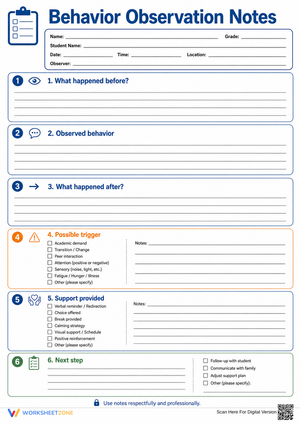
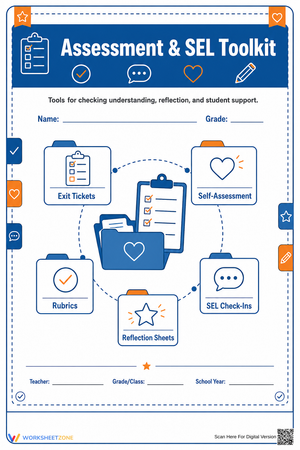
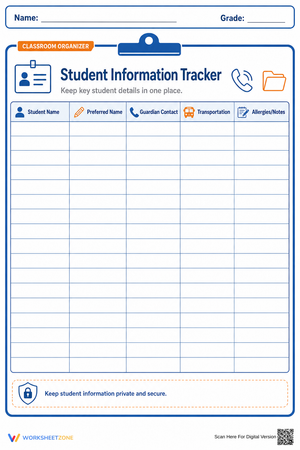
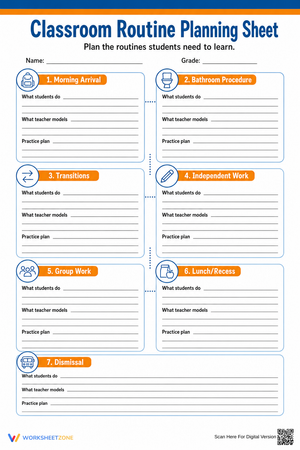
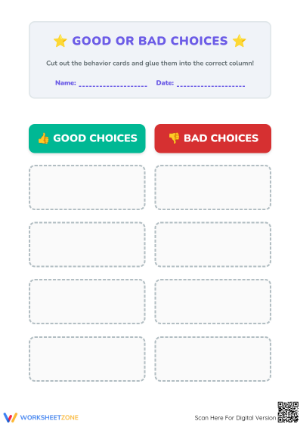
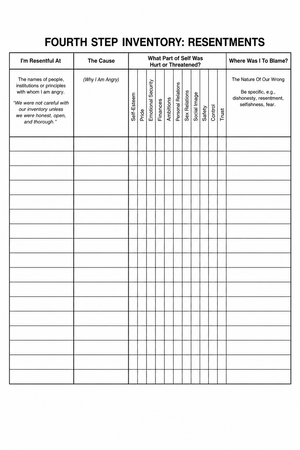
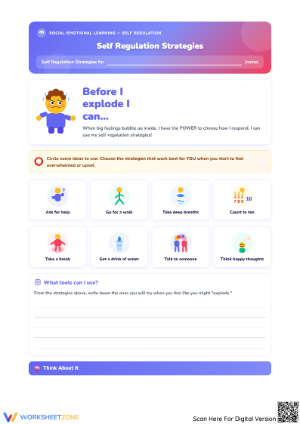
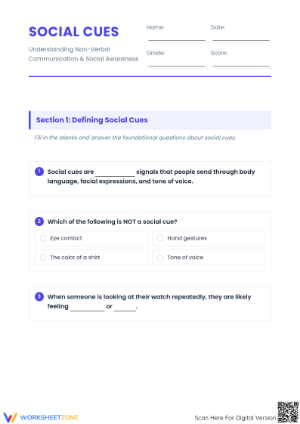
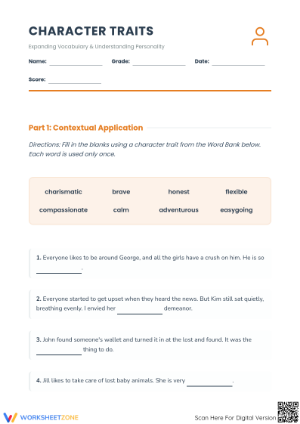
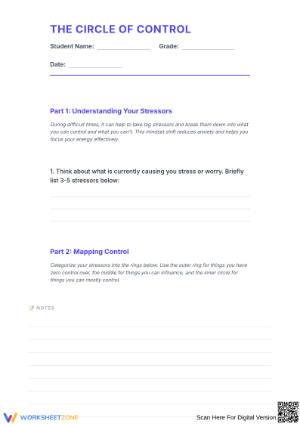
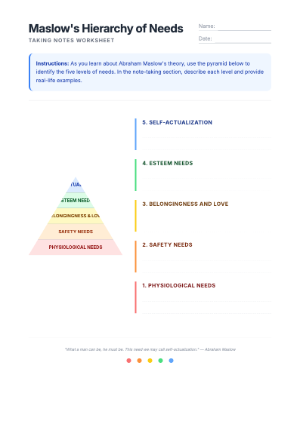
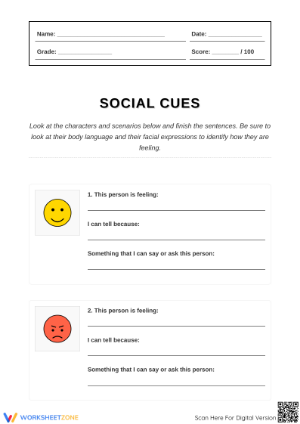
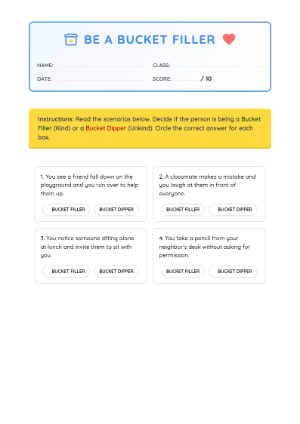
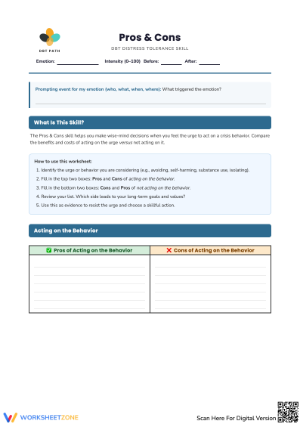
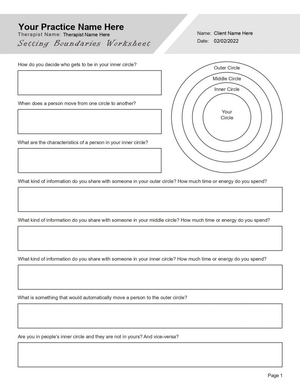
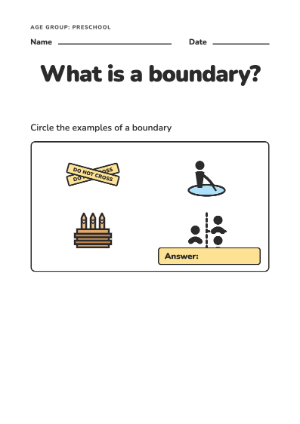
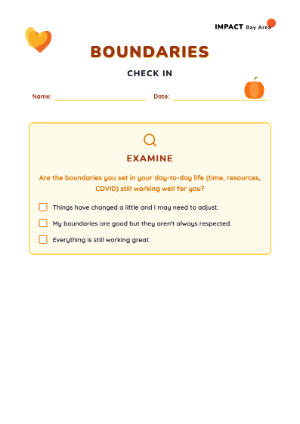
These 11th grade behavior printable worksheets resources give teachers structured tools for the specific behavioral work of junior year — self-regulation under high-stakes pressure, professional communication habits, restorative accountability, and goal-setting that students own rather than simply comply with. The set targets a real gap: what 11th graders can articulate in a class discussion versus what they can reliably do when the pressure is on.
Behavioral Skills Each Worksheet Addresses
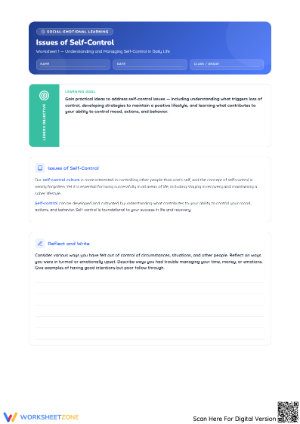
Self-regulation and executive functioning leads because it underpins everything else. Students identify personal stress triggers, track mood patterns over time, and break large tasks into concrete steps. This focus matters in 11th grade specifically because college applications and high-stakes testing collide in the same semester. Students who have not built time-management habits feel that collision hard, and a mood-tracking or task-breakdown worksheet gives them a concrete place to start rather than another general reminder to "manage their time better."
Professional communication gets dedicated worksheets because the behavior students practice with teachers right now is rehearsal for workplace behavior two years from now. The prompts are scenario-based: how to respond in writing when a supervisor gives critical feedback, how to request a deadline extension without undermining credibility, how to handle a disagreement with a coworker without escalating. Students working part-time jobs find these immediately recognizable. The remaining skill areas in the set include:
- Restorative reflection — structured prompts that move past "what happened" to identify impact, name emotional state, and propose a concrete repair step
- Digital ethics and footprint awareness — scenarios involving social media decisions, academic integrity, and how online behavior intersects with future college and employment opportunities
- Behavioral contracting — students identify their own patterns, acknowledge specific areas for growth, and write out steps rather than intentions
Common Errors Worth Catching Before They Become Habits
The most consistent pattern in 11th-grade reflection work is conflating explanation with accountability. A student writes two full sentences describing the circumstances — the test pressure, the conflict with a friend, the fact that the other student "started it" — and then stops. The worksheet asked what they will do differently. That line stays blank. The explanation section feels complete to them; the forward-looking part does not register as a separate obligation. Naming this distinction explicitly before distributing restorative reflection worksheets prevents most of that avoidance.
On goal-setting worksheets, students default to goals that read well but function as decoration. "I want to be more focused in class" is a decoration. "I will turn my phone face-down at the start of first period and leave it in my bag until dismissal" is a working goal. Students have often been reinforced for writing goals that sound ambitious, not goals that function as specific plans. Showing both versions side by side and asking students to identify which one could survive the first Thursday of the semester takes about four minutes and pays off across every goal-setting worksheet that follows.
There is also a gap between verbal fluency and written self-reflection that is worth anticipating. Students who handle SEL language comfortably in discussion — "I was overwhelmed and I lost regulation" — will write "I got mad" on a worksheet. The written format requires commitment, and for some students self-disclosure in writing feels more permanent than speaking. This is not a comprehension issue; it is a self-disclosure issue. A brief framing conversation before the first reflection worksheet — one that normalizes honest written reflection as a thinking tool, not evidence — reduces this response significantly.
Building These Worksheets Into Your Week Without Losing Instruction Time
Advisory periods are the natural home for most of this work. The 20–25 minutes of a typical advisory block give students enough time to think and write without rushing, and the non-subject-specific context removes the "is this being graded" question that crowds out honest reflection. Monday morning advisory, after the first check-in of the week, is a particularly good window for goal-setting and stress-management worksheets — students are recalibrating, and the questions feel relevant rather than institutional.
For restorative reflection worksheets, timing matters more than most teachers expect. Giving a student a reflection worksheet within the first five minutes after a behavioral incident rarely produces honest work — they are still activated, and what they write reflects that activation. The more productive window is 20 to 30 minutes later, once things have settled. If that window falls during a class transition, the worksheet becomes the activity for the opening 15 minutes rather than an afterthought tacked onto a detention slip.
One of the most effective uses of the 11th grade behavior printable worksheets set is the behavioral contracting worksheet deployed at the start of a semester — before any incident occurs. Students identify their own behavioral strengths, acknowledge one or two patterns they want to change, and write three specific steps. The teacher reads each contract and responds with a brief written comment. This positions the teacher as a coach from day one rather than an enforcer, and it gives both parties something concrete to reference when goals need revisiting in November. Students respond differently to being held to their own stated commitments than to being corrected against an external rule they never chose.
Standard Alignment
These worksheets align to the CASEL Social and Emotional Learning framework at the high school band (grades 9–12), specifically the competencies of self-management, responsible decision-making, and relationship skills. CASEL's high school indicators for self-management include goal-setting, stress management, and demonstrating personal and collective agency — all of which appear directly in the worksheet prompts rather than as general themes. For schools implementing PBIS at Tier 2 or Tier 3, the restorative reflection and behavioral contracting worksheets align to the individualized behavior support documentation PBIS recommends for students with recurring behavioral concerns. States that have published grade-banded SEL standards — Illinois, California, and Washington among them — map their 9–12 indicators to these same CASEL competencies, so cross-referencing with local requirements is straightforward.
Adapting the Set for the Range of Students in Your Room
Students who have been through punitive disciplinary cycles — multiple referrals, prior suspensions — often approach reflection worksheets with their guard up. They expect the worksheet to become evidence. Providing sentence frames ("When _____ happened, I felt _____ because _____. The impact on others was _____. One step I can take is _____.") gives these students an entry point that does not require them to feel exposed from the first line. Most students drop that guard once they see the worksheets treated as private thinking tools rather than disciplinary documents — but that shift requires consistency from the teacher's side over several weeks.
Students in work-study programs or current employment can extend the professional communication and digital ethics worksheets beyond the hypothetical. The prompts remain the same; the student grounds the response in a real situation from their job rather than a generic scenario. For students in honors tracks who are deep in the college application process, connecting the goal-setting worksheet to the specific behaviors they want to demonstrate in a college environment — where there is far less direct supervision — makes the stakes feel real rather than procedural.
For students whose IEPs include behavioral goals, 11th grade behavior printable worksheets logs work well as supplementary self-monitoring documentation. A student completes a brief weekly check-in, and the case manager reviews it during their scheduled meeting. The goal language in the worksheets is flexible enough that students can write in their actual IEP target behavior rather than a generic placeholder, keeping self-monitoring consistent with what is already documented in their plan. Coordinate with the case manager early to align that language — it takes one brief conversation and prevents confusion later when progress monitoring comes up.
Frequently Asked Questions
Can these worksheets substitute for detention when a behavioral issue comes up?
In many situations, yes — and they tend to produce more durable results. A student completing a restorative reflection worksheet is actively doing something: naming impact, identifying their emotional state, proposing a concrete repair step. The critical variable is framing. If the worksheet arrives as a renamed punishment, students treat it accordingly and fill it out with minimum effort. If it comes paired with a brief conversation afterward — even five minutes — the investment from both sides increases noticeably. The worksheet gives that conversation a structure it otherwise lacks.
How do you get buy-in from students who see this as elementary?
Language and scenario complexity carry most of the work. These worksheets avoid feelings charts and juvenile prompts. The scenarios involve academic integrity decisions, professional communication challenges, and digital ethics situations with genuine ambiguity — 11th graders engage with those because the stakes feel real to them. The behavioral contracting worksheet tends to land particularly well because it asks students to identify their own strengths first, which is a different opening than most students expect from anything labeled "behavior."
Are these appropriate for students who have behavioral goals on their IEPs?
The 11th grade behavior printable worksheets set fits naturally within a behavior intervention plan as a structured self-monitoring tool. Students can write their actual IEP target behavior into the goal-setting worksheet rather than a generic one, so the language stays consistent with what is documented in their plan. Coordinate with the case manager on that alignment early — it saves significant back-and-forth later when progress monitoring comes up and everyone needs to be working from the same behavioral definitions.
What is the right way to respond to student reflections without shutting down future honesty?
Respond the way a coach responds to game film — observational, curious, and forward-looking. A student who writes honestly about a behavioral pattern is extending real trust. Responding with a letter grade or a correction note closes that opening fast. A brief written comment in the margin — "You named distraction as your main pattern; what is one class period this week to test your strategy?" — moves the work forward without making the student feel surveilled rather than supported. The goal is to make the next reflection feel worth completing.












 Interactive Worksheet Maker
 Quiz Maker
 Word Search Maker
 Crossword Puzzle Maker
 Word Scramble Generator
 Sentence Scramble Generator
 Handwriting Worksheet Generator
 Name Tracing Generator
 Fill In The Blank Generator




 BACK TOSCHOOL