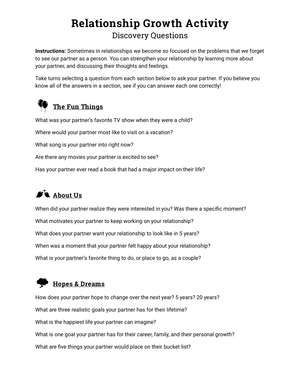
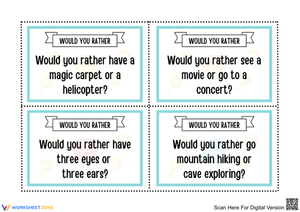
These communication skills printable worksheets for 11th grade close a gap that surfaces consistently at this level — students who write solid analytical essays but freeze when asked to draft a professional email, or who dominate a group conversation without retaining anything a peer said. The set covers six skill areas: professional correspondence, active listening, digital etiquette, conflict resolution, assertive communication, and perspective-taking in dialogue. Teachers running college prep units, pre-internship modules, or dedicated advisory periods find the full set immediately usable without restructuring existing lesson plans.
The Specific Skills Targeted
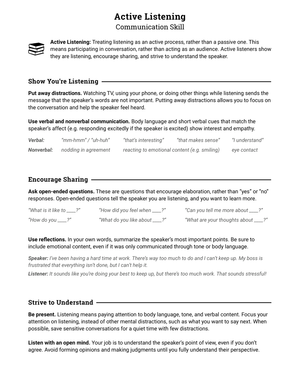
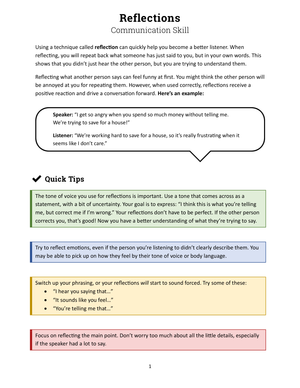
Each worksheet isolates one skill and puts students to work on it directly. Professional writing worksheets ask students to revise an informal message into appropriate formal correspondence — moving from a text-message register ("hey can u push back the deadline") to a correctly structured professional email with subject line, salutation, and concise body. Active listening worksheets give students a written dialogue and ask them to paraphrase what the speaker actually said, not what they assume was meant — a distinction 11th graders find harder than expected.
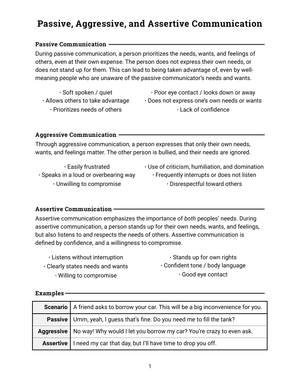
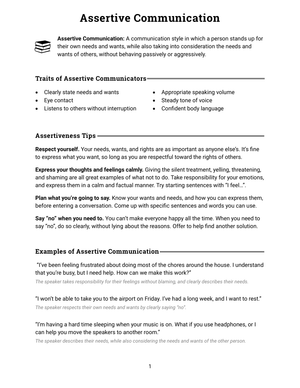
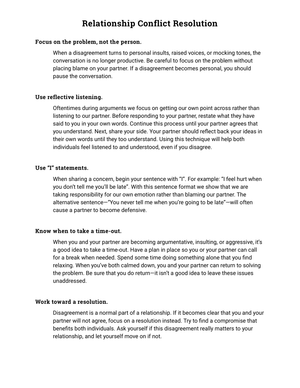
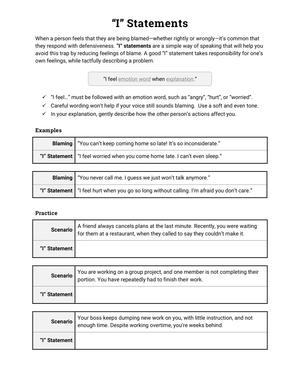
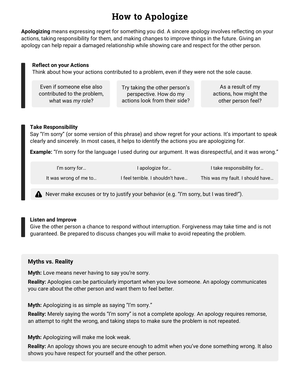
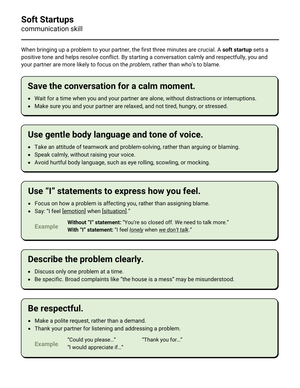
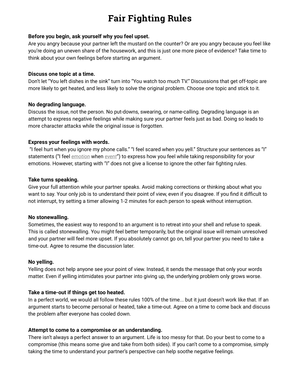
Conflict resolution work centers on "I" statements and the difference between describing impact and assigning blame. Assertiveness worksheets use graduated scenarios: a student practices declining a task politely, then requesting a deadline extension, then addressing a peer who has been consistently absent from a group project. Digital etiquette exercises present real-looking social media comments and email threads, asking students to identify tone problems and draft more appropriate alternatives. The empathy and perspective-taking worksheets use brief scripted dialogues where students must identify the emotion underneath the stated argument — the kind of reading between the lines that makes collaborative work actually function.
The Mistakes That Surface Most Consistently
The most persistent error in the professional writing work isn't a missing comma after the salutation — it's students who understand the rules in isolation but can't hold them together when they're also managing content. A student who writes a technically correct "Dear Mr. Harris," will then open the body with "I am writing this email to tell you about..." — a construction that exhausts the reader's patience before the actual message appears. Teaching students to lead directly with purpose ("I am requesting an extension on the Unit 4 essay due November 12") is a separate skill from knowing to use formal salutations, and the worksheets address both.
In the active listening exercises, the recurring error is paraphrase-as-summary rather than paraphrase-as-interpretation. Students restate what was said rather than reflecting what was meant. A peer says, "I don't think we should divide the project that way," and the paraphrase comes back as "She doesn't want to divide the project that way" — word-for-word with a pronoun swap. The worksheets push past that by requiring students to answer follow-up questions: What concern is the speaker likely trying to express? What would you need to ask to find out?
Fitting These Worksheets Into the Week
These resources work best when tied to a concrete upcoming event. Communication skills printable worksheets for 11th grade on professional writing land harder the week before students send actual college inquiry emails or when the school's internship coordinator is scheduled to visit. The active listening worksheet runs well the class period before a Socratic Seminar — assign it Monday, run the seminar Wednesday, debrief Friday on whether the three-second pause technique (waiting a full three seconds before responding after a peer finishes speaking) changed what students actually heard.
For advisory or homeroom settings, 15 to 20 minutes on a single worksheet sustains attention without requiring a formal lesson arc. Conflict resolution and assertiveness exercises are strong choices for that context because they don't depend on ELA content knowledge as background — they stand on their own. Role-play pairings after individual completion add real value: students who worked through a scenario in writing then perform it, which forces them to apply their reasoning rather than just record it.
Standard Alignment
These worksheets align most directly with the Common Core Speaking and Listening standards for grades 11-12. CCSS.ELA-LITERACY.SL.11-12.1 requires students to initiate and participate effectively in collaborative discussions, respond to diverse perspectives, and build on others' ideas — which maps directly onto the active listening and conflict resolution work. CCSS.ELA-LITERACY.SL.11-12.6 addresses adapting speech to task, purpose, and audience, which grounds the professional writing and digital etiquette exercises. The assertiveness and empathy worksheets also support CCSS.ELA-LITERACY.SL.11-12.1d, which specifically expects students to respond thoughtfully to diverse perspectives and qualify their own views when others present reasoning and evidence that warrants it.
Making These Worksheets Work Across Different Student Levels
Communication skills printable worksheets for 11th grade are written at grade-level reading demand, but the skill being built doesn't require heavy reading to access. For students who find the written analysis sections difficult — including English language learners who are strong communicators orally but still developing academic writing fluency — allowing verbal responses recorded on a phone or delivered directly to the teacher preserves the actual learning goal. The scenario-based worksheets work especially well this way because the communication skill being evaluated is the judgment about how to respond, not the reading itself.
For students already comfortable at grade level, remove the model email or sample response provided as a reference and ask them to draft from a bare scenario description only. The conflict resolution work can be pushed further by requiring students to steelman the opposing position before proposing a resolution — a thinking move that goes well past what most 11th graders attempt without a prompt. On the other end, some students genuinely freeze when handed a role-play scenario with no script, and the written version of these exercises is a legitimate first step, not a diminished version of the task.
Frequently Asked Questions
Can these worksheets support mock interview preparation?
Several worksheets address exactly the skills mock interviews test. The professional tone exercises help students catch informal register slipping in — something interviewers flag immediately. The non-verbal awareness work (deliberate eye contact, managing filler language) translates to a checklist students keep during the interview and complete in reflection afterward. Pairing the active listening worksheet with a recorded mock interview gives students practice identifying what the interviewer actually asked versus what they assumed was being asked.
Do these work in advisory or homeroom periods?
Consistently well. The conflict resolution, assertiveness, and empathy exercises require no pre-existing content knowledge, which makes them easier to drop into a 20-minute advisory block than ELA-specific material. Students tend to engage more readily with these scenarios than with academic content during non-academic periods because the situations feel immediately recognizable — workplace dynamics, group project friction, social media missteps.
How do these connect to college and career readiness?
The alignment is direct. Communication skills printable worksheets for 11th grade on professional correspondence give students transferable practice before the college application cycle — drafting emails to admissions offices, following up after campus visits, reaching out to scholarship contacts. The assertiveness and conflict resolution skills apply the moment students enter a workplace, and the digital etiquette work targets a documented area where young professionals consistently draw negative attention from employers. These aren't abstract preparation exercises; they address situations students will face within months.












 Interactive Worksheet Maker
 Quiz Maker
 Word Search Maker
 Crossword Puzzle Maker
 Word Scramble Generator
 Sentence Scramble Generator
 Handwriting Worksheet Generator
 Name Tracing Generator
 Fill In The Blank Generator




 BACK TOSCHOOL