Building a Weekly 1st Grade Math Worksheet Rotation
A dependable rotation of 1st grade math worksheets turns scattered practice into a predictable routine your students can count on. Instead of pulling random pages the night before, map each day of the week to one of the four skill areas 1st graders need most: addition and subtraction within 20, place value with tens and ones, linear measurement, and reasoning about shapes. Monday and Tuesday can anchor fluency practice, Wednesday can shift to place value or measurement, Thursday can mix in word problems, and Friday can serve as a quick review or exit-ticket style check. This kind of rotation gives you a ready answer when a student finishes early, when a substitute needs a plan, or when you want five extra minutes of purposeful practice before a transition. Over a grading period, the rotation also builds a paper trail you can flip through during conferences to show a family exactly which strategies their child has practiced.
Aligning Worksheets to the Four Critical Areas of 1st Grade Math
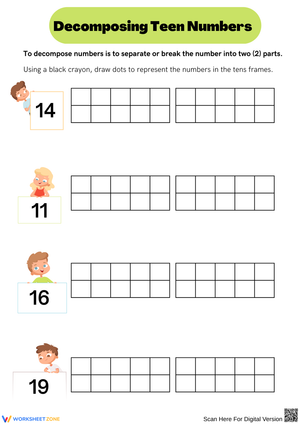
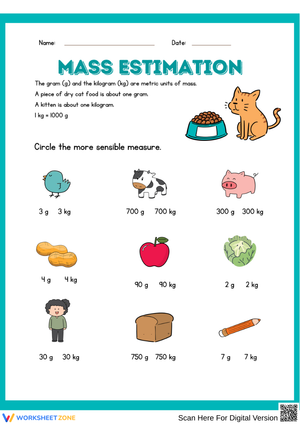
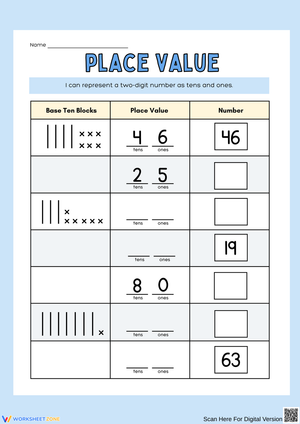
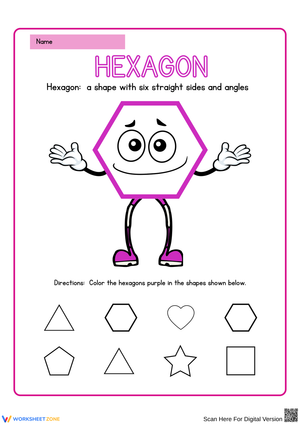
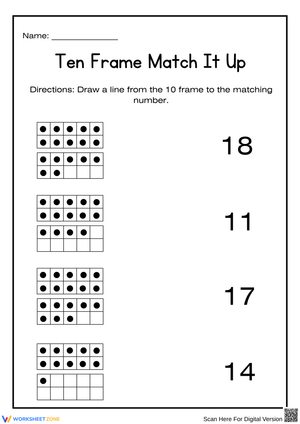
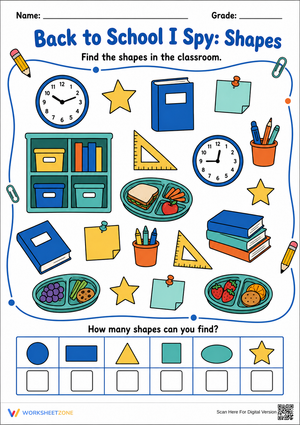
Not every worksheet packet is built the same way, so it helps to sort what you already have into the four areas that define the grade. Addition and subtraction within 20 should make up the bulk of your library since it is the year's central fluency goal. Place value worksheets should ask students to represent two-digit numbers as tens and ones, not just write digits in blanks. Measurement worksheets should involve comparing and ordering objects by length using nonstandard or standard units. Shape worksheets should push beyond naming shapes into composing new shapes from smaller ones and describing attributes like sides and corners. Sorting a shared folder of worksheets into these four labeled sections takes an afternoon and saves scrambling later in the semester.
Grade 1 math instruction is organized around four critical areas named directly in the standards: addition and subtraction within 20, whole number relationships including place value, linear measurement, and reasoning about shapes, according to the Common Core State Standards Initiative's Grade 1 introduction. Sorting your worksheet library into these same four buckets keeps weekly planning aligned to what the standards actually prioritize instead of whatever worksheets happen to be on hand.
Targeting Addition and Subtraction Fluency Within 20
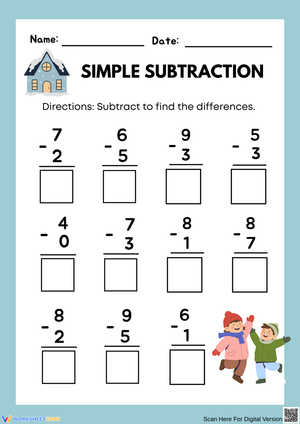
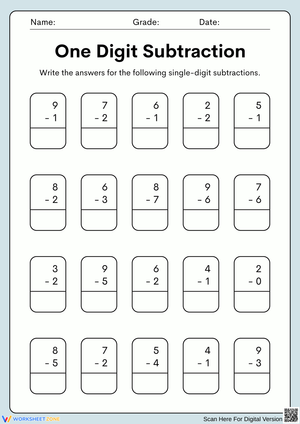
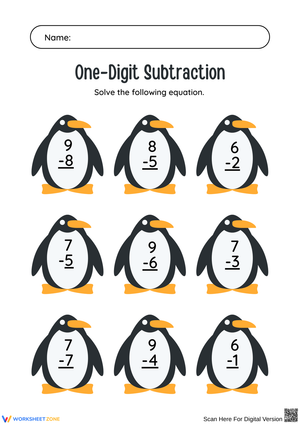
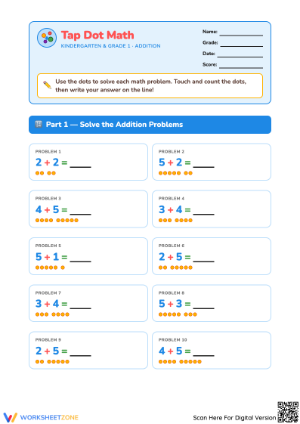
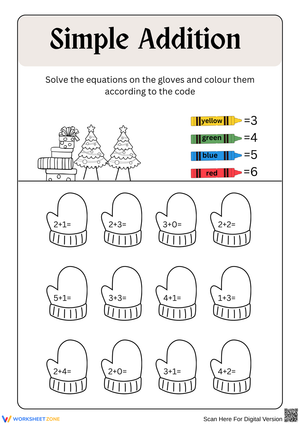
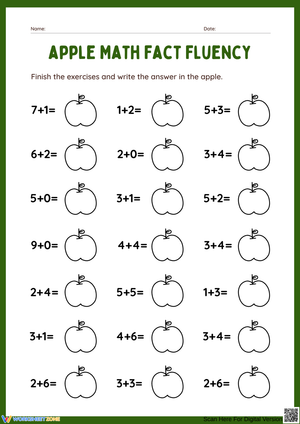
Fluency within 20 is built on named strategies, not memorization, and worksheets work best when they name the strategy in the directions rather than leaving it to guesswork. Look for or create sets that isolate one strategy per page: counting on for problems like 8 + 3, making ten for problems like 8 + 6 by decomposing to 8 + 2 + 4, and decomposing to a ten for subtraction such as 13 minus 4 solved as 13 minus 3 minus 1. A separate worksheet can reinforce the relationship between addition and subtraction, asking students to use a known fact like 8 + 4 = 12 to solve 12 minus 8. A true/false equation worksheet, such as judging whether 5 + 2 = 2 + 5, builds the meaning of the equal sign that the standards expect alongside computation. Rotating through these strategy-specific pages, rather than mixed drill sheets, helps you see exactly which strategy a student has not yet internalized.
Classroom Implementation
Keep a simple binder or folder system with one tab per skill area so you can hand a student the right worksheet in seconds. During whole-group instruction, use one worksheet as a shared model on the board before releasing students to work independently, thinking aloud through a counting-on or make-a-ten strategy as you go. During small-group or intervention time, keep a short stack of two-page progress-monitoring worksheets so you can track the same skill week over week without redesigning your plan each time. Save a few worksheets as low-stakes formative checks: a quick five-problem page at the start of a lesson tells you within minutes whether the class is ready to move from within-10 to within-20 problems, or whether you need another day on the current strategy. Building this rhythm into your week means worksheets stop feeling like busywork and start functioning as the quickest data source you have on daily student thinking.
Frequently Asked Questions
1. What math skills should 1st grade worksheets cover to align with Common Core?
Worksheets should cover the four critical areas named in the Grade 1 standards: addition and subtraction within 20, place value with tens and ones, linear measurement, and reasoning about shapes, with extra weight on addition and subtraction fluency since it anchors the year.
2. How many worksheets should a 1st grader practice per week for solid fluency within 20?
A short daily page, four to five worksheets a week, focused on one strategy at a time tends to build fluency more reliably than one long weekly packet, since it gives students repeated, low-stress practice with immediate feedback from the teacher.
3. How can teachers use worksheets for math intervention groups instead of just homework?
Choose a worksheet that isolates the exact strategy a group is missing, keep the problem count small, and use the page as a live coaching tool during the group rather than as independent seatwork to check later on your own.
4. What is the difference between fluency practice and word-problem practice worksheets in 1st grade?
Fluency worksheets isolate a single strategy on bare equations so students can practice speed and accuracy, while word-problem worksheets embed addition and subtraction within a story context and vary where the unknown number appears in the problem.
5. How do teachers know when a 1st grader is ready to move from within-10 to within-20 problems?
When a student solves within-10 problems accurately without counting all, and can explain a strategy like counting on or making ten out loud, that fluency is usually a sign they are ready for within-20 problems and word tasks.













 Interactive Worksheet Maker
 Quiz Maker
 Word Search Maker
 Crossword Puzzle Maker
 Word Scramble Generator
 Sentence Scramble Generator
 Handwriting Worksheet Generator
 Name Tracing Generator
 Fill In The Blank Generator