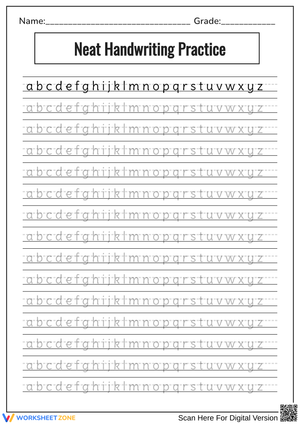
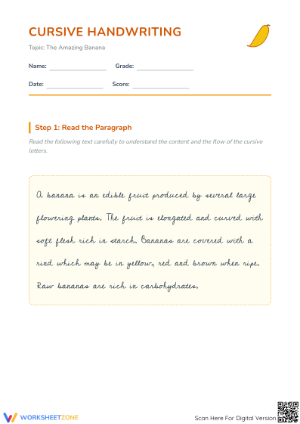
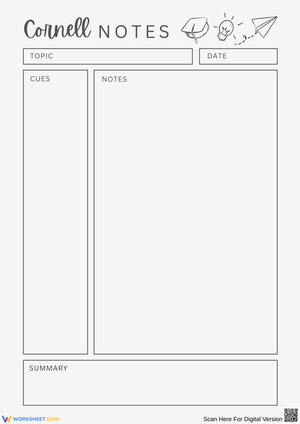
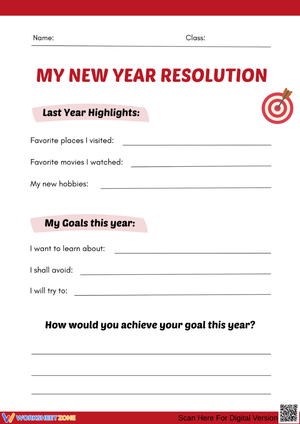
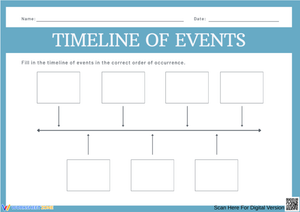
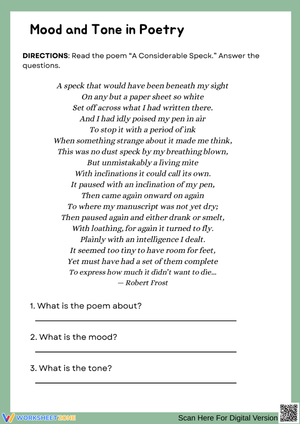
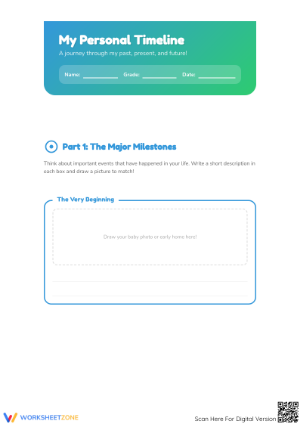
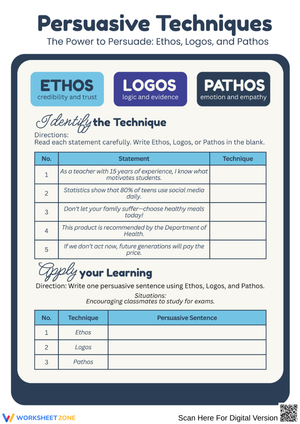
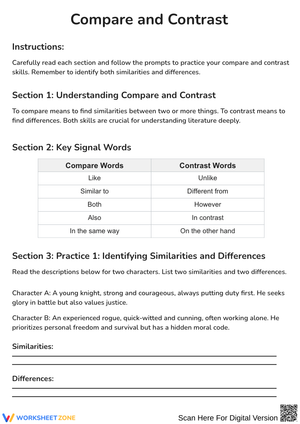
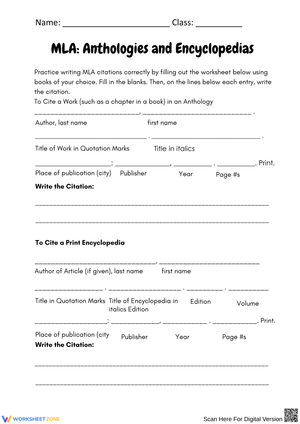
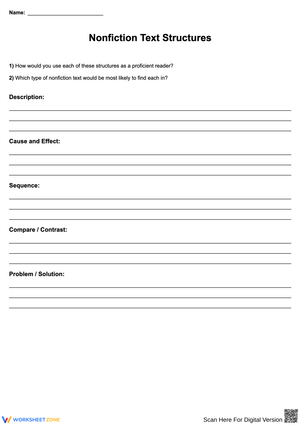
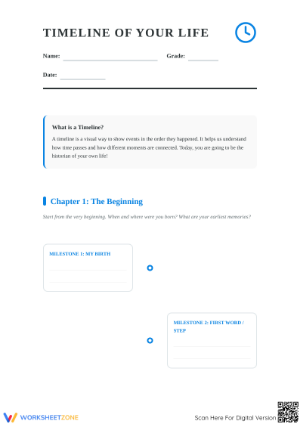
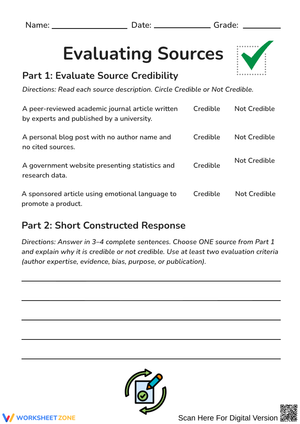
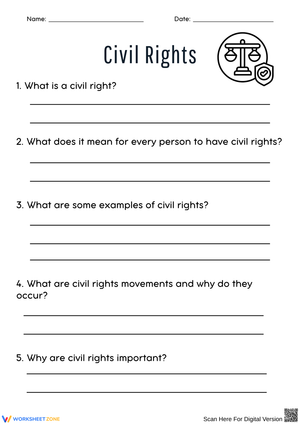
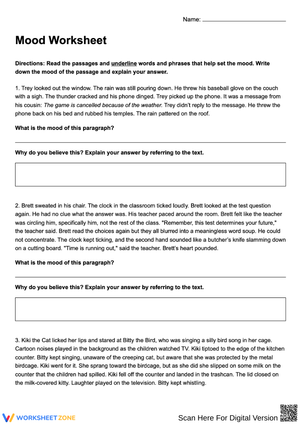
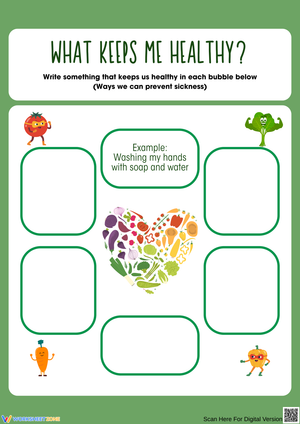
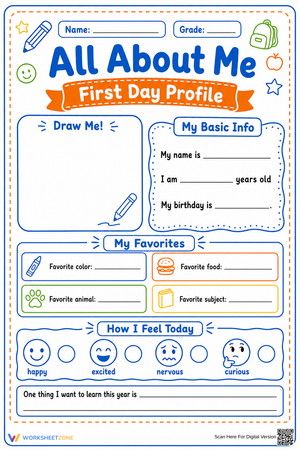
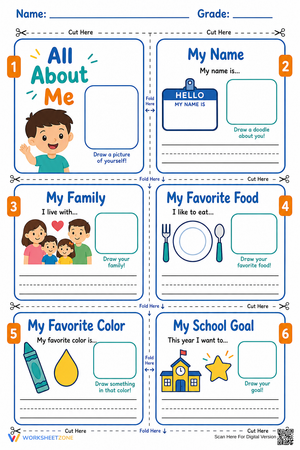
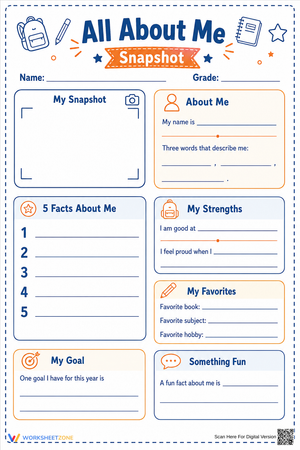
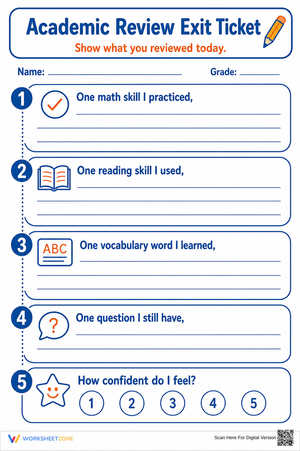
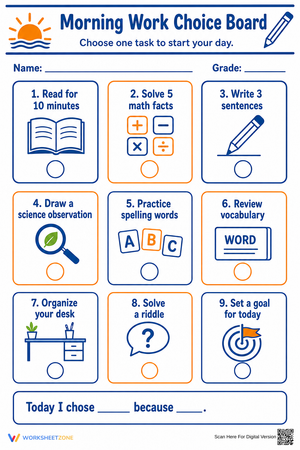
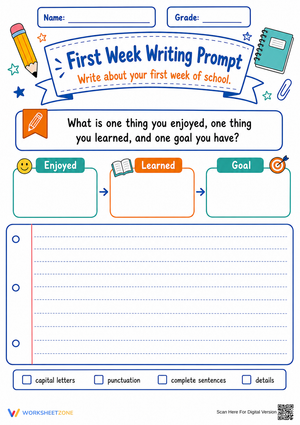
Most teachers do not lack ideas for writing instruction. They lack minutes. Between reading blocks, math rotations, and everything else packed into a school day, writing often gets squeezed into whatever time is left over, if any is left at all. Writing worksheets solve a scheduling problem as much as an instructional one: they let a teacher open a folder, hand out a page, and start a focused writing task in under a minute, with no extra prep required that morning.
That matters because the gap between recommended writing time and actual classroom practice is well documented. When writing instruction has to compete with a packed schedule, a short, structured worksheet task is often the only realistic way to protect any writing time at all, rather than losing it to whatever subject runs long.
Teaching Writing to Elementary Students in Grades 4-6: A National Survey, published in The Elementary School Journal, found that upper elementary teachers report an average of just 15 minutes a day of writing instruction, with only 25 minutes of connected writing practice. That finding is one of the most cited benchmarks for understanding why writing time is so limited in intermediate grades, and it is a useful number to keep in mind when justifying protected writing blocks to a grade-level team.
Matching Worksheets to Sentence, Paragraph, and Essay Skills
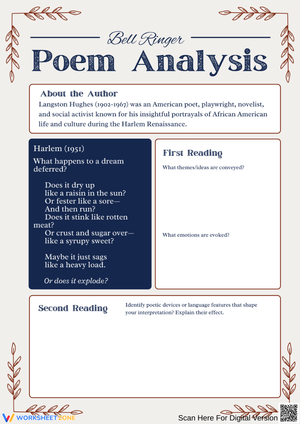
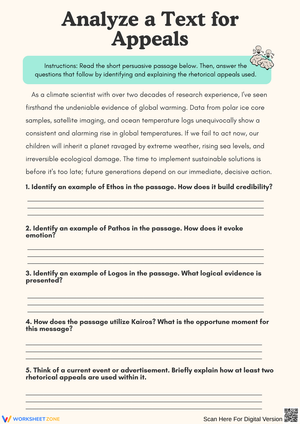
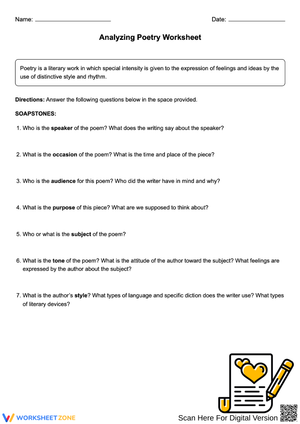
Not every writer in a classroom needs the same task on the same day. Sentence-level worksheets, covering combining, expanding, and correcting run-ons or fragments, work well for students who are still building basic control over syntax. Paragraph-level worksheets that focus on topic sentences, supporting details, and transitions suit students ready to organize ideas into a single cohesive unit. Essay-level worksheets, with graphic organizers for introductions, body paragraphs, and conclusions, fit students working toward multi-paragraph composition.
Grouping worksheets by skill level rather than by grade level alone lets a teacher differentiate quickly. A fifth-grade class often has students spread across all three of these bands at once, and having a labeled folder for each level means a teacher can hand out the right task without reteaching the whole class.
Building Short, Consistent Writing Blocks With Worksheets
The What Works Clearinghouse practice guide Providing Daily Time for Writing recommends dedicating regular, protected daily time to writing instruction and practice across content areas as an evidence-based strategy. Worksheets support this recommendation directly, because they turn an open-ended block of protected time into a structured task with a clear start and finish, which is often what makes daily writing time sustainable rather than something that gets skipped when the schedule is tight.
A simple routine many teachers use is a 10-to-20-minute daily block: two minutes to hand out the worksheet and explain the focus skill, twelve to fifteen minutes of independent or partner writing, and a few minutes for students to read one sentence or line aloud to a partner. Repeating this structure daily, even with different worksheets each day, builds writing stamina without requiring a new lesson plan every morning.
Classroom Implementation
To make writing worksheets part of a consistent routine rather than a one-off activity, try these steps.
- Keep a leveled folder system, sentence, paragraph, and essay, so you can hand a student the right task in seconds without searching.
- Set a five-minute grading rule: scan for the one skill being taught that week instead of marking every error, which keeps turnaround fast enough to use the next day.
- Pair worksheets with a short verbal share-out so students hear their own writing read aloud, which catches errors a silent read often misses.
- Rotate worksheet focus weekly, sentence combining one week, paragraph transitions the next, so skills build on each other instead of repeating.
- Track completed worksheets in a simple folder or binder per student to show growth over a grading period, which is useful evidence for conferences and progress monitoring.
Frequently Asked Questions
1. How much time should teachers dedicate to writing instruction each day at different grade levels?
Recommendations call for at least 30 minutes daily in kindergarten and a minimum of one hour daily starting in first grade, though national survey data shows grades 4-6 average closer to 15 minutes of instruction and 25 minutes of connected writing practice. Worksheets help close part of that gap by making short blocks easy to structure.
2. What types of writing worksheets work best for struggling or below-proficiency writers?
Sentence-level worksheets that isolate one skill, such as combining short sentences or correcting fragments, tend to work best for below-proficiency writers because they limit the cognitive load to a single, clear task rather than an open-ended prompt.
3. How can writing worksheets be used for small-group intervention versus whole-class instruction?
In small groups, a worksheet gives students an independent task while the teacher offers direct feedback to individuals. In whole-class settings, the same worksheet can serve as a shared warm-up, with differentiation happening through which leveled version a student receives.
4. How do writing worksheets fit into a balanced literacy or writing workshop model?
Worksheets work well as the mini-lesson practice component of a workshop model, giving students a focused task tied to that day's skill before they move into independent writing on their own topics.
5. How can teachers use writing worksheets to track student progress over time?
Keeping completed worksheets in a dated folder per student creates a simple portfolio. Comparing early and later samples on the same skill, such as topic sentences or transitions, gives concrete evidence of growth for conferences and progress monitoring.












 Interactive Worksheet Maker
 Quiz Maker
 Word Search Maker
 Crossword Puzzle Maker
 Word Scramble Generator
 Sentence Scramble Generator
 Handwriting Worksheet Generator
 Name Tracing Generator
 Fill In The Blank Generator