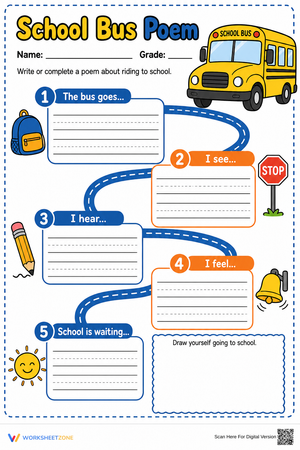
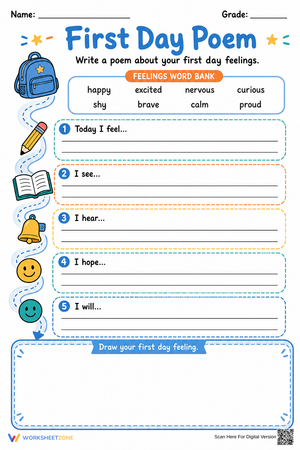
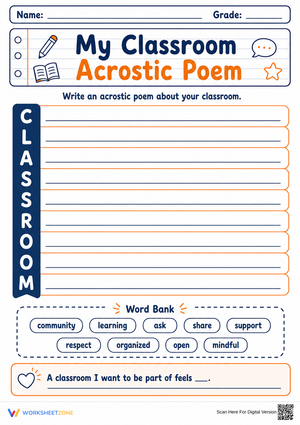
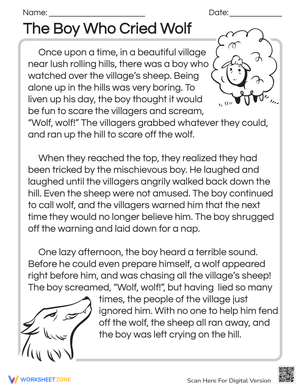
These genre writing worksheets give teachers a clear-cut way to move students through narrative, expository, informational, and persuasive writing — not as isolated units but as a set of related skills that build on each other across the school year. The resources cover genre identification, text structure analysis, and original writing practice. Teachers who work through the full set with a class will see students begin to internalize genre conventions rather than just apply them when prompted.
Concepts and Skills Across the Set
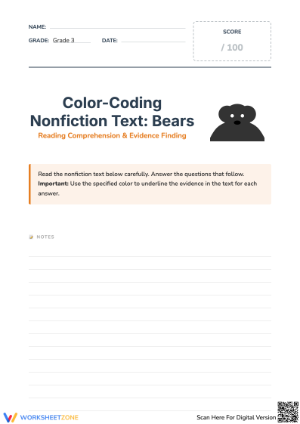
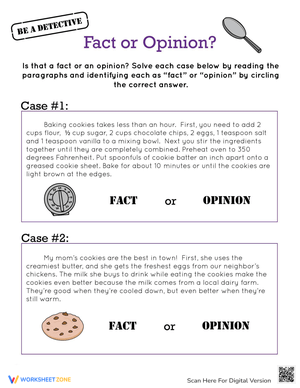
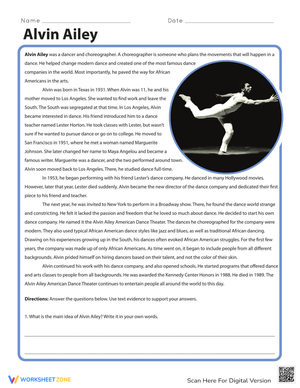
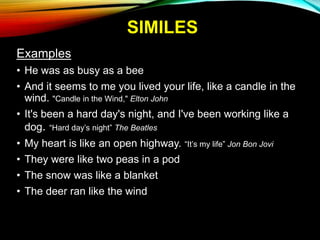
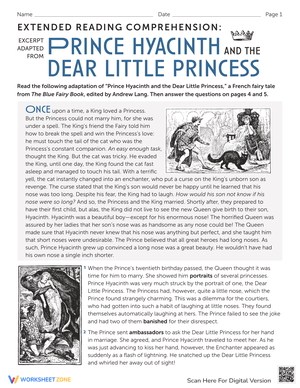
The worksheets address genre writing at two levels: recognizing conventions in published texts and applying those same conventions in original work. Genre identification exercises use short excerpts — a paragraph from a biography, a news lead, a fantasy opening — and ask students to mark the features that signal genre before they name it. This sequence matters because students who can articulate why something reads like a mystery understand the genre's conventions more usefully than students who just recognize the label.
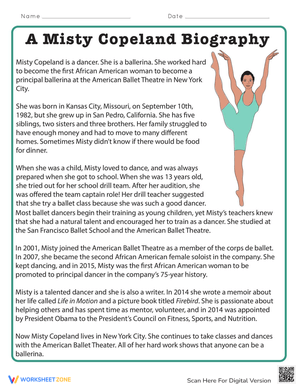
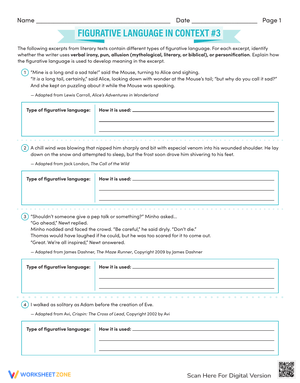
- Genre identification using brief published excerpts with annotation tasks
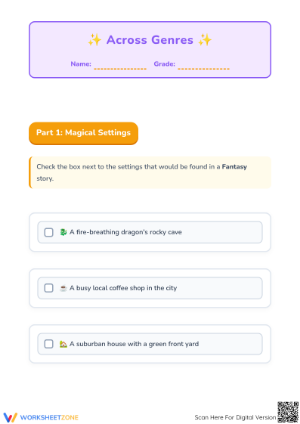
- Sub-genre sorting for fiction (mystery, realistic fiction, fantasy, historical fiction) and non-fiction (biography, memoir, how-to, news report)
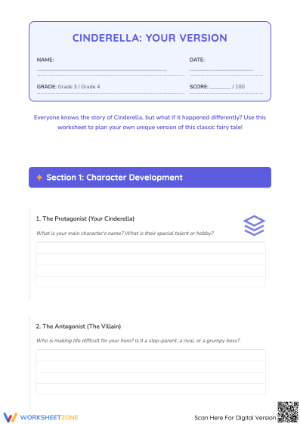
- Narrative plot-structure organizers built around the five-part story arc
- Show-don't-tell prompts tied to specific character emotions
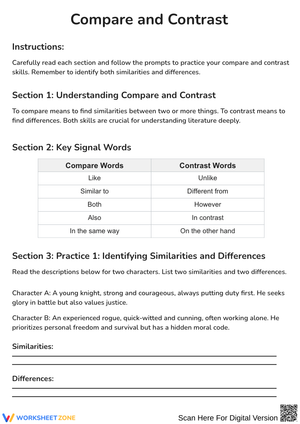
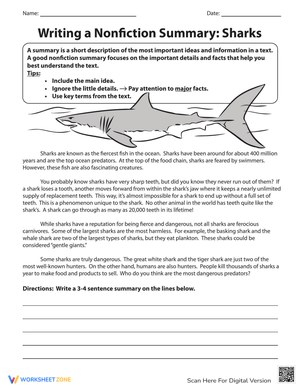
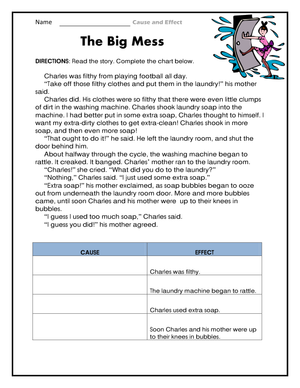
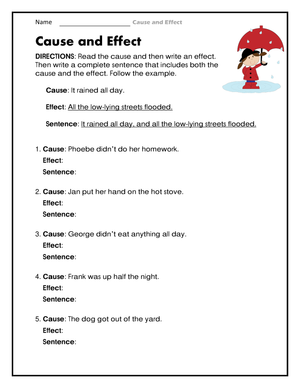
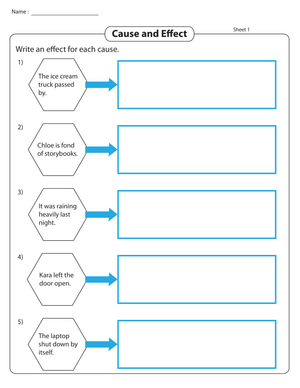
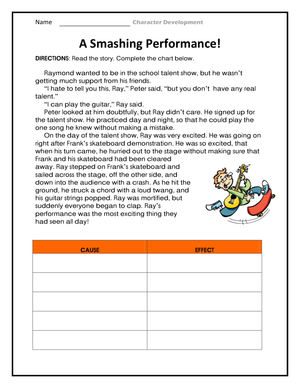
- Expository text structure work: cause/effect, compare/contrast, and chronological order patterns
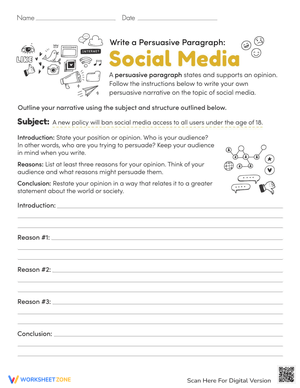
- Persuasive brainstorming and argument-building tools, including a structured pro-and-con organizer
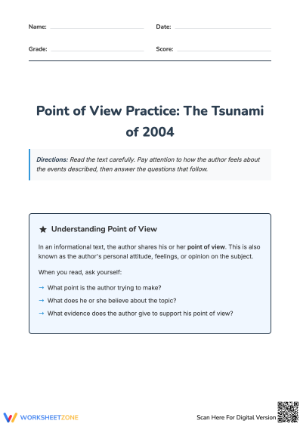
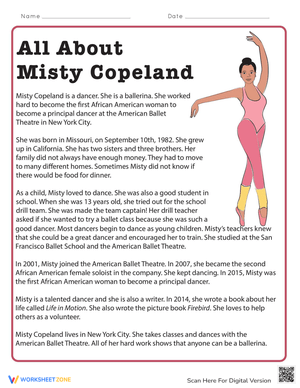
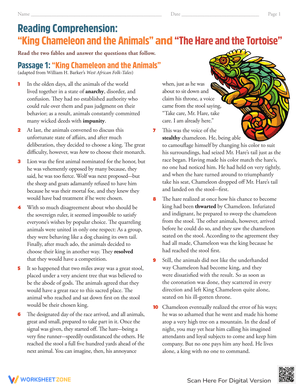
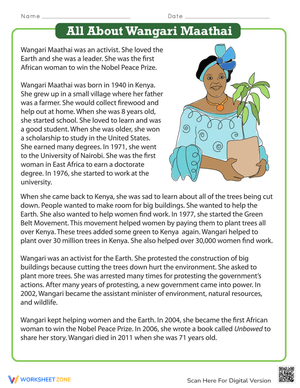
- Mentor text analysis worksheets for examining transitions, paragraph structure, and author purpose
Mistakes Students Make That These Worksheets Help Surface
The most persistent error in genre identification work is conflating form with genre. Students routinely treat "poem" and "mystery" as equivalent categories — both can answer "what kind of writing is this?" but they're not the same type of answer. The identification worksheets address this directly by having students mark specific textual evidence before naming the genre. A student who reads three sentences and calls the excerpt a fairy tale because it mentions a castle is doing something categorically different from a student who can point to the omniscient narrator, the moral setup, and the formulaic opening markers as evidence.
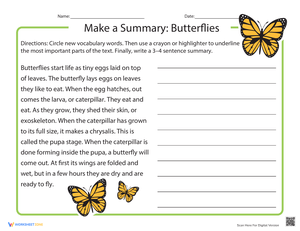
In expository writing, the error that shows up most reliably is fact-listing without structure. A student writing an informational paragraph about the water cycle will produce six accurate sentences with no thesis, no organizational signal, and no clear relationship between ideas. The worksheets interrupt this habit by requiring students to select an organizational pattern — cause/effect or sequence, usually — before writing a single sentence of their own. In persuasive work, students consistently mislabel rhetorical moves: a student will write "this statistic makes readers feel sad," attributing a logos-based appeal to pathos because they're reaching for any term they know. The worksheets build in a brief analysis step that asks students to classify rhetorical appeals in sample sentences before they produce their own.
How to Build These Worksheets Into Your Planning
The most efficient structure for a genre writing worksheets set like this one is a genre immersion unit — roughly three weeks on a single writing type, with the worksheets cycling through identification, analysis, and original production in that order. Identification worksheets belong at the front of the unit, typically as warm-up tasks on the second or third day once students have been introduced to the genre through a read-aloud or class discussion. Analysis worksheets, especially the mentor text tasks, fit best in the middle week, after students have enough grounding to recognize deliberate authorial choices. Planning organizers and original writing worksheets close out the unit, feeding directly into drafts.
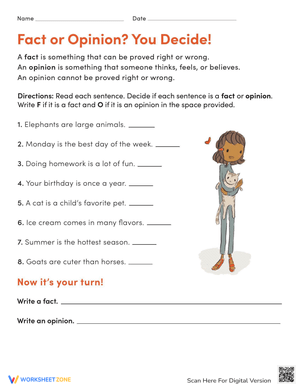
Outside a dedicated unit, individual worksheets drop into a lesson without much setup. The persuasive argument organizer anchors a 40-minute block on the day before students begin drafting. The show-don't-tell worksheets fill the 10 or 12 minutes at the end of a writing block when there isn't time for a full new lesson. The genre sorting worksheet — matching text features to genre categories — works as a formative check during a reading unit, quickly showing which students are reading for structural markers and which ones are still pattern-matching on surface cues.
Standard Alignment
These worksheets align to CCSS ELA-Literacy writing standards for grades 3 through 8. Narrative writing materials connect to W.3.3 through W.8.3, which require students to establish a situation, introduce a narrator or characters, and apply techniques including dialogue, pacing, and sensory description. Expository and informational worksheets address W.3.2 through W.8.2, with emphasis on text structure, domain-specific vocabulary, and the shift toward formal style that standards expect by grade 4. Persuasive writing work addresses W.3.1 through W.8.1, covering claim development, evidence use, and counterargument awareness. Genre identification and mentor text analysis worksheets also reinforce reading standards — RI.5 and RL.5 across the relevant grade bands — because analyzing how a text is structured is simultaneously a reading and a writing skill.
Adjusting the Worksheets Across Ability Levels
For students who stall at open-ended prompts, the narrative organizers work better when teachers pre-fill the exposition box with a shared story opening the class developed together. That removes the blank-page paralysis and lets the student focus energy on structural choices in the rising action and climax. The persuasive argument organizer can be narrowed to just the claim and two reasons for students who aren't yet ready to work with counterargument; the counterargument column becomes a stretch task once the core argument is solid.
Students who move through the worksheets quickly benefit most from genre-crossing tasks — rewriting a news report as a narrative eyewitness account, or converting a persuasive op-ed into a straight informational summary. These tasks push genre fluency further than any single genre writing worksheets prompt does on its own, and they don't require separate materials. The same excerpts used in the identification worksheets become the source texts for these extension tasks, which keeps the prep load manageable.
Frequently Asked Questions
At what grade level do these worksheets work best?
The set spans grades 3 through 8. Genre identification and sorting worksheets are accessible to third and fourth graders with a brief teacher-led introduction. The persuasive writing organizers and mentor text analysis tasks are stronger fits for grades 5 through 8, where students are expected to handle argument structure and basic rhetorical awareness. Teachers in grades 6 and 7 will find the full range usable — the simpler identification worksheets serve as review, and the analysis worksheets carry the instructional load for new content.
Can these work alongside a published writing curriculum?
Most published writing programs introduce genre but don't include enough targeted practice for students to fully internalize conventions. These genre writing worksheets fill that gap — they're not a replacement curriculum but a set of targeted practice tools that fit naturally alongside whatever mentor text study or mini-lesson sequence a teacher is already running. The worksheets slot in most usefully during independent practice, when students need a structured task and the teacher is conferring with individuals.
Do these worksheets support English language learners?
The genre identification and text feature worksheets work well for English language learners because the primary task — marking evidence in a provided text — doesn't require sustained original production. Students can demonstrate understanding of genre conventions through annotation before they're producing full-length writing in a genre. The narrative plot organizer offers a visual structure that translates across language backgrounds. The persuasive writing materials require more direct teacher support for EL students, since the rhetorical device analysis assumes familiarity with academic vocabulary that some students are still building.












 Interactive Worksheet Maker
 Quiz Maker
 Word Search Maker
 Crossword Puzzle Maker
 Word Scramble Generator
 Sentence Scramble Generator
 Handwriting Worksheet Generator
 Name Tracing Generator
 Fill In The Blank Generator