I remember the afternoon a student in my third-grade class raised her hand and asked, "Why do we have to sort animals?" It was an honest question, and it stopped me in my tracks. That moment taught me something important: when children do not understand the purpose behind a lesson, even the most carefully planned activity falls flat. Since then, animal classification worksheets have become one of my most reliable tools for turning that question into a genuine scientific discovery.
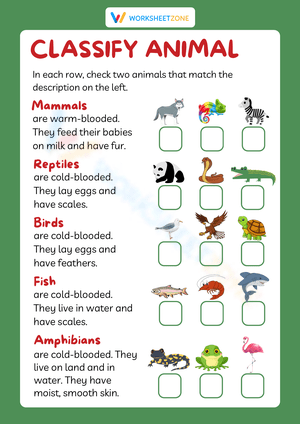
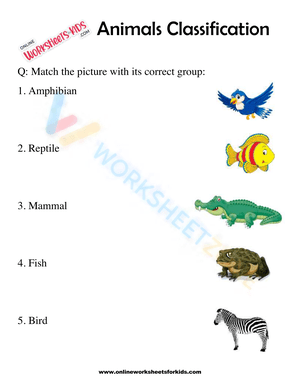
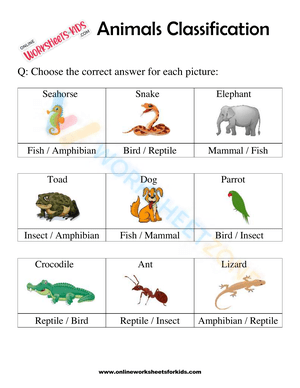
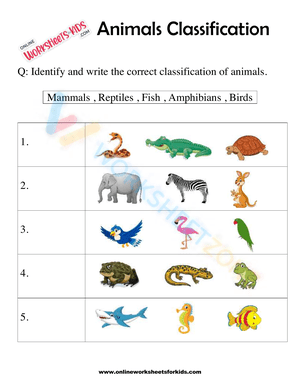
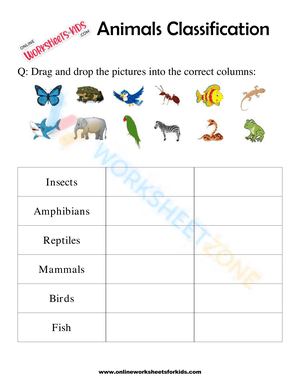
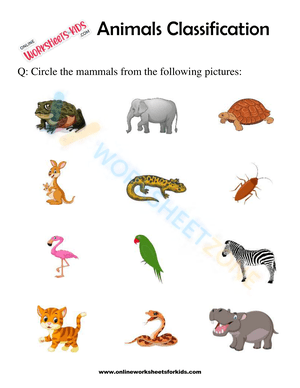
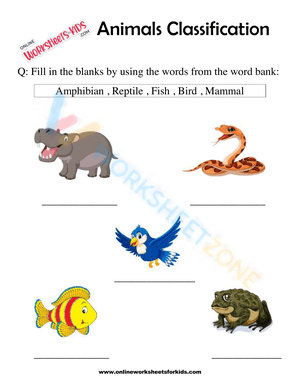
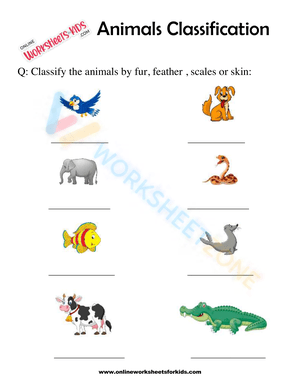
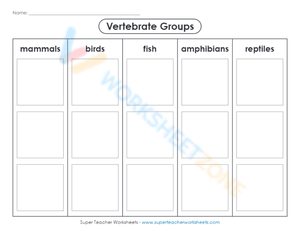
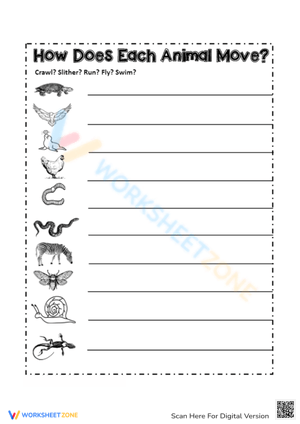
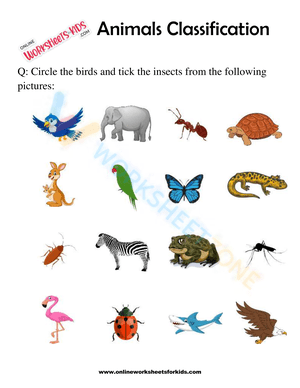
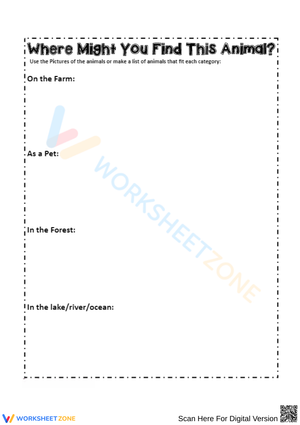
Animal classification worksheets guide students through the process of sorting living things into meaningful groups. Children learn to distinguish vertebrates from invertebrates and to place animals within categories such as mammals, birds, reptiles, amphibians, and fish. Each printable activity builds on the last, so students develop a clear mental map of the animal kingdom rather than a scattered collection of facts. Teachers find that when students physically organize animals on a worksheet, abstract vocabulary like "taxonomy" and "characteristic" begins to feel concrete and manageable. Parents working through science at home will find these PDF charts equally useful for keeping lessons structured and productive.
One classroom strategy that has worked well for me is pairing a classification lesson with something that makes students smile. Our animal jokes for kids collection is a wonderful way to open a lesson or provide a short brain break. When a student laughs at a riddle about a frog jumping into the amphibian group, they are also quietly reinforcing the classification concept they just practiced on their worksheet. That kind of informal repetition is one of the most powerful learning tools a teacher or parent can use. Worksheetzone designs resources with exactly this kind of layered engagement in mind.
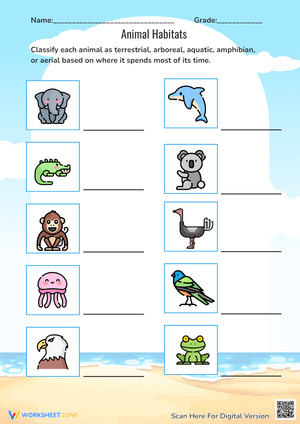
Extending the lesson beyond the worksheet is just as important as the activity itself. A natural next step after practicing animal classification is exploring where those animals actually live. Our animal habitats worksheets offer students the chance to connect a classification label to a real-world environment. When a child understands that a penguin is a bird and also lives in a polar habitat, the two facts reinforce each other in a way that neither lesson could achieve alone. These printable resources for teachers and parents create a connected science curriculum that students carry with them long after the lesson ends.
The goal behind every animal classification worksheet at Worksheetzone is to create a moment where a student looks up from the page with a new kind of confidence. Whether that happens in a classroom of thirty students or at the kitchen table with a single child, the experience is worth every minute of preparation. Science is not memorization - it is the joy of making sense of the world. Animal classification worksheets give every learner the tools they need to begin that journey on solid, well-organized ground.
Frequently Asked Questions
Question 1: What grade levels benefit most from animal classification worksheets?
Animal classification worksheets are most effective for students in grades 2 through 6. Younger learners work well with picture-based sorting activities, while older students can engage with detailed charts covering traits, habitats, and taxonomic groups. Worksheetzone provides printable options that match the developmental needs of learners at each grade level, making them useful for both classroom teachers and parents supporting science at home.
Question 2: How do animal classification worksheets support science curriculum standards?
These worksheets align with life science standards by teaching students to observe, compare, and categorize living organisms. They reinforce key vocabulary including vertebrate, invertebrate, mammal, and reptile while developing critical thinking skills. Using structured printable activities as part of a lesson plan helps students retain biological concepts more effectively than passive reading, making them a practical tool for any classroom or home science program.
Question 3: Can parents use animal classification worksheets outside of school?
Yes, these printable resources work well in home learning environments. Parents can use them to review school material, introduce biology concepts during breaks, or support a homeschool curriculum. Worksheetzone provides clearly structured PDF activities that require no special preparation, allowing any parent to guide their child through a productive science session without needing a teaching background or specialized materials.
Question 4: What animal groups are covered in classification worksheets?
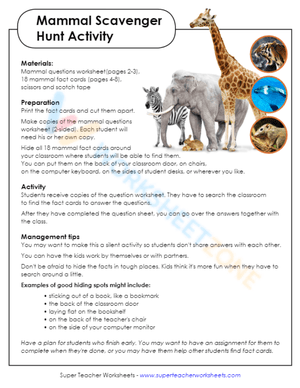
Most animal classification worksheets cover the five main vertebrate groups: mammals, birds, reptiles, amphibians, and fish. Many also include invertebrates such as insects, worms, and spiders. More advanced versions explore taxonomic categories and traits like warm-blooded versus cold-blooded animals. Worksheetzone offers a range of printable activities covering both basic and detailed classification topics suited to different grade levels and learning objectives.