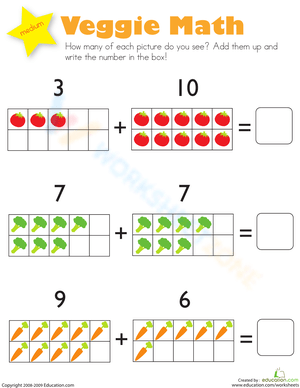
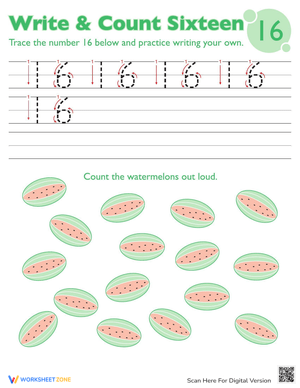
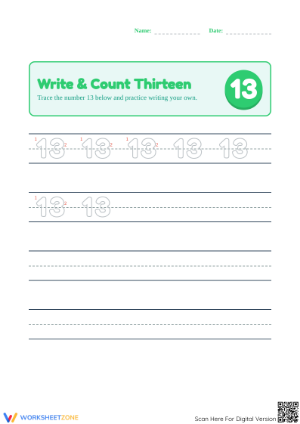
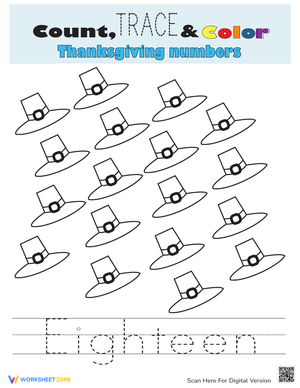
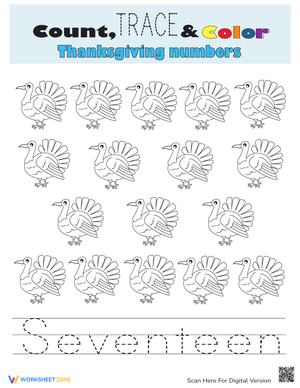
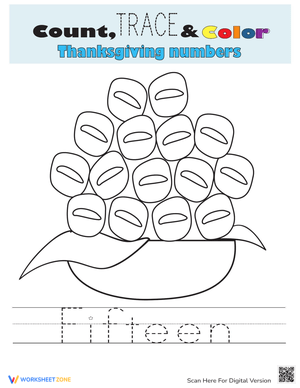
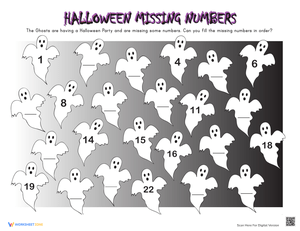
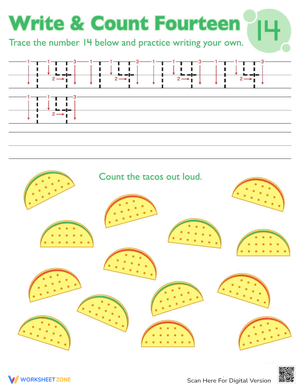
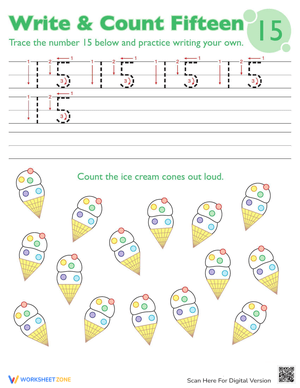
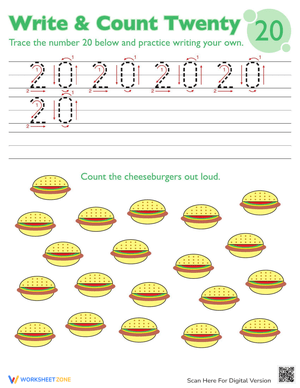
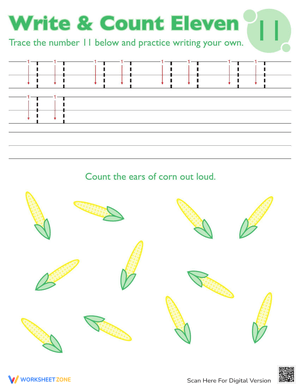
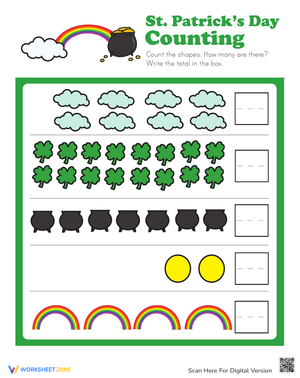
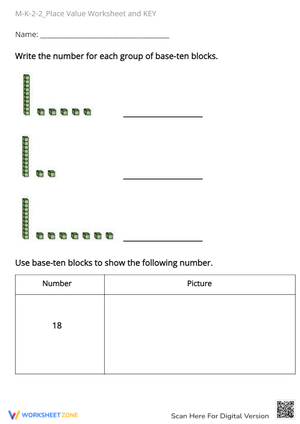
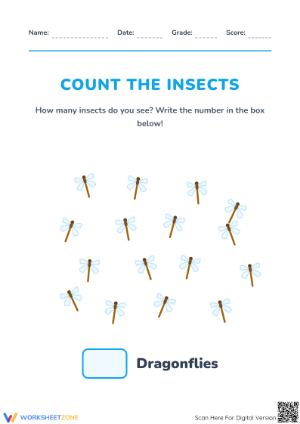
1st grade writing numbers 11 20 printable worksheets give teachers a focused tool for one of the trickiest stretches in early math — the teen numbers. A student who writes 1 through 10 without hesitation may still produce 41 when asked to write 14, or skip 16 entirely in a sequence that otherwise looks correct. These worksheets pair numeral tracing, independent writing, and quantity matching so students build both the formation habit and the number sense that holds teen numerals in place.
The Specific Skills Targeted
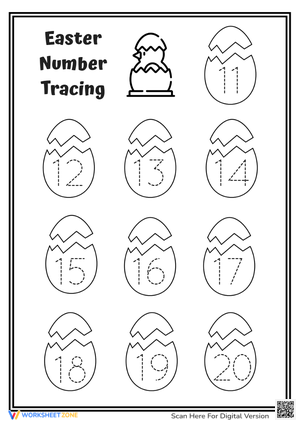
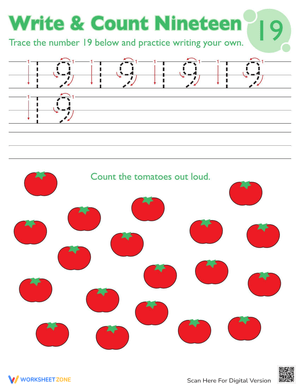
Each worksheet develops numeral formation for 11 through 20 — a range that teachers know is not uniform in difficulty. Students generally manage 20 without much trouble because it anchors a familiar round number. The real friction falls in the middle: 13 through 19, where the spoken name reverses the place-value order that appears in the written numeral. When a child hears "four-teen," the natural impulse is to write the four first. Practice that consistently links saying the number aloud with tracing and then independent writing works to interrupt that habit before it hardens into a persistent error.
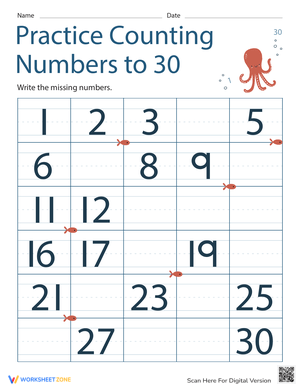
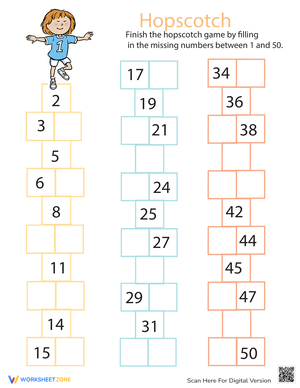
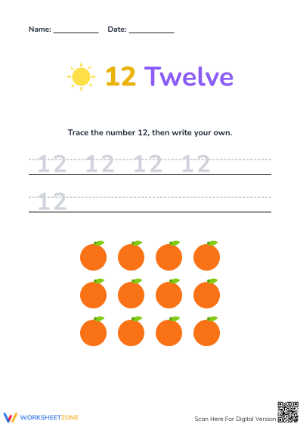
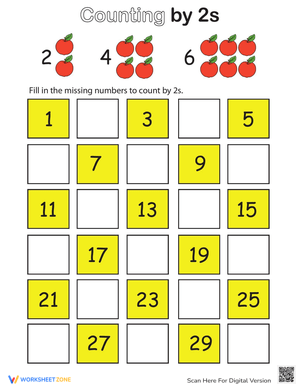
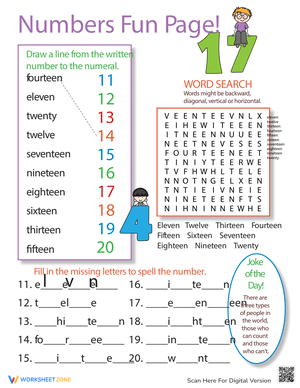
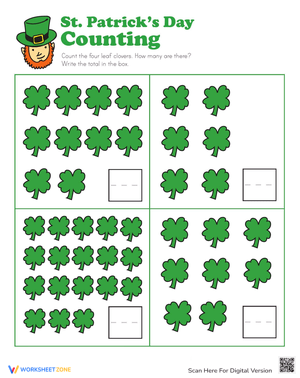
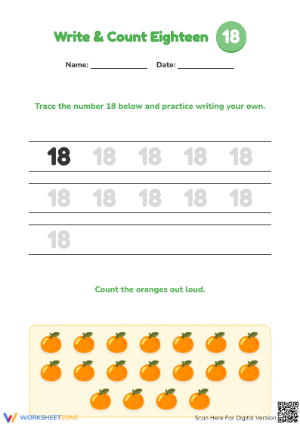
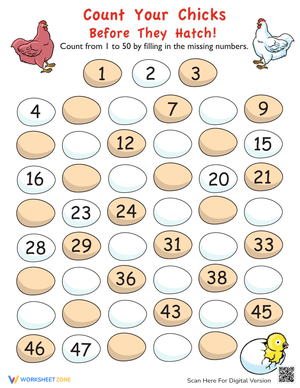
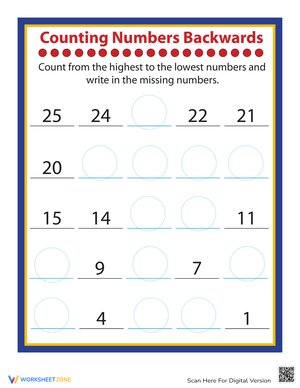
Beyond formation, these worksheets build number recognition through repeated visual exposure, counting skill through picture-to-numeral matching tasks, and sequence awareness through fill-in-the-missing-number exercises. Students who complete both a tracing row and an independent writing row on the same worksheet give teachers immediate diagnostic information: accurate tracing followed by digit reversal on the independent row identifies a specific gap — not weak fine-motor control, but an unresolved relationship between the spoken name and the written digit order.
Working These Worksheets Into Your Instructional Routine
Morning work and math centers are the most efficient placements for this kind of practice. In morning work, assigning a worksheet that covers a narrow band — say, 13 through 16 — and returning to that same band across two or three consecutive mornings before expanding the range gives students spaced repetition that single-day practice does not. For teachers building a consistent fall routine, 1st grade writing numbers 11 20 printable worksheets work well on a Monday-through-Thursday schedule during the first six weeks, when locking in teen-numeral fluency is the clearest instructional priority.
In centers, a worksheet with counting pictures and a write-from-dictation row gives students a self-contained task that does not require direct teacher supervision to complete. A dry-erase sleeve placed over the worksheet extends the value: students trace in the sleeve, clear it, and then attempt the numeral on the paper below without the traced guide — a small procedural shift that converts copying into retrieval practice. For homework, shorter is better. A half-sheet asking students to write five teen numbers and draw matching dots moves quickly enough that families can support the work without needing additional instructions from you.
Error Patterns That Show Up in Teen-Number Writing
The most consistent error across first grade is digit reversal: 31 for 13, 71 for 17, 91 for 19. The placement of the ones digit first in the spoken name — "four-teen," not "teen-four" — leads students to write the ones digit before the tens digit. 1st grade writing numbers 11 20 printable worksheets that include both a tracing model and an independent writing row make this error visible on the spot: students who reverse digits on the independent row but trace accurately are not struggling with handwriting — they have not yet internalized the rule that the tens digit comes first in written form.
A second pattern worth watching: many first graders learn 11 and 12 as separate memorized words rather than as two-digit numbers governed by the same digit logic as 13 through 19. A student who writes 11 and 12 correctly while consistently reversing 13 through 19 is likely relying on rote memory for the first two and has not yet connected them to teen-numeral structure. A worksheet that runs the full 11–20 range in continuous sequence exposes this split because the student must move through 12 into 13 without the safety of a word they have learned as a memorized unit.
How These Worksheets Flex for Students at Different Levels
Students entering first grade with strong number sense from kindergarten will move past tracing quickly and be ready for independent writing and sequencing tasks by early fall. For these students, a productive modification is a different entry point on the same worksheet: skip the tracing row and begin at the independent writing section, then add a direction to write the numbers backward from 20 to 11 from memory after completing the worksheet. For students still building one-to-one correspondence with objects above ten, narrow the focus to 11 through 15 before expanding. Independent numeral writing on the full range is not useful when the underlying counting foundation is not yet stable.
Teachers who want a quick whole-class snapshot can use 1st grade writing numbers 11 20 printable worksheets as a brief pre-assessment in late September: dictate eight teen numbers in random order and ask students to write them without a model. The results typically sort the class into three groups — students who need formation support, students whose handwriting is fine but whose digit order is inconsistent, and students already ready to move forward. That sorting shapes small-group work for the next two weeks without requiring a separate formal assessment instrument.
Standard Alignment
These worksheets address CCSS.MATH.CONTENT.1.NBT.A.1, which requires first-grade students to count to 120 starting from any number less than 120, and to read and write numerals representing a number of objects with those values. In most first-grade pacing guides, this standard is the instructional focus in September and October — ahead of addition strategies, place-value comparison, and two-digit computation, all of which require students to read and write teen numerals automatically. A student who reaches November still uncertain about the written form of 16 or 17 will lose time on nearly every mixed-number task in the winter units. Establishing teen-numeral fluency early is not a minor goal; it is preparation for accurate number work through the rest of the year.
Frequently Asked Questions
How many practice sessions do most first graders need before teen-number writing becomes consistent?
Three to five short sessions spaced across several days produces more durable results than one extended tracing block. The pattern we see in first-grade student work is that massed practice in a single sitting improves tracing performance without improving independent production. Short, spaced sessions with retrieval built in — write without the model, then check — close the gap faster than volume alone.
Can kindergarten students use these worksheets?
Students finishing kindergarten who have mastered numeral writing through 10 can work through the tracing sections. The counting and matching tasks are better suited to students with stable one-to-one correspondence above ten. Most kindergartners get more from these worksheets as a late-year challenge activity or a summer bridge task than as core instruction during the regular school year.
My students trace 14 and 17 correctly but reverse them on independent writing. What addresses that specifically?
A brief oral prompt before the student writes — "one-four: write the one first, then the four" — anchors the digit order before the pencil moves. Practicing a focused set that groups 13, 14, 17, and 19 together targets the four most commonly reversed teen numbers without asking students to repeat work on numbers they already write accurately. Most students need to say and produce the digit sequence aloud several times before independent writing becomes reliable.













 Interactive Worksheet Maker
 Quiz Maker
 Word Search Maker
 Crossword Puzzle Maker
 Word Scramble Generator
 Sentence Scramble Generator
 Handwriting Worksheet Generator
 Name Tracing Generator
 Fill In The Blank Generator