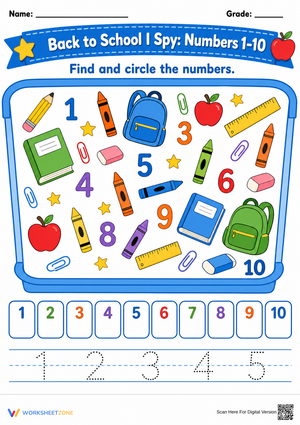
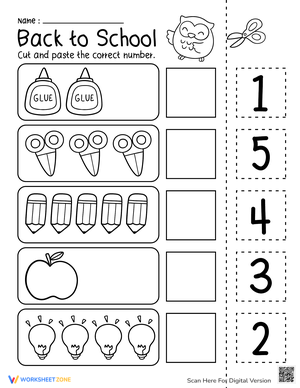
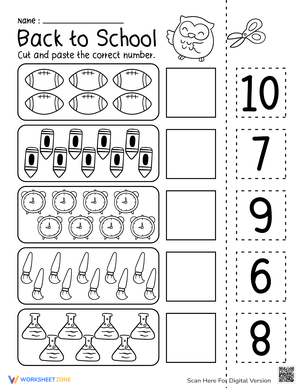
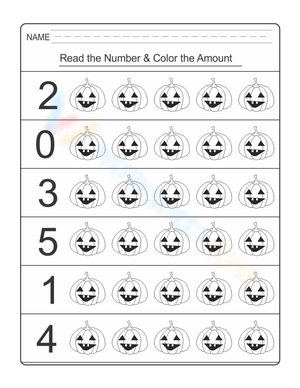
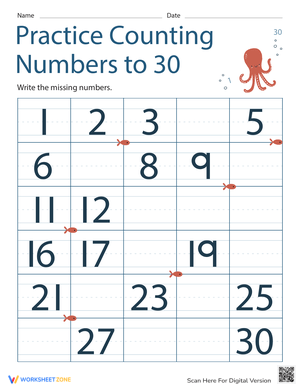
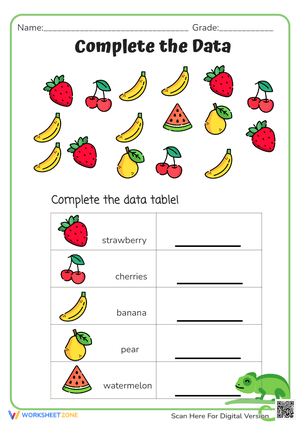
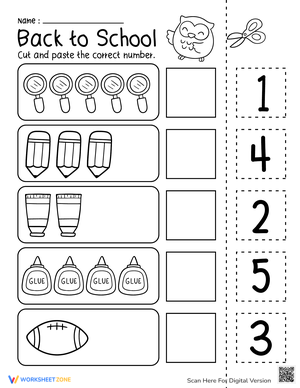
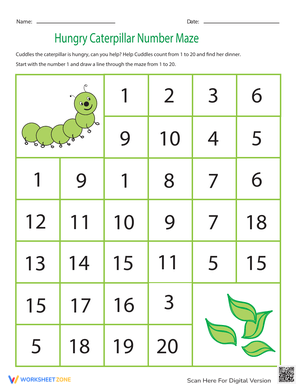
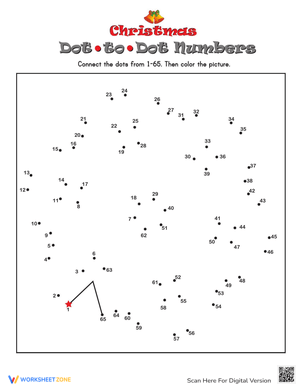
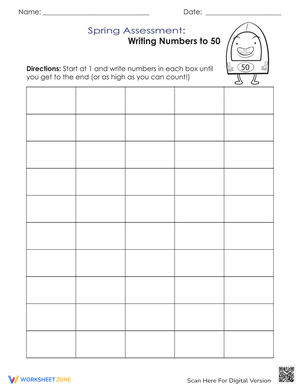
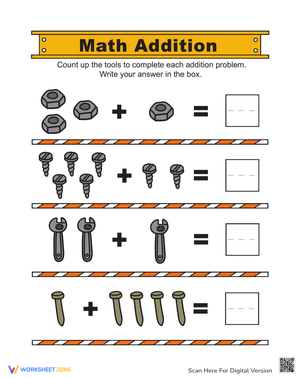
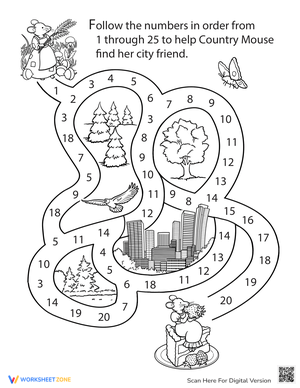
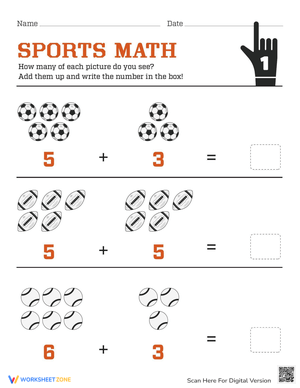
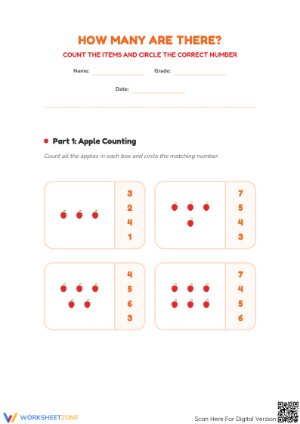
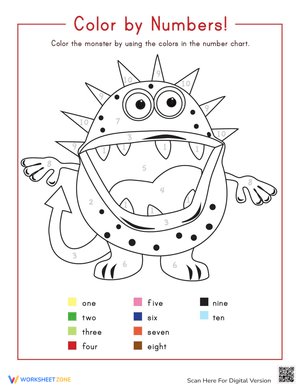
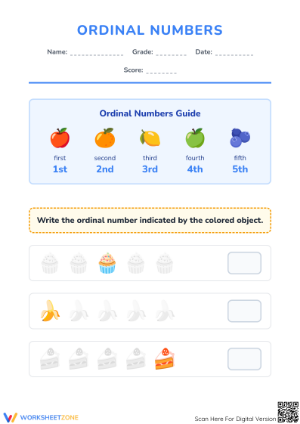
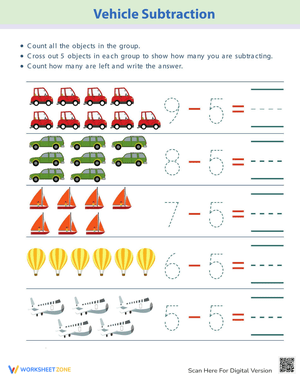
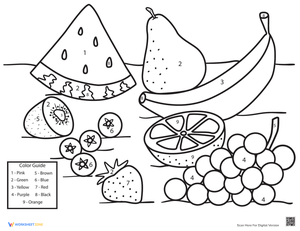
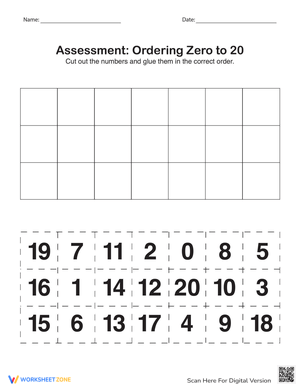
Numbers 0-10 worksheets give you a repeatable, low-prep way to practice recognition, sequencing, and writing without pulling small groups off task every day. Used well, this worksheet set becomes the backbone of your daily math block rather than a one-off filler activity. Kindergarten classrooms typically include students who arrived already counting to 20 alongside students who are still learning to match a numeral to a quantity. A consistent worksheet routine for numbers 0-10 lets you meet both groups where they are while keeping whole-class instruction moving forward.
Aligning Numbers 0-10 Practice with Counting and Cardinality Standards
The Common Core State Standards Initiative outlines specific kindergarten expectations under Counting and Cardinality. CCSS K.CC.A.3 asks students to write numbers 0-20 and to represent a group of objects with the matching written numeral. CCSS K.CC.B.4 focuses on cardinality, the understanding that the last number said while counting a set tells you the total quantity, not just the last item touched. CCSS K.CC.C.6-7 extends this further, asking students to compare two numbers between 1 and 10 when they are presented as written numerals.
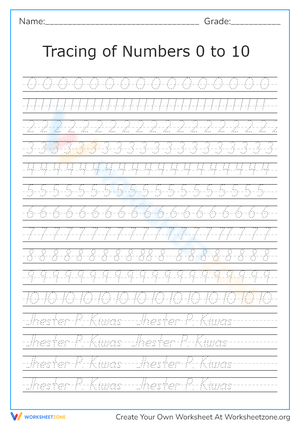
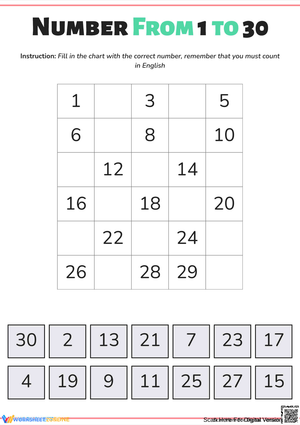
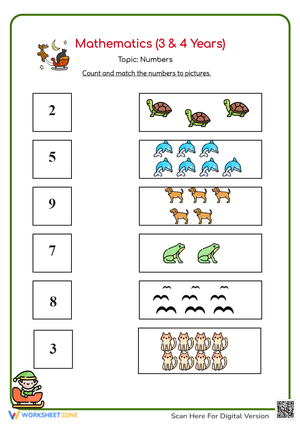
Numbers 0-10 worksheets map directly onto these standards when they combine numeral tracing, object-counting tasks, and simple comparison prompts on the same page. Rather than treating recognition, counting, and comparison as separate units, you can sequence worksheet sets so each skill reinforces the last.
Sequencing Kindergartens' Skills from Recognition to Counting to Writing
Students generally move through a predictable progression with numbers 0-10: first recognizing and naming numerals, then counting sets of objects with one-to-one correspondence, and finally writing numerals independently. Worksheets that jump straight to writing practice before recognition is solid tend to produce reversals and guessing rather than genuine understanding.
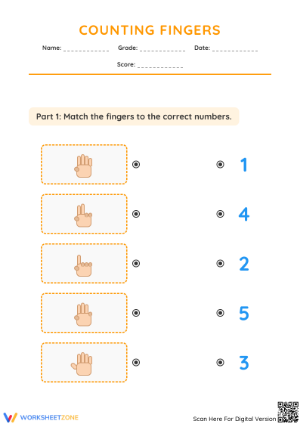
- Start with matching activities that pair a numeral card with the correct quantity of objects.
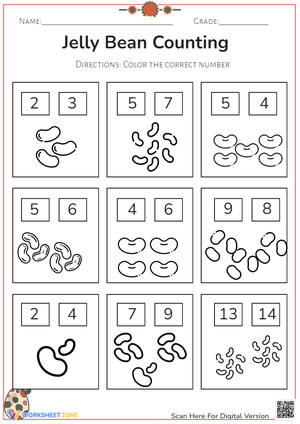
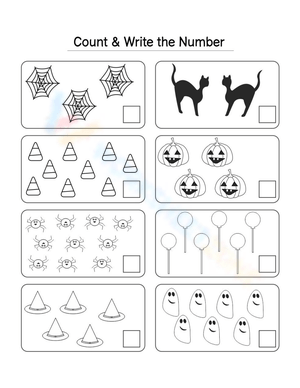
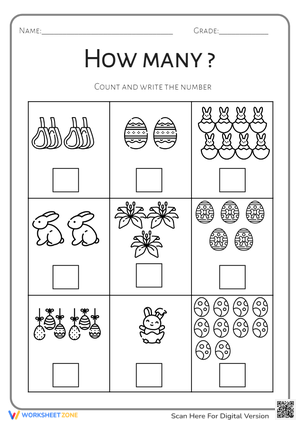
- Move to counting worksheets where students count a set and circle or write the matching number.
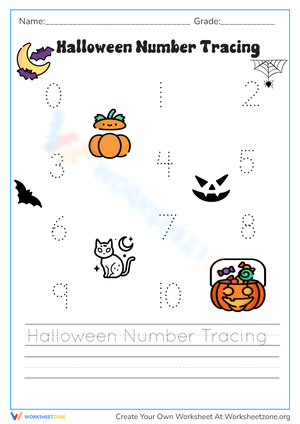
- Introduce tracing and independent writing only after a student can reliably identify the numeral without hesitation.
- Close the sequence with comparison tasks, such as circling the larger or smaller of two numerals.
This order gives you a built-in checkpoint system. If a student struggles at the writing stage, you can step back to recognition or counting worksheets without needing an entirely different resource.
Teacher Tips for Daily Numbers 0-10 Practice In Kindergarten Counting Sessions
Numbers 0-10 worksheets fit naturally into a short, predictable daily routine rather than a lengthy standalone lesson. Keep sessions between five and ten minutes so kindergartners stay focused and the activity remains a consistent part of your morning routine or math center rotation.
- Open each session with a quick oral count to ten before students pick up a pencil, so the worksheet reinforces skills already primed verbally.
- Have students say the number aloud as they write it, connecting the spoken word, the written numeral, and the counted quantity in one step.
- Use worksheets as a warm-up during small-group math time, then follow immediately with hands-on counting using blocks or counters tied to the same numbers.
- Save a few completed worksheets per student each month as informal work samples you can reference during parent conferences or grade-level team meetings.
Frequently Asked Questions
1. How can teachers use numbers 0-10 worksheets to build cardinality, not just rote counting?
Choose worksheets that ask students to count a set of objects and then select or write the matching numeral, rather than worksheets that only ask for numeral tracing. This format forces students to connect the counting process to a final quantity, which is the core of cardinality.
2. What order should numbers 0-10 skills be introduced in kindergarten?
Start with numeral recognition, move to counting sets with one-to-one correspondence, then introduce numeral writing, and finish with simple comparison tasks. Skipping ahead to writing before recognition is secure often leads to reversals and guessing.
3. How often should kindergarten teachers assign numbers 0-10 worksheets for practice versus assessment?
Short daily practice sessions of five to ten minutes work well for skill-building, while a slightly longer worksheet every one to two weeks can serve as an informal formative check on individual student progress.
4. How can numbers 0-10 worksheets support struggling learners or students below grade-level benchmarks?
Pair worksheets with manipulatives like counters or ten-frames during small-group intervention time, keep the worksheet format consistent across sessions, and watch for specific error patterns, such as off-by-one counting, to target instruction more precisely.













 Interactive Worksheet Maker
 Quiz Maker
 Word Search Maker
 Crossword Puzzle Maker
 Word Scramble Generator
 Sentence Scramble Generator
 Handwriting Worksheet Generator
 Name Tracing Generator
 Fill In The Blank Generator