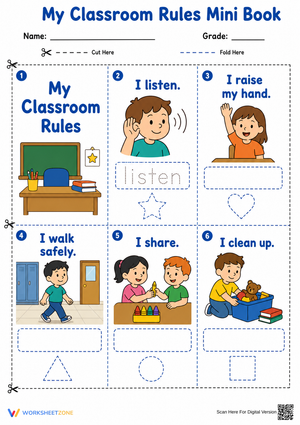
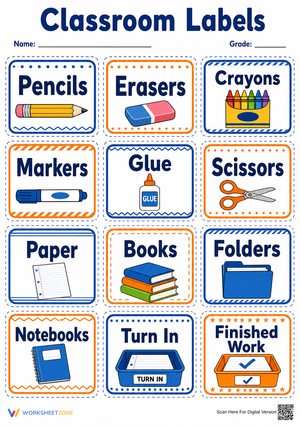
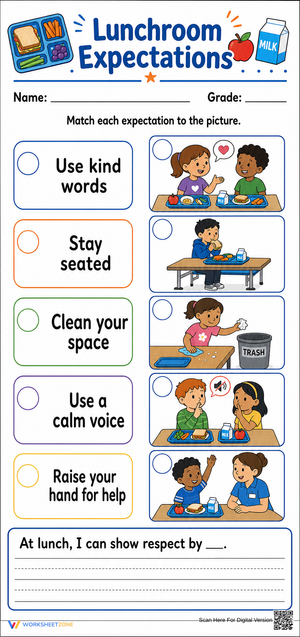
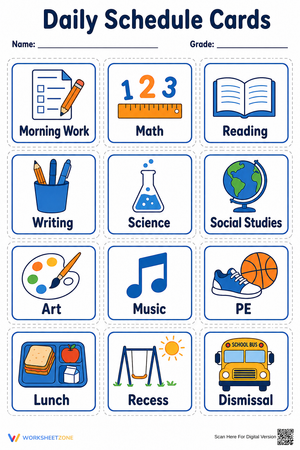
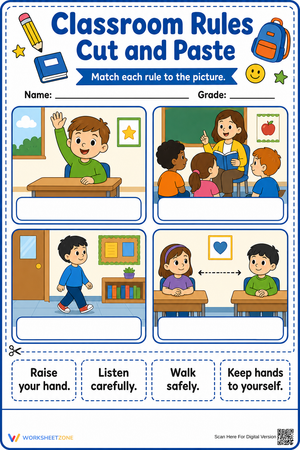
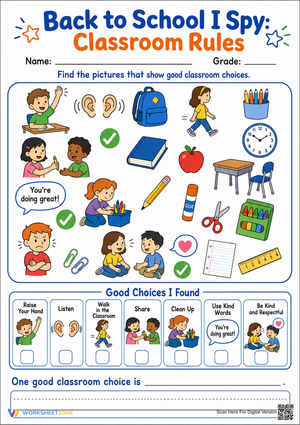
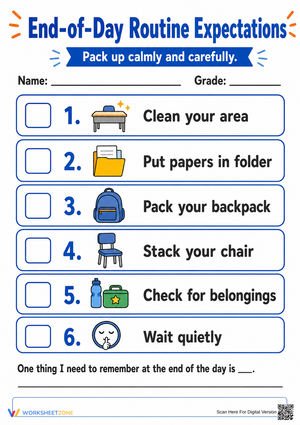
These community culture worksheets pdf for kindergarten give teachers a print-ready path through one of the most foundational topics in early social studies: who helps us, where we live, and how families and communities carry their own ways of doing things. The worksheets work through matching, sorting, cut-and-paste, tracing, and purposeful coloring tasks sized to what five-year-olds can actually do in a center or a short independent block. Teachers running a community unit or a cultural awareness theme have enough material here to sustain two to three weeks of instruction without piecing together resources from a dozen different places.
Concepts Covered Across the Set
Each worksheet targets a specific slice of the community and culture topic rather than treating both ideas as one undifferentiated unit. The resources address:
- Community helpers and the tools, uniforms, or vehicles connected to their work
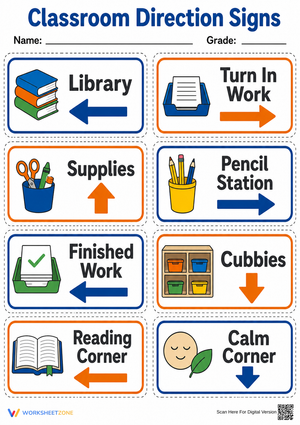
- Neighborhood places — libraries, post offices, fire stations, grocery stores — and what happens inside each one
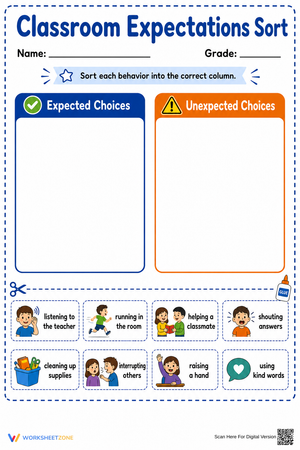
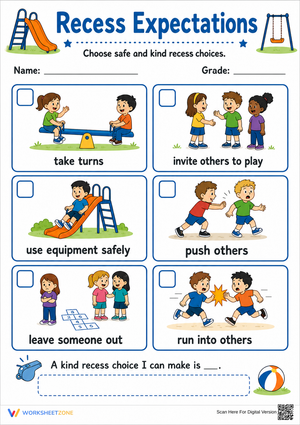
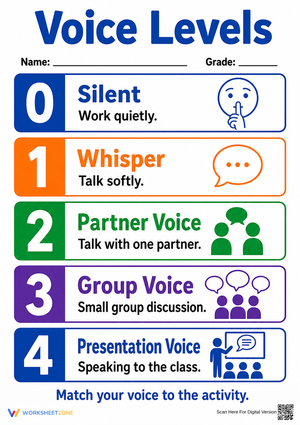
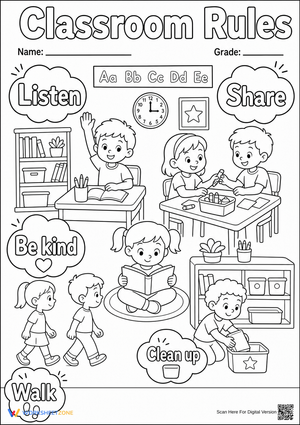
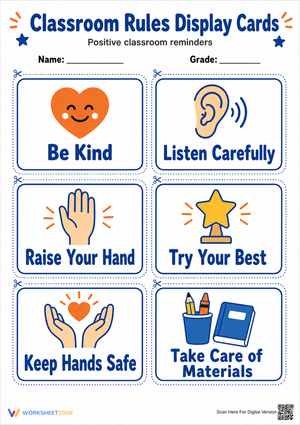
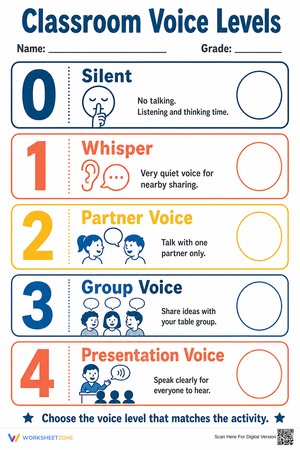
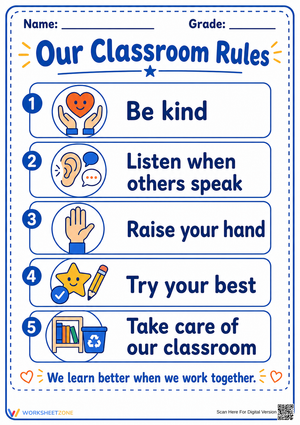
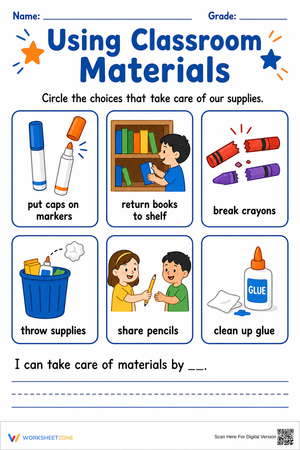
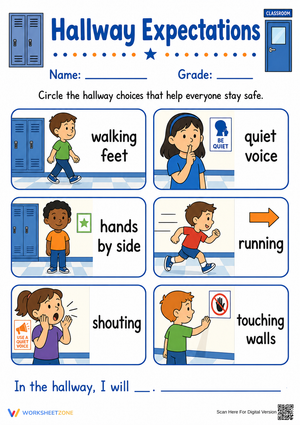
- School and classroom rules, presented as pictures of expected behaviors rather than lists of words
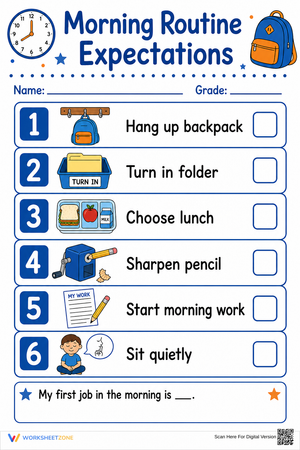
- Family roles and home routines, including meal preparation, bedtime, and morning schedules
- Cultural traditions: foods, music, clothing worn for celebrations, and seasonal customs
- Similarities and differences across families and communities
Vocabulary repeats across worksheets by design. Words like neighbor, tradition, rule, helper, and community appear multiple times so children encounter each term enough to begin using it in conversation. A single exposure rarely sticks at this age; repetition built into the sequence does the work that re-teaching would otherwise require.
Worksheet Formats That Match the Five-Year-Old Learner
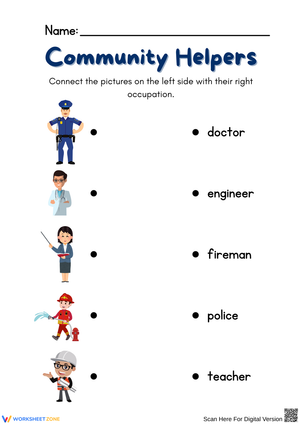
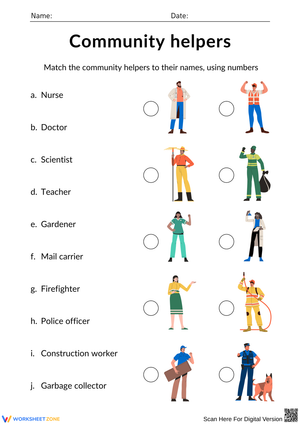
The formats here are not decorative choices — each one fits what kindergarteners can manage without adult reading support. Matching tasks keep the language load light so the social studies thinking stays front and center. A child who matches a firefighter to a fire hose is doing conceptual work, not decoding work, which is exactly the right distribution at this stage of schooling.
Sorting worksheets let students classify community helpers, neighborhood places, or family traditions into groups. Teachers should know that picture-only sorting pages carry one honest limitation: a child can sometimes sort by matching visual complexity — a busy image here, a busy image there — rather than by understanding the concept. A quick "Tell me why you put this one here" closes that gap. The cut-and-paste versions also serve double duty as fine motor practice, which kindergarten teachers never have too much of.
Tracing pages connect early social studies vocabulary to literacy work, letting students trace and say words like library, mail carrier, or neighbor while a picture anchors the meaning. Discussion prompt worksheets — a single illustration with one open question printed beneath — are the most flexible format in the set. They run well as partner talk starters, whole-class shared writing prompts, or brief oral checks at the end of a lesson.
How to Work These Worksheets Into Your Weekly Lessons
These worksheets fit most naturally into the four to eight minutes after morning meeting when teachers need something purposeful before the reading block begins. A quick matching or coloring worksheet reviewing helper vocabulary from the day before uses that window well and gives teachers a visible retention check without a formal assessment. Monday is often the right day to assign a family routines worksheet — children come in from the weekend with their own experiences still close to the surface, and a page about home traditions meets that energy rather than fighting it.
For centers, the cut-and-paste and sorting worksheets work well in a social studies tub alongside picture books about neighborhoods or community jobs. Sub plans are another strong use case: pull any worksheet from the community helpers or neighborhood places topics, and a substitute can run it with no prior context because the images carry the instruction. One note on sequencing: start with helpers and school before moving to family traditions and cultural differences. Children have more prior knowledge about the adults who work around them than they do about traditions outside their own home, and the familiar territory builds the vocabulary and discussion habits needed before students take on cross-family comparisons.
Student Errors Worth Catching Early
The most consistent error in community helper work is conceptual, not procedural. Five-year-olds tend to define "community helper" as "any adult who seems nice." In student work, this shows up as children circling a neighbor, a grandparent, or the ice cream truck driver alongside the police officer and librarian. They are not wrong to call those people helpful — but they have not yet grasped the civic dimension of service that defines the concept. A follow-up question, "What job does this person do every day to help our neighborhood?" usually reveals the gap and starts to close it. That distinction — helping occasionally versus serving a neighborhood role — is worth a few minutes of explicit whole-group discussion before the matching worksheet goes out.
On the culture side, a recurring problem surfaces on family traditions worksheets: children whose home traditions do not appear in the illustrations go quiet and copy rather than respond. If every example shows a birthday cake, a Thanksgiving spread, and a winter holiday tree, some students will not see their family in the page. Previewing the worksheets before use and adding the prompt "What does your family do that makes a day feel special?" brings in every child's experience and keeps the concept honest.
Standard Alignment
These worksheets align with the National Council for the Social Studies thematic standard on Culture (Theme 1), which asks learners to recognize how people share and differ in their ways of life. At kindergarten, that standard becomes concrete: children identify how families may eat, celebrate, or dress differently while belonging to the same school community. NCSS Theme 4, Individual Development and Identity, is addressed through the family roles and home routines worksheets, where students connect personal experience to the broader idea of community membership.
In most state K–2 social studies standards, community helpers and neighborhood places appear at the kindergarten level specifically because children's social world at age five is expanding outward — from home to school to neighborhood — for the first time. This is the developmental window where community culture worksheets pdf for kindergarten content lands most effectively: children are building their first mental map of the social world beyond their household, and the vocabulary introduced here becomes the ground-level knowledge that second-grade local and regional community studies will build on.
Differentiating the Set Across Your Classroom
Students still developing fine motor control can work the matching and circling worksheets instead of cut-and-paste or tracing tasks. For sorting activities, a teacher or paraprofessional can pre-cut the cards so the child's effort goes into the thinking. On the other end, students who already read simple sentences can add a one-sentence caption to a completed matching worksheet: "The librarian helps us find books" extends the task without changing the concept being practiced.
For English language learners, community culture worksheets pdf for kindergarten content travels well across the language barrier because the picture-heavy format carries the meaning without relying on English text. The better accommodation, though, is on the output side — allow students to respond by pointing, sorting, or illustrating rather than speaking or writing in English. The social studies understanding is the goal; the English label can follow once the concept is in place. Bilingual vocabulary cards placed next to a worksheet let students connect what they already know in their home language to the new term they are learning.
Students who move quickly through a worksheet benefit from using the discussion prompt pages as an extension rather than a summary. Instead of answering one printed question, they generate a second question to ask a partner. This keeps the thinking going without simply advancing to a different activity.
Frequently Asked Questions
How do these worksheets handle cultural representation?
The set draws on a range of family structures, traditions, and community types rather than defaulting to a single cultural frame. That said, no printed set fully represents every student's background. Teachers get the most from these resources by adding local, specific examples — naming the actual park, librarian, or tradition that children in the room recognize. That one small step turns a general worksheet into a lesson grounded in what students know firsthand.
Can these worksheets serve as informal assessments?
Matching, circling, and labeling worksheets work as informal performance checks at the end of a lesson or unit. They are not standardized assessments, but a completed worksheet showing a child correctly matching all five community helpers, or sorting six neighborhood places into two categories without error, gives teachers useful documentation alongside observation notes and can support parent-teacher conference conversations.
How long does each worksheet take to complete?
Most worksheets finish in five to eight minutes for on-level kindergarteners working independently. Discussion prompt worksheets take longer when used for partner or whole-class conversation — budget ten to fifteen minutes if one is anchoring a shared writing activity.
Do students need direct instruction before starting each worksheet?
A brief shared experience — even two or three minutes of looking at a picture together and naming what you see — makes a meaningful difference. Community culture worksheets pdf for kindergarten instruction lands best when each worksheet arrives after at least one whole-group conversation that gives students shared language to draw from. The worksheets support and reinforce that conversation; they do not replace it.