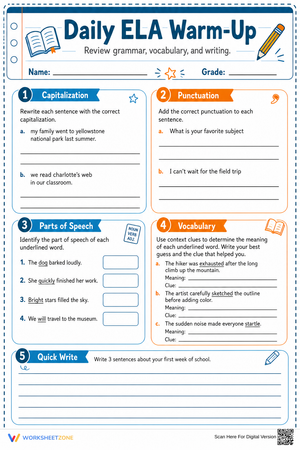
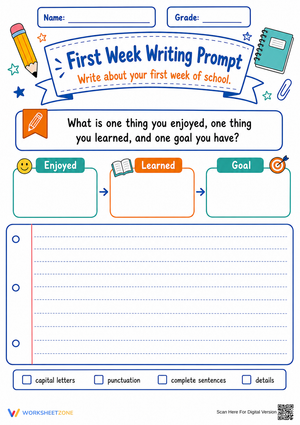
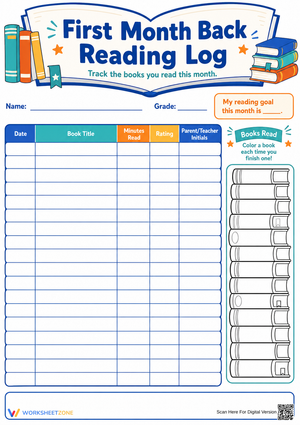
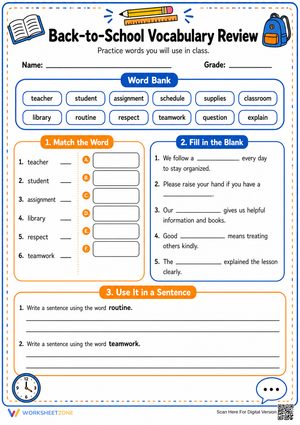
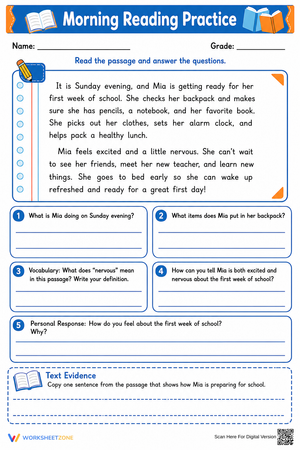
These english printable worksheets for 4th grade cover the full range of ELA skills that define this pivot year — the shift from learning to read toward reading to understand, analyze, and write with authority. Reading comprehension, grammar conventions, Greek and Latin vocabulary, and multi-paragraph writing are all represented in the set. Teachers get targeted, classroom-ready practice across every major strand without having to stitch together resources from different sources.
What's Inside the Set
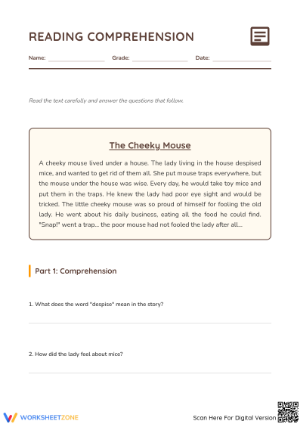
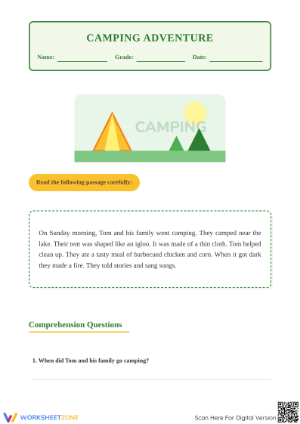
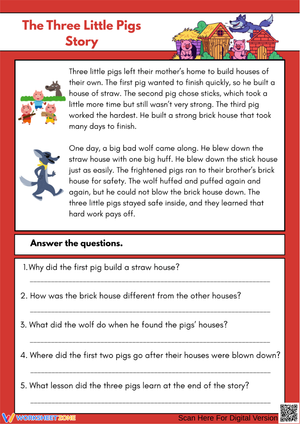
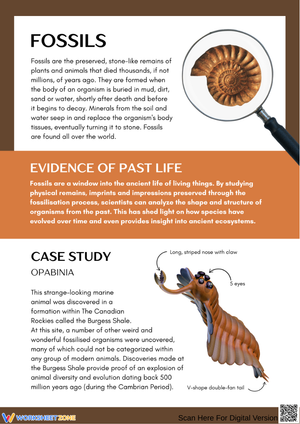
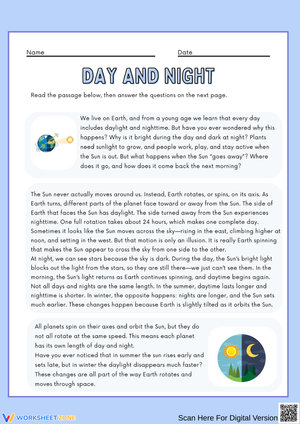
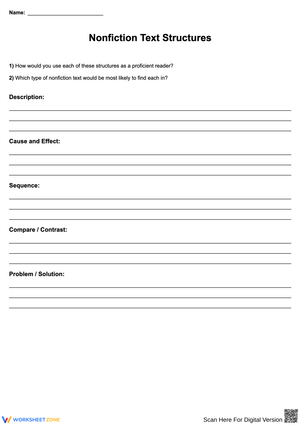
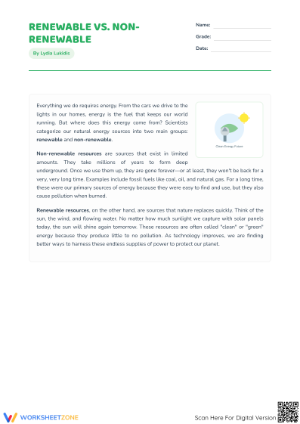
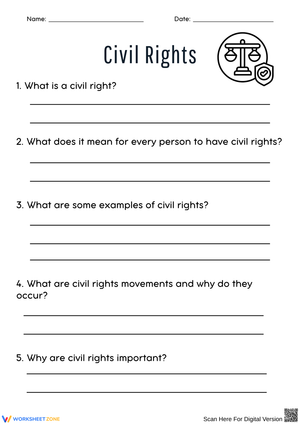
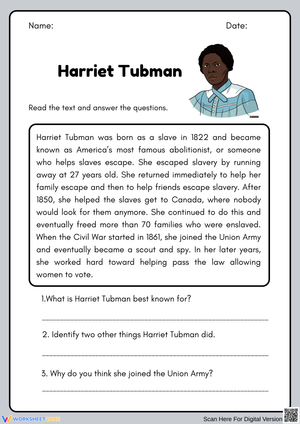
The reading comprehension worksheets pair short passages — both literary and informational — with text-dependent questions that require students to return to the text rather than rely on background knowledge. Students underline evidence, annotate with margin notes, and rewrite key ideas in their own words. The informational worksheets push students toward explanation: not just what happened in a historical or scientific passage, but why, and how the author connected those ideas.
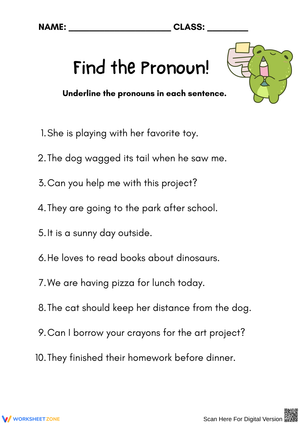
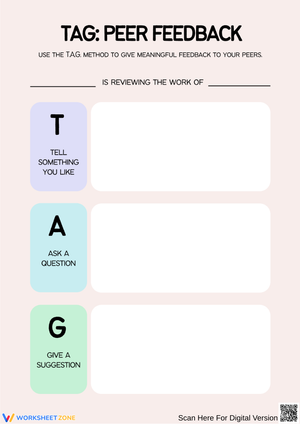
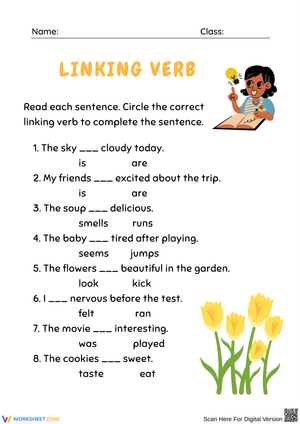
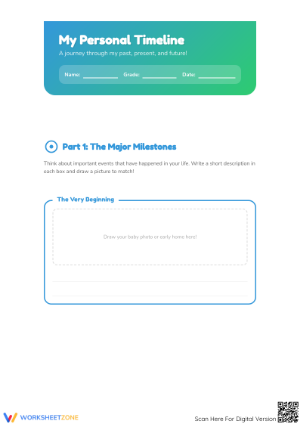
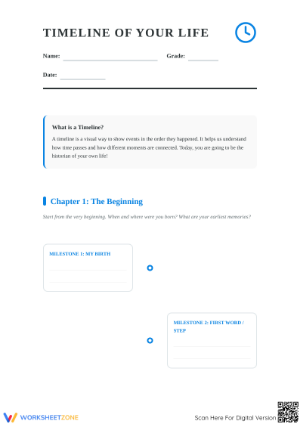
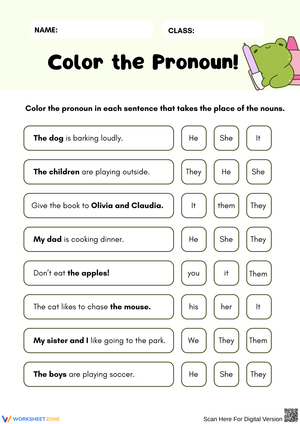
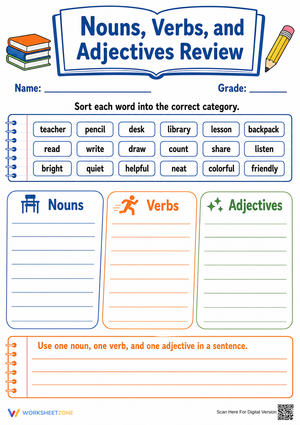
Grammar and writing mechanics worksheets address the specific conventions introduced at this grade level. Students choose between relative pronouns — who, whose, whom, which, and that — in context sentences, then practice forming all three progressive tenses through sentence rewrites. The adjective-order exercises are worth singling out: almost every fourth grader already says "a small old blue jacket" correctly in speech, but they struggle to articulate the rule in writing. These worksheets make the implicit convention explicit so students can apply it consciously when drafting. Writing graphic organizers cover all three required genres: opinion, informative, and narrative.
Vocabulary and Word Study
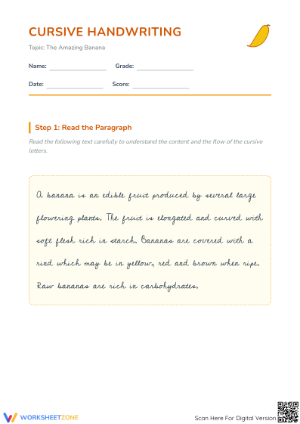
Word study at this grade leans hard on Greek and Latin roots, and the english printable worksheets for 4th grade in this collection reflect that emphasis throughout the vocabulary exercises. Students match prefixes like pre-, mis-, and sub- to their meanings, build word families from a single root, and sort academic vocabulary by structure. The context-clue worksheets use longer academic passages rather than isolated practice sentences with one planted clue — students encounter reading more like what they face in science and social studies, where an unfamiliar word might sit in the middle of a dense paragraph and require tracking several surrounding sentences to determine meaning. That wider context is harder, and it is exactly where the skill needs to develop.
Mistakes Students Make That Teachers Need to Catch
The relative-pronoun worksheets surface a consistent error: students who correctly write "the boy who scored the goal" will still default to which when the antecedent is a collective noun or formal institution. Sentences like "the committee which decided the outcome" appear in fourth-grade informational writing all year unless the distinction gets addressed directly. These worksheets make that specific substitution the entire focus of the exercise, so the error surfaces faster than it would buried inside a longer writing assignment.
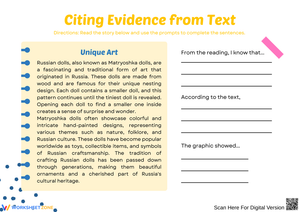
On the reading side, text-dependent questions reveal a different problem. When asked to explain an event in a historical passage, many fourth graders write a reasonable-sounding answer drawn from prior knowledge rather than from the text itself. The response looks correct on a quick scan, but it carries no textual support. Comprehension worksheets that require students to identify a specific paragraph or quote before writing their answer build the evidence-gathering habit directly into the format.
Progressive verb tenses produce subtler errors. Most students distinguish past from present without difficulty, but the future progressive — will be walking — gets collapsed into simple future — will walk — in student writing because both forms feel interchangeable. Worksheets that ask students to rewrite a sentence in a specified tense, rather than simply identify the tense used, catch this pattern early. Production is harder than recognition, and that difficulty is the point.
Lesson-Planning Strategies for Getting the Most From These Worksheets
Grammar and mechanics worksheets work well as warm-ups at the start of the language arts block. A single worksheet on modal auxiliaries runs about eight minutes, leaving room for a quick class discussion of the trickier items before the day's lesson begins. Used consistently at the start of the period, these short practice sessions build the grammatical fluency students draw on later when they are drafting and revising.
These english printable worksheets for 4th grade also run cleanly during small-group rotations. While one group works directly with the teacher on a comprehension strategy, a second group can complete a vocabulary or grammar worksheet independently, and a third group can use the writing graphic organizers to plan a response. The resources are self-contained enough to operate without teacher oversight, which matters when attention is split across groups.
Reading comprehension worksheets make strong exit tickets at the close of a shared-reading lesson. Students have just heard the passage read aloud and discussed it as a class; the worksheet asks them to produce evidence independently. That gap between collaborative discussion and solo performance is where the most useful formative data lives. A quick scan of completed worksheets at the end of the day identifies which students are summarizing rather than inferring — and that information shapes the next day's lesson without requiring a separate assessment.
Standard Alignment
The reading worksheets address RL.4.1 and RI.4.1, which require students to refer to specific details and examples when drawing inferences or explaining what a text says. RI.4.3 is covered by the informational comprehension worksheets that ask students to explain events, procedures, or concepts — including cause-and-effect relationships — using evidence from the passage. These standards mark the expectation that fourth graders move beyond retelling and toward explanation grounded in textual detail.
Grammar worksheets cover L.4.1a (relative pronouns and relative adverbs), L.4.1b (progressive verb tenses), and L.4.1c (modal auxiliaries). Vocabulary worksheets address L.4.4a (context clues) and L.4.4b (Greek and Latin affixes and roots). Writing graphic organizers support W.4.1, W.4.2, and W.4.3, guiding students through the planning phase for opinion, informative, and narrative writing before they begin drafting.
Differentiating the Set Across Ability Levels
For students still solidifying sentence-level grammar, the relative-pronoun and progressive-tense worksheets work well in pairs — one student reads the sentence aloud while the other selects the answer, then they discuss before writing. That conversation externalizes reasoning that a silent worksheet cannot capture. Students reading below grade level on the comprehension worksheets benefit from having the passage read aloud before they answer; the skill being assessed is evidence-gathering rather than decoding, so removing that barrier keeps the focus where it belongs.
These english printable worksheets for 4th grade extend naturally for students who are ready for more challenge. After completing a context-clue worksheet, ask students to write two original sentences for each vocabulary word using a clue type different from the one modeled in the exercise. For writing graphic organizers, students who move through planning quickly can add a counterargument section to the opinion organizer before drafting. The core worksheet stays the same; the extension raises the cognitive demand without requiring a separate set of materials.
Frequently Asked Questions
What reading level are the comprehension passages?
The literary and informational passages sit in the mid-to-upper fourth-grade range, approximately Lexile 740 to 820. That puts them within reach for on-level readers working independently while still requiring close reading. For students reading significantly below grade level, reading the passage aloud removes the decoding barrier without changing the comprehension task — what is being assessed stays the same.
Do the grammar worksheets assume prior instruction on the topic?
Most do. The relative-pronoun worksheets in particular assume students have already encountered the terminology and seen examples in direct instruction. Dropping them in before any teaching on the topic produces guessing rather than genuine practice. The context-clue and root-word vocabulary worksheets are more accessible without prior teaching because the task itself models the strategy being practiced.
How do the writing graphic organizers connect to the finished writing piece?
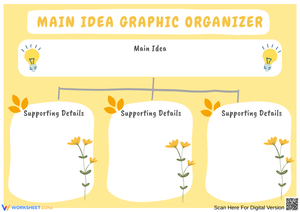
Each organizer guides students through the planning phase for one genre. The opinion organizer includes sections for the claim, three supporting reasons with evidence, and a concluding statement — the structural skeleton of a multi-paragraph essay. The informative organizer separates facts, definitions, and explanatory details by subtopic so students can group ideas before drafting paragraphs. Completing the organizer first reduces the demands of drafting: students concentrate on language choices rather than managing structure and content decisions at the same time.












 Interactive Worksheet Maker
 Quiz Maker
 Word Search Maker
 Crossword Puzzle Maker
 Word Scramble Generator
 Sentence Scramble Generator
 Handwriting Worksheet Generator
 Name Tracing Generator
 Fill In The Blank Generator