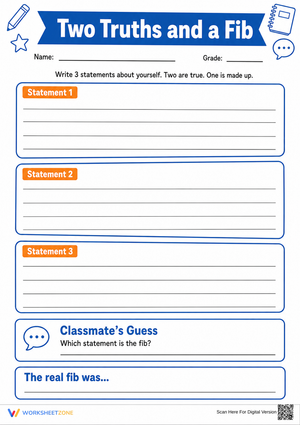
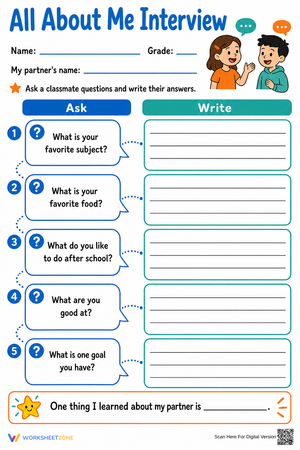
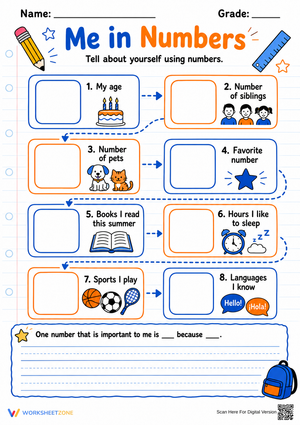
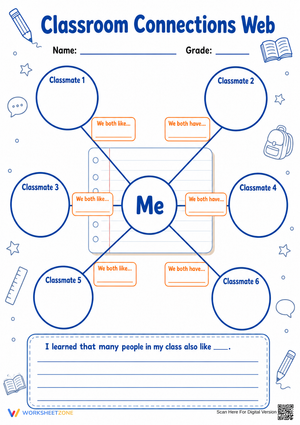
These 4th grade literary elements printable worksheets address the hardest pivot in upper elementary reading: the moment students must stop reporting what happened and start explaining why it matters. Each worksheet in the set targets a single narrative element — plot structure, character analysis, setting, theme, or point of view — so teachers can assign precisely what a reading unit or small group needs without overloading students with multiple concepts at once. The worksheets work with any narrative students are currently reading, making them reusable across multiple units in the same year.
What's Inside the Set
Plot structure worksheets ask students to place specific events into the five-stage model — exposition, rising action, climax, falling action, resolution — and explain why each event belongs where it does. The goal is causal reasoning, not chronological sorting.
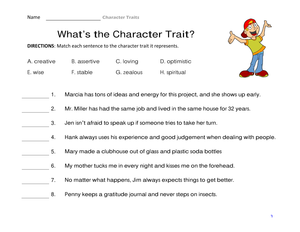
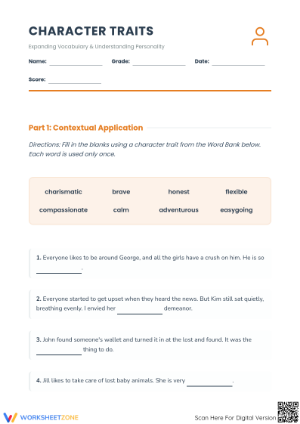
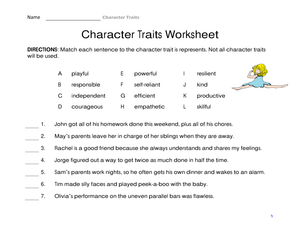
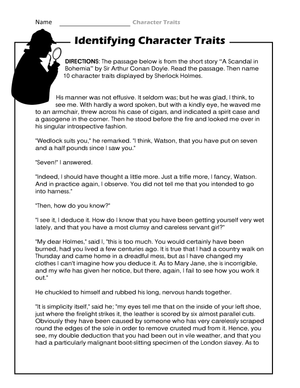
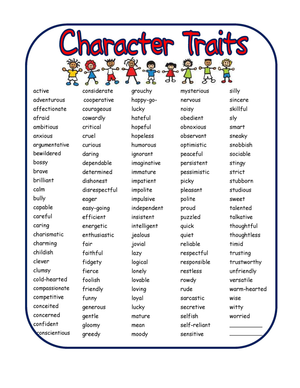
Character analysis worksheets use the FAST framework — Feelings, Actions, Sayings, Thoughts — to move students past physical description. Each worksheet requires a character trait and two text citations that prove it: a line of dialogue, a decision made under pressure, a telling reaction. The two-citation requirement does real work. One student wrote "determined" as her trait and initially cited a single line of dialogue — reasonable enough — but finding a second citation sent her back into the text where she located a behavior-based detail across two chapters that made the analysis considerably stronger than her first attempt.
Setting worksheets move past "where and when" to ask how the time and place shape the central problem. The most productive prompt asks students to explain what would change about the plot if the setting were different. A story set during a blizzard generates entirely different obstacles than the same story set in July. Students who haven't thought about setting as a story force often find this prompt disorienting at first — that friction is useful.
Theme worksheets use a supported-choice format: students select from three or four provided theme statements and then cite at least two story events that support their selection. Open-ended theme prompts tend to produce plot summaries at this grade level; the supported-choice format redirects the work toward evidence.
Point of view worksheets begin with identification — first person or third person — then move toward explanation. The higher-demand tasks ask what a first-person narrator cannot know about other characters' internal thoughts, then ask students to rewrite a short passage from a different character's vantage point. That rewriting task reveals understanding that identification alone does not.
Where Students Go Wrong in Literary Analysis
The most consistent pattern in 4th grade work is theme-as-summary. Students write "the theme is that the dog runs away and comes home," which describes the plot, not the lesson. The distinction between what a story is about and what it is saying about life is genuinely abstract for 9- and 10-year-olds. The supported-choice theme worksheets cut through this directly — students cannot write a plot summary as their answer when every available option is a general statement about human experience.
Character trait versus character emotion trips up students at this level with remarkable consistency. They list "scared" or "excited" as traits, when those are temporary emotional states tied to specific moments rather than stable personality features. The FAST organizer helps by asking students to look across the whole text for evidence. One frightening moment does not define a trait, but a character who avoids every difficult situation throughout an entire novel might legitimately be called "fearful."
Setting errors are subtler. Students correctly note the time and place, then treat both as background detail. They write "the story is set in a small town in the 1950s" and stop, without asking what that context makes possible or impossible for the characters. The setting worksheets address this by requiring students to explain how the time and place create or intensify the central conflict — not just where the story happens, but why it matters that it happens there.
Standard Alignment
These 4th grade literary elements printable worksheets directly address three RL.4 standards from the Common Core State Standards for English Language Arts. RL.4.3 — describing characters, settings, and events in depth using specific text details — drives the character analysis and setting worksheets. RL.4.2 — determining theme from story details and summarizing the text — anchors the theme worksheets, particularly the two-citation evidence requirement. RL.4.6 — comparing first-person and third-person narration — is the focus of the point of view worksheets, including the perspective-shift rewriting tasks.
These three standards reinforce each other in instruction. Students who understand character motivation through RL.4.3 more easily trace how those motivations build toward the theme addressed by RL.4.2. Recognizing whose perspective controls the narration through RL.4.6 sharpens both skills. Sequencing the worksheets across a six-to-eight-week reading unit lets each element of analysis feed into the next rather than standing in isolation.
Fitting These Worksheets Into Your Reading Unit
The most effective entry point when using 4th grade literary elements printable worksheets is a class mentor text — a short story or picture book with clear narrative architecture. Model completing each worksheet type alongside students before asking them to apply the same worksheet independently to their reading workshop book. Students see exactly what "specific text evidence" looks like in practice before they attempt it on their own, which matters far more than any oral explanation of the directions.
Timing matters more than teachers expect. The character analysis worksheet works best as a midpoint check-in during a novel unit, not at the start. By chapter four or five, students have seen enough of the protagonist to write a defensible trait claim with real evidence. Using it after only one chapter typically produces thin responses — students simply have not accumulated enough text to draw from yet.
For small group instruction, the theme worksheet is the most flexible pull. When reading conferences reveal that a cluster of students is consistently summarizing plot instead of identifying message, one targeted worksheet session with the teacher present and redirecting in real time does more than another whole-class mini-lesson on the same skill.
Using These Worksheets With Students at Different Reading Levels
Students who struggle with grade-level texts still need to do the analytical thinking these 4th grade literary elements printable worksheets require. The barrier is usually the reading itself, not the task. Pairing a shorter, high-interest passage at a more comfortable reading level with the same worksheet keeps the focus on literary analysis rather than decoding. The analytical habit builds regardless of text complexity.
For students reading well above grade level, the point of view worksheet offers the most extension room. Ask them to rewrite a key scene from the antagonist's perspective, then write a paragraph comparing what changes and what stays the same. That comparison calls for narrative craft analysis more typical of 5th and 6th grade work — why the narrator's identity reshapes meaning, not just tone.
Some students freeze when facing a blank graphic organizer. For those students, pre-populate one row of the FAST character organizer with a completed example drawn from the class mentor text. That finished row gives a concrete model of what a strong response looks like without doing the remaining analytical work for the student.
Frequently Asked Questions
What is the clearest way to teach the difference between theme and main idea?
The distinction that holds up best in instruction is scope. The main idea is specific to the story ("A girl learns to trust her brother after a difficult summer"), while the theme is a general life statement that extends beyond this particular narrative ("Trust grows through small repeated moments, not single dramatic ones"). Theme worksheets that provide example statements train students to recognize what a theme sounds like before they attempt to generate their own — which makes the move from identification to independent production considerably smoother.
Which text types work best with these worksheets?
Short stories and realistic fiction novels give students the clearest access to all five elements at once. Folktales and fables work especially well for theme work because the moral structure sits close to the surface. Poetry requires more teacher support before students can use the worksheets independently — setting and plot operate differently in that genre, and the literary elements are present but less literally organized than in prose narrative. The worksheets are adaptable, but poetry requires more interpretive groundwork before students use them on their own.
How should I respond when a student cannot find a second text citation for their character trait claim?
The inability to locate a second citation is diagnostic information, not a dead end. It usually signals one of two things: the student chose a trait the text does not actually support, or they have not read closely enough to find evidence beyond what was immediately obvious. Redirect those students to reconsider the trait itself — sometimes the right move is to choose a better-supported trait and start the analysis again rather than hunt harder for evidence that may not exist in the text.












 Interactive Worksheet Maker
 Quiz Maker
 Word Search Maker
 Crossword Puzzle Maker
 Word Scramble Generator
 Sentence Scramble Generator
 Handwriting Worksheet Generator
 Name Tracing Generator
 Fill In The Blank Generator