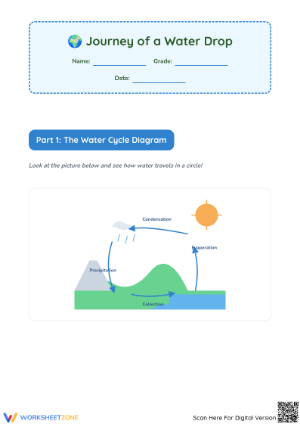
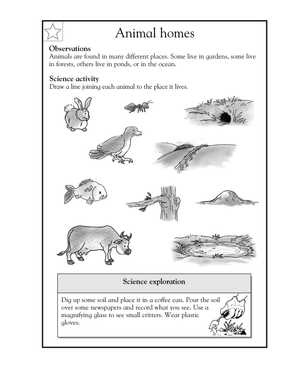
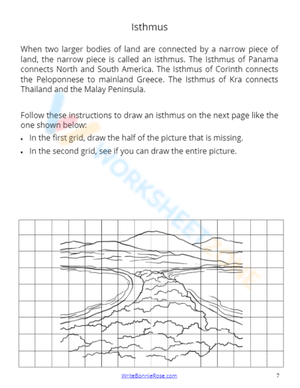
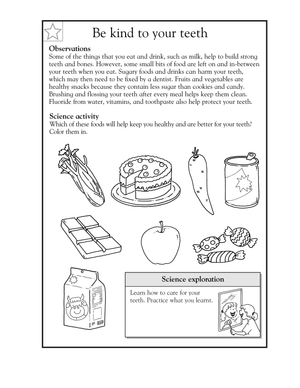
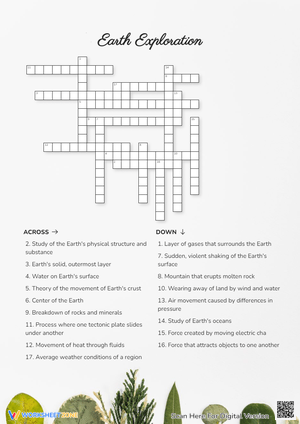
Second graders are naturally curious about the world under their feet and the sky above their heads. They notice rocks on the playground, hills on the way to school, puddles after rain, and the difference between soil, sand, and water. 2nd grade earth science worksheets help turn that everyday curiosity into clear science learning. Through simple diagrams, matching activities, vocabulary practice, sorting tasks, and short reading prompts, students begin to understand Earth’s features and resources in a way that feels age-appropriate and engaging.
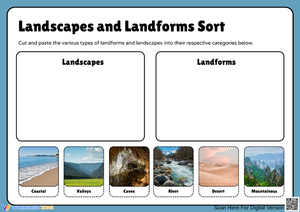
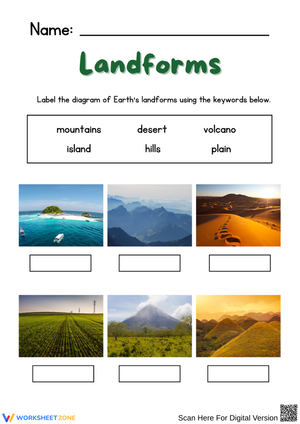
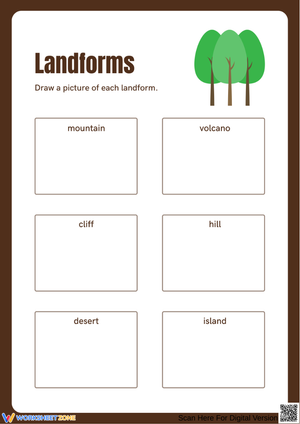
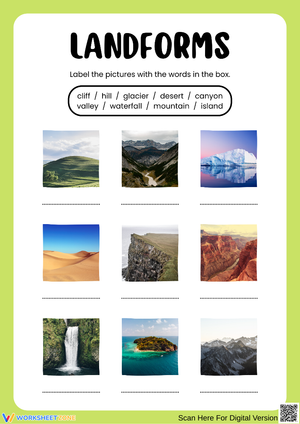
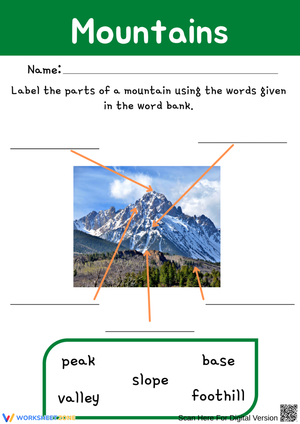
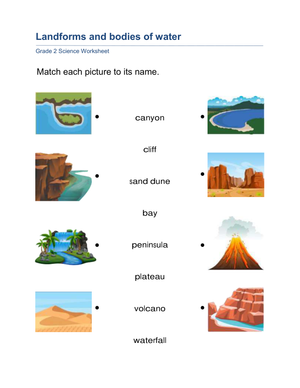
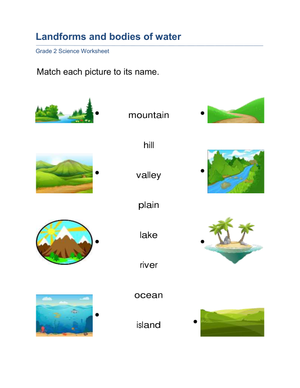
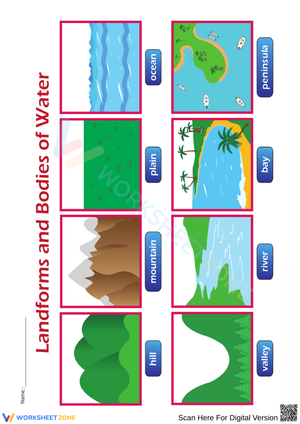
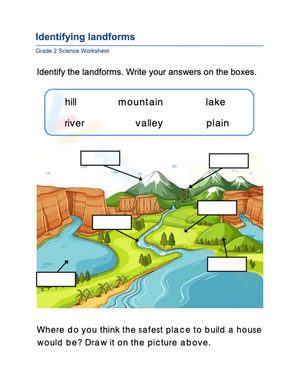
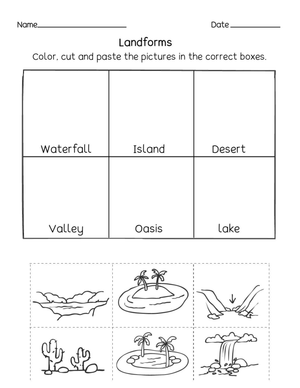
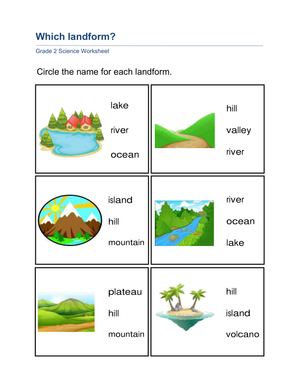
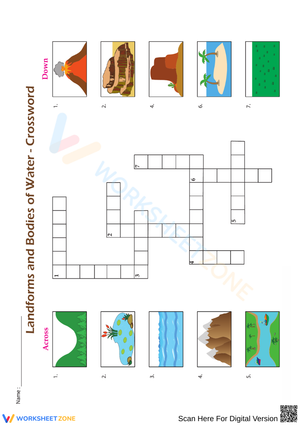
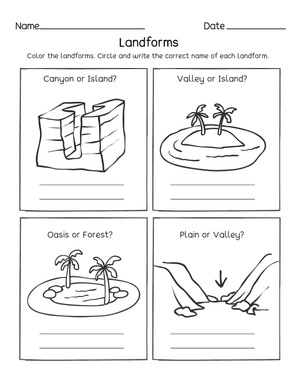
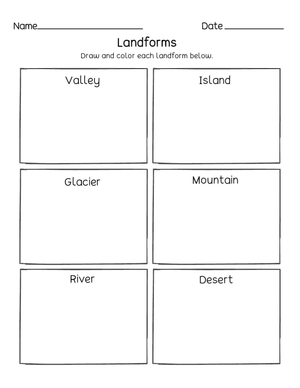
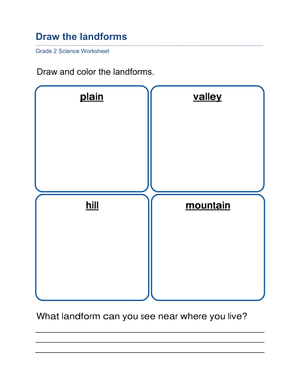
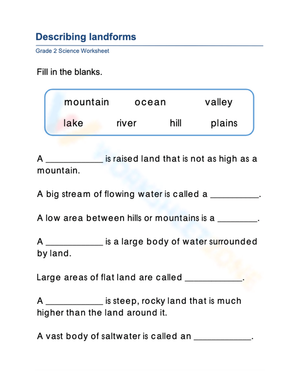
At this grade level, earth science should feel concrete. Students are still developing abstract thinking, so strong worksheets often focus on things they can see, touch, compare, or describe. Landforms are a great example. Mountains, valleys, plains, islands, rivers, lakes, and oceans help students understand how Earth’s surface can look different from place to place. Teachers can use landforms worksheets to help students identify, label, and compare these features while building early geography and science vocabulary.
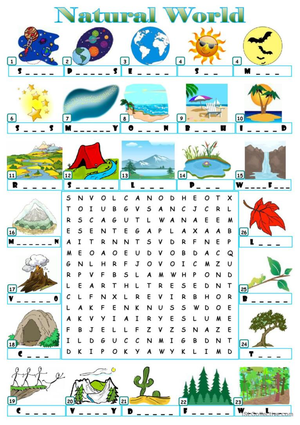
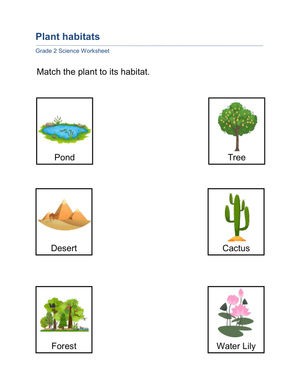
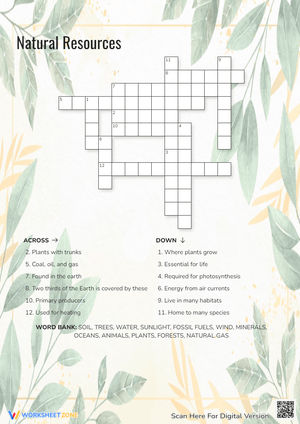
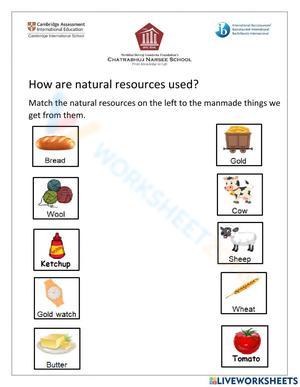
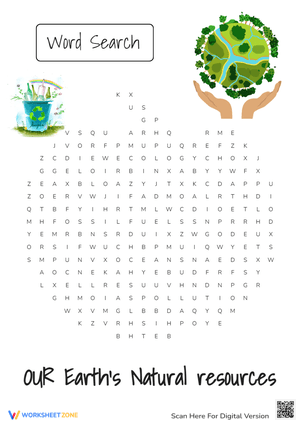
Natural resources are another important topic for young learners. Water, soil, trees, rocks, sunlight, and air are all part of students’ daily lives, but they may not yet understand why these resources matter. With natural resources worksheets, students can learn how people, animals, and plants depend on Earth’s materials. Simple activities such as sorting renewable and nonrenewable resources, identifying uses of water, or matching resources to everyday objects can make the concept easier to grasp.
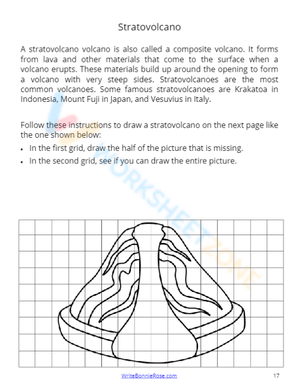
A good 2nd grade earth science worksheet does more than ask students to memorize words. It encourages them to observe, compare, classify, and explain. For example, students might look at pictures of different landforms and decide how they are alike or different. They might read a short passage about soil and answer questions about why plants need it. They might also draw a natural resource they use every day and write one sentence explaining why it is important. These small tasks help young learners practice both science thinking and early writing skills.
Whether used in a classroom, homeschool lesson, science center, or review activity, 2nd grade earth science worksheets give students a friendly path into big ideas about the planet. The best activities connect science vocabulary with real examples children already recognize. When students can point to a hill, name a river, describe soil, or explain why water matters, earth science becomes more than a school subject. It becomes a way to understand the world around them.
Frequently Asked Questions
Question 1: What topics are usually included in 2nd grade earth science worksheets?
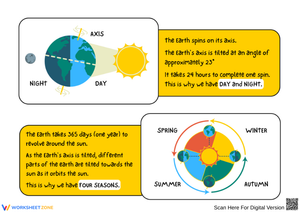
2nd grade earth science worksheets often cover landforms, bodies of water, rocks, soil, weather, natural resources, seasons, and basic Earth materials. Students may learn to identify mountains, valleys, rivers, lakes, and oceans, or explore how people use water, trees, rocks, and soil. The best worksheets keep the concepts simple, visual, and connected to real-life examples that young learners can easily understand.
Question 2: How do earth science worksheets help second graders learn?
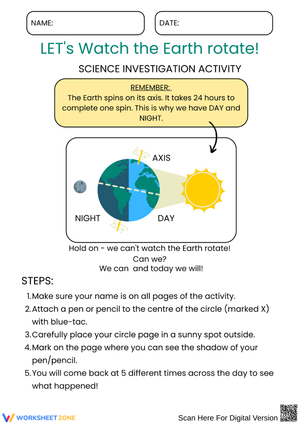
Earth science worksheets help second graders by breaking large science ideas into smaller, clearer activities. Instead of only listening to a lesson, students can label pictures, sort objects, match vocabulary, answer simple questions, and draw examples. This hands-on structure supports reading comprehension, science vocabulary, observation skills, and early critical thinking. Worksheets are especially helpful when paired with outdoor observation or classroom discussion.
Question 3: How can teachers make 2nd grade earth science lessons more engaging?
Teachers can make earth science more engaging by connecting worksheets to things students can observe directly. A landforms lesson can include pictures, map activities, or a quick discussion about places students have visited. A natural resources lesson can begin with classroom objects made from wood, paper, metal, or plastic. After students explore real examples, worksheets help them organize what they learned and practice using science words correctly.
Question 4: What makes a good 2nd grade earth science worksheet?
A good 2nd grade earth science worksheet should be clear, visual, and not too text-heavy. It should include age-appropriate vocabulary, simple instructions, and activities that ask students to identify, match, sort, draw, or explain. Strong worksheets help students connect science terms to real-world examples, such as matching a river to a picture or explaining why water is a natural resource. The goal is to build understanding without overwhelming young learners.












 Interactive Worksheet Maker
 Quiz Maker
 Word Search Maker
 Crossword Puzzle Maker
 Word Scramble Generator
 Sentence Scramble Generator
 Handwriting Worksheet Generator
 Name Tracing Generator
 Fill In The Blank Generator