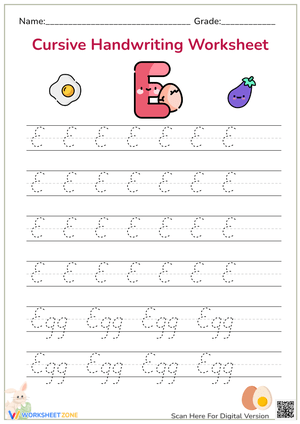
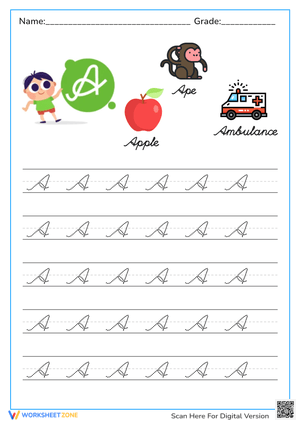
By the time students reach 2nd grade, most have enough fine motor control and pencil familiarity to begin formal cursive work. That timing lines up with how several states sequence handwriting: Iowa, for example, introduces cursive in 2nd grade and expects mastery in 3rd. For teachers, the goal at this stage isn't fluent script. It's clean, confident letter formation, and capital letters are a smart place to build that confidence because each one stands on its own.
Before you hand out a single worksheet, check three readiness markers: a functional pencil grip, the ability to trace a shape without lifting the pencil constantly, and correct paper tilt. Right-handers tilt the paper slightly left; left-handers tilt it right. These small setup details prevent the cramped, effortful writing that makes cursive feel harder than it needs to be for 7- and 8-year-olds.
A Grade-Appropriate Sequence for the First Weeks
Start with capitals whose shapes echo letters students already print, since visual familiarity lowers the barrier. Move next into the loop family, then the undercurve group, and save the more complex two-part capitals for last. Keep each session short. Introduce two or three related capitals, model each stroke on the board, and let students air-write the motion before pencil ever touches paper.
- Model the stroke slowly while narrating the motion aloud.
- Have students air-write the letter two or three times.
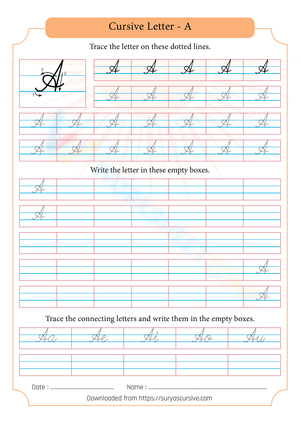
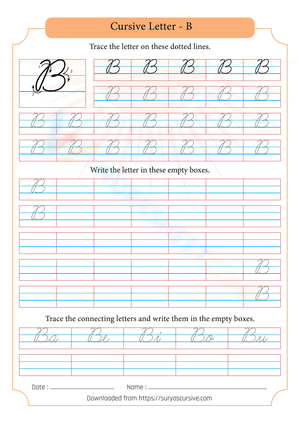
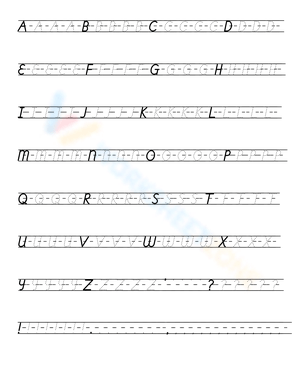
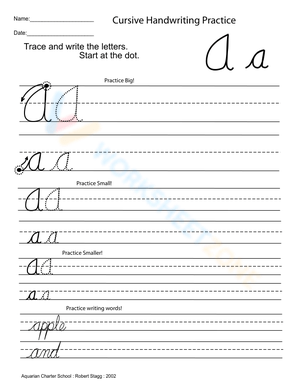
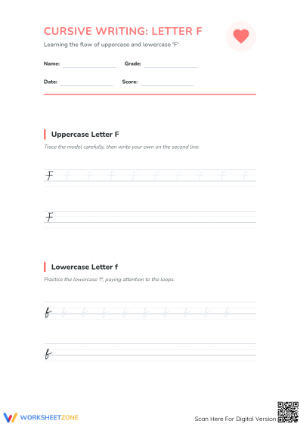
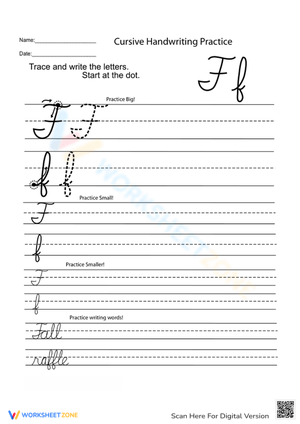
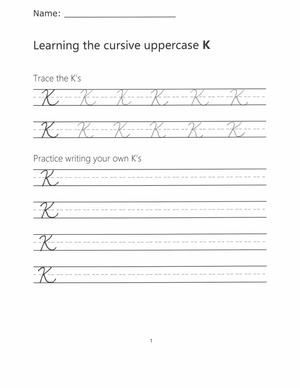
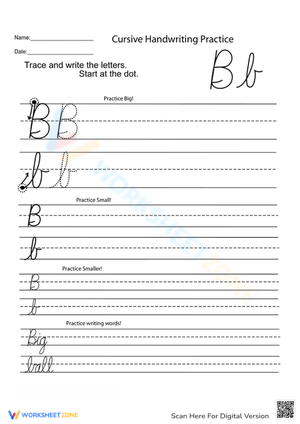
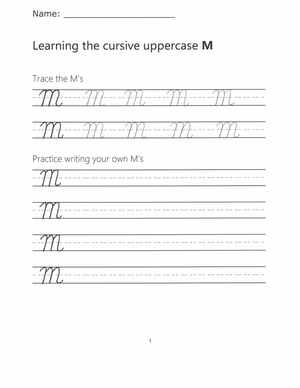
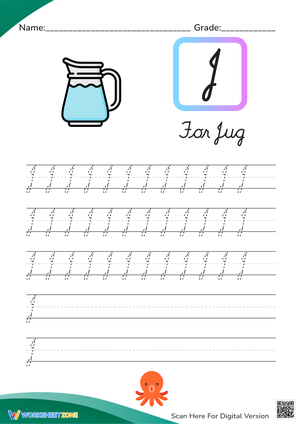
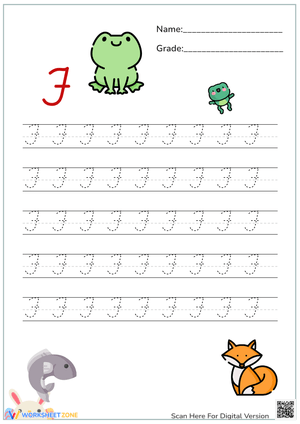
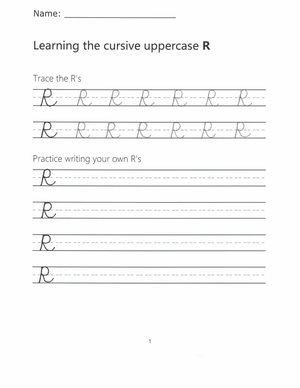
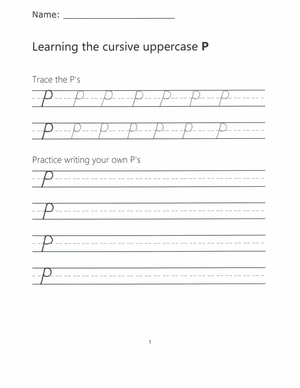
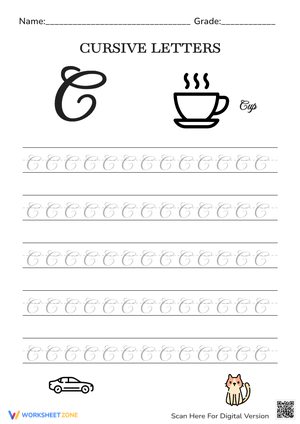
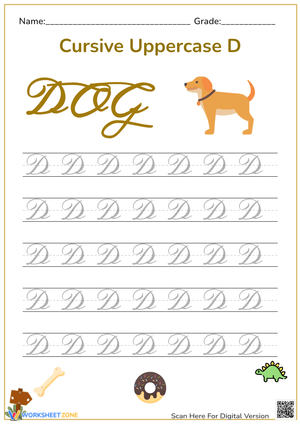
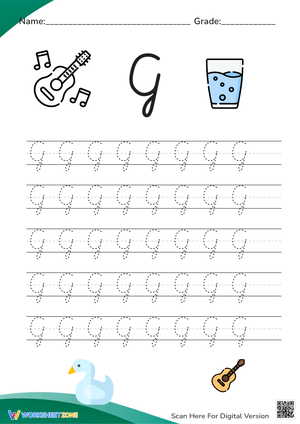
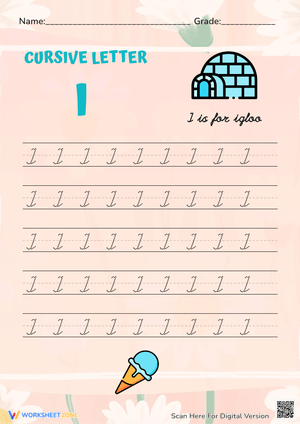
- Trace the guided examples on the worksheet.
- Write the letter independently three to five times.
- Circle their single best attempt for quick self-assessment.
Resist the urge to introduce all 26 capitals in the first month. A slower pace with more repetition per letter produces cleaner formation than a fast survey of the whole alphabet. Many teachers spread capital introduction across several weeks, revisiting each stroke family until it's automatic before adding the next one.
Classroom Implementation
Cursive capitals fit naturally into a 10- to 15-minute daily block rather than one long weekly session. Short, frequent practice builds the motor memory that occasional long sessions can't. Many 2nd grade teachers fold capital practice into morning work or a transition slot, pairing it with a name-writing task so students immediately apply the capital they just learned to something personal and meaningful.
In small groups, use the stroke families to differentiate pace. A group that has mastered the loop capitals can move to undercurve letters while a group still refining grip stays on one family longer. Worksheets with a model letter, a few traceable repetitions, and blank guided lines let you assign different letters to different groups without prepping separate materials.
How State Mandates Are Reshaping 2nd Grade Handwriting
Cursive is no longer an optional relic in many districts. A wave of new legislation has put it back into required instruction, and that pressure often lands in the early elementary grades where letter formation is first taught.
According to Education Week's 2024 reporting, the number of states requiring cursive instruction has grown to 25, with California and New Hampshire adding mandates in 2023 and Kentucky's law taking effect in 2025. For 2nd grade teams, that trend is turning cursive capitals from a nice-to-have enrichment activity into a documented part of the year's handwriting scope.
Even where your state doesn't mandate cursive, aligning your 2nd grade routine with this sequence keeps students ready if they move districts or if requirements change mid-year.
Frequently Asked Questions
1. Is 2nd grade the right time to start cursive capital letters?
For most students, yes. By 2nd grade, fine motor control and print experience are usually developed enough to begin. Some states, like Iowa, formally introduce cursive in 2nd grade with mastery expected in 3rd, which matches this developmental window well.
2. What's the easiest way to sequence cursive capitals?
Group them by stroke family rather than alphabetically. Teach loop-based capitals like C, E, and G together, then move to undercurve and overturn letters. Reusing similar hand motions builds muscle memory faster than jumping A to Z in order.
3. How can I assess capital formation without formal grading?
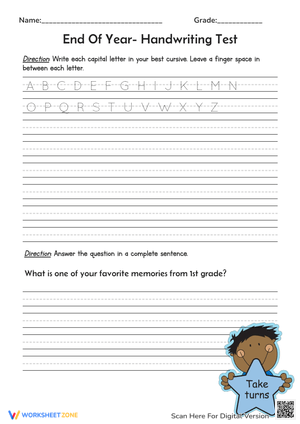
Watch the stroke starting point, direction, and baseline placement, and have students circle their best letter on each line. That self-check gives you a fast read on who has it and who needs a quick reteach, no rubric required.
4. Do state standards require cursive capitals in 2nd grade?
It varies. As of 2025, 25 states require cursive instruction, and some, like Iowa, place introduction in 2nd grade. Check your own state standards, since mandates and timing have shifted quickly in recent years.
5. How much daily practice do cursive capitals need?
Short and frequent beats long and occasional. A 10- to 15-minute daily block builds motor memory more effectively than one long weekly session, and it fits easily into morning work or a transition routine.