




























Views
Downloads
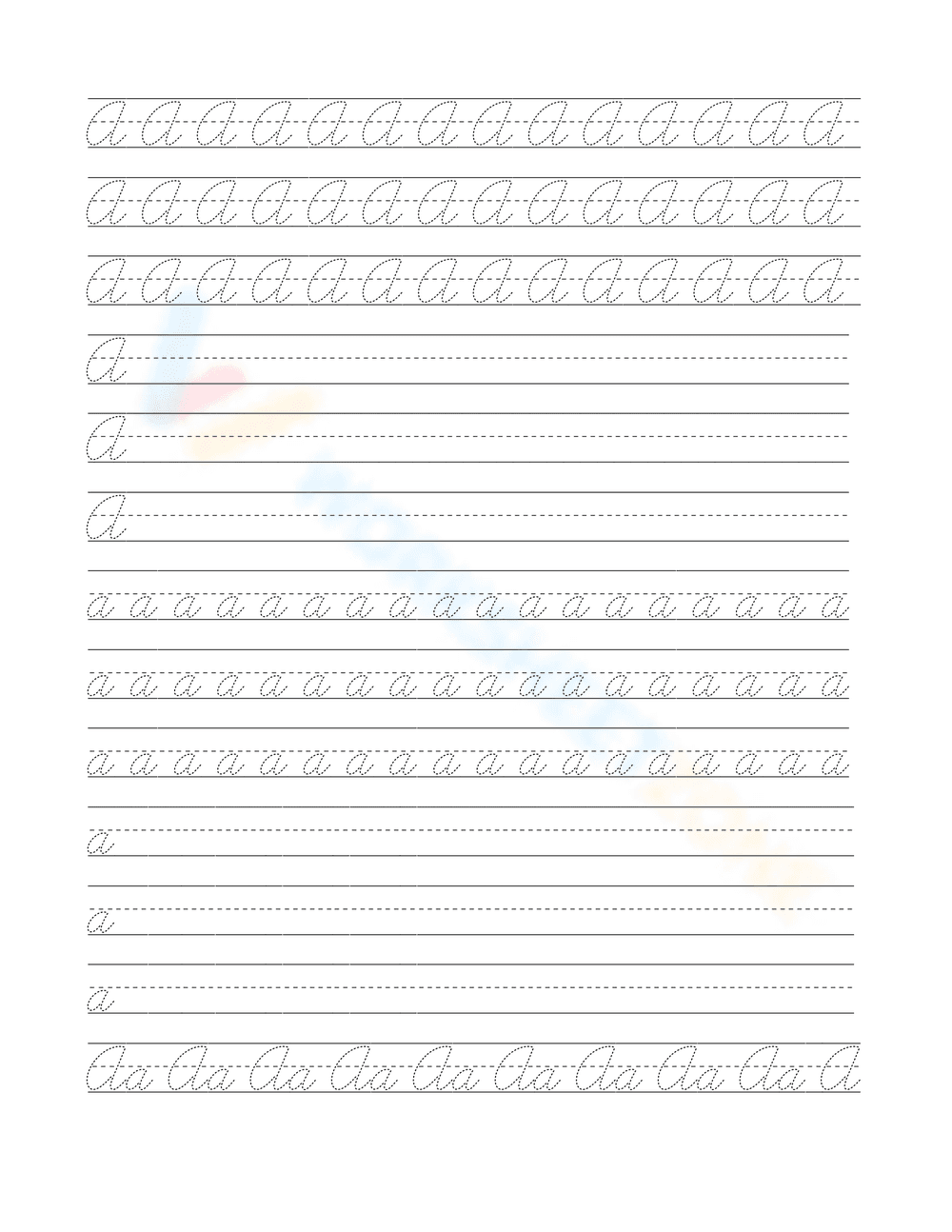
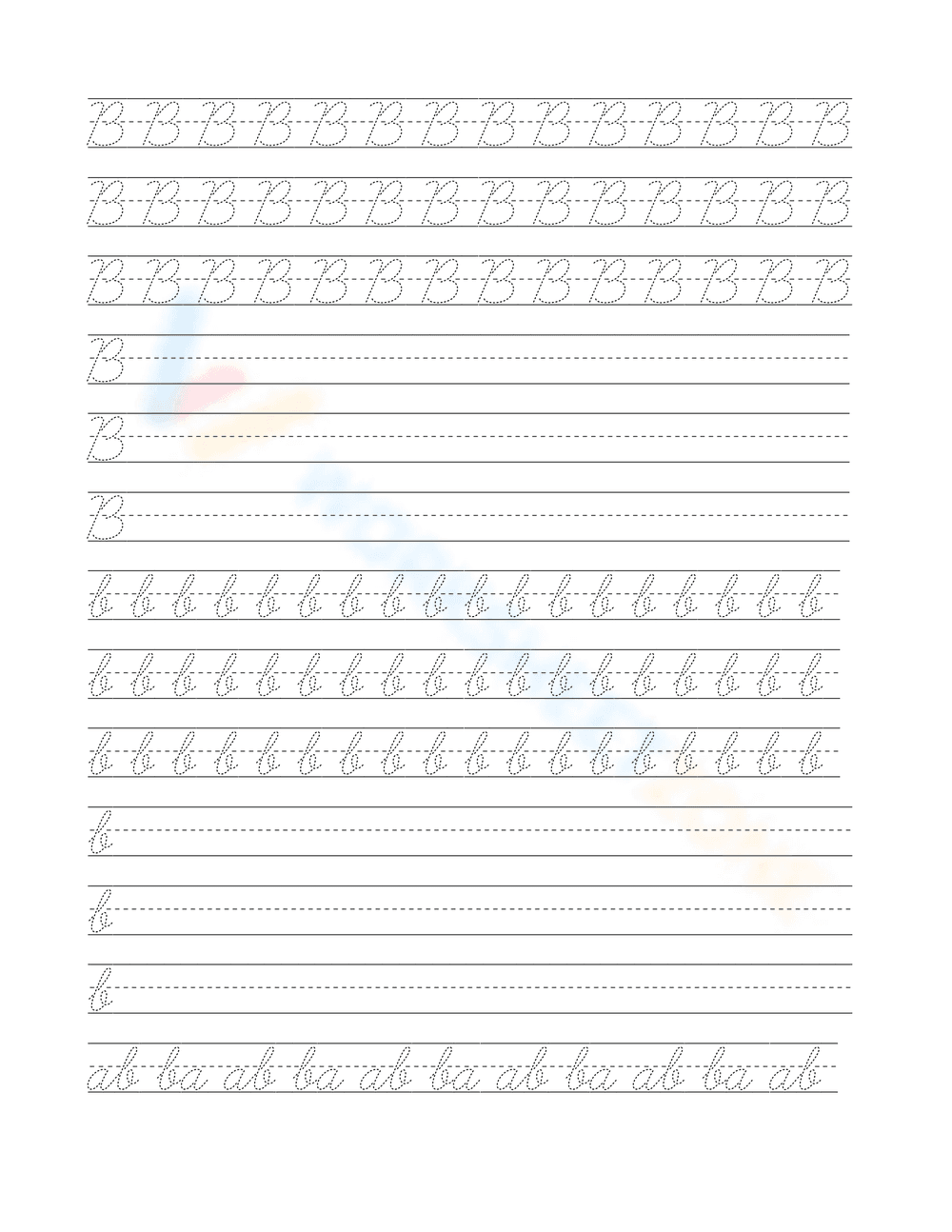
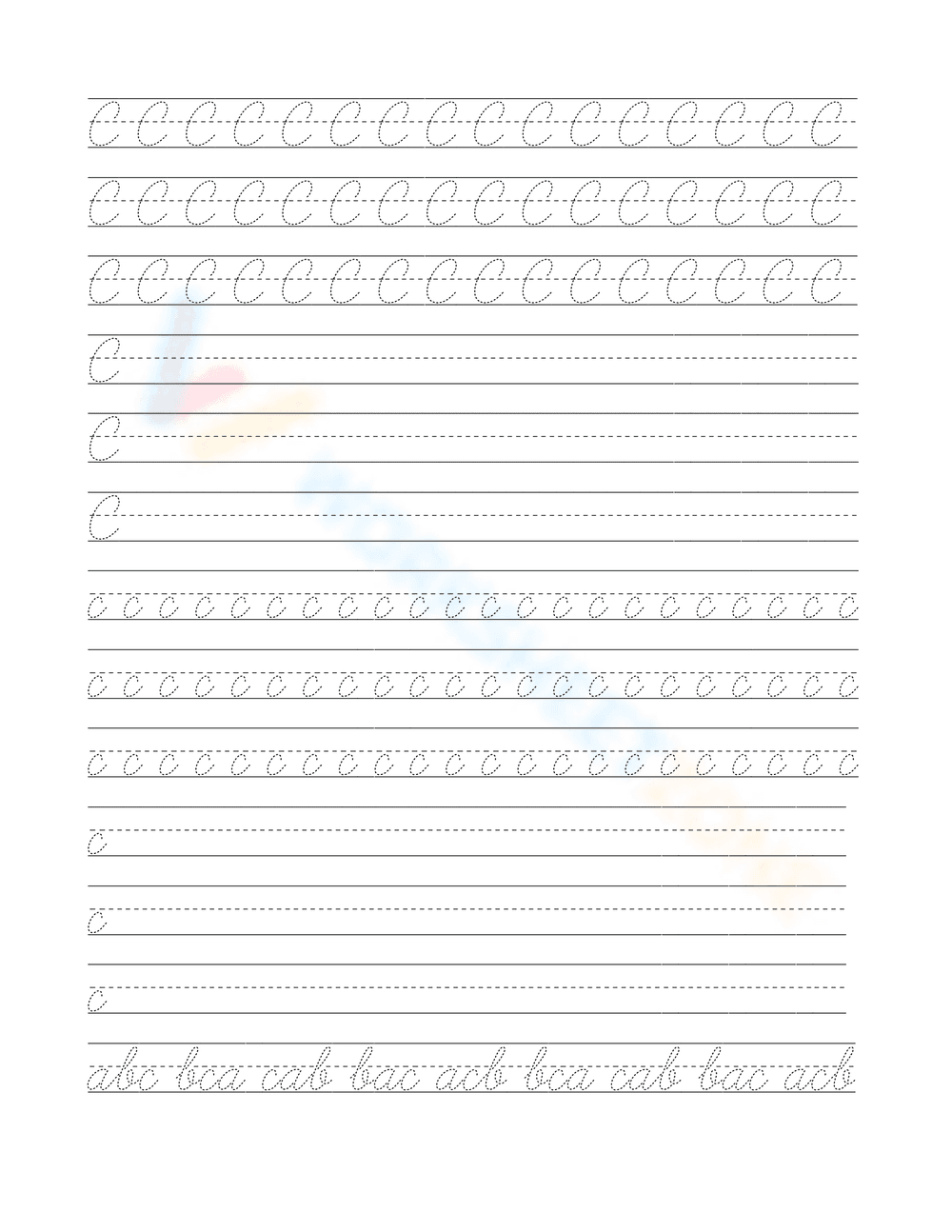
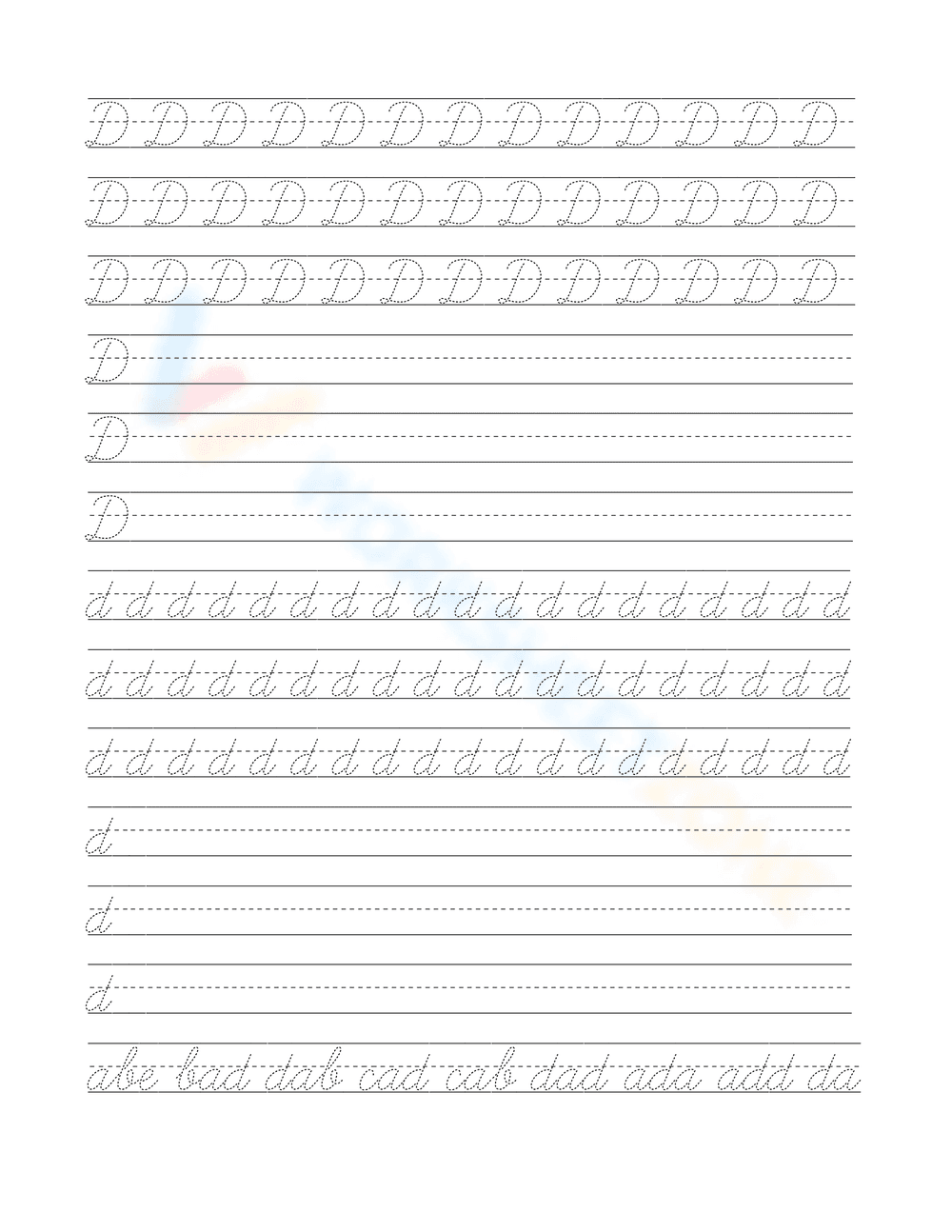
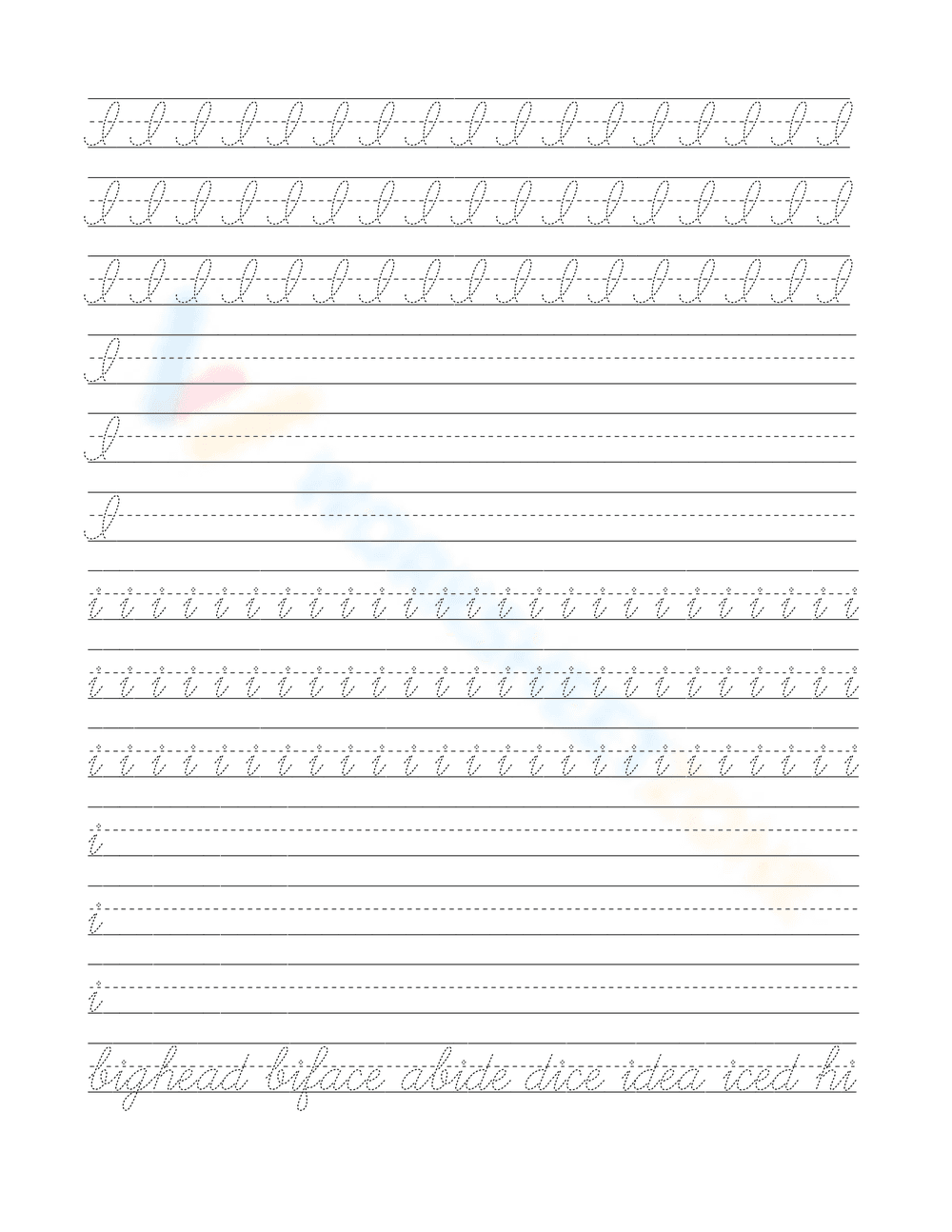
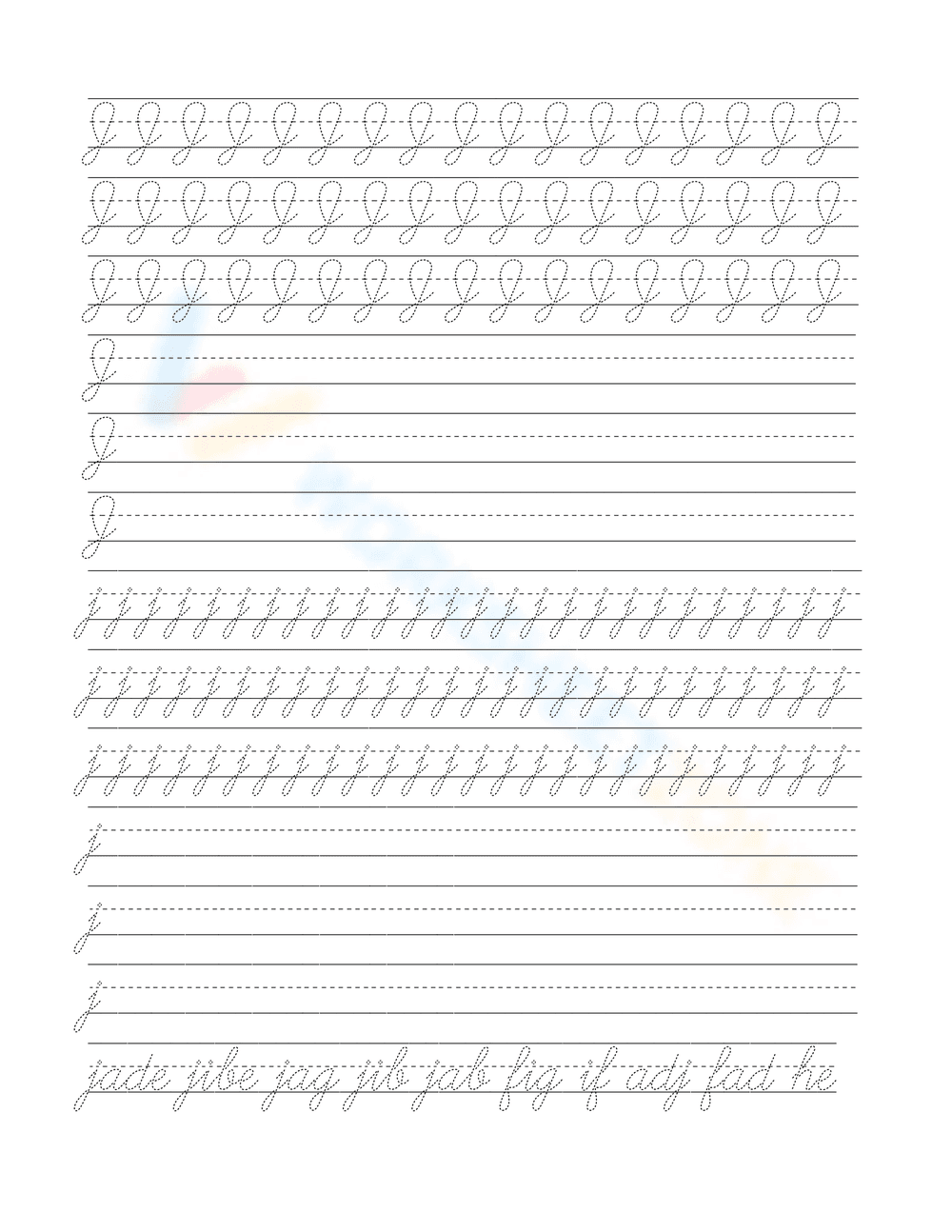
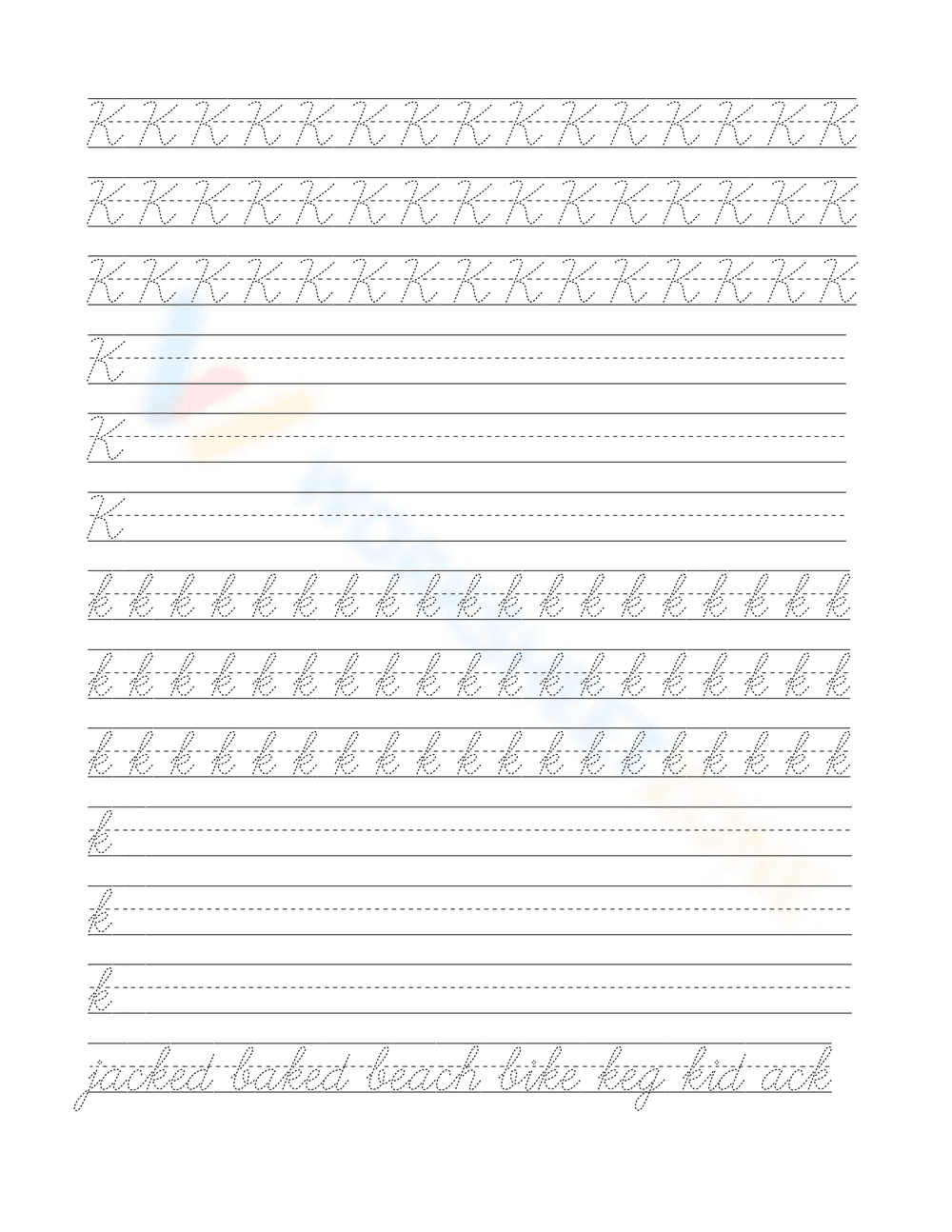
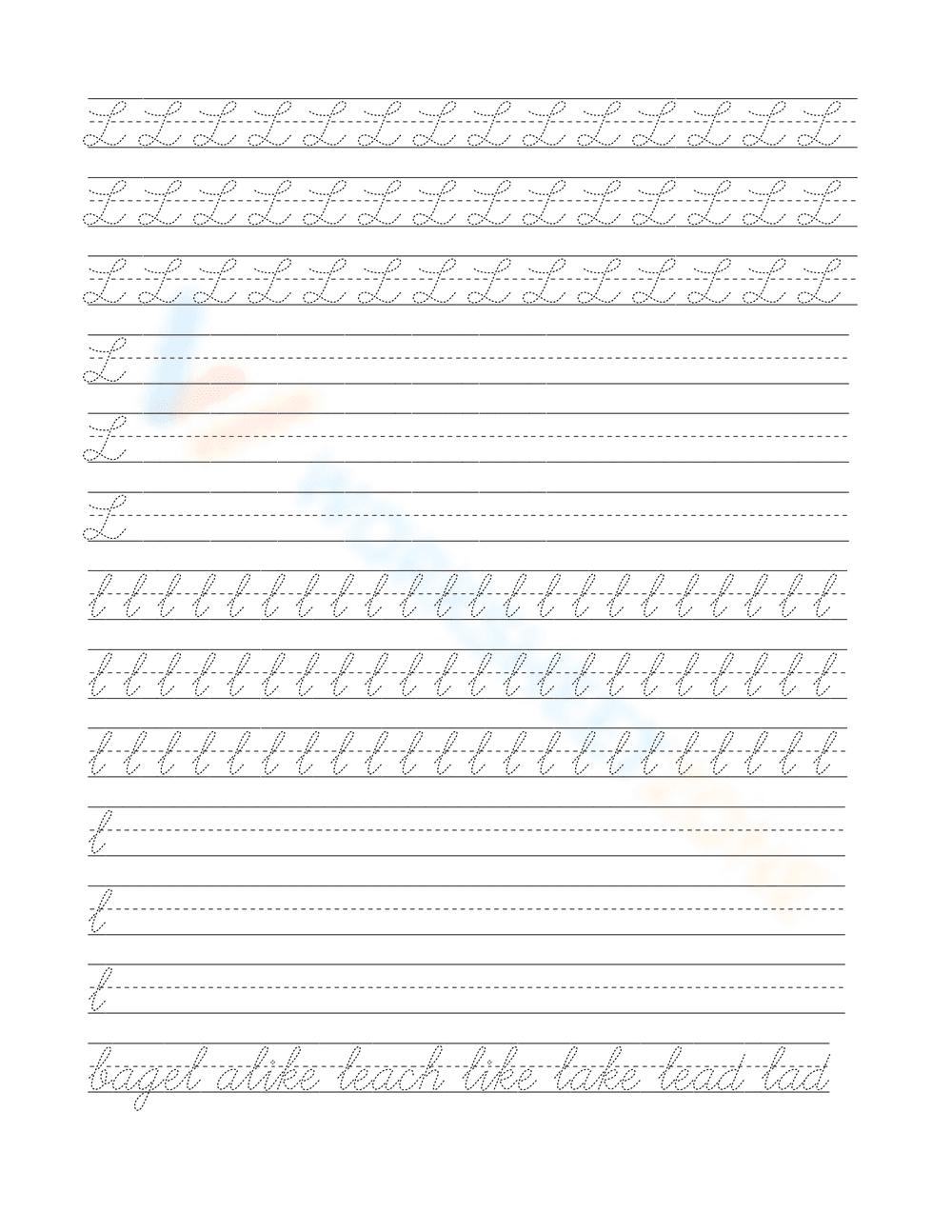

Grade 1-2 Cursive Handwriting — Printable No-Prep Guide

Paste this activity's link or code into your existing LMS (Google Classroom, Canvas, Teams, Schoology, Moodle, etc.).
Students can open and work on the activity right away, with no student login required.
You'll still be able to track student progress and results from your teacher account.
Mastering cursive handwriting is a vital milestone for young learners, bridging the gap between basic letter recognition and fluent written expression. This 26-page workbook provides a structured path for students in Grades 1 and 2 to develop consistent strokes. By focusing on uppercase and lowercase forms, students build the fine motor control necessary for academic success.
At a Glance
- Grade: 1-2 · Subject: Handwriting
- Standard:
CCSS.ELA-LITERACY.L.2.1— Demonstrate command of English conventions when writing or forming letters- Skill Focus: Cursive letter formation and connectivity
- Format: 26 pages · 260+ practice lines · No answer key required · PDF
- Best For: Daily morning work or literacy centers
- Time: 10–15 minutes per page
What's Inside
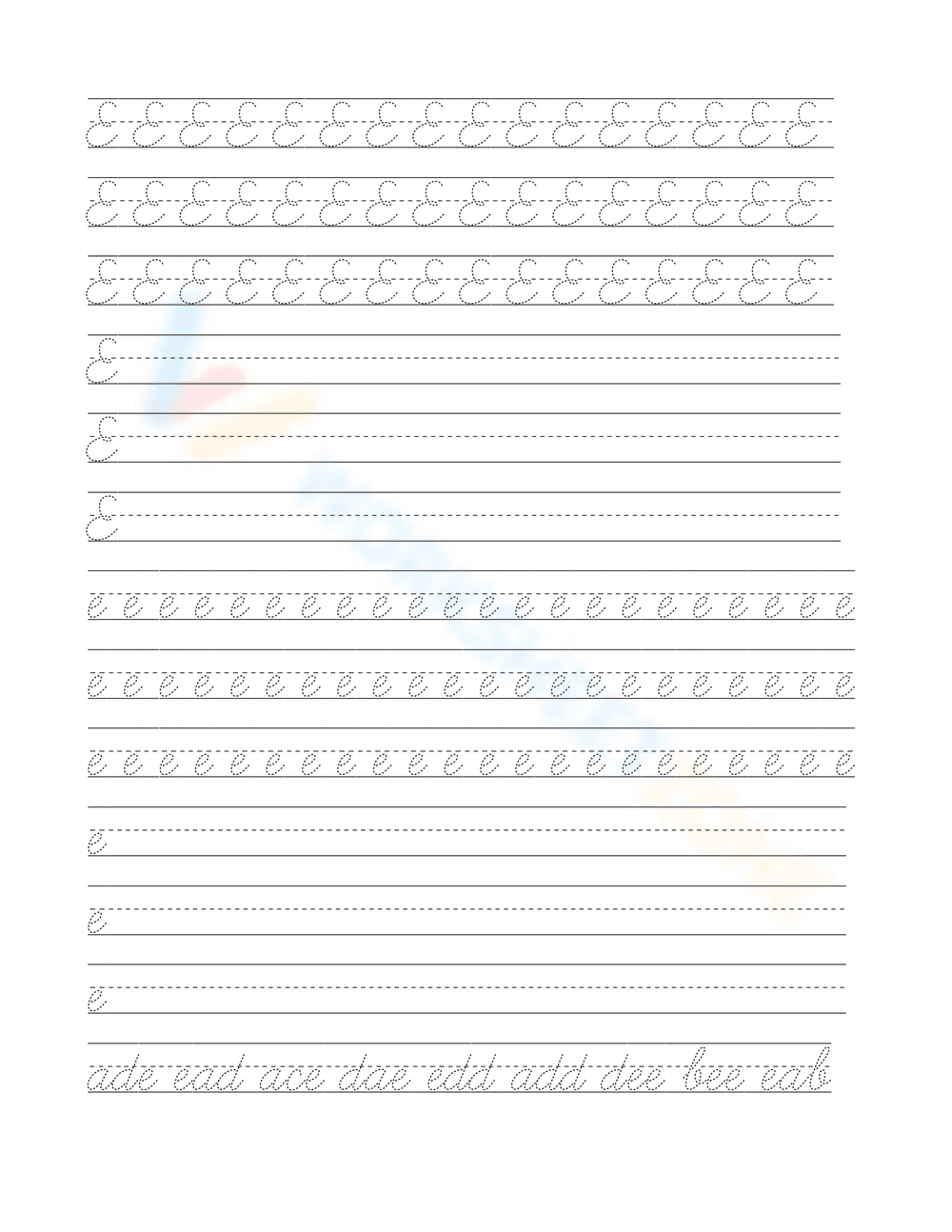
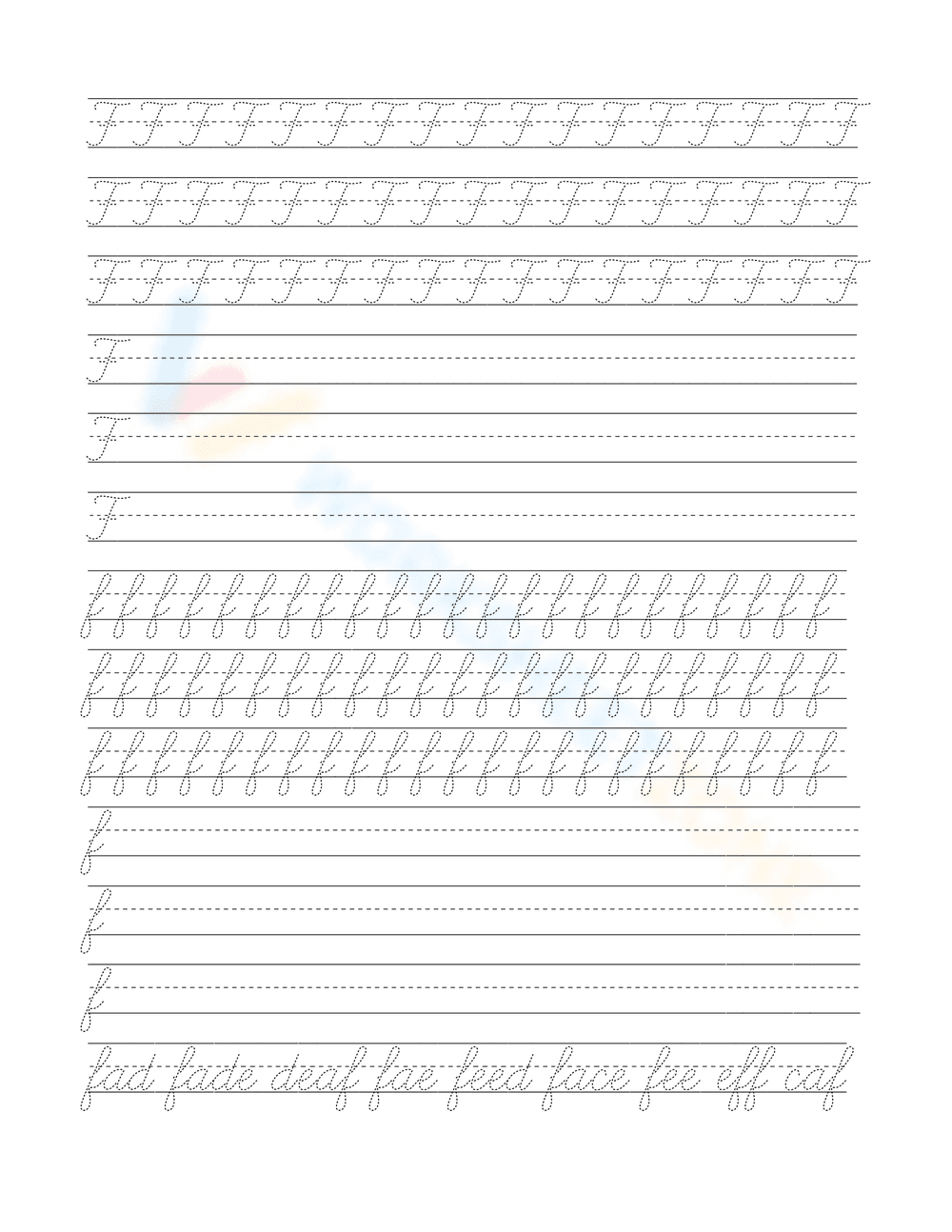
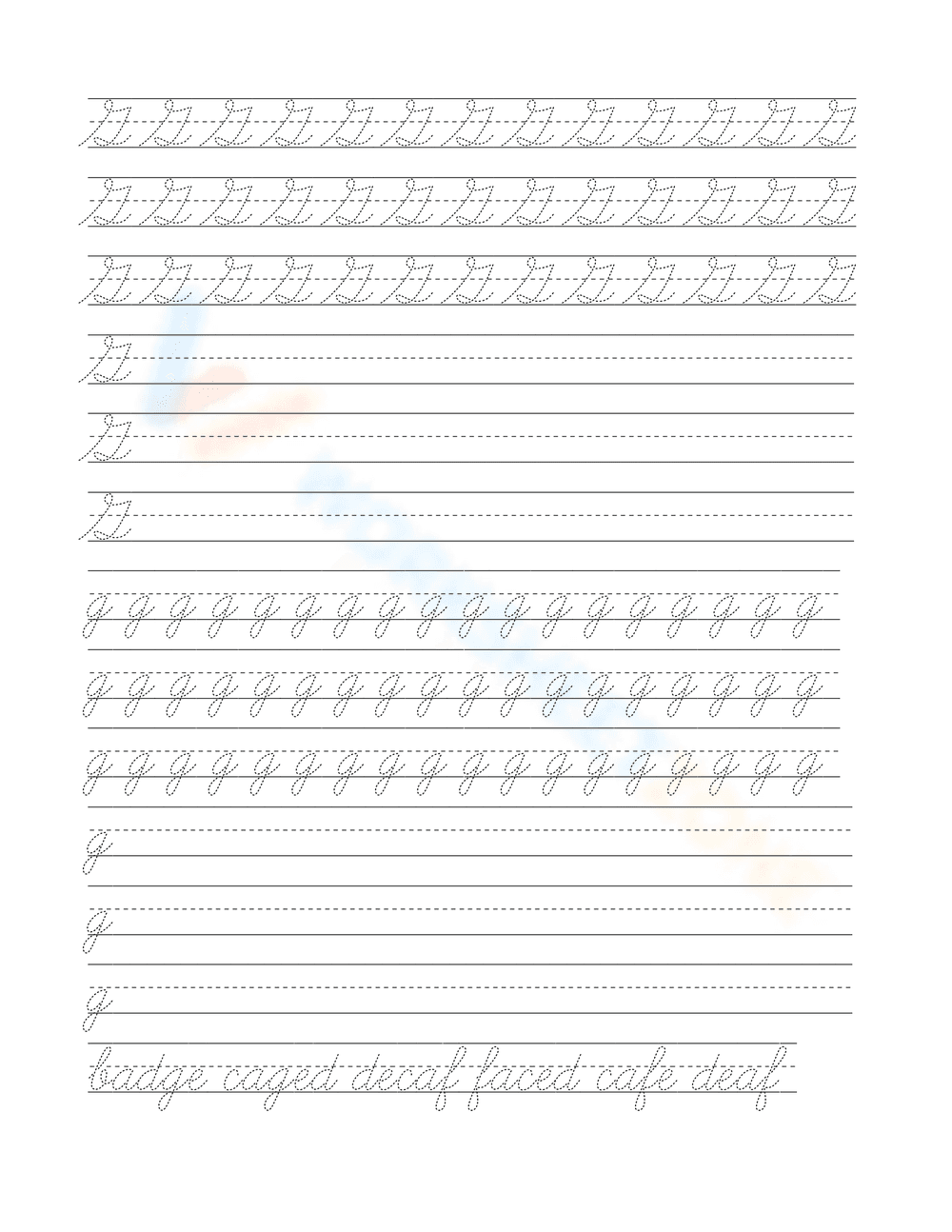
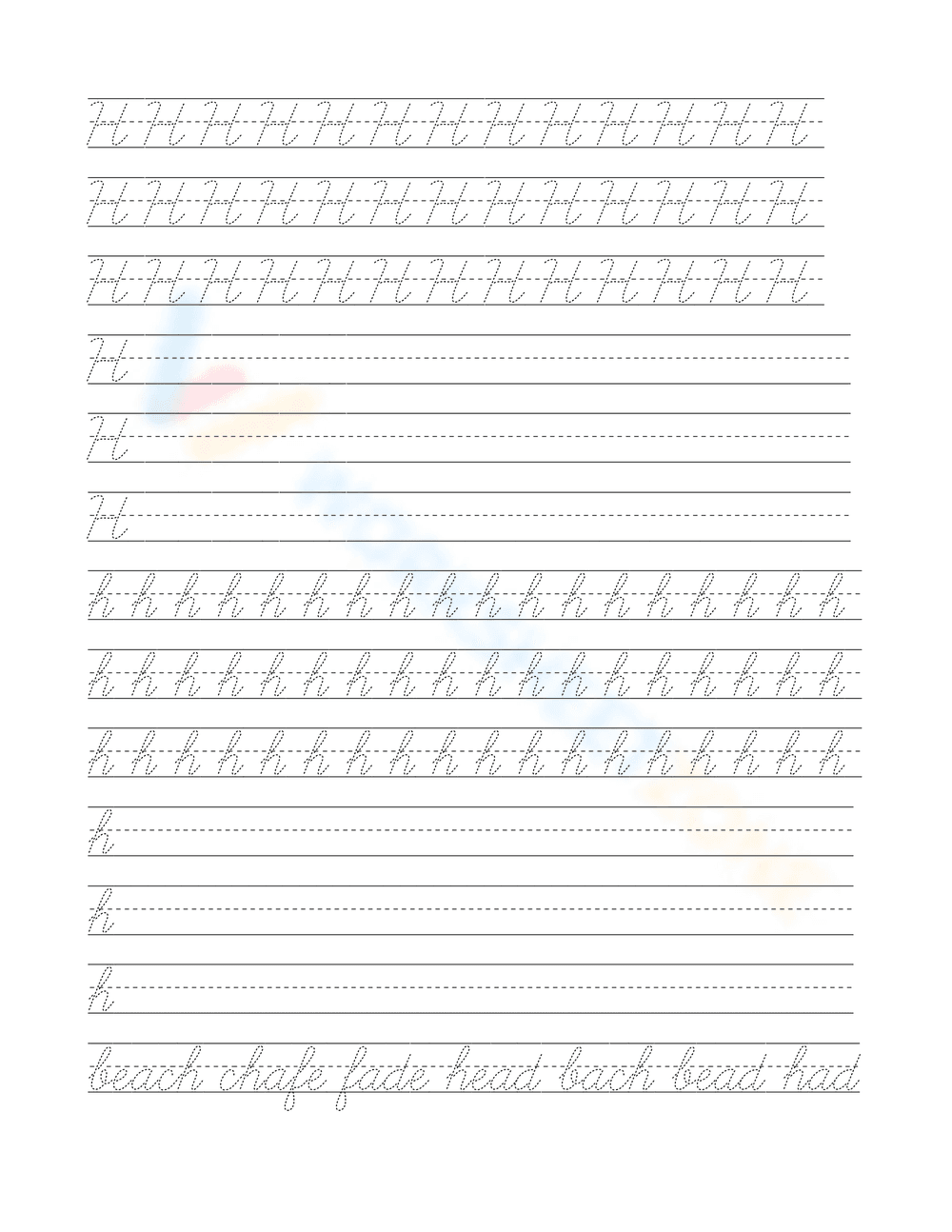
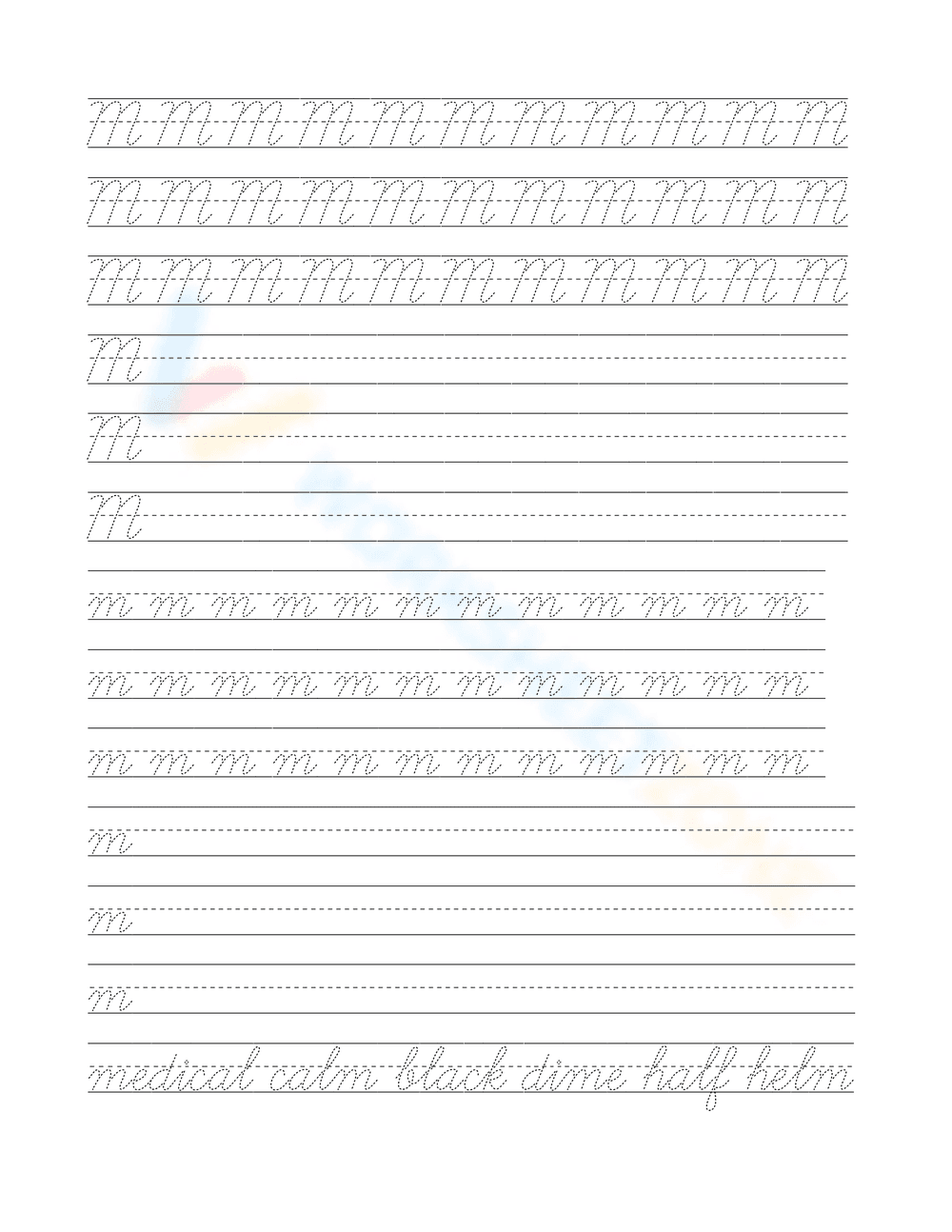
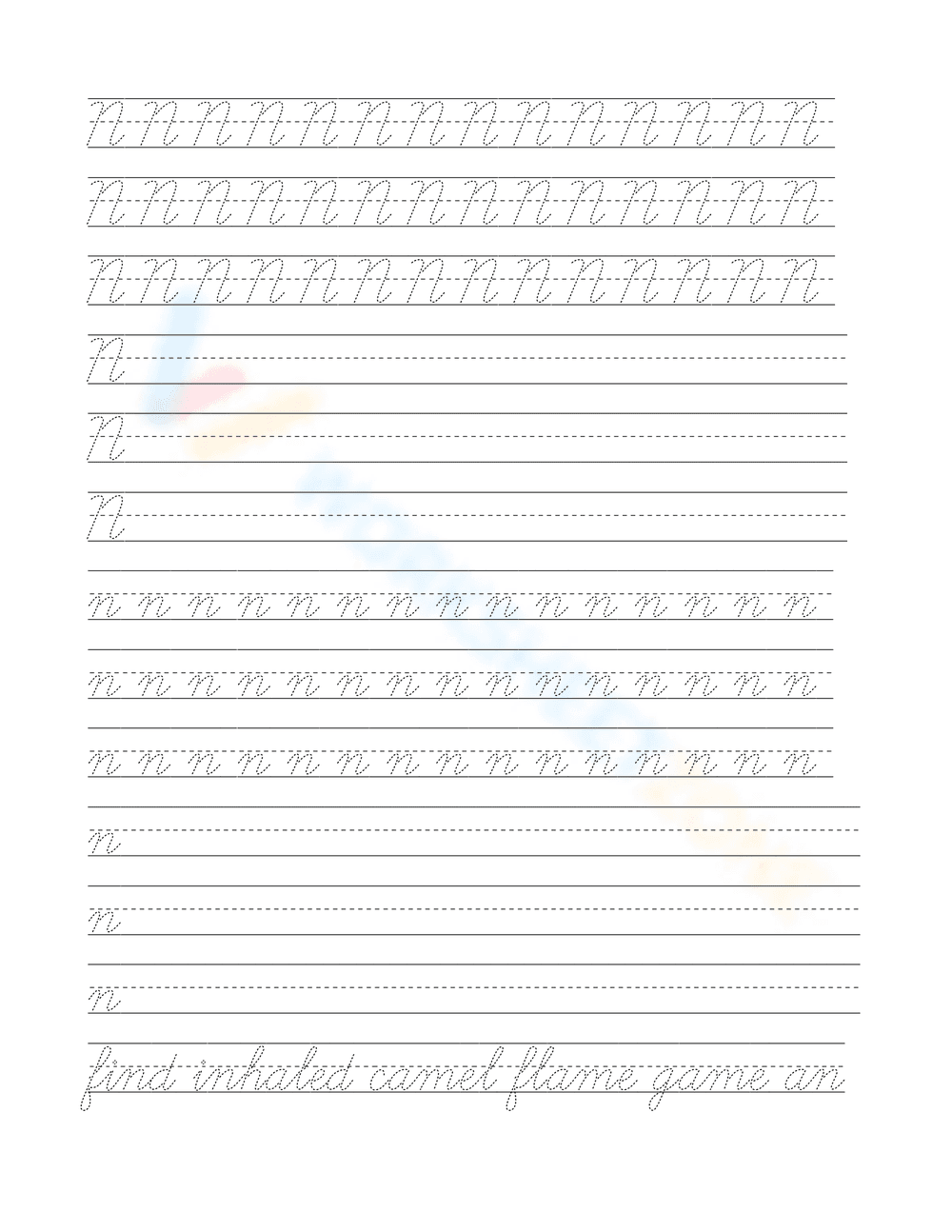
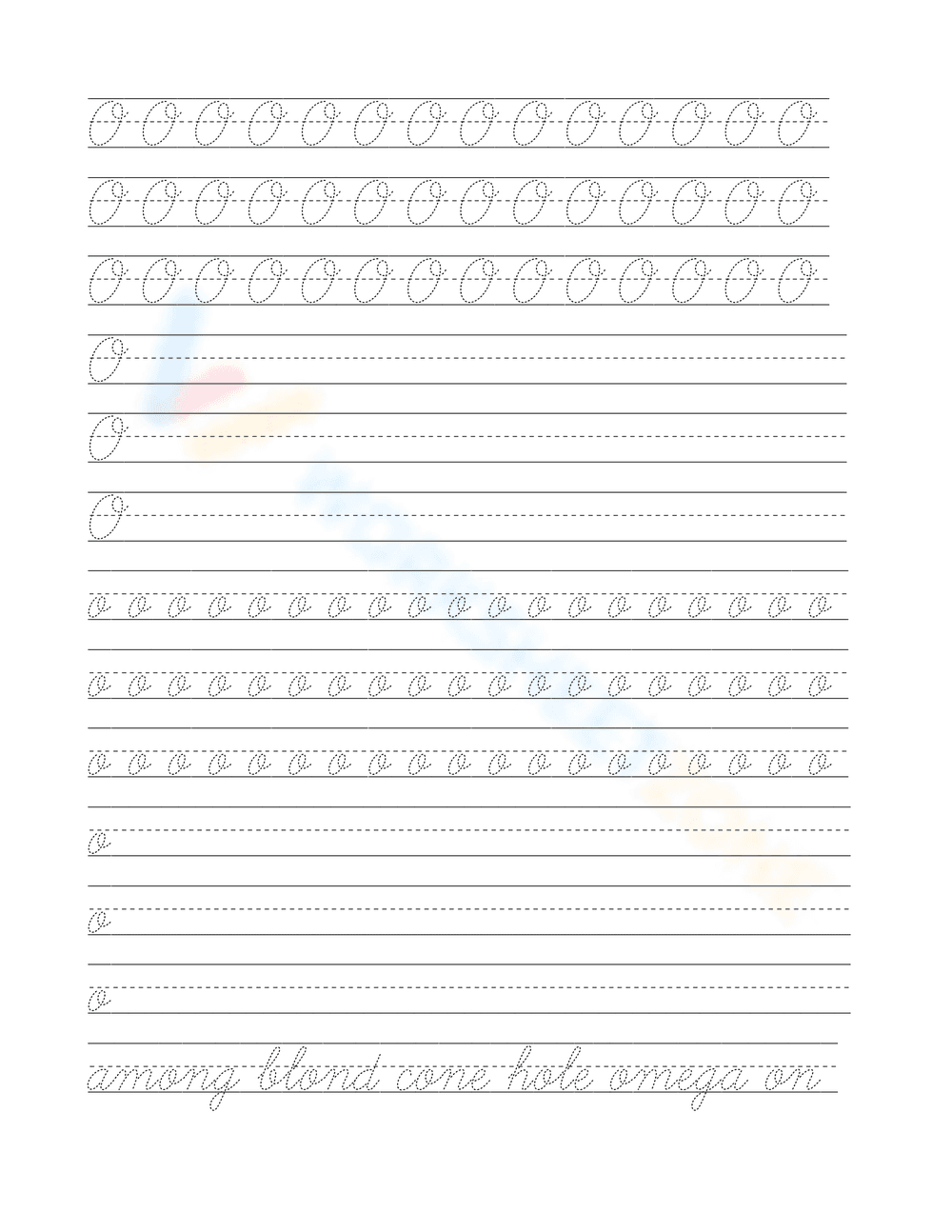
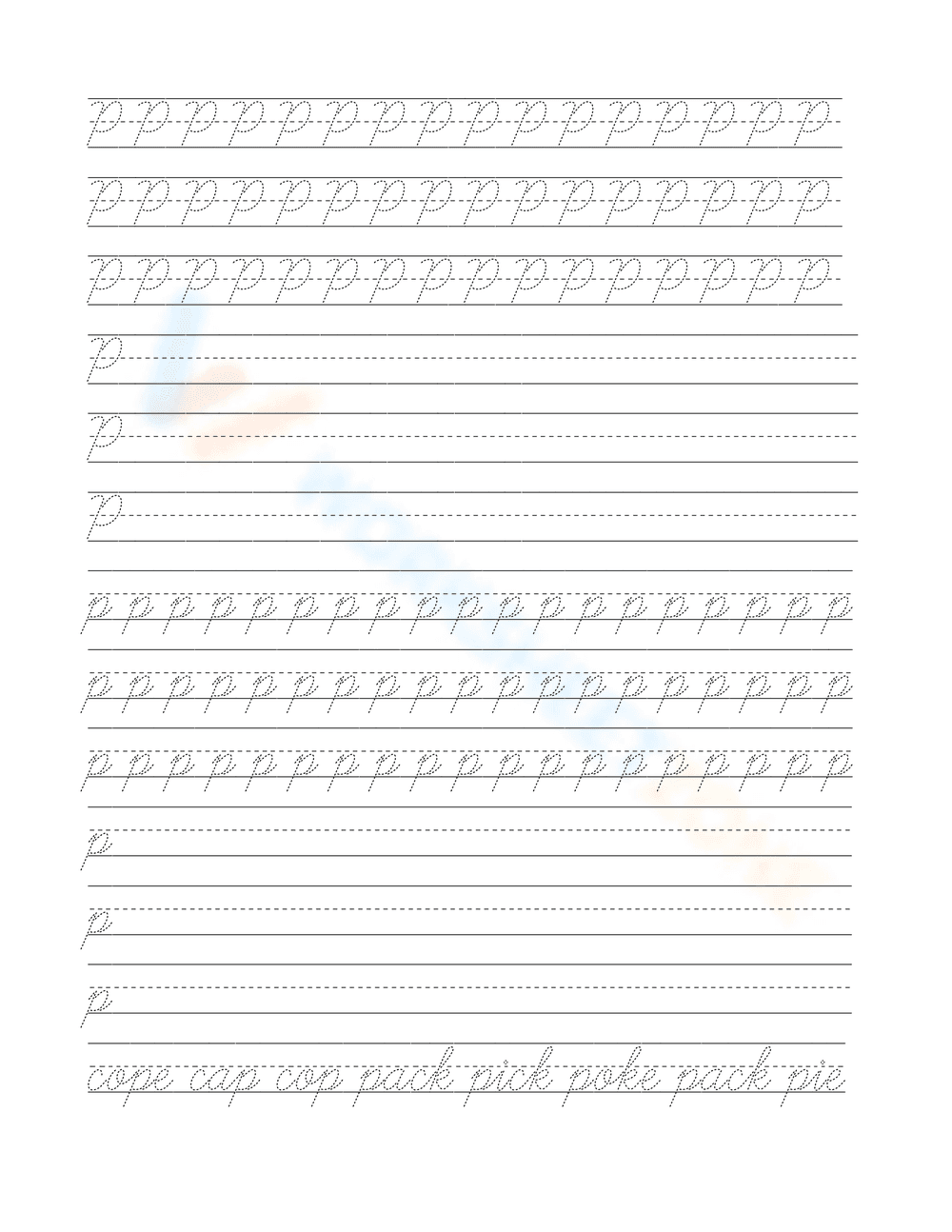
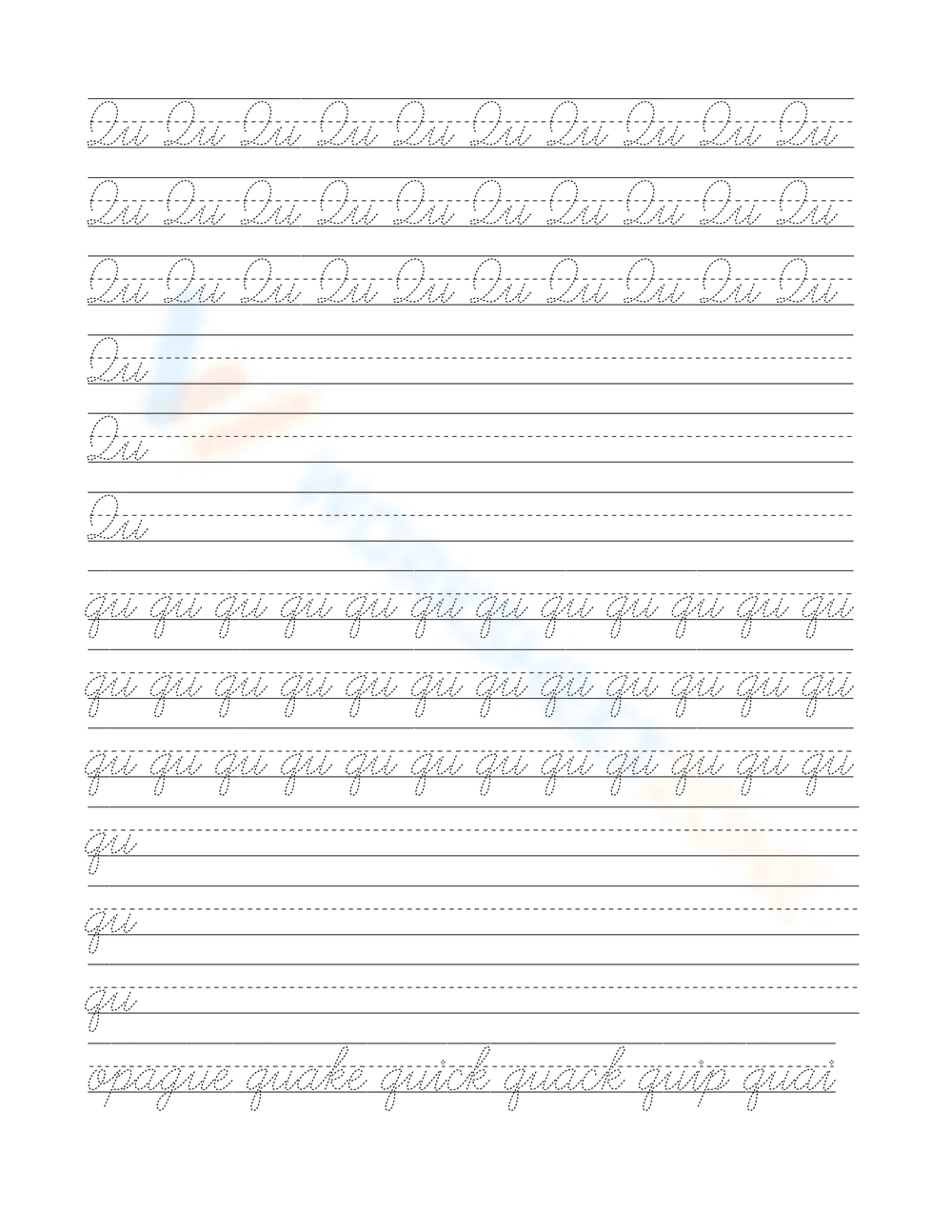
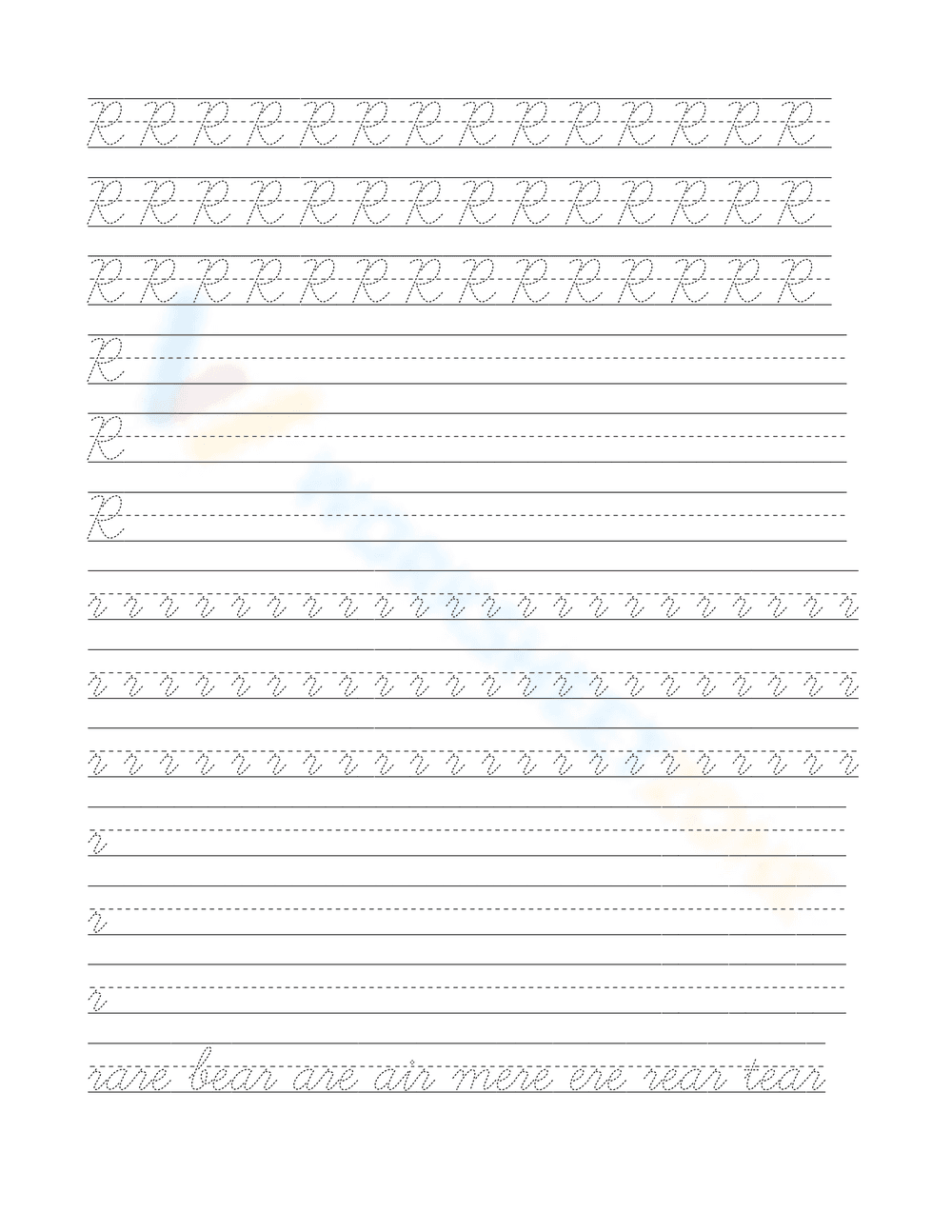
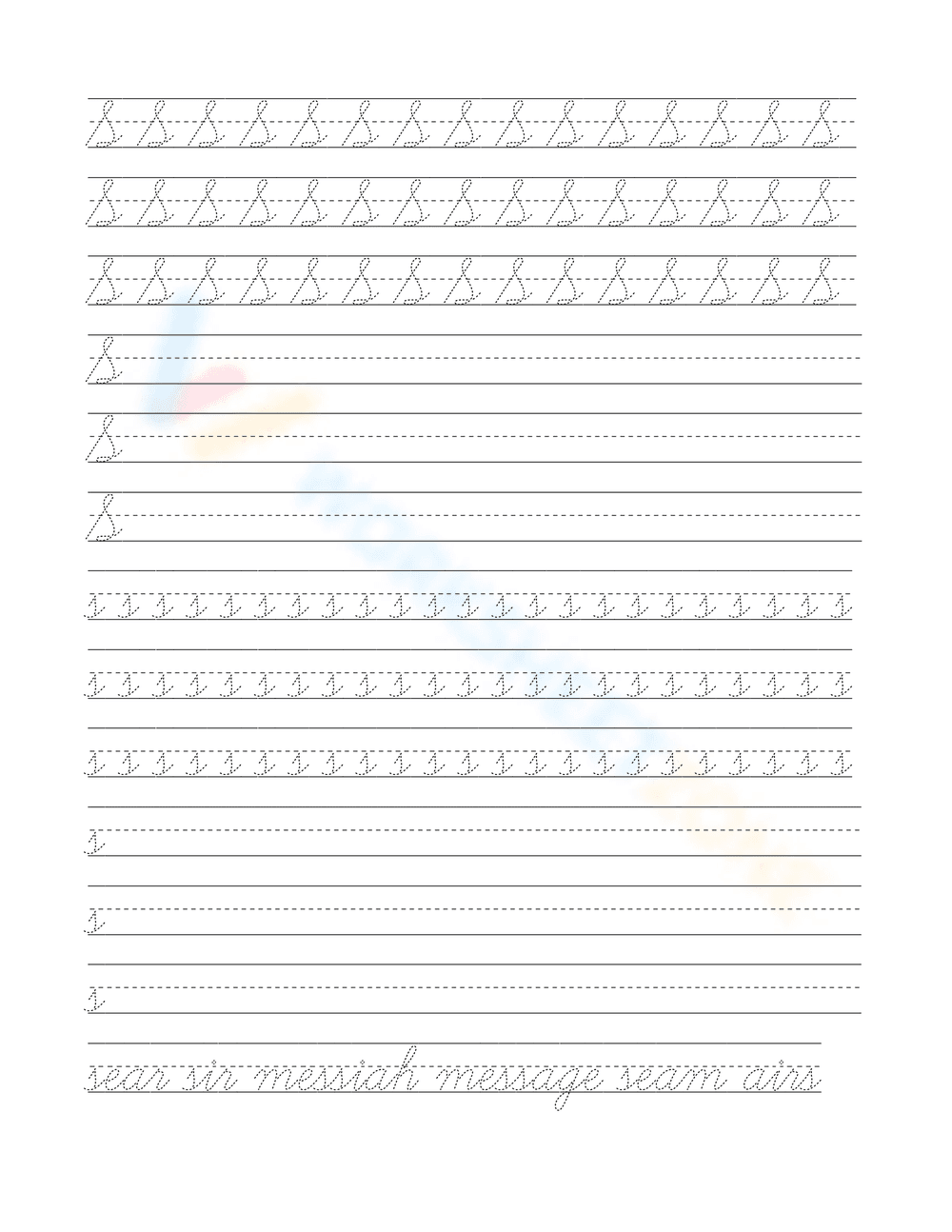
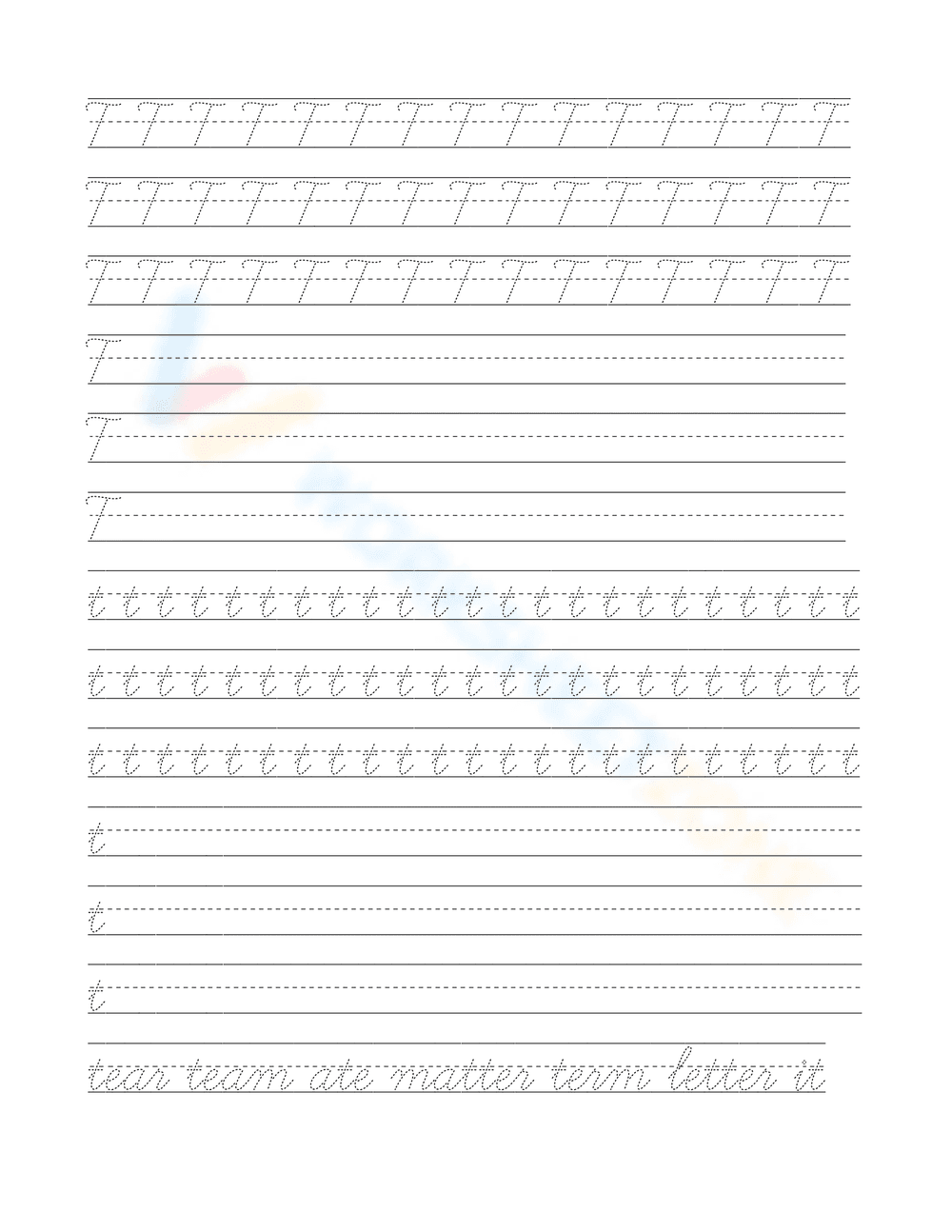
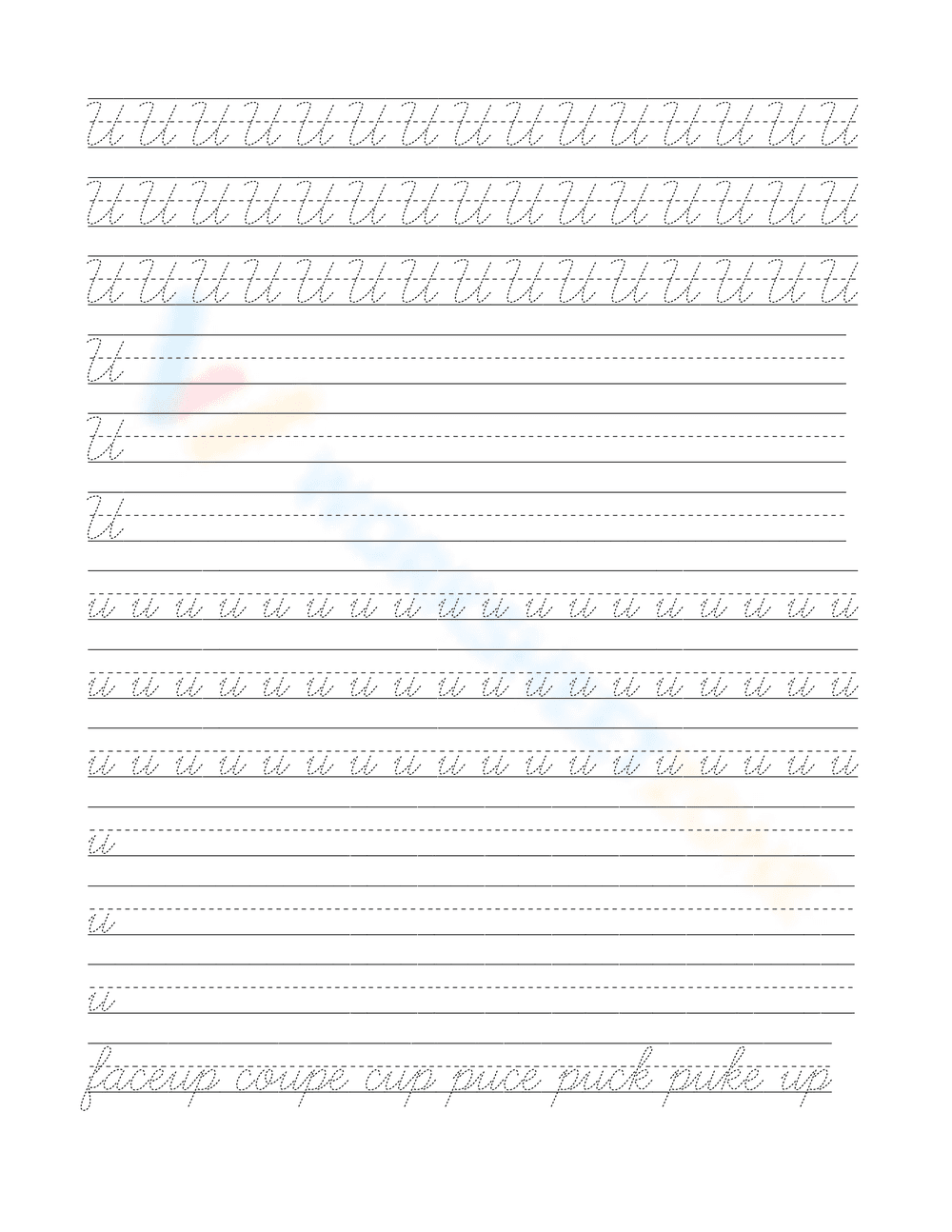
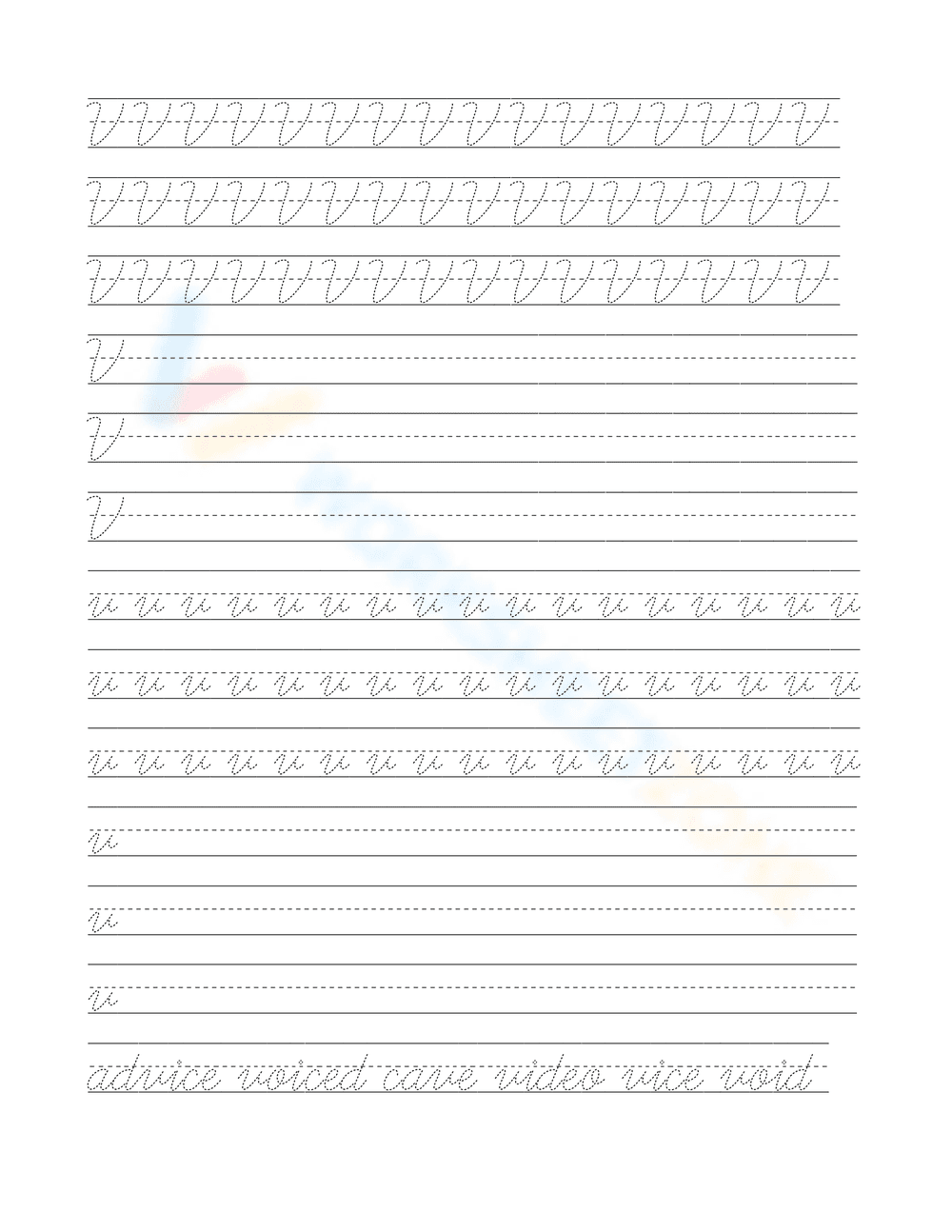
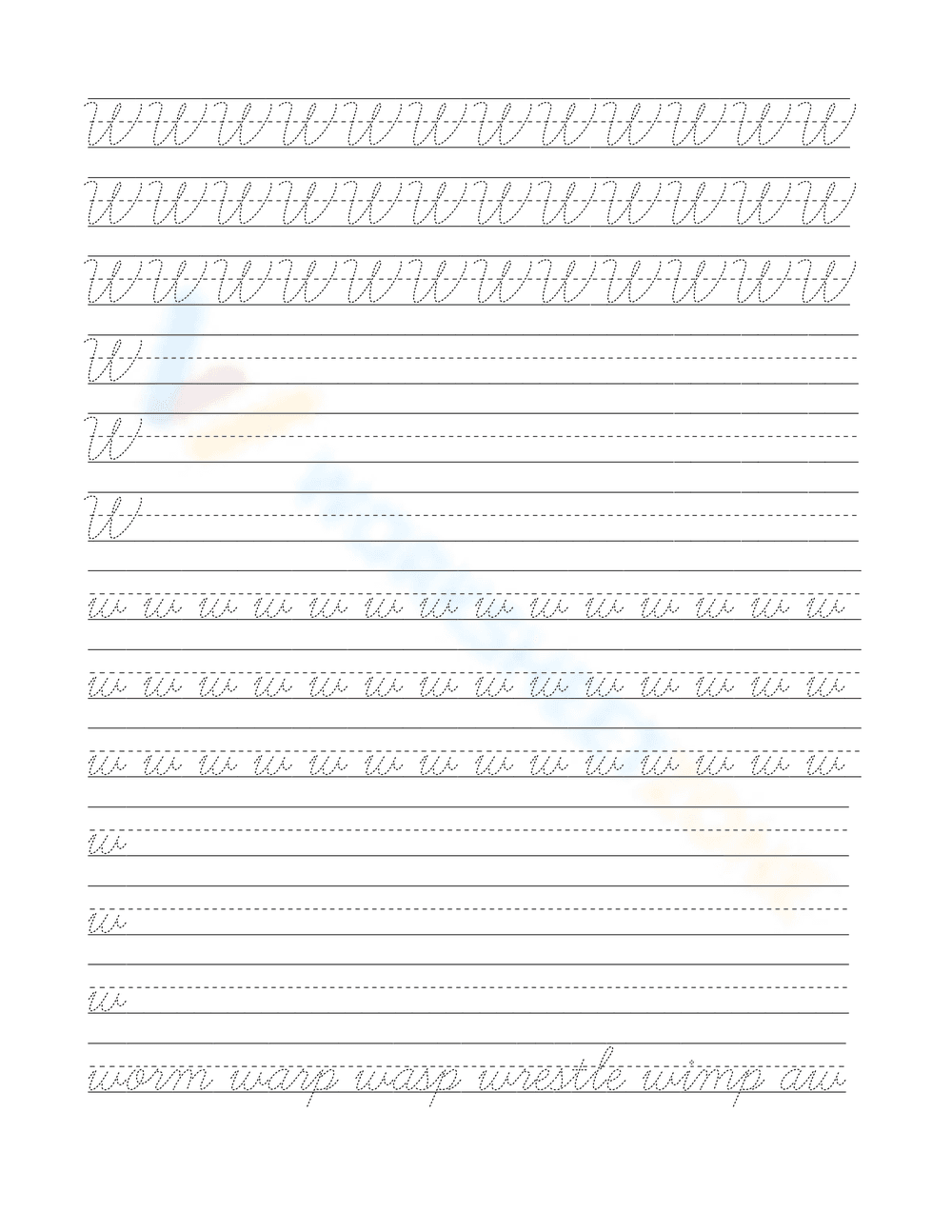
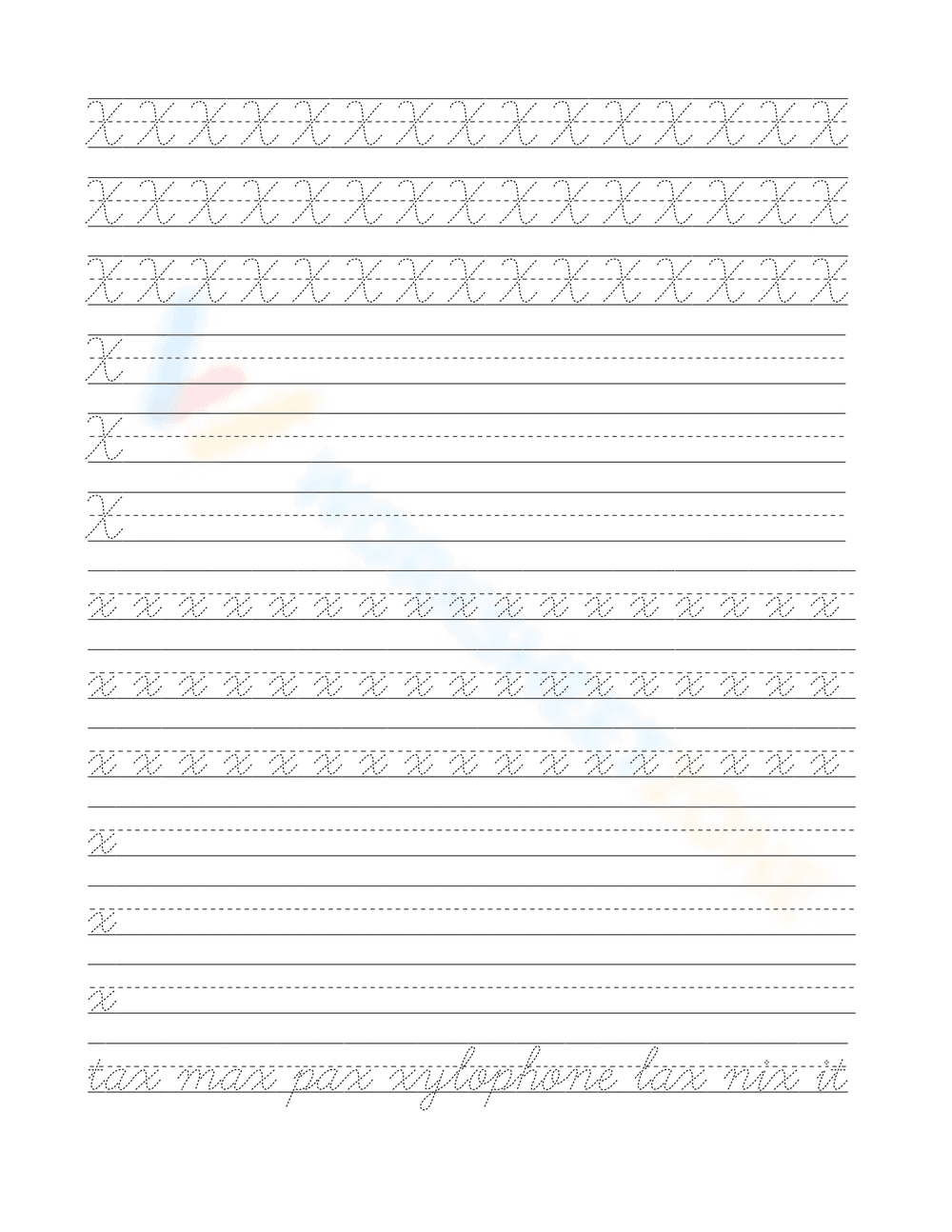
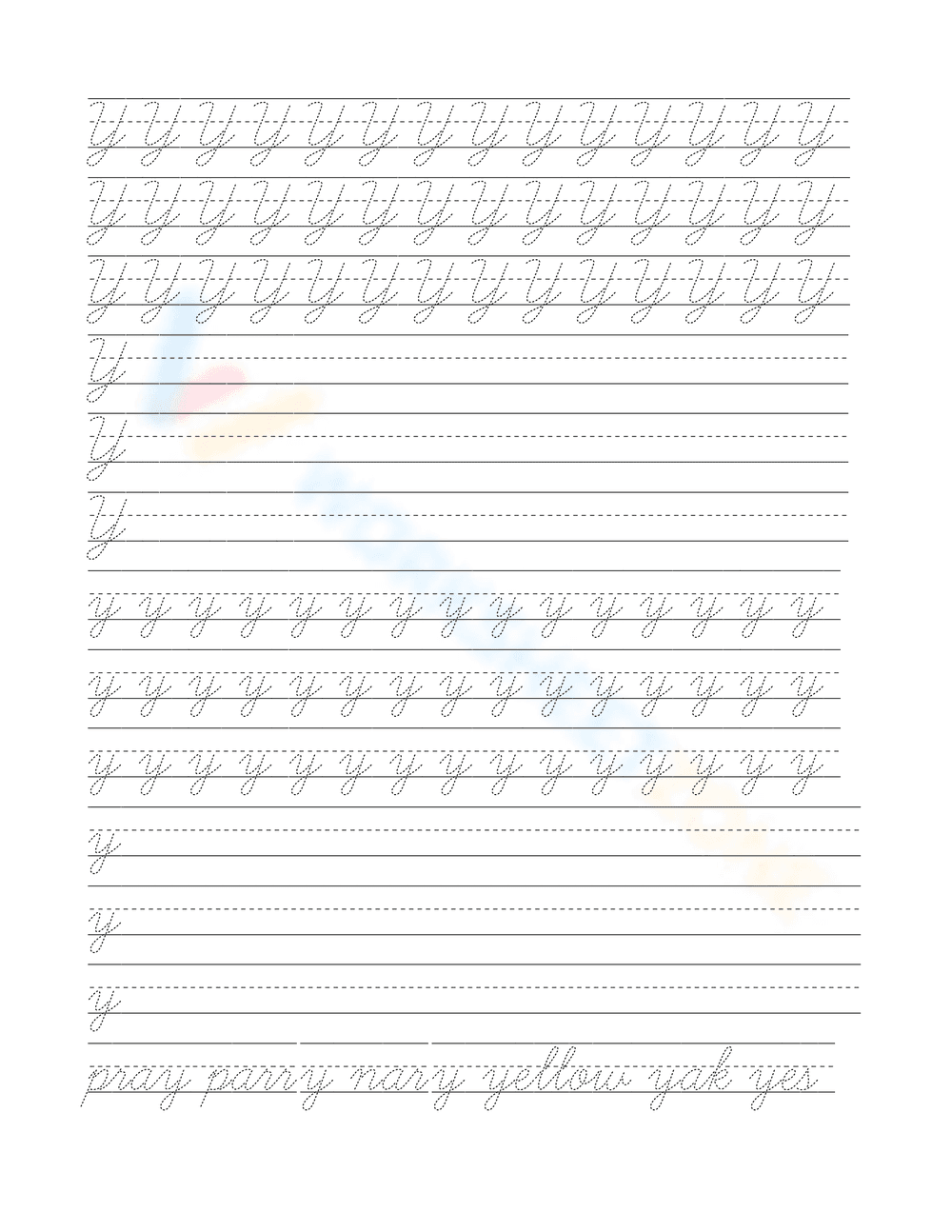
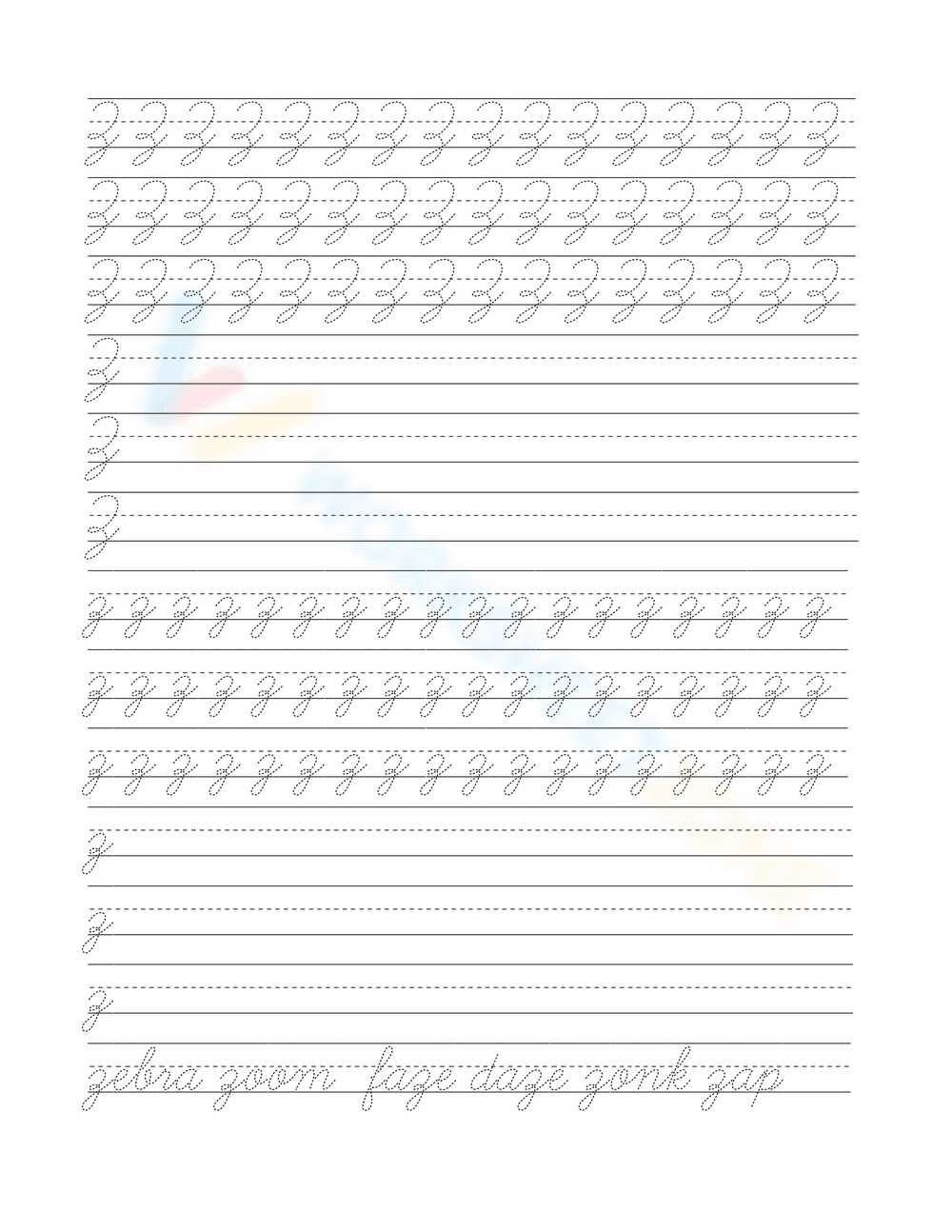
This PDF collection contains one dedicated page for every letter from A to Z. Each sheet features uppercase tracing, lowercase tracing, and a bottom row for connecting letters into words. With over 260 lines of practice, students receive ample opportunity to refine their slant and spacing in a clean, distraction-free layout.
Zero-Prep Workflow
This resource is designed for a zero-prep environment. Step 1: Print the specific letter page or the entire booklet (30 seconds). Step 2: Distribute to students during morning work (1 minute). Step 3: Review connections during independent writing (ongoing). Total teacher preparation time is under 2 minutes, making this ideal for sub plans.
Standards Alignment
This resource aligns with CCSS.ELA-LITERACY.L.2.1, requiring students to demonstrate command of standard English conventions when writing. It supports the broader goal of conventional letter formation. This standard code can be copied directly into lesson plans, IEP goals, or district curriculum mapping tools.
How to Use It
Assign one page per day as a 'Letter of the Day' activity. During instruction, observe students to ensure they start strokes at the correct baseline. This formative assessment allows for immediate correction of improper grip. Most students will complete a single page within a 10 to 15-minute window.
Who It's For
This set is tailored for first and second-grade students beginning cursive. It is also effective for students requiring occupational therapy or remedial support. Pair these worksheets with a cursive anchor chart to provide a multi-sensory learning experience that reinforces the visual and tactile aspects of script writing.
Handwriting remains a foundational literacy skill, as research from Fisher & Frey (2014) indicates that the physical act of forming letters strengthens neural pathways associated with word recognition. This 26-page cursive workbook aligns with CCSS.ELA-LITERACY.L.2.1 by providing structured tracing and independent practice for all uppercase and lowercase letters. By transitioning from isolated letter formation to whole-word connectivity, students develop the muscle memory required for fluent communication. The gradual release of responsibility—moving from tracing scaffolds to independent work—ensures that learners internalize stroke patterns effectively. Educational analysis suggests that consistent handwriting practice in early elementary grades reduces cognitive load during later complex writing tasks, allowing students to focus on composition rather than mechanics. This resource provides a comprehensive, ready-to-use solution for teachers seeking to integrate cursive instruction into daily literacy blocks or specialized fine motor intervention sessions.


