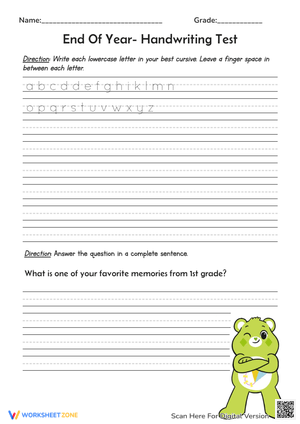
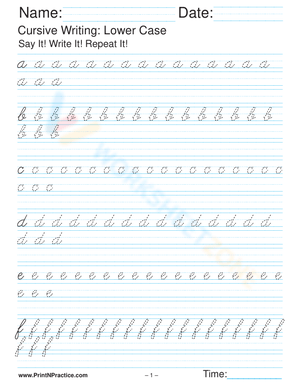
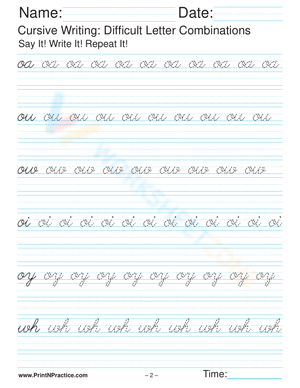
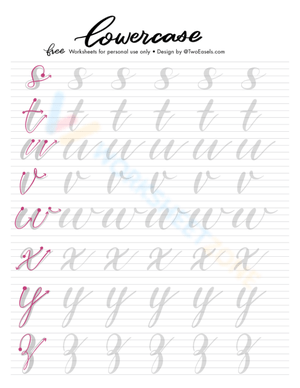
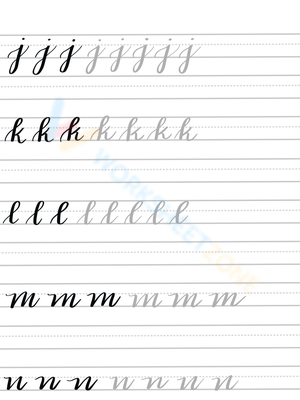
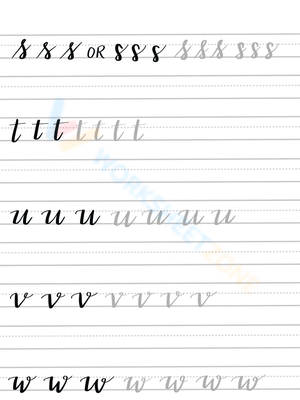
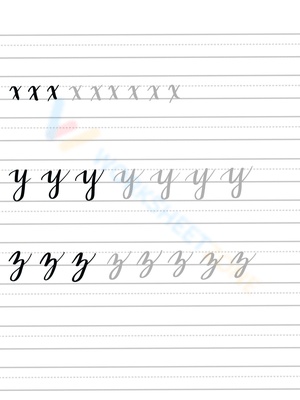
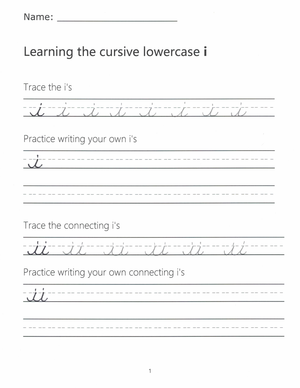
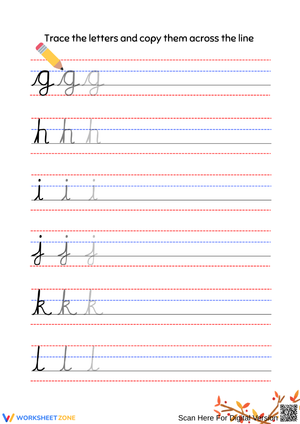
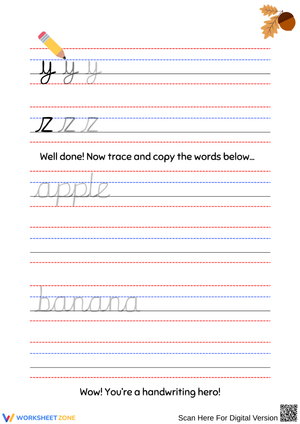
Second grade classrooms are where lowercase cursive letters usually make their first real appearance. Students in this age range have already built print fluency, and their fine motor control has developed enough to manage the continuous, looping strokes that cursive requires. If you searched for lowercase cursive handwriting letters for grade 2, you are likely looking for a way to sequence instruction, fit short practice sessions into a packed literacy block, and give students worksheets that reinforce correct letter formation before they start joining letters into words.
Why Grade 2 Is the Right Time for Lowercase Cursive
By the time students reach grade 2, most have solid control over pencil grip, letter spacing, and print formation. That foundation matters because cursive asks students to keep their pencil on the page for longer stretches, tracking curves and connecting strokes without lifting. Introducing cursive too early, before print habits are automatic, often leads to messy, inconsistent letterforms. Waiting until second grade lets teachers build on existing motor skills instead of competing with them.
As of 2024, 25 US states have laws requiring cursive handwriting instruction in public schools, up from just 14 states in 2016 and 20 in 2019. That steady climb signals a real shift in policy, not a passing trend, and it means more grade 2 teachers are being asked to build cursive into a literacy schedule that already covers phonics, reading fluency, and writing composition.
A Practical Letter-Grouping Sequence
Rather than teaching lowercase cursive letters in alphabetical order, most effective sequences group letters by shared stroke patterns. This approach reduces the number of new motor skills students need to learn at once.
- Start with letters built on a simple undercurve stroke, such as i, u, w, and t.
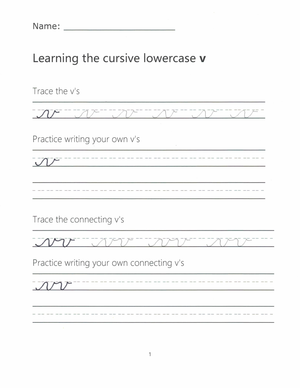
- Move to letters using an overcurve stroke, such as n, m, x, and v.
- Introduce loop letters next, including l, e, h, k, and b.
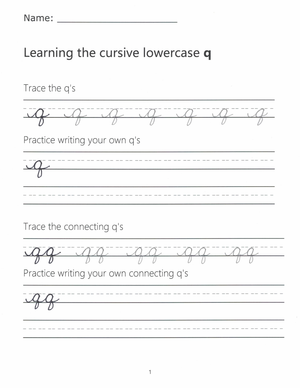
- Finish with letters that combine curves and loops in more complex ways, such as a, d, g, o, and q.
Teaching by stroke family instead of alphabet order lets students transfer a motor pattern from one letter to the next, which builds confidence quickly and reduces the number of formation errors worksheets need to correct later.
Classroom Implementation
Grade 2 literacy blocks rarely have room for a long, standalone cursive lesson, so short, consistent practice tends to work better than occasional long sessions. Many teachers set aside 10 to 15 minutes, three to four times a week, for focused lowercase cursive practice using worksheets rather than trying to fit an entire unit into one day.
A few routines that tend to work well:
- Pair cursive practice with a warm-up during morning work, when students are settling in and can focus on fine motor tasks.
- Use worksheets that repeat a stroke family across several days before introducing a new group of letters, so the motor pattern has time to become automatic.
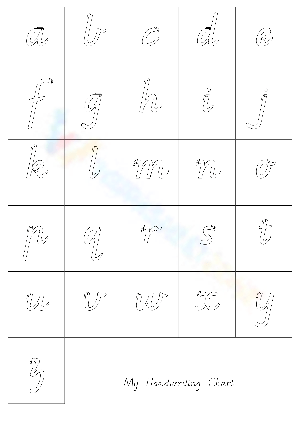
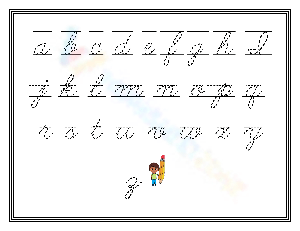
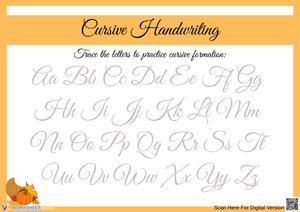
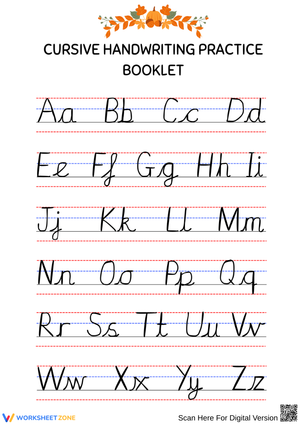
- Keep a visible reference chart of the letter groups so students can self-check formation without needing constant teacher correction.
- Briefly check in with students who need more repetition on a specific stroke, without turning this into a separate lesson; a quick one-on-one glance during independent practice is often enough.
- Save connected-word practice for after most lowercase letters are formed correctly on their own.
Cursive instruction has also been shown to support students with dysgraphia, since the connected letterforms encourage fluid, continuous motor movement rather than the repeated starts and stops that print can require. For these students, worksheets with wider practice lines and extra tracing repetitions can make the transition smoother without singling them out from the rest of the class.
Common Formation Mistakes and How Worksheets Help
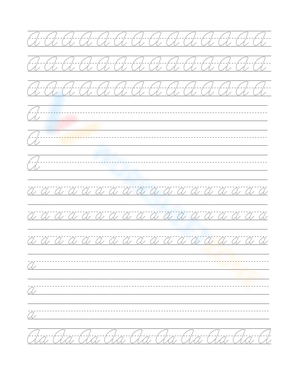
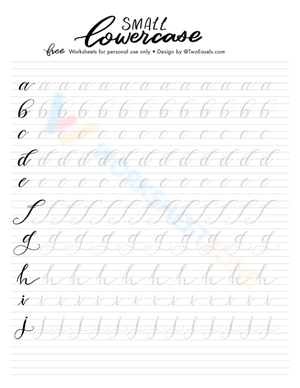
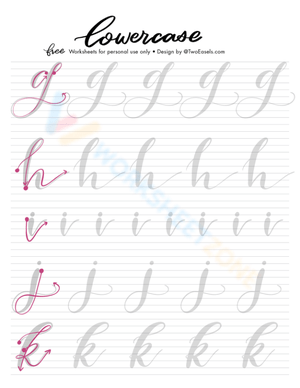
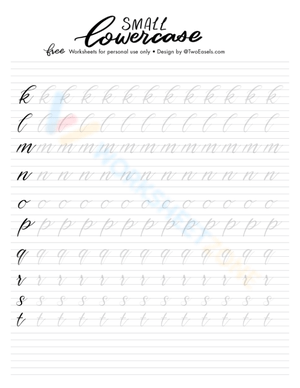
Second graders learning lowercase cursive tend to repeat a few predictable errors: letters that lean the wrong direction, loops that collapse into straight lines, and inconsistent letter height. Worksheets with guided baselines, midlines, and top lines give students a visual anchor for each letter's proportions, which is especially useful for letters like l, h, and b that need a tall, consistent loop.
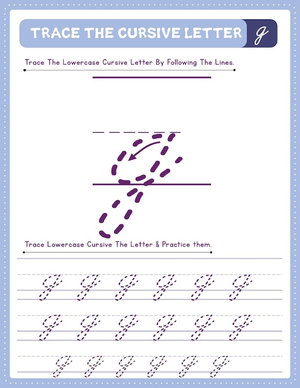
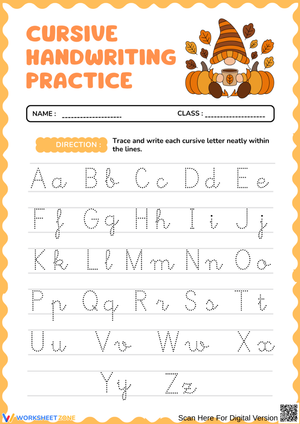
Spacing is another frequent challenge. Because cursive letters connect, students sometimes crowd letters together or leave gaps that are too wide once they start joining. Worksheets that include tracing practice followed by independent repetition on the same page let teachers spot spacing issues early, before they become a habit that is harder to correct once students move into full words and sentences.
Frequently Asked Questions
1. What order should teachers introduce lowercase cursive letters in grade 2?
Group letters by shared stroke pattern rather than alphabetical order. Start with simple undercurve letters like i and u, then move to overcurve letters, loop letters, and finally more complex combined-stroke letters.
2. How much daily practice time is needed for cursive to stick in second grade?
Short, consistent sessions of about 10 to 15 minutes, three to four times a week, tend to build formation habits more reliably than occasional long practice blocks.
3. Do state standards require cursive instruction in grade 2?
Requirements vary by state. As of 2024, 25 states have laws requiring cursive instruction somewhere in elementary school, though the specific grade band is often left to individual districts to decide.
4. How can teachers tell if a student is ready to move from print to cursive?
Students who show consistent print letter formation, spacing, and pencil control are generally ready. If print habits are still shaky, it is often worth reinforcing those basics before adding cursive.
5. What are common lowercase cursive formation mistakes in grade 2 and how can teachers correct them?
Frequent issues include inconsistent letter height, collapsed loops, and uneven spacing. Worksheets with guided baselines and midlines, paired with brief individual feedback during practice, help correct these patterns early.