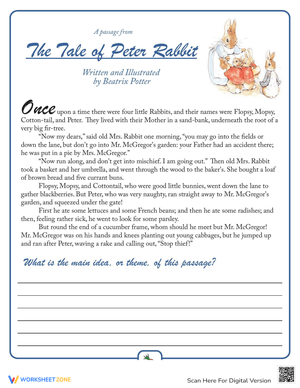
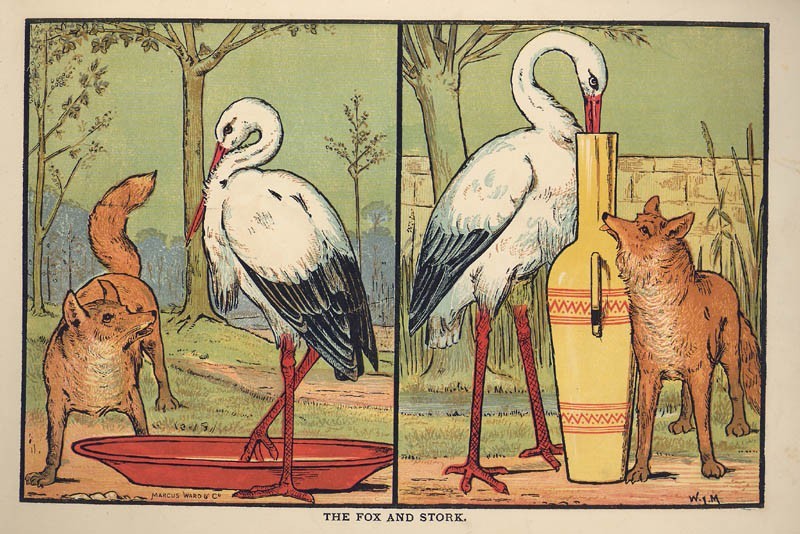
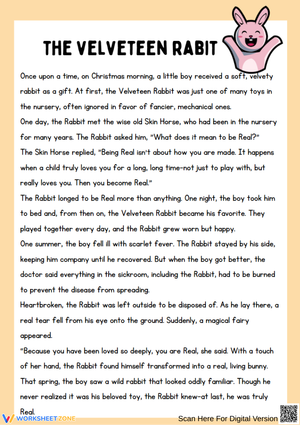
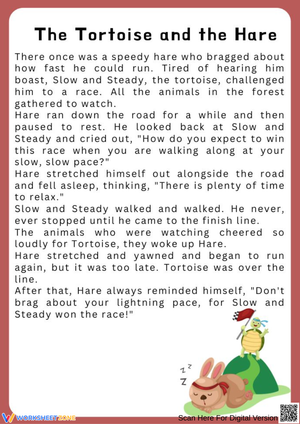
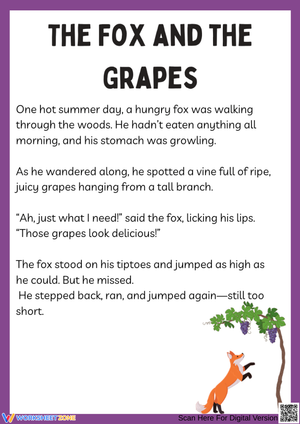
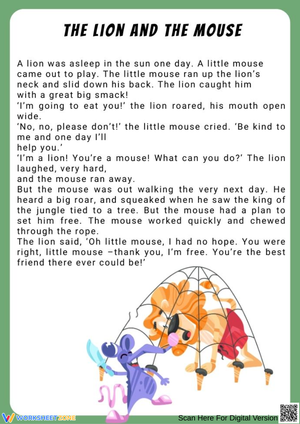
These central message worksheets resources give 2nd through 5th grade teachers a direct way to address one of the hardest comprehension skills to teach: moving students past plot recounting and into genuine theme identification. Each worksheet pairs a short reading passage with structured response prompts that ask students to trace their reasoning, not just label the lesson.
Skills These Worksheets Target
The exercises cover a specific progression of thinking, not a loose collection of reading tasks. Across the set, students practice:
- Distinguishing the central message from a plot summary — a confusion that persists well into 4th grade without direct instruction
- Writing the theme as a complete, universal statement rather than a single word like "friendship" or "courage"
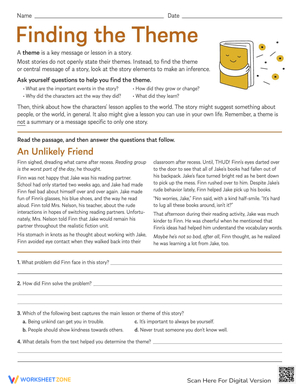
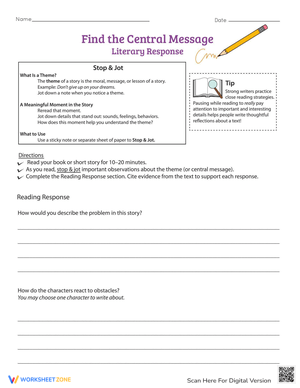
- Citing character actions and dialogue as textual evidence for a stated theme
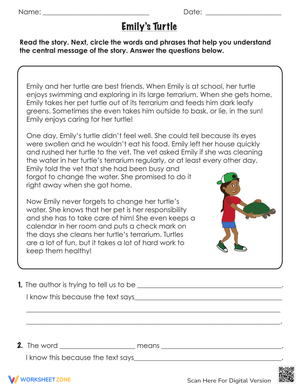
- Tracking how a protagonist changes from the beginning to the end of a narrative, then connecting that shift to the story's moral
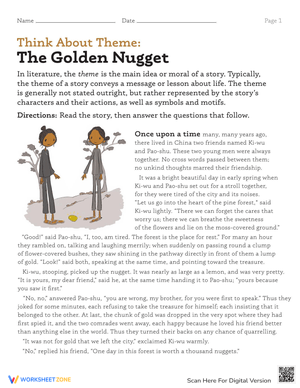
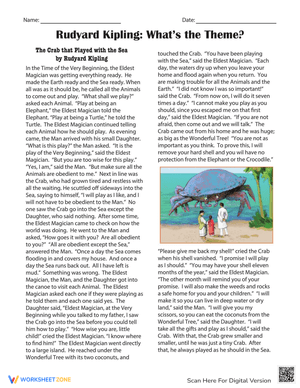
- Comparing the themes of two short passages on related topics
- Distinguishing between what a story says literally and what the author intends readers to take away from it
That comparative theme skill appears on 4th and 5th grade state assessments more often than most teachers expect. Practicing it on shorter paired passages before students encounter it on a timed test makes a real difference in how they handle the question.
The Main Idea Problem — and How These Worksheets Address It
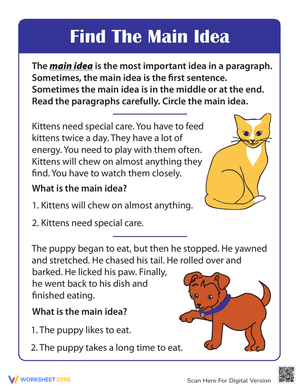
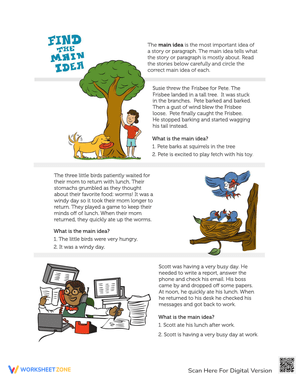
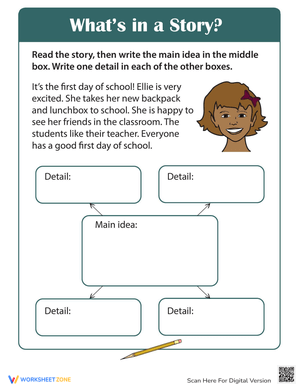
The most persistent misconception in this skill area is treating main idea and central message as the same thing. A student who writes "This story is about a girl who learns to share" has summarized the plot. The central message — something closer to "generosity builds trust in ways that self-interest cannot" — requires a different kind of thinking entirely. That shift from event description to life lesson does not arrive on its own with more reading experience. It requires practice with texts built to make the difference visible.
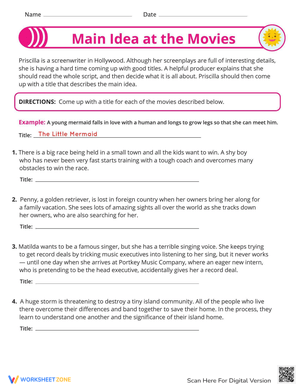
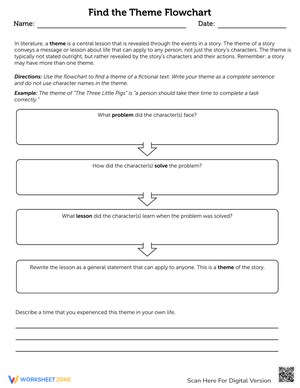
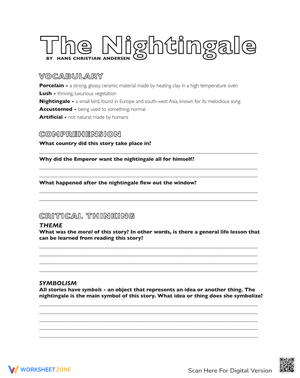
Several worksheets in the set address this directly by sequencing two prompts in order: "What happens in this story?" followed immediately by "What does this story teach readers about life?" Placing both on the same worksheet forces students to hold the distinction in mind rather than letting a plot summary substitute for a theme statement. The character-change tracker exercises push further — students note how a character behaves at the story's opening, how that behavior shifts during the central conflict, and what the resolution suggests the author believes. That three-step path is cleaner for most students than trying to leap straight to theme from a cold read.
Working These Worksheets Into Your Lesson Planning
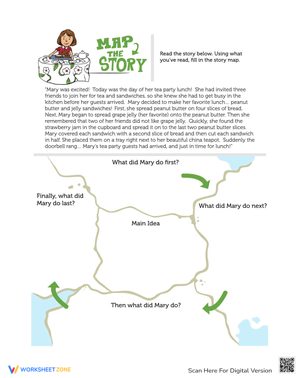
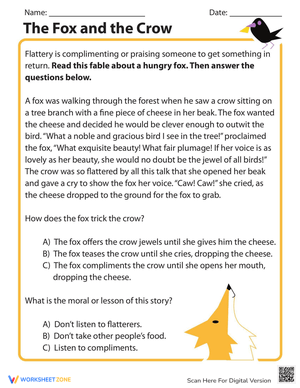
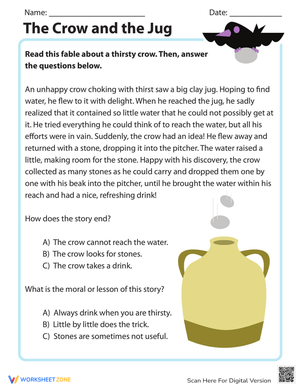
The shorter fable-based exercises — most run about 10 to 12 minutes — fit naturally as warm-ups at the start of a literacy block. Use one on Monday with a moral that is nearly explicit, then return to the same theme on Wednesday with a realistic fiction passage where the lesson requires more inference. By Friday, the paired-text comparison worksheet lands differently than it would have at the start of the week. Students who felt uncertain about articulating a theme on Monday often produce more confident writing by the end of that sequence.
The extended-response worksheets, where students write a full paragraph defending a theme with cited evidence, work better as independent station work or homework during novel study. They run 20 to 30 minutes for on-level readers and anchor a reading rotation without requiring teacher oversight once students understand the format. Small groups in guided reading can use the character-change tracker worksheets as follow-up discussion tools — students complete them individually, then compare their evidence before settling on a shared theme statement together.
Mistakes Students Make That These Worksheets Help You Catch
The one-word theme response is the most common shortcut. A student who writes "honesty" as the central message has identified a category, not a message. The difference between "honesty" and "being honest with someone you trust is harder than lying, but it's what keeps the relationship real" is the difference between surface recognition and actual comprehension. Every theme prompt in this set requires a complete sentence, which catches that shortcut immediately and creates a clear revision target when you return papers.
A second pattern shows up in student work when the theme is phrased as a character-specific conclusion rather than a universal one: "Marcus learned that cheating doesn't pay" instead of "Taking shortcuts might seem easier, but they usually cost you something more important later." The difference matters because standards at 3rd grade and above expect students to state themes in terms that apply beyond the specific story. Prompts that include the stem "The author wants all readers to understand that..." train students to generalize, which is exactly what the standard requires and what many students need explicit permission to do.
Adjusting These Worksheets for a Range of Learners
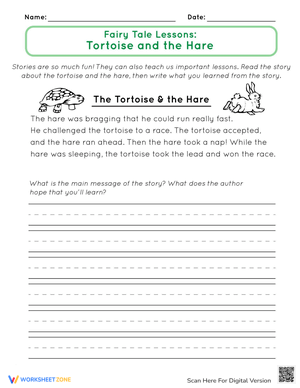
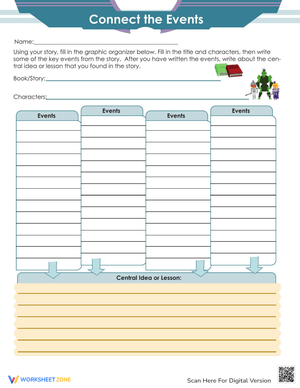
The central message worksheets collection spans passage complexity from simple two-paragraph fables to multi-scene realistic fiction excerpts, so there is genuine range to work with. For students who are still consolidating plot comprehension, the fable-based worksheets with built-in graphic organizers — one column for "What the character did," another for "What that teaches us" — give them a visible path to the theme without requiring them to hold the entire structure in working memory at once.
For students working above grade level, the paired-text exercises and the worksheets involving implicit or ambiguous lessons offer a real challenge. Push these students further by asking them to write a second plausible theme for the same passage and argue in writing which reading is better supported by the text. That task mirrors the analytical thinking expected in middle school literary analysis and generates strong discussion in small groups. Students who regularly outpace their peers on comprehension checks tend to engage more seriously when the task has genuine interpretive difficulty rather than a single correct answer.
Standard Alignment
These worksheets align to CCSS.ELA-LITERACY.RL.2.2 through RL.5.2 — the strand that addresses determining a theme or central message and explaining how it is conveyed through key details. RL.2.2 asks students to recount a story and determine its central message, which is the entry point for this skill and the target for the fable-based exercises in the set. RL.3.2 and RL.4.2 raise the bar by requiring students to explain how the message is conveyed through specific story details, not just name it — that demand drives the character-change tracker and evidence-citing exercises. RL.5.2 adds the expectation that students summarize the text while articulating the theme separately, which the extended-response worksheets address directly. Teachers can match individual exercises to the specific grade-level standard their students are working toward rather than treating the full set as one undifferentiated bank of practice.
Frequently Asked Questions
What is the difference between a moral and a central message, and do these worksheets address both terms?
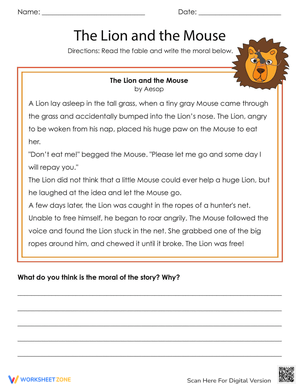
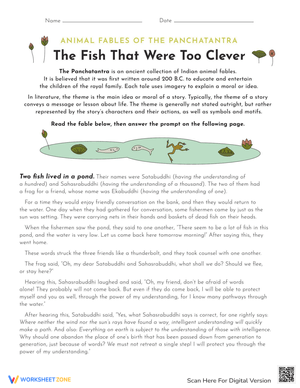
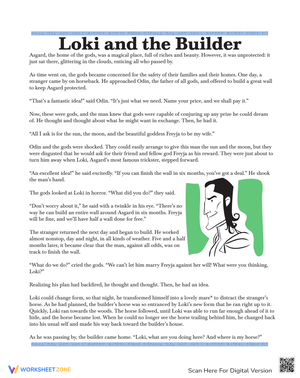
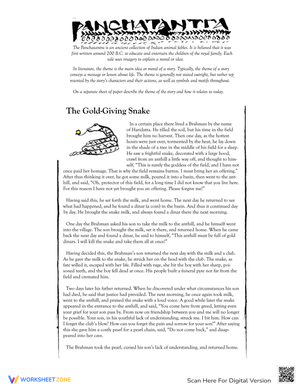
A moral is the explicit lesson attached to a fable or parable — the sentence at the end that tells you what to take from the story. A central message is the broader term for the implicit theme of any narrative, stated or not. The worksheets use both terms deliberately: early exercises use fable texts and call the lesson a moral, while later exercises use "central message" or "theme" and ask students to infer it from evidence without a stated conclusion. Introducing both terms together, with the distinction made explicit, matches how most state ELA standards handle the vocabulary progression across 2nd through 5th grade.
Can these worksheets work alongside a current class novel, or are they only usable with the included passages?
Most worksheets include their own short passages and function as standalone exercises. That said, several worksheets in the set use open-ended prompts — "Think about the book your class is currently reading" — that attach naturally to any novel or read-aloud in rotation. Those work especially well for literature circles, where students are already inside a shared text and can move directly into theme evidence without a cold read.
How long does each worksheet take to complete?
Shorter fable-based exercises run about 10 to 15 minutes for on-level readers. Paired-text comparison worksheets run closer to 25 minutes. The extended-response exercises, which ask students to write and defend a theme in paragraph form, can anchor a full 30-minute independent work block. The central message worksheets files print in standard letter format, so teachers can run individual exercises without printing an entire collection.
Why do students keep reverting to plot summary even after direct instruction on theme?
Because plot summary feels safer. Students know whether they got the events right; they are less certain about whether their theme interpretation is correct, and the open-ended nature of theme makes some students anxious about being wrong. The fix is repeated low-stakes practice where multiple theme statements are treated as valid as long as they are supported by evidence. When students see that "perseverance leads to growth" and "giving up too soon costs you more than failure would have" can both be defensible readings of the same story, they stop retreating to summary. These central message worksheets exercises include evidence-citing steps precisely to give students a concrete task to anchor their interpretation — something they can point to even when the theme itself feels uncertain.