These sequencing events worksheets resources give teachers from grades 1 through 8 a ready collection of structured practice materials targeting one of the most persistently mishandled reading skills — reconstructing the logical and causal order of events across both narrative and informational text. The set moves from three-step picture sequences in first grade to multi-event chronological analysis of complex passages in middle school. Teachers get materials that slot into literacy centers, small-group pull-outs, or Monday morning warm-ups without additional preparation.
The Specific Tasks Students Work Through
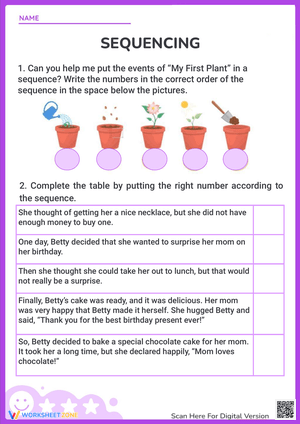
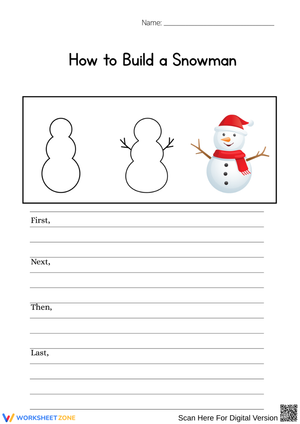
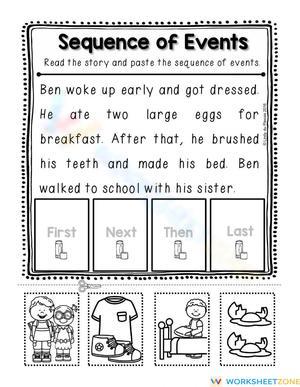
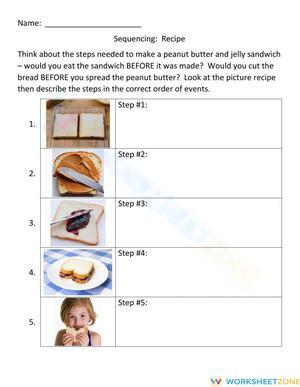
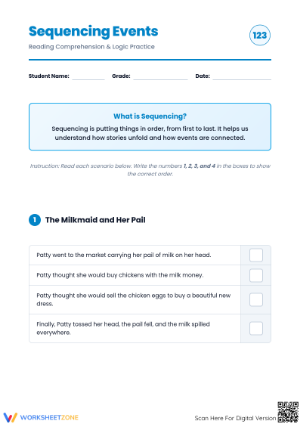
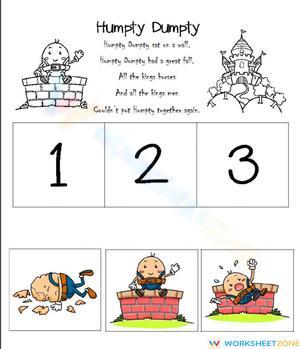
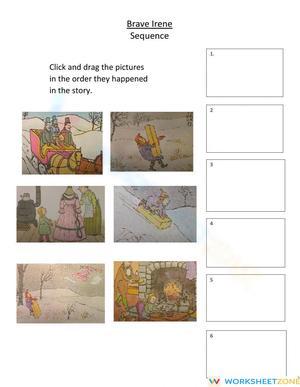
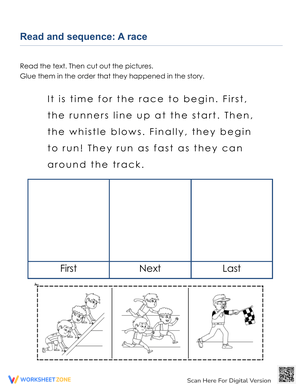
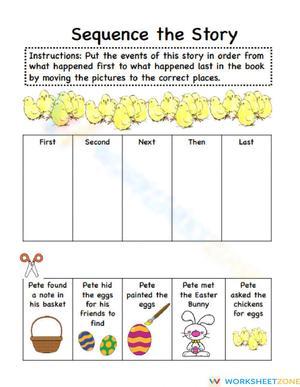
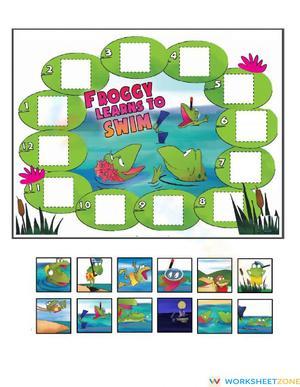
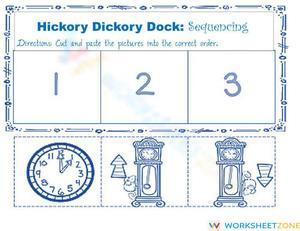
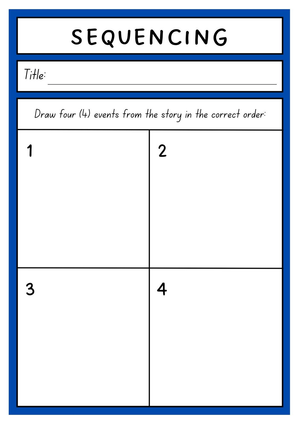
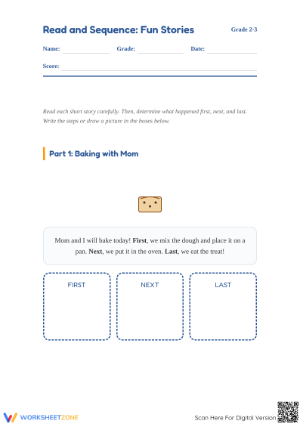
Students work with several distinct sequencing tasks depending on their grade band. In the early grades, the work is largely visual: ordering a series of images that show the beginning, middle, and end of a short story, then labeling each stage in their own words. As students move into grades 3 and 4, the tasks shift to written text — underlining signal words in a passage, cutting apart scrambled sentences and reordering them, then writing a brief explanation of their choices. Upper-grade worksheets ask students to distinguish between the order events appear in a text and the order they occurred, which is a genuinely different cognitive task that takes most students multiple exposures to internalize.
Specific skills practiced across the set include:
- Identifying and underlining temporal transition words within a passage before reordering any events
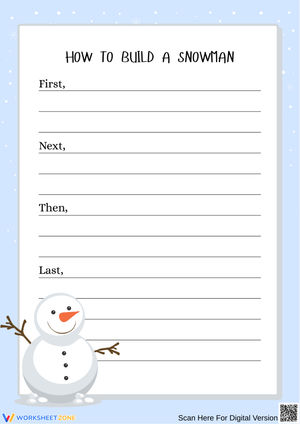
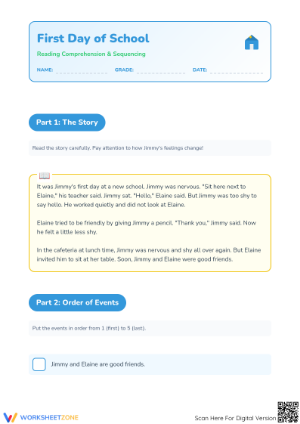
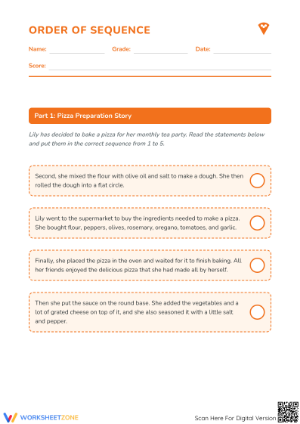
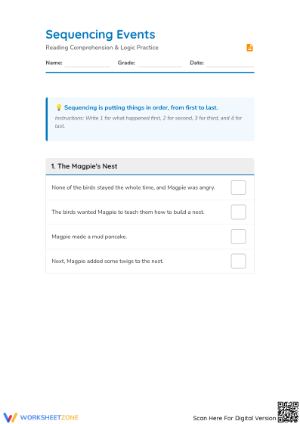
- Placing scrambled sentences or events into correct chronological order
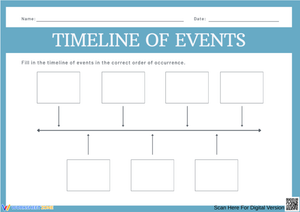
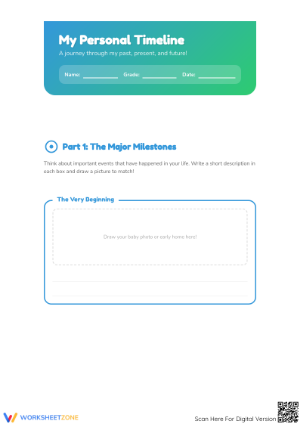
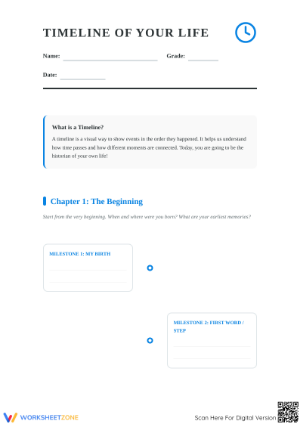
- Completing story maps and timelines using evidence pulled directly from the text
- Writing explanations of why one event precedes another, citing specific signal phrases as evidence
- Analyzing flashback and foreshadowing structures to separate narrative order from chronological order
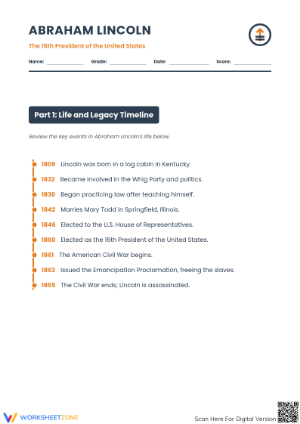
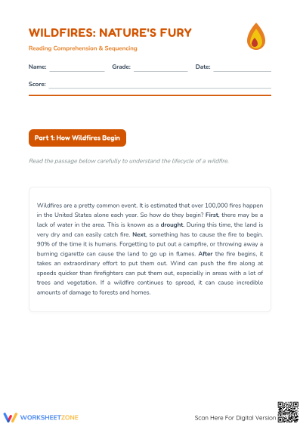
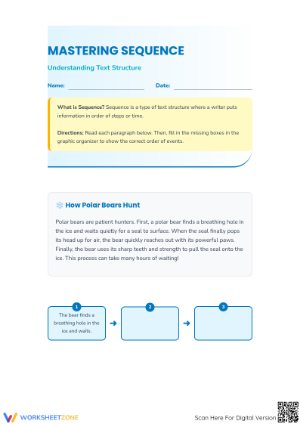
- Sequencing informational content — experiment steps, historical events, life cycle stages
Where Signal Words Do — and Don't — Do the Work
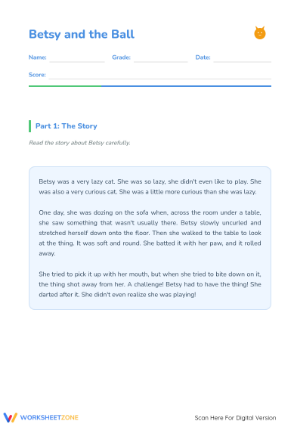
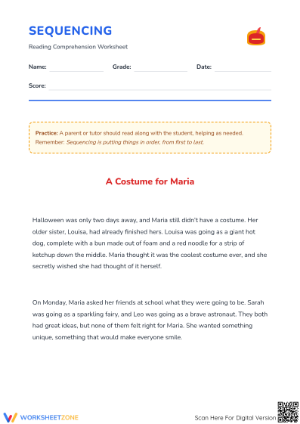
A significant portion of the set focuses on transition words because that is where most students either anchor themselves or fall apart. Words like first, then, finally, and meanwhile get covered early, but the more instructive work involves temporal constructions students rarely treat as sequence markers: "by the time she arrived," "long before the decision was made," "as soon as the bell rang." These phrases carry sequencing information without the clean predictability of ordinal markers, and stronger readers use them fluently while struggling readers sail past them entirely.
Several worksheets pair signal word identification with reordering tasks, asking students to circle the transition phrase first, then use it as an anchor for placing the event. That order matters. Students who skip the circling step almost always default to the order sentences appear on the page rather than the order the events occurred — one of the most consistent patterns we see in actual student work on this skill.
Student Errors That Come Up Consistently With This Skill
The most predictable error at the elementary level is positional ordering — students assume the first sentence describes the first event. This shows up sharply when a text includes a construction like "Before he packed his lunch, Marcus had already finished his homework." A large share of students place "packing lunch" first because that phrase lands earlier in the sentence. Worksheets in this set include deliberate practice with inverted clauses precisely because that construction is ubiquitous in both fiction and informational writing, and students need repeated exposure before they stop being tripped by it.
At grades 5 and above, the more persistent problem is conflating narrative sequence with chronological sequence. When a story opens in medias res or uses a flashback, students new to those structures treat the first scene they read as the first scene that happened. This is not a comprehension failure — it is a structural unfamiliarity. The worksheets targeting this skill ask students to build two parallel timelines for the same passage: one tracking story order, one tracking event order. The gap between those two timelines is where the most productive discussion happens.
Where These Worksheets Fit in the Weekly Plan
The most effective use pattern for this set is weekly spiral integration rather than a standalone sequencing unit. Pulling one worksheet into Wednesday's reading block every week — even for ten minutes — builds the habit of tracking event order as an active reading behavior rather than a discrete skill students apply only when told to. The sequencing events worksheets resources in this set are built for that format: each worksheet is self-contained, requires no pre-teaching of unfamiliar texts, and produces student work that doubles as a quick formative check for the teacher.
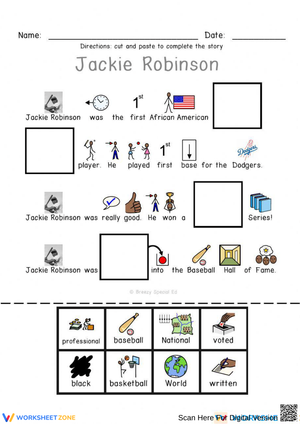
Small-group instruction is another strong context for this material. When running a guided reading group with students who consistently struggle to retell a story accurately, a cut-and-paste sequencing worksheet gives the group a shared object to discuss. Students who disagree about the order have to point to specific words in the text to justify their placement — exactly the kind of evidence-based reasoning that retelling assessments measure. The physical manipulation of cut strips also gives students who freeze in front of a blank organizer a lower-stakes entry point than writing from scratch.
Tuning the Difficulty for Different Learners
For students still building reading fluency, swap the text-based worksheets for picture-sequencing versions and pair each image with a single sentence caption they read aloud before ordering. That small modification removes decoding load without removing the conceptual task. A sequencing events worksheets at the picture-story level still develops the same underlying logic — identifying cause-and-effect links between events — it just does so without placing simultaneous demands on decoding and comprehension.
For students who handle the standard tasks easily, remove two of the labeled positions in the sequence and ask them to fill those slots without the numbered blanks as guides, then write a paragraph explaining the causal relationship between every pair of adjacent events. That extension shifts the task from ordering to analyzing, which is the genuinely harder cognitive lift. Students who need a middle path benefit from a partially completed organizer — with the first and last events already placed — that narrows the problem space enough to get them working without eliminating the challenge.
Standard Alignment
CCSS.ELA-LITERACY.RL.2.5 asks second graders to describe the overall structure of a story, including how the beginning introduces the story and the ending concludes the action — the foundational sequencing concept that early worksheets in this set address directly. CCSS.ELA-LITERACY.RI.4.5 requires students to describe the overall structure of informational text organized by chronology, cause and effect, or problem and solution, which maps to the upper-elementary worksheets involving timelines and ordered-event analysis. At the middle grades level, CCSS.ELA-LITERACY.RL.6.5 moves students toward analyzing how a particular sentence, chapter, or section fits into the overall structure of a text — the standard that dual-timeline worksheets address most directly. In classroom terms, that progression means the same sequencing concept sits legitimately on the table from first grade through eighth, with increasingly complex structural demands at each level.
Frequently Asked Questions
Can these worksheets be used in subjects other than ELA?
Several worksheets in the set transfer cleanly into science and social studies. In science, ordering experiment steps or the stages of a life cycle applies the same chronological logic as narrative sequencing. In history, building a cause-and-effect timeline for a historical period asks students to distinguish between events that triggered other events and events that merely followed them — a more demanding version of the same skill. Teachers using a sequencing events worksheets in a cross-curricular context should note that the signal language differs between fiction and informational writing, and students sometimes need an explicit discussion to make that transfer successfully.
How often should sequencing appear in the weekly lesson plan?
Two to three times a week is a workable target, and it doesn't need to be a full worksheet every time. A quick read-aloud pause — "What happened right before this moment? How do we know?" — builds the same habit in five minutes. Reserving full worksheet practice for twice a week gives students enough distributed repetition to internalize the skill without crowding out other comprehension instruction.
What's a good entry point for students who haven't worked with sequencing explicitly before?
Start with familiar-content text — a passage about a process students already know, such as how a caterpillar becomes a butterfly or how bread is made — rather than an unfamiliar story. When students already know what happens, they can focus entirely on finding and using text clues that confirm the order, rather than splitting attention between comprehending the content and tracking the sequence simultaneously. Once they identify signal words in a familiar-topic passage consistently, move to unfamiliar narrative text. Most students need three to four worksheet sessions before the strategy begins to feel automatic.












 Interactive Worksheet Maker
 Quiz Maker
 Word Search Maker
 Crossword Puzzle Maker
 Word Scramble Generator
 Sentence Scramble Generator
 Handwriting Worksheet Generator
 Name Tracing Generator
 Fill In The Blank Generator