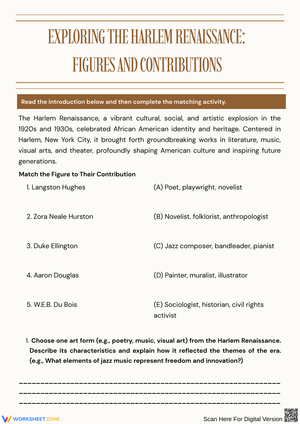
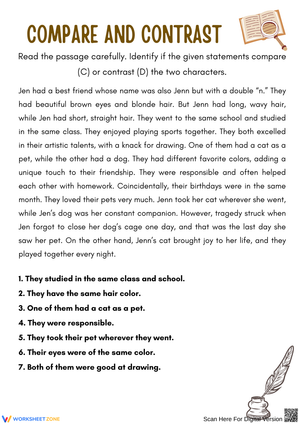
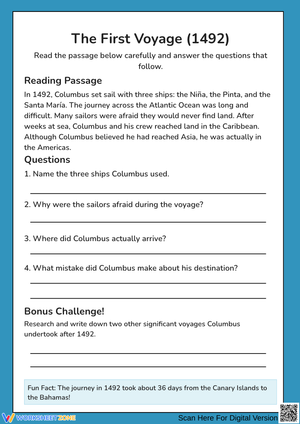
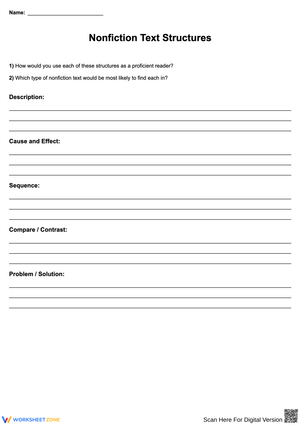
Finding high-quality, ready-to-print literacy resources that are easy to distribute is a daily challenge for K-12 teachers. While digital tools have their place, physical reading practice remains a foundational element of effective instruction. By integrating reading PDF worksheets into your lesson plans, you provide students with tactile experiences that improve focus and handwriting.
Printable materials serve as essential supplements for your core curriculum, whether you are planning small-group intervention, setting up literacy centers, or assigning targeted homework. The PDF format guarantees that formatting stays consistent across any device or printer, saving valuable preparation time. This guide explores the most effective ways to utilize these resources to support student learning and reinforce essential literacy skills like vocabulary, inference, and main idea comprehension.
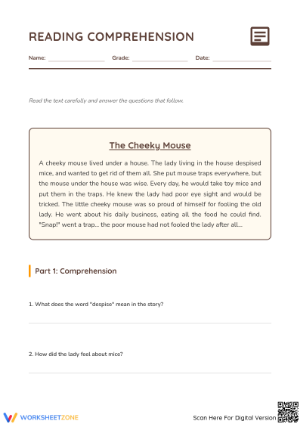
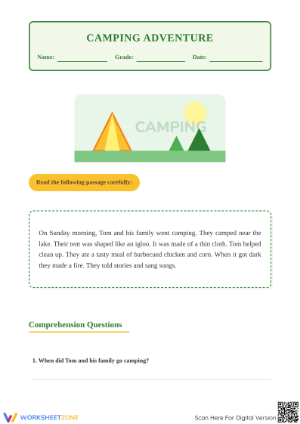
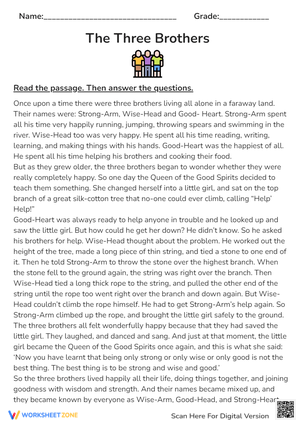
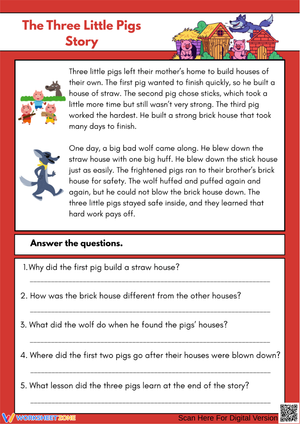
When selecting resources from Worksheetzone, teachers can quickly build a comprehensive library of practice materials tailored to specific reading levels. Focusing on printable formats ensures that every student, regardless of their access to technology at home, can participate in meaningful reading exercises.
Why Choose Reading PDF Worksheets Over Screen-Based Activities?
The debate between digital and physical learning tools is ongoing, but reading PDF worksheets offer specific advantages that screens cannot match. Physical reading materials facilitate improved handwriting and focus compared to screen-based learning. When students engage with a printed page, they are less susceptible to the distractions of notifications, tabs, and hyperlinks.
This focused environment allows readers to practice deep comprehension strategies. They can physically annotate the text, underline unfamiliar vocabulary, and write margin notes, which are proven methods for increasing retention. The tactile experience of holding a paper and tracking lines with a pencil helps ground students in the text, particularly those who struggle with attention span.
Furthermore, the PDF format is a reliable standard for teachers. Unlike word processing documents that might reformat depending on the software version, a PDF maintains its exact layout. This consistency ensures that graphic organizers, reading passages, and question formatting appear exactly as intended when printed, providing a uniform experience for every student in the classroom.
By prioritizing printable reading exercises, teachers ensure equitable access to learning materials. Not all students have reliable internet or devices at home. Providing physical worksheets guarantees that every child can complete homework assignments and continue their reading practice outside of school hours.
Building Foundational Literacy Skills with Printable Practice
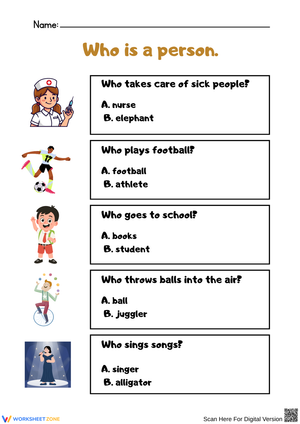
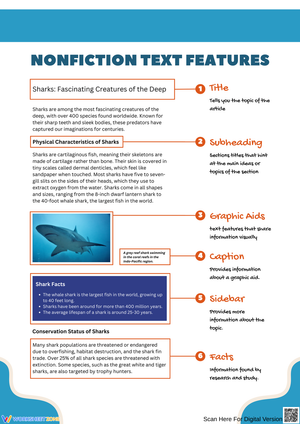
Well-structured reading worksheets reinforce key literacy skills like vocabulary, inference, and main idea comprehension. For early elementary students, these materials often feature decoding exercises, sight word recognition, and simple sentence construction. As students progress, the complexity of the printable resources must scale to meet new learning objectives.
Teachers who align printable materials directly with their core instructional goals observe higher engagement rates during independent practice. Instead of viewing worksheets as busywork, students recognize them as direct applications of the day's lesson. This alignment transforms a simple reading passage into a vital tool for formative assessment.
For vocabulary development, reading PDF worksheets offer targeted practice through context clues and word association activities. Students can physically interact with the text to identify unknown words and use surrounding sentences to deduce meaning. This active engagement is vital for building a strong vocabulary that transfers to independent reading.
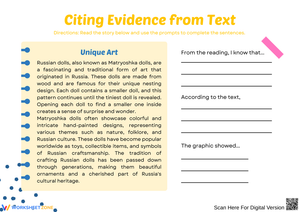
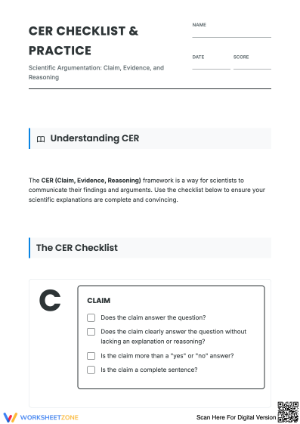
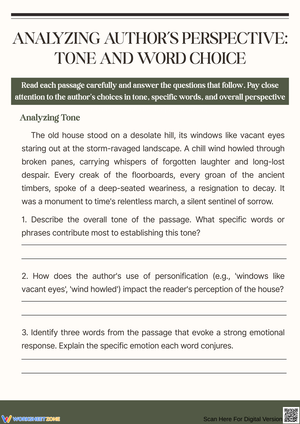
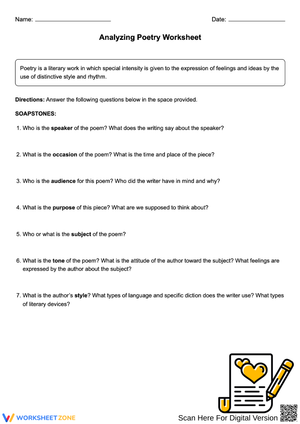
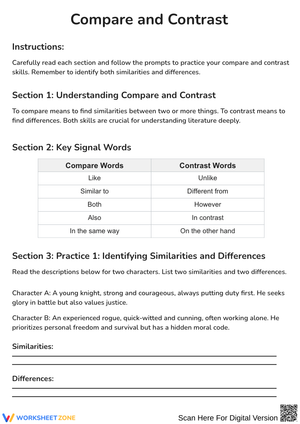
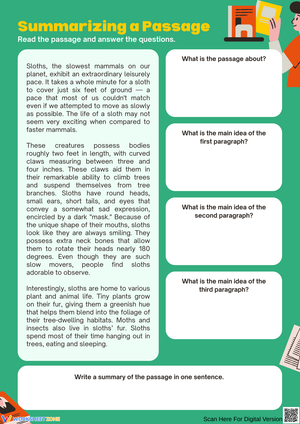
Inference and main idea comprehension require students to look beyond the literal text. Printable exercises that prompt students to cite textual evidence, highlight supporting details, and write short responses train them to think critically. These foundational skills are necessary for success in higher-level English Language Arts courses and standardized testing.
Supporting Struggling Readers with Physical Text
The role of printable resources in improving reading fluency and comprehension for struggling readers cannot be overstated. Physical text provides a concrete boundary for learning, which can be less overwhelming than an endlessly scrolling web page. Teachers can use specialized reading PDF worksheets designed with larger fonts, increased line spacing, and clear visual cues to support these learners.
According to research from ReadWriteThink Reading Resources, providing students with structured, printable graphic organizers improves their ability to map out story elements and analyze character development by 45% (ReadWriteThink Reading Resources, 2026). This tactile engagement helps struggling readers break down complex narratives into manageable components.
Furthermore, printable worksheets allow for immediate, personalized feedback. As a student works through a reading passage, a teacher or literacy tutor can sit beside them, observe their annotation process, and gently correct misunderstandings in real-time. This side-by-side coaching is often more effective than reviewing digital analytics after an assignment is submitted.
For students requiring remedial practice, repetition and consistency are necessary. A well-organized packet of reading PDF worksheets provides a predictable routine. The familiar format reduces cognitive load, allowing the student to focus entirely on the reading skill rather than navigating a new digital interface.
Best Practices for Curating a Digital Library
Curating a digital library of printable reading worksheets requires strategic organization. A disorganized folder of files quickly becomes a hindrance rather than a help. Teachers should establish a clear naming convention for all downloaded PDFs to ensure easy retrieval during lesson planning.
Begin by categorizing resources by grade level, reading skill, and text complexity. For example, a folder might be titled "3rd_Grade_Inference_Passages" or "Sight_Word_Practice_K_1". This level of specificity allows teachers to instantly locate the exact material needed for a particular intervention group or whole-class activity.
It is also beneficial to curate resources from reliable platforms like Scholastic Printables, which offer a wide array of standardized, high-quality materials. By downloading and organizing these PDFs ahead of time, teachers build a permanent, accessible curriculum bank that can be utilized year after year.
Regularly reviewing and updating this digital library ensures that the content remains relevant to current instructional standards. As new reading strategies emerge or curriculum requirements shift, teachers can easily replace outdated worksheets with fresh, engaging reading PDF worksheets that better serve their students.
Classroom Implementation
Integrating reading PDF worksheets into daily classroom literacy centers requires thoughtful planning. The goal is to create independent workstations where students can practice skills without constant teacher direction. Clear instructions and modeled expectations are necessary for these centers to run smoothly.
When introducing a new printable worksheet, spend the first few minutes of the lesson demonstrating how to complete the activity. Use a document camera to project the PDF onto a screen and walk through the first question together. This modeling clarifies expectations and reduces the number of clarifying questions students will ask once they begin working independently.
For small-group instruction, physical worksheets act as a shared text. The teacher can guide a group of four to six students through a challenging reading passage, pausing to discuss vocabulary and ask probing questions. The students can underline and annotate their individual copies, encouraging a collaborative learning environment.
Worksheetzone provides a diverse selection of materials that fit perfectly into these instructional models. By thoughtfully selecting reading PDF worksheets that align with the day's learning targets, teachers can maximize instructional time and provide meaningful practice opportunities for every student.
Designing Effective Literacy Centers
Literacy centers are a staple of the elementary reading block, and printable materials are central to their success. These stations allow for differentiated instruction, as teachers can assign specific reading PDF worksheets based on a student's reading group or individualized learning plan.
A well-designed center might focus exclusively on phonics, while another targets reading comprehension through short stories and response questions. Providing a physical packet of work at each station gives students a clear understanding of the task at hand. It also provides a tangible artifact of their learning that teachers can review for formative assessment.
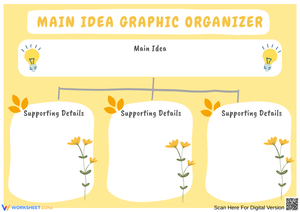
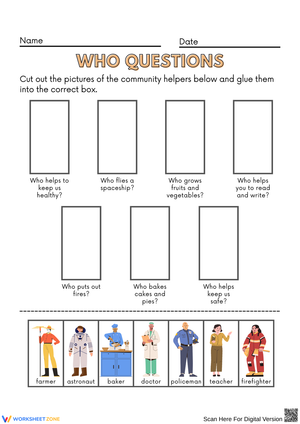
To keep centers engaging, rotate the types of reading PDF worksheets used. Mix multiple-choice comprehension questions with creative writing prompts or graphic organizers. This variety prevents the practice from becoming monotonous and addresses different learning styles within the classroom.
Finally, establish a clear system for collecting completed worksheets. A designated turn-in tray or folder helps maintain organization and ensures that all student work is accounted for. Reviewing these printable assignments allows teachers to identify trends in student understanding and adjust future instruction accordingly.
Frequently Asked Questions
1. When should teachers prioritize printable worksheets over digital reading tools?
Teachers should prioritize printable reading PDF worksheets when the goal is to improve focus, practice handwriting, or engage in deep text annotation. Physical materials are also essential when equitable access to technology cannot be guaranteed for all students.
2. How can parents effectively use reading PDF worksheets to support home learning?
Parents can effectively use reading PDF worksheets to support home learning by creating a quiet, screen-free study time. These physical packets ensure that students can practice reading comprehension at home without relying on internet access, providing a reliable extension of classroom learning.
3. What are the benefits of tactile learning through printable reading exercises?
Tactile learning through printable reading exercises grounds students in the text. The physical act of holding paper, tracking lines with a finger, and writing annotations improves concentration, reduces digital fatigue, and increases overall reading retention and comprehension.












 Interactive Worksheet Maker
 Quiz Maker
 Word Search Maker
 Crossword Puzzle Maker
 Word Scramble Generator
 Sentence Scramble Generator
 Handwriting Worksheet Generator
 Name Tracing Generator
 Fill In The Blank Generator