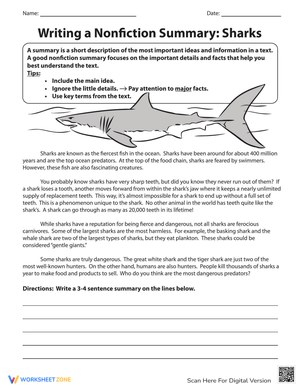
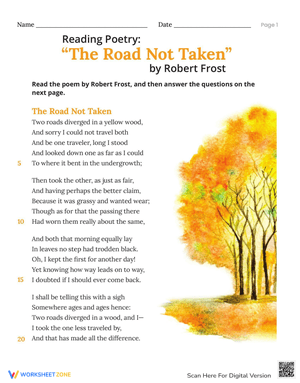
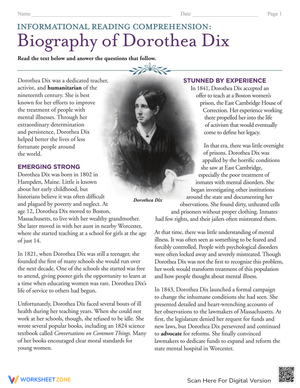
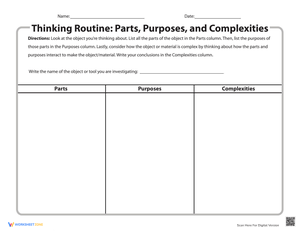
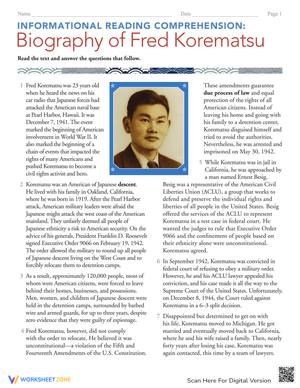
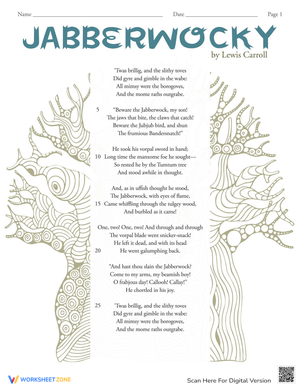
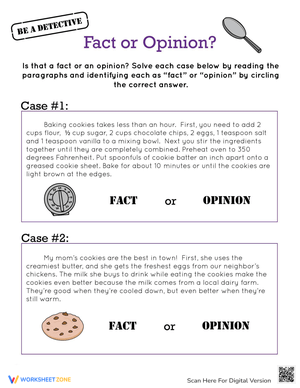
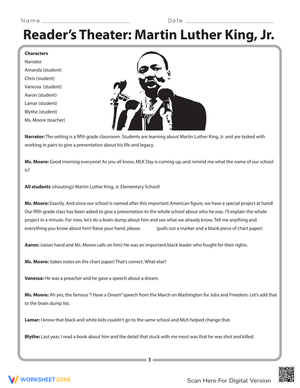
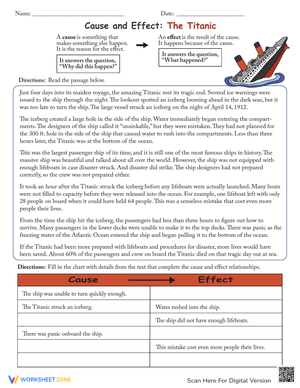
These making connections in reading worksheets give grades 2–6 teachers a structured entry point for one of reading comprehension's most durable strategies—each worksheet targets a single connection type (text-to-self, text-to-text, or text-to-world) with graphic organizers and response prompts that work across fiction and informational texts. The set builds the habit of active reading by asking students to name a connection, locate the specific text moment that triggered it, and explain what that connection reveals about meaning.
The Three Connection Types and What Students Actually Do
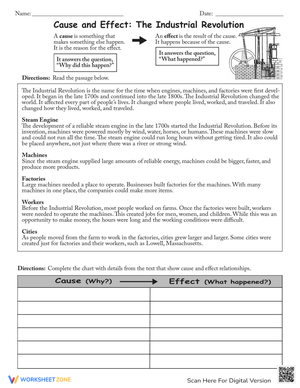
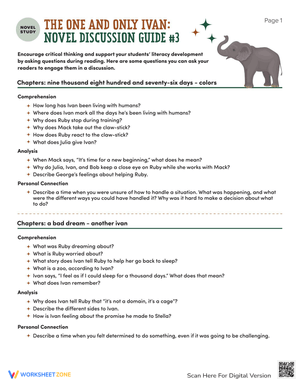
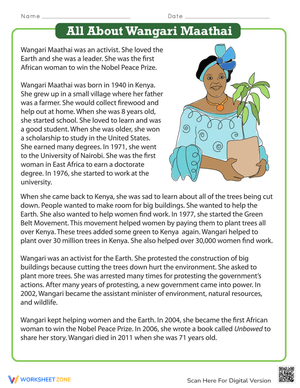
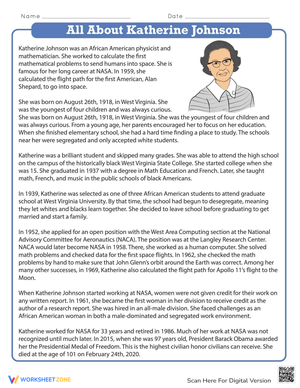
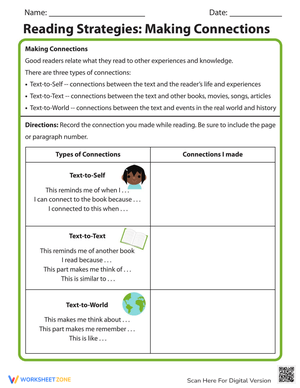
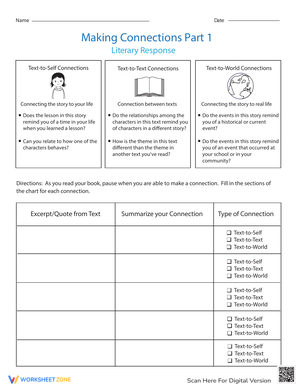
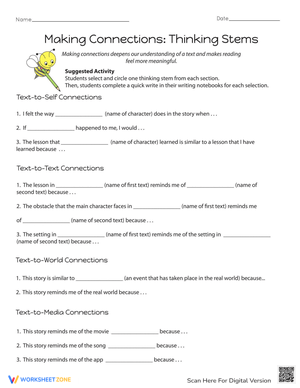
Text-to-self worksheets prompt students to locate a specific passage, write what it calls to mind from their own experience, and answer a follow-up question about what the parallel reveals about the character or theme. That follow-up is the key move—it shifts the response from "this reminds me of my dog" to "this reminds me of feeling responsible for something I couldn't control," which is an actual comprehension insight. Text-to-text worksheets use a side-by-side organizer with the current text in one column, a previously read text in the other, and a third space for naming the shared underlying idea—not just similar surface details, but the common thread beneath them. Text-to-world worksheets open with a background-knowledge box that students complete before they read, giving them something to connect to rather than staring at a blank response space with no prior knowledge activated.
Errors That Show Up Consistently in Student Work
The most reliable mistake across all three connection types: students name the connection but stop before explaining why it matters. A third grader writes "This reminds me of when my grandma was sick" and considers the task complete. That captures recognition, not comprehension. Each worksheet includes a "what does this connection tell you about the text?" prompt specifically to interrupt this pattern—students who still skip that line are the ones to conference with first.
Text-to-text responses produce a second consistent problem: students match surface details instead of themes. Two characters both have younger siblings is a surface match. Two characters both give up something they want so someone else won't suffer is a thematic match. If a class consistently produces the former, the comparison column needs one added instruction—"think about what each character wants, fears, or learns"—and response quality shifts noticeably within the same assignment.
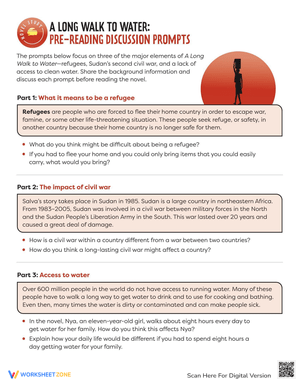
Text-to-world responses reveal background knowledge gaps more than comprehension failures. Students with broader general knowledge fill this section quickly; students without that foundation stop cold. Providing three short "world context" bullet points at the top of a text-to-world worksheet—brief factual notes about the relevant topic—levels the starting point without doing the thinking for anyone.
When and How These Worksheets Fit Into Your Week
The natural launch for each connection type is a think-aloud during read-aloud. Read a few pages, pause, and model the full sequence out loud: name the connection type, identify the specific text moment, describe what it connects to, and explain what that connection reveals. Then distribute the matching making connections in reading worksheets and ask students to try the same sequence with the next section of text independently. Running one launch lesson per connection type—spaced across three separate weeks—builds the internal habit before students work with the worksheets on their own.
After the launch phase, these worksheets fit naturally in three places: literacy center rotations, where one worksheet serves as the center's written task; independent reading conferences, where pulling a worksheet for a student's hardest connection type takes about five minutes; and Monday warm-ups, when students are re-entering a book they set aside on Friday. That re-entry moment is one of the better organic opportunities to prompt connection-making—students are already scanning their memory for where the story left off.
Adjusting the Set for a Range of Learners
For students who are still building fluency, pair each worksheet with a short passage—100 to 150 words—rather than a full chapter. The graphic organizer stays the same; the text load drops. Sentence frames printed on the worksheet ("This reminds me of _____ because _____, and this helps me understand the text because _____") reduce the blank-space paralysis that shuts some readers down before they write a single word. For students who need an additional anchor, marking a specific passage section with a bracket gives them a starting point without removing the thinking.
Advanced readers benefit from a different adjustment: remove the sentence frames and replace the standard prompt with a comparison task—identify one text-to-self and one text-to-text connection for the same passage, then write which one better reveals the theme and explain why. That task lands squarely in RL.4–5 territory. A set of making connections in reading worksheets used this way—with modified prompts for different groups rather than entirely different materials—covers a mixed-ability classroom without requiring separate preparation for each level.
Standard Alignment
Text-to-text connections map directly to CCSS.ELA-LITERACY.RL.3.9, which asks students to compare and contrast themes and settings across stories by the same author, and extend through RL.4.9 and RL.5.9 as the complexity of comparison increases. RL.4.9 broadens the task to similar themes across different cultures and traditions; RL.5.9 asks students to compare how different authors in the same genre approach similar topics—both of which these worksheets support. Text-to-self and text-to-world connections support the College and Career Anchor Standard CCRA.R.9, which begins as basic personal connection in grades 2 and 3 and matures into cross-textual synthesis by grade 5. For informational text, RI.3.9 and RI.4.9 cover equivalent comparison work with nonfiction sources, meaning the worksheets do standards-aligned work whether the text is a picture book or a science article.
In practical classroom terms, text-to-text worksheets are fully aligned even when students are comparing picture books. The standard requires comparison with explanation—it does not specify the complexity level of the texts involved.
Frequently Asked Questions
How often should students use these worksheets?
During the launch phase, once a week per connection type is enough. After students demonstrate the habit independently—meaning they can produce a written connection with explanation without prompting—shift the worksheets to a formative role: a reading conference check-in, a literacy center task every other rotation, or a monthly independent assessment. The worksheets are a means toward internalizing the strategy, not a permanent weekly fixture.
Do these worksheets work with nonfiction texts?
Nonfiction is often better for text-to-world practice than fiction is. A student reading about water scarcity can connect the topic to a drought mentioned in the news, a science lesson from earlier in the year, or a community issue they know about—all legitimate text-to-world moves. The making connections in reading worksheets in this set include response spaces broad enough to handle both narrative and informational text without requiring separate directions for each genre.
How do I evaluate responses without grading for a "correct" connection?
Focus on two things: whether the student points to a specific text moment rather than a general impression of the book, and whether the explanation addresses meaning rather than surface detail. A simple three-point rubric—connection is linked to a specific text moment; explanation is thematic rather than surface-level; response addresses what the connection reveals about the text—covers everything without requiring a subjective call about which connections count as valid. Students who consistently score low on the explanation row are the clearest candidates for small-group follow-up.












 Interactive Worksheet Maker
 Quiz Maker
 Word Search Maker
 Crossword Puzzle Maker
 Word Scramble Generator
 Sentence Scramble Generator
 Handwriting Worksheet Generator
 Name Tracing Generator
 Fill In The Blank Generator