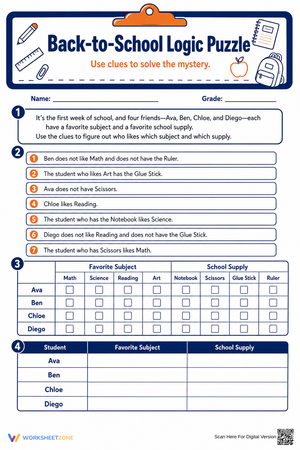
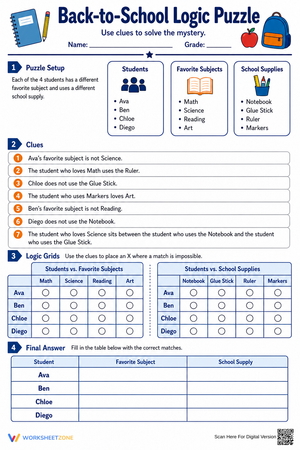
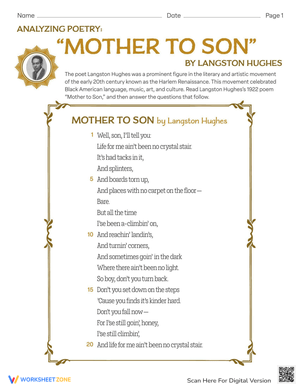
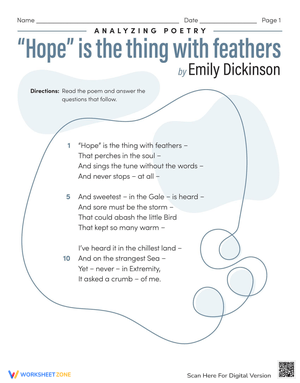
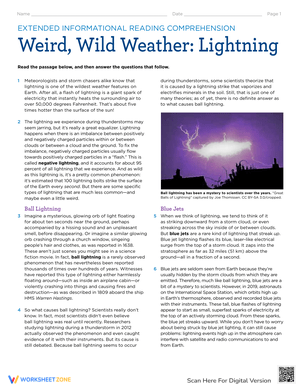
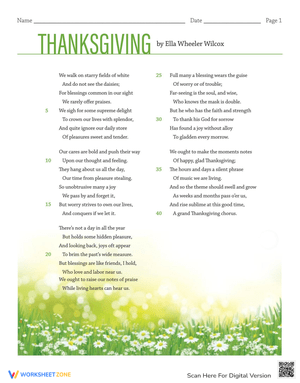
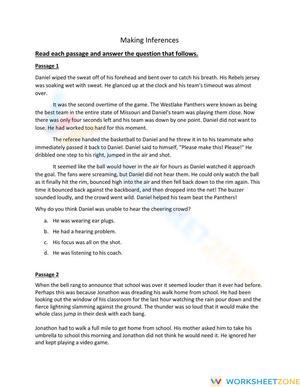
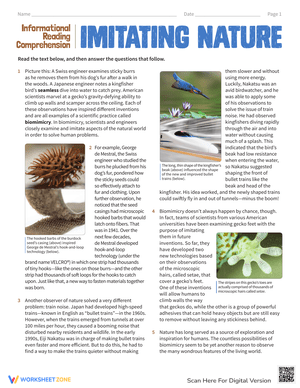
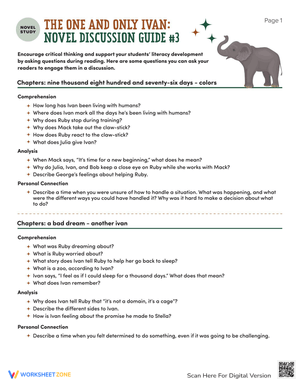
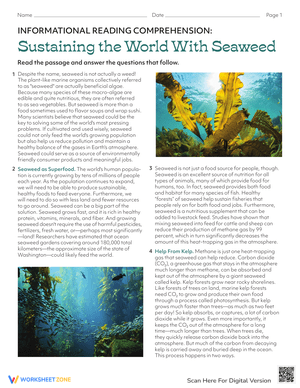
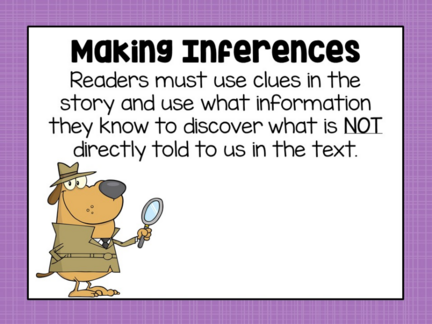
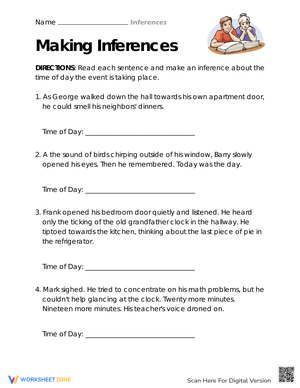
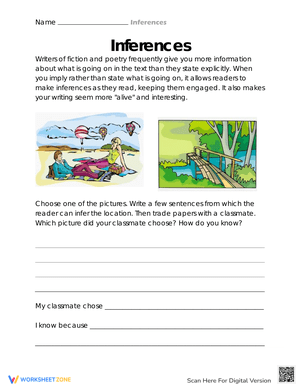
These making inferences worksheets resources give teachers a structured path through one of the most cognitively demanding reading comprehension skills — helping students move from literal recall into the kind of reading where they combine a textual clue with something they already know to reach a conclusion the author never spelled out. The set spans picture-based exercises, short vignettes, and longer passage work, so the reasoning habit builds before text complexity gets in the way of it.
The Specific Skills Targeted Across the Set
Each worksheet isolates a particular inference type rather than collapsing everything into one undifferentiated task. That specificity matters because the cognitive moves involved are actually distinct, and students can struggle with them in different ways.
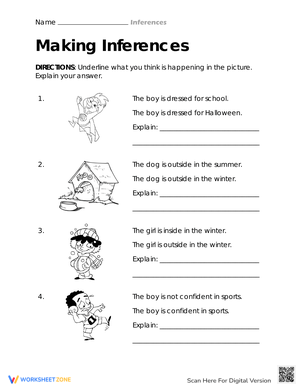
- Visual inference — Students examine a detailed illustration and write what they can conclude about a character's emotion, the setting, or a recent event, then record the specific visual detail that led them there.
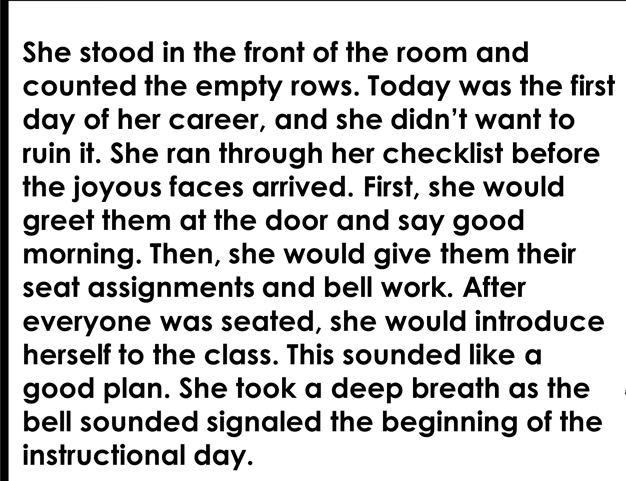
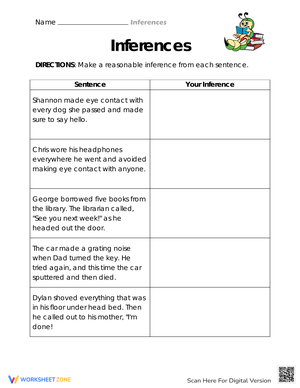
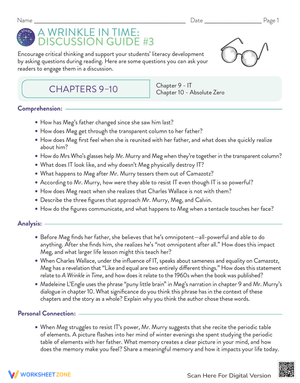
- Character emotion and motivation — Short vignettes ask students to infer how a character feels or why they acted a certain way, using action and dialogue as evidence rather than stated emotion.
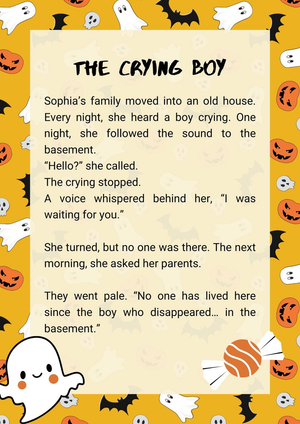
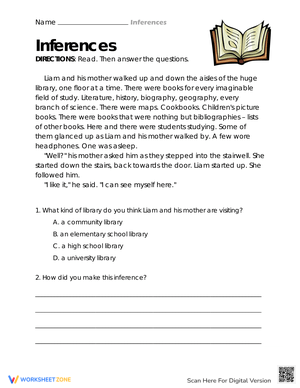
- Setting inference from environmental detail — Students read descriptions of sounds, objects, and weather and name the location without being told what it is.
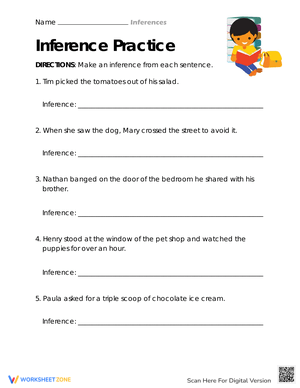
- Real-world scenario inference — Brief scenes from everyday situations ask students to infer what happened just before or just after the described moment.
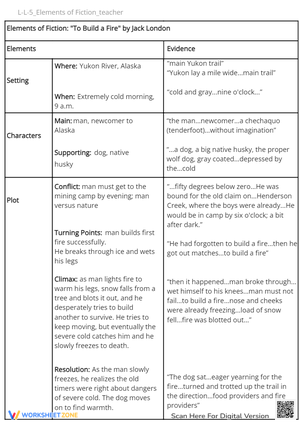
- Implied meaning and theme — Upper-level exercises ask students to explain what a passage implies about a larger idea, citing specific lines as support.
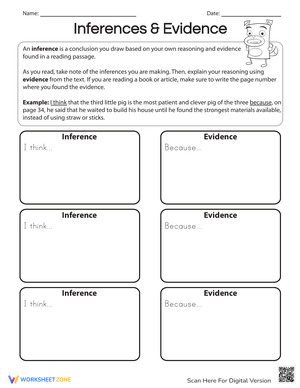
Every worksheet includes a dedicated space for the supporting clue, separate from the inference itself. That requirement distinguishes the practice from guessing — and it makes teacher feedback far more efficient, because the student's reasoning is visible right on the page.
Using Images as an Entry Point Before Prose
The picture-based worksheets do something text exercises cannot: they let students practice the actual reasoning without the interference of decoding. A student who reads at a second-grade level but thinks at a fourth-grade level can demonstrate strong inferential reasoning when the evidence comes from a detailed illustration rather than a printed passage. That distinction matters both for instruction and for assessment — students who struggle with inference are not the same group as students who struggle with reading fluency, and treating those problems as identical leads to the wrong intervention.
The mental structure of image-based inference — "I see ___, so I know ___" — transfers directly to text-based work. Students who have practiced that structure visually move into "The author says ___, so I can conclude ___" with far less resistance. The input changes; the reasoning operation stays the same.
Lesson-Planning Ideas to Get the Most From These Worksheets
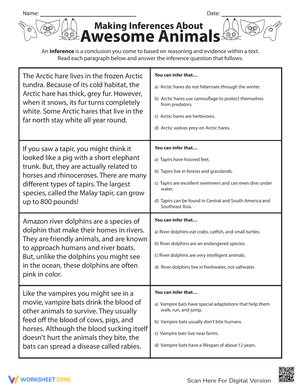
The most durable pattern across a week of instruction is a three-phase approach: a teacher think-aloud on Monday using a shared text, whole-class work on a picture-based exercise Tuesday, then independent or partner practice with the passage-based worksheets from Wednesday through Friday. That spacing matters — the skill needs multiple exposures in different formats before it starts to feel automatic. Treating inference as a single-lesson event means re-teaching it from scratch two weeks later.
One practical note: reaching for a making inferences worksheets immediately after a think-aloud, while the modeled thinking is still in the room, produces stronger student responses than assigning the same worksheet as homework the following night. The connection between the teacher's model and the student's independent task is strongest in that window. Teachers running literacy centers find that rotating different exercise types through stations gives students repeated practice without the repetition feeling like the same task again.
Common Misconceptions to Watch For and Correct
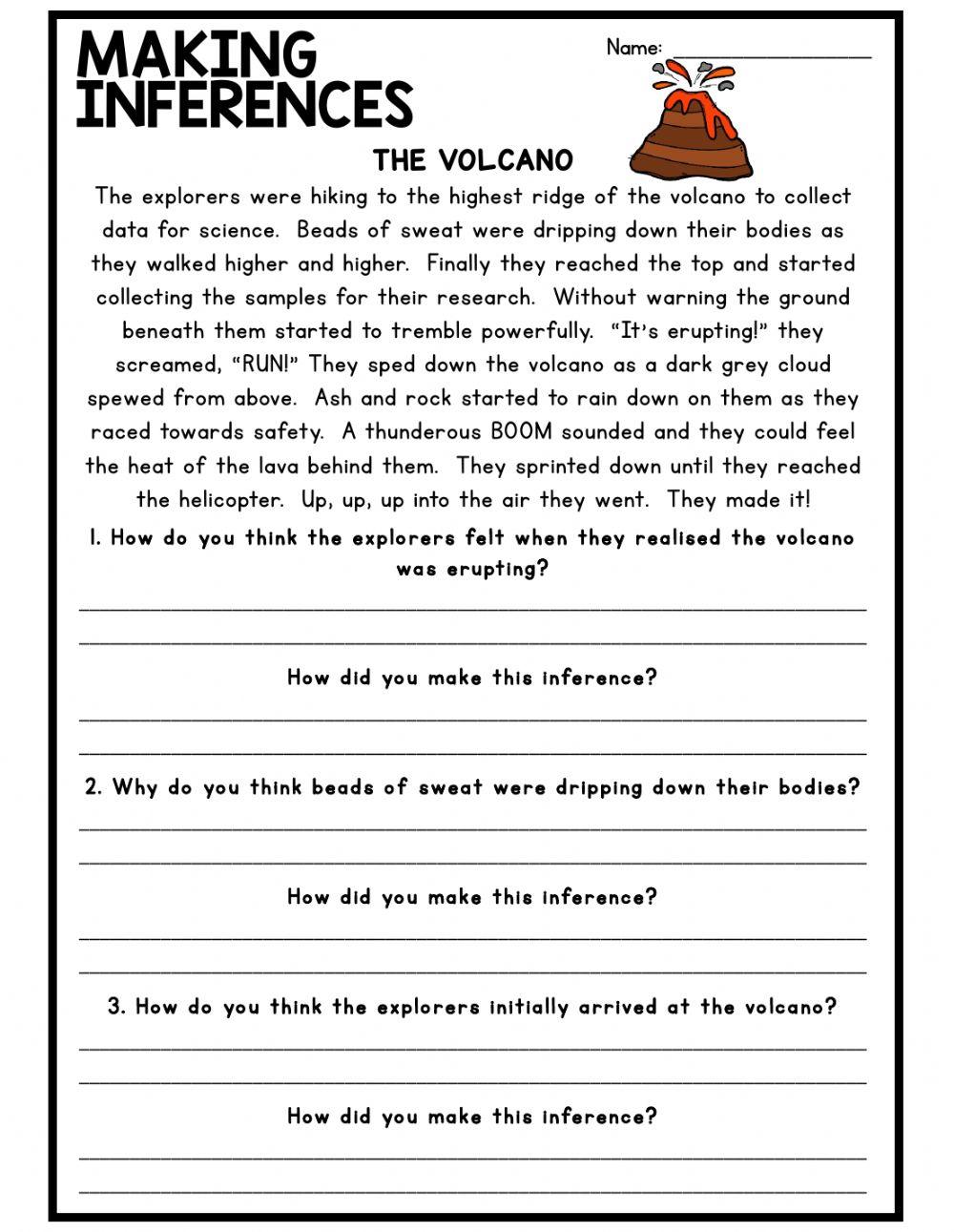
The pattern that appears most consistently in student work is what teachers sometimes call the retell trap: a student copies a sentence directly from the passage and presents it as their inference. They haven't concluded anything — they've quoted. The evidence line on each worksheet makes this visible almost immediately, because when both lines say the same thing, the teacher can point to exactly what happened. "You found the clue — now tell me what it means" is a conversation the format makes easy to have.
A second persistent error is activating prior knowledge without anchoring it to the text at all. A student reads about a character who slams a door after a tense dinner scene and writes, "the character is angry because I slam doors when I'm upset." The personal connection is real, but it's untethered from the passage — the short clipped dialogue, the description of a half-eaten meal pushed aside. That response is closer to prediction from life experience than to inference from textual evidence. Using a making inferences worksheets that requires students to write both the clue and the conclusion side by side makes that gap visible, because the evidence line either contains something from the text or it doesn't.
Standard Alignment
The core worksheets address CCSS.ELA-LITERACY.RL.3.1 and RL.4.1, which require students to ask and answer questions using explicit textual evidence and to draw inferences from what they read. Picture-based exercises also connect to RL.2.7, which asks students to use information from illustrations alongside the text to demonstrate understanding of characters, setting, and plot. In classroom terms, these standards tend to anchor fall comprehension units and resurface whenever students encounter a new genre or a narrator who is emotionally unreliable — which happens more often than any unit plan anticipates.
Differentiating These Worksheets Across Ability Levels
For students who freeze at a blank inference line, the picture-based worksheets are the right first move — they reduce the linguistic demands without reducing the reasoning demands. Adding a printed sentence starter at the top of a making inferences worksheets ("I can tell that ___ because the text shows ___") gives students a structure for their written response without lowering what the task is actually asking them to think through.
Students who move through the standard exercises quickly benefit from a specific extension: after completing a character-inference worksheet, ask them to write a second inference that contradicts the first, then explain which one the text better supports. That task requires weighing competing evidence rather than simply identifying the most obvious conclusion — a meaningfully harder operation. Some students also respond well when an answer key shows two valid inferences for the same passage, because the resulting discussion about what makes both defensible gets closer to actual literary reading than a single correct answer ever will.
Frequently Asked Questions
At what grade level do these worksheets fit best?
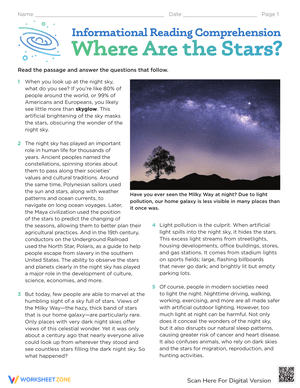
The picture-based worksheets work from late first grade through third grade. Short-passage exercises suit grades 2 through 5, and the implied meaning and theme worksheets reach into grades 5 and 6. The right worksheet for a given student depends more on prior exposure to inference instruction and reading level than on grade alone.
How do I grade these fairly when more than one inference can be valid?
Grade the evidence, not just the conclusion. A student who makes an unexpected inference but cites a specific and relevant textual clue is demonstrating stronger reasoning than a student who writes the expected answer with no supporting detail. A two-part rubric — one column for the inference, one for the textual support — keeps feedback consistent and communicates clearly to students what the standard actually is.
Can students with lower reading fluency still benefit from these?
Yes. Reading the short-passage worksheets aloud while students follow along keeps the inference task intact while removing the decoding barrier temporarily. For students who are not yet reading independently, the picture-based exercises are a legitimate starting point — the reasoning demand is the same even when the medium is visual rather than textual.
Do these work for small-group instruction, or are they mainly for independent practice?
Both. The real-world scenario worksheets are especially productive in small groups: students complete each worksheet independently, then compare their evidence lines. Disagreements about which clue is most relevant generate exactly the kind of discussion where inference reasoning sharpens. For independent practice, the short-passage worksheets give teachers written evidence of each student's reasoning without requiring a group dynamic to make the work meaningful.












 Interactive Worksheet Maker
 Quiz Maker
 Word Search Maker
 Crossword Puzzle Maker
 Word Scramble Generator
 Sentence Scramble Generator
 Handwriting Worksheet Generator
 Name Tracing Generator
 Fill In The Blank Generator