Why Is Analyzing Story Structure Essential for Reading Comprehension?
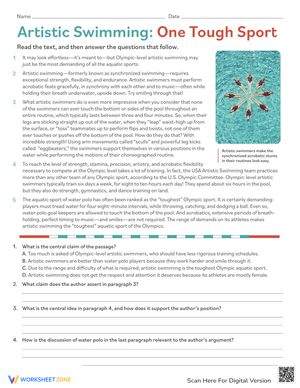
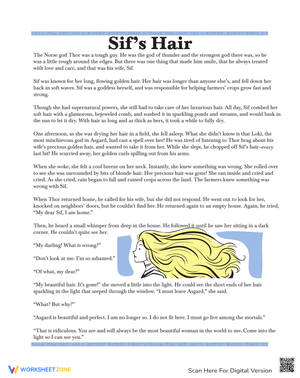
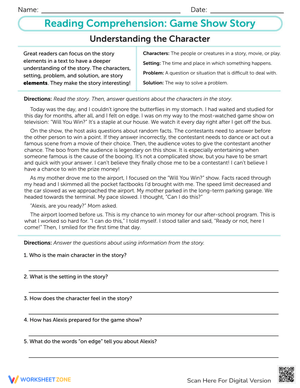
When elementary and middle school learners practice with analyzing story structure worksheets resources, they move beyond basic recall to understand how an author builds tension and resolves conflict. Story structure, often modeled by Freytag's Pyramid, provides a predictable framework that helps young readers anticipate events and make logical inferences about character motivations. By recognizing these patterns, students become more active, engaged participants in the reading process rather than passive consumers of text.
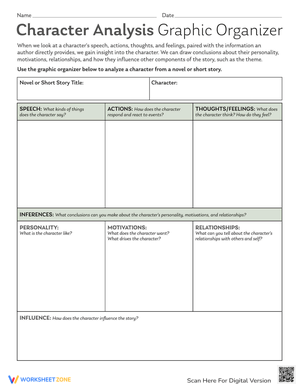
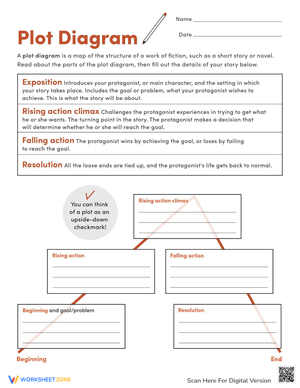
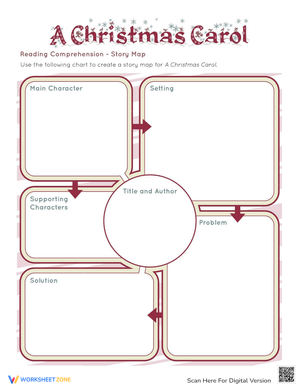
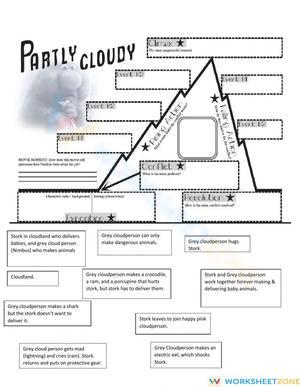
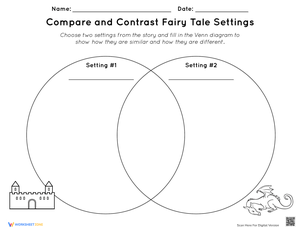
Graphic organizers like plot diagrams are the most effective tools for visualizing the pacing and tension of a narrative. By mapping out the sequence of events, students can visually grasp how the exposition sets the stage, how the rising action builds suspense, and why the climax serves as the turning point. This visual representation turns abstract literary concepts into concrete, manageable pieces of information that children can easily reference and review during class discussions.
According to Reading Rockets: Story Maps, utilizing visual frameworks for story structure can significantly improve a student's ability to retain and organize information from a text. By integrating these plotting strategies into everyday classroom instruction, teachers directly equip students with the analytical tools necessary to tackle increasingly complex literature with confidence.
What Are the Core Elements of a Narrative Arc?
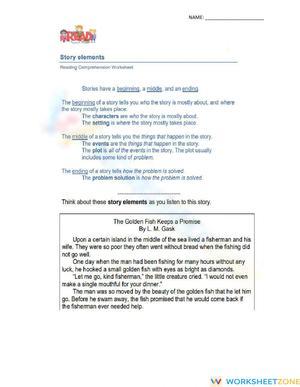
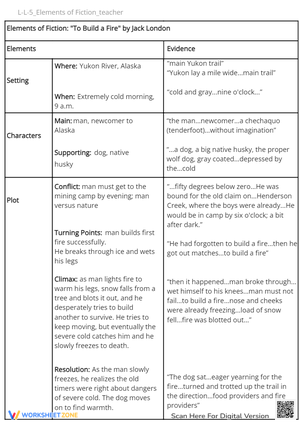
To effectively analyze a text, students must first understand the five essential components of a narrative arc. The exposition introduces the characters, setting, and the initial primary conflict. This opening segment grounds the reader and establishes the rules of the fictional world, making it easier for students to connect with the protagonist's journey from the very first page. A strong exposition provides the necessary background context for the events that follow.
Following the exposition, the rising action comprises a series of events that complicate the initial problem and build suspense. During this phase, characters attempt to solve their problems but often face new obstacles. Identifying these complications on analyzing story structure printable worksheetss helps students recognize how authors maintain reader interest and momentum throughout the middle portion of a book.
The climax is the highest point of tension or the major turning point in the narrative. This is the moment where the main character faces their biggest challenge, and the outcome of the story is determined. Recognizing the climax is often the most exciting part of structural analysis for students, as it represents the peak of the emotional journey and the pivotal moment of decision.
After the climax, the falling action details the immediate consequences of the turning point. The intense excitement begins to settle, and loose ends start to tie up as the characters react to the climax's outcome. It is a transitional phase that guides the reader downward from the story's emotional peak toward a satisfying conclusion.
Finally, the resolution, or denouement, brings the narrative to a close, revealing the final state of the characters and their world. Understanding this complete cycle is essential for deep reading comprehension. It allows students to see the story as a carefully constructed whole rather than a random series of disconnected events.
Using Plot Diagrams to Deepen Student Understanding
Visual learners thrive when abstract literary concepts are translated into structured, graphical formats. These diagrams act as a cognitive map, guiding learners as they plot out the exposition, rising action, climax, falling action, and resolution of their favorite texts. The physical act of writing the events onto a diagram reinforces memory retention and deepens conceptual understanding.
Analyzing narrative structure builds critical thinking, reading comprehension, and creative writing proficiency by forcing students to identify the causal relationships between sequential events. Instead of merely listing what happened, students must articulate why one event triggered the next. This shift from chronological recounting to causal analysis marks a significant developmental milestone in a student's literary education, bridging the gap between passive reading and active critical evaluation.
Incorporating these visual tools into small-group intervention or whole-class instruction allows teachers to quickly assess comprehension. If a student struggles to identify the climax on their graphic organizer, the teacher can immediately intervene and guide them back to the text to re-evaluate the turning point. This immediate feedback loop is invaluable for keeping learners on track and ensuring they grasp the underlying architecture of the story before moving on to more difficult reading assignments.
Connecting Structural Analysis to Creative Writing
The benefits of using story structure materials extend far beyond reading comprehension; they directly impact a student's creative writing abilities. When children understand how professional authors construct a compelling narrative arc, they begin to apply those same architectural principles to their own original stories. They learn that a story needs a strong exposition to hook the reader and a well-developed rising action to maintain interest over multiple pages.
By dissecting the pacing and tension of a narrative, students realize that a climax must be earned through a series of logical, escalating conflicts. They start to move away from writing disjointed, episodic tales and begin crafting cohesive stories with a clear beginning, middle, and end. The plot diagram transforms from a reading assessment tool into a blueprint for their own creative endeavors, providing a structural safety net as they draft.
Teachers can facilitate this connection by having students first map out a familiar story and then use a blank plot diagram to outline their own original narrative. This practice reinforces the concept that all good stories share a fundamental structure. Empowering students to become deliberate authors is a highly rewarding outcome of rigorous structural analysis instruction in the classroom.
Differentiating Instruction for Diverse Learners
In any given classroom, students will possess varying levels of reading proficiency and analytical skills. Worksheets should scaffold the analysis process, beginning with basic sequence identification and moving to complex arc mapping. For struggling readers, teachers can provide partially completed analyzing story structure printable worksheetss where the exposition and resolution are already filled in, leaving only the climax and rising action to be identified. This targeted approach prevents cognitive overload.
Another effective differentiation strategy is to pair visual plot diagrams with short, highly predictable texts before moving on to longer chapter books. This allows students to master the skill of identifying the five narrative components without getting bogged down by complex vocabulary or convoluted subplots. Once the foundational skill is secure, teachers can gradually increase the text complexity, ensuring that students build confidence incrementally at their own pace.
For advanced learners, teachers can remove the scaffolded prompts entirely and ask students to analyze non-linear narratives or stories with multiple interconnected subplots. Challenging advanced students to identify the narrative arc of a secondary character encourages deeper critical thinking and keeps them engaged with the material. Thoughtful differentiation ensures every student benefits from structural analysis instruction, regardless of their reading level.
Classroom Implementation
Integrating these resources into your daily instructional routine requires intentional planning and consistent practice. Introduce the concept of the narrative arc during a whole-class read-aloud. Pause at key moments in the text to explicitly point out the exposition, rising action, and climax. Model how to fill out a graphic organizer on the board, thinking aloud as you categorize each event so students can hear your analytical thought process in real time.
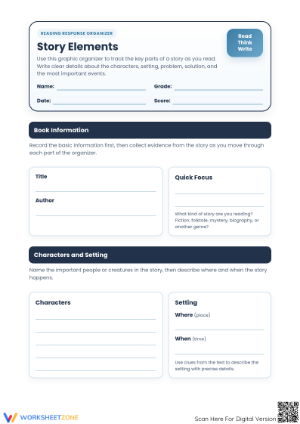
Once students understand the basic framework, transition to guided practice during small-group reading instruction. Provide each student with a blank plot diagram document and a short text tailored to their reading level. Work through the text together, debating which events belong in the rising action and pinpointing the exact moment of the climax. This collaborative approach builds confidence and allows for immediate correction of misconceptions before they become ingrained.
Finally, move to independent practice by incorporating plot analysis into homework assignments or reading centers. Require students to complete a structural breakdown for their independent reading books. Regularly reviewing these completed organizers provides valuable formative assessment data. This highlights which students have mastered the concept and which require additional intervention, allowing you to adjust future lesson plans for maximum impact.
Frequently Asked Questions
1. What are the five essential components of a narrative arc?
The five essential components are the exposition, rising action, climax, falling action, and resolution. The exposition introduces the characters and setting, the rising action builds tension through conflict, the climax serves as the turning point, the falling action deals with the immediate aftermath, and the resolution brings the story to a satisfying close.
2. At what grade level should students begin analyzing story structure?
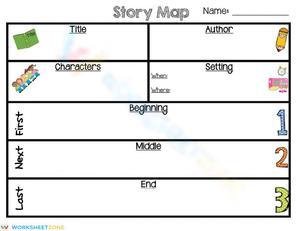
Teachers generally introduce basic sequence identification in early elementary school, focusing on beginning, middle, and end. By third or fourth grade, teachers can begin using graphic organizer resources to introduce the more formal concepts of rising action and climax, gradually increasing the complexity of the texts as students progress into middle school.
3. How can I differentiate plot analysis worksheets for struggling readers?
To support diverse learners, teachers can provide scaffolded graphic organizers that are partially completed. Supplying the exposition and resolution allows struggling readers to focus their cognitive energy entirely on identifying the rising action and the climax. Pairing these differentiated worksheets with shorter, simpler texts also helps build confidence before tackling longer narratives.












 Interactive Worksheet Maker
 Quiz Maker
 Word Search Maker
 Crossword Puzzle Maker
 Word Scramble Generator
 Sentence Scramble Generator
 Handwriting Worksheet Generator
 Name Tracing Generator
 Fill In The Blank Generator