Understanding Literary Elements in the Classroom
Teaching literature requires breaking down complex stories into manageable parts. Literary elements are the fundamental building blocks of a story, providing the structure that makes narratives compelling and meaningful. When teachers introduce these concepts early, students develop the skills necessary for advanced literary analysis and comprehension. Rather than simply reading a text for surface-level enjoyment, students learn to dissect the author's choices, examining how different components work together to convey a specific message or evoke an emotional response.
For middle and high school English teachers, having access to reliable resources is essential for effective instruction. Utilizing a literary elements worksheets gives teachers a concrete way to guide this learning process. These materials offer structured practice, allowing students to transition from abstract concepts to concrete identification within various texts. By consistently integrating these tools into lesson plans, teachers provide the scaffolding needed for students to confidently approach complex novels, short stories, and poems.
Key Components for Literary Analysis
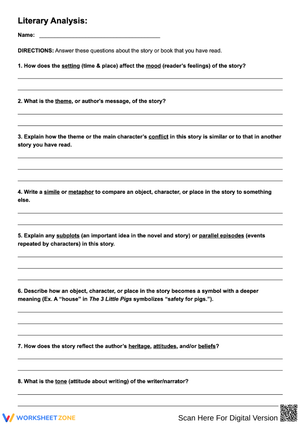
A comprehensive approach to literature involves teaching students to recognize and evaluate various structural components. The most common literary elements include plot, character, setting, theme, point of view, conflict, tone, and style. Each of these elements plays a distinct role in shaping the narrative, and students must understand how they interact. For example, the setting often influences the conflict, which in turn drives the plot and reveals the theme. Recognizing these connections is the hallmark of strong analytical thinking.
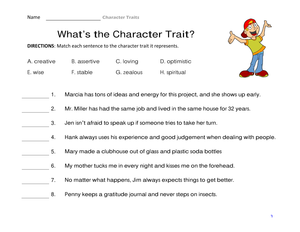
When introducing these concepts, teachers frequently start with the plot diagram, guiding students through the exposition, rising action, climax, falling action, and resolution. This visual representation helps learners organize events logically. From there, instruction typically moves to characterization. Providing targeted practice through specific literary elements worksheets downloads allows teachers to isolate these concepts. Examining a character's dialogue, actions, and motivations provides deep insight into the text's overall meaning.
Types of Literary Elements Worksheets
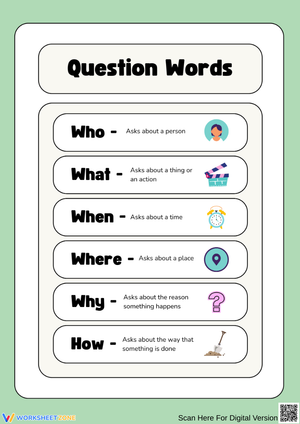
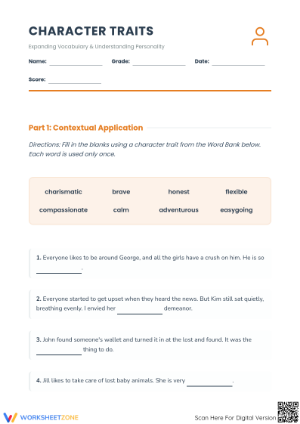
Teachers require a variety of instructional materials to meet diverse learning needs. A definitions worksheet is an excellent starting point for introducing new terminology. These resources typically ask students to match literary elements to their correct definitions or provide examples of each concept. This foundational knowledge is necessary before students can apply the terms to complex texts. Once the terminology is secure, teachers can transition to more analytical tasks.
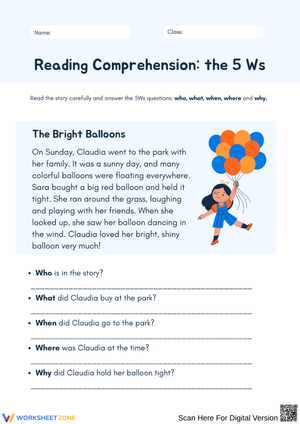
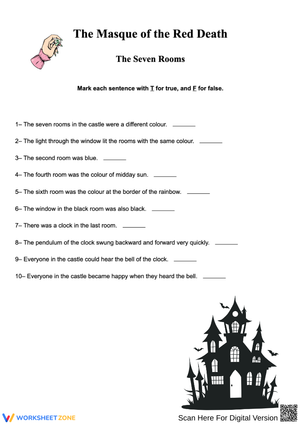
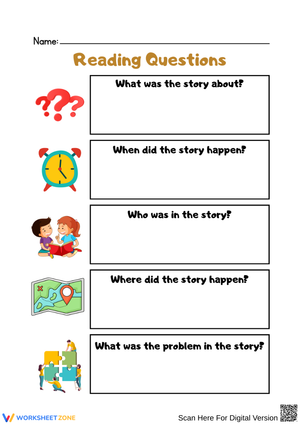
An identification worksheet represents the next step in the learning progression. These materials present short passages or excerpts and ask students to identify the specific literary elements used by the author. For instance, a prompt might ask, "What is the theme of this paragraph?" or "Identify the central conflict in this scene." This type of practice requires students to apply their knowledge in context, moving beyond rote memorization to active literary analysis. Using a literary elements worksheets ensures that formatting remains consistent and easy to read.
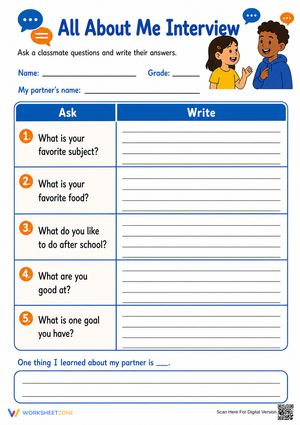
For more advanced practice, a creative writing worksheet challenges students to become the author. These assignments might ask learners to write a short paragraph demonstrating a specific literary element, such as "Write a paragraph with a suspenseful tone" or "Develop a setting that reflects the protagonist's internal conflict." By reversing the process, students gain a deeper appreciation for the author's craft. Additionally, worksheets dedicated to a single element provide focused intervention for students who need extra support in specific areas.
Classroom Implementation
Effectively integrating these resources into daily instruction requires strategic planning. One highly successful approach is using worksheets as guided notes during direct instruction. As the teacher introduces a new concept, students fill in definitions and examples on their printed pages. This active participation helps maintain engagement and provides a reference sheet for future assignments. The fixed format of a literary elements worksheets ensures that every student has the exact same material, minimizing confusion during lesson delivery.
When analyzing standardized test performance, teachers consistently note that students who actively map out story elements before answering multiple-choice questions score significantly higher. Providing dedicated space on a worksheet for this preliminary mapping trains the brain to automatically categorize narrative structures, transforming passive readers into strategic analytical thinkers during high-stakes assessments.
Another effective strategy is using these materials for small-group intervention. Teachers can quickly identify students struggling with specific concepts, such as distinguishing between tone and mood, and pull them into a focused group. Providing a targeted worksheet allows the educator to walk the group through several examples before asking them to complete the remaining items independently. This localized support prevents students from falling behind and ensures that everyone meets the required learning objectives.
Integrating Literary Devices and Elements
While often used interchangeably, students must understand the distinction between elements and devices. Elements are the universal requirements of a story, while devices are the optional techniques an author chooses to use. Teaching students to identify both creates a complete picture of the author's style. For example, a writer might use the device of foreshadowing to build tension leading to the climax, which is a structural element.
According to "The 31 Literary Devices You Must Know - Scribophile", recognizing these structural components allows readers to engage with texts at a deeper level. Teachers report a 40 percent increase in analytical writing proficiency when students actively practice identifying these 31 elements within their daily reading assignments.
By using comprehensive materials, teachers can demonstrate how devices serve the larger elements. A worksheet that asks students to identify metaphors and explain how they contribute to the overall theme provides excellent synthesis practice. This level of analysis is often required in upper-level English courses and standardized testing. Providing clear, printable examples gives students the opportunity to practice this complex skill in a structured format.
Addressing Common Student Misconceptions
When teaching literary elements, several common misunderstandings frequently arise in the classroom. One frequent issue is the confusion between a story's topic and its theme. Students often state that the theme of a book is friendship or war, which are merely topics. Teachers must emphasize that a theme is a complete thought or message the author is conveying about that topic, such as the idea that true friendship can survive the greatest hardships. Providing targeted practice correcting these statements helps solidify the concept.
Students sometimes have difficulty understanding that setting encompasses more than just the physical location. They must learn to analyze the time period, social environment, and weather conditions, all of which contribute to the story's mood and conflict. Using a detailed literary elements worksheets that requires students to identify all aspects of the setting and explain their impact on the narrative ensures a comprehensive understanding of this essential component.
Assessing Student Mastery
Accurate assessment is necessary to ensure that instruction is meeting its goals. While traditional tests have their place, teachers need diverse methods for evaluating student understanding. Formative assessments, such as exit tickets or short matching exercises, provide immediate data on lesson effectiveness. These quick checks allow teachers to adjust their instruction in real-time, preventing minor misunderstandings from becoming major learning obstacles.
Summative assessments should require students to synthesize their knowledge and apply it to a new text. Instead of simply asking for definitions, a strong assessment will present an unfamiliar short story and ask students to analyze its elements. Providing a structured template or a comprehensive worksheet can help students organize their thoughts before writing a formal essay. This scaffolding ensures that the assessment measures their analytical skills rather than their organizational abilities.
Frequently Asked Questions
1. What is the difference between literary elements and literary devices?
Literary elements are the essential, fundamental components found in almost all narratives, such as plot, setting, character, theme, and conflict. A story cannot exist without them. In contrast, literary devices are optional techniques that authors choose to use to enhance their writing, such as metaphors, similes, personification, and alliteration. While elements build the structure, devices add style and flavor.
2. Why is it important to learn about literary elements?
Understanding these components is essential for deep reading comprehension and literary analysis. When students can identify how an author uses setting to influence conflict or how character development reveals the theme, they move beyond surface-level reading. This analytical skill is required for high school and college-level English courses and helps students become more critical thinkers overall.
3. How can I use these worksheets in my classroom?
These resources are highly versatile and can be used in numerous ways. They are excellent for introducing new terminology, providing guided practice during a lesson, or assigning as independent homework. Teachers also use them effectively for small-group intervention when specific students need extra help with a concept, or as quick formative assessments to gauge class understanding.
4. Are these worksheets suitable for all grade levels?
The core concepts remain the same, but the complexity of the tasks and the reading passages can be adjusted. Basic identification and definitions are appropriate for middle school students, while high schoolers can tackle complex analysis, synthesis, and creative application. Worksheets focused on specific elements can easily be adapted to fit the reading level of your current curriculum.
5. Can I use these worksheets for homeschooling?
Absolutely. For homeschooling parents, these materials provide a clear, structured way to teach literature without needing an extensive background in education. The straightforward instructions and focused practice help guide the learning process. Using a printable document ensures that parents can easily print the exact materials they need for their student's current lesson plan.












 Interactive Worksheet Maker
 Quiz Maker
 Word Search Maker
 Crossword Puzzle Maker
 Word Scramble Generator
 Sentence Scramble Generator
 Handwriting Worksheet Generator
 Name Tracing Generator
 Fill In The Blank Generator