The Role of Questioning in Literacy Development
Questioning is the engine of inquiry in the primary classroom. When students learn how to ask and answer Who, What, Where, When, Why, and How questions, they are building the foundation for sophisticated reading comprehension. Teachers recognize that these WH questions are the building blocks of communication, allowing children to participate in meaningful conversations and extract essential information from both fictional narratives and informational texts. For students in grades 1 through 5, mastering question words is a developmental milestone. Younger learners often start with the more concrete concepts of 'Who' and 'What,' which refer to characters and objects they can easily visualize. By providing a structured environment where students can practice these skills, teachers help bridge the gap between simple decoding and deep understanding.
Breaking Down the WH Question Words: A Resource Guide
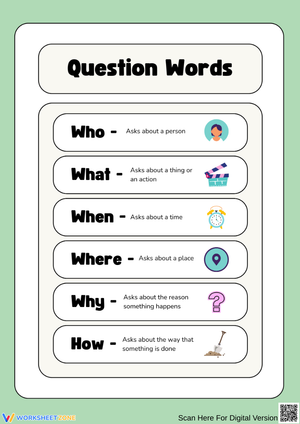
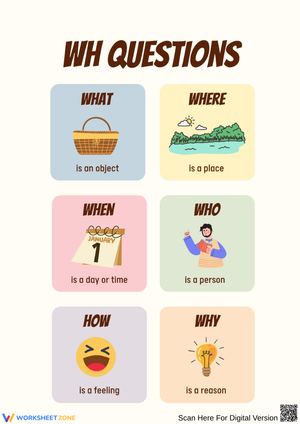
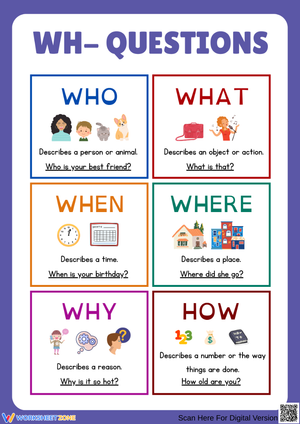
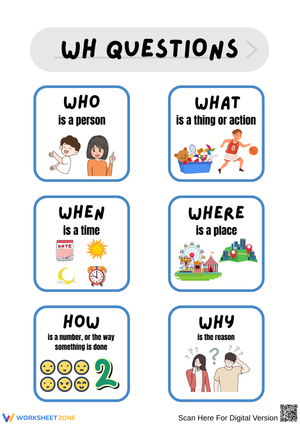
Every WH question word serves a unique function in language. 'Who' is the starting point for most learners, focusing on people, characters, or animals. 'What' is equally foundational, referring to things, actions, or ideas. Together, these two words help students identify the subject and the action of a sentence, which is the first step toward advanced grammar studies. 'Where' and 'When' add necessary layers of context. When a student can identify where an event takes place, they are developing their setting-analysis skills. Similarly, understanding 'When' involves tracking the sequence of events, a key component of narrative summary and historical analysis.
'Why' and 'How' are the tools of the critical thinker. 'Why' asks for reasons or motives, while 'How' explores the manner or process by which something occurs. These are the questions that lead to deeper understanding in the classroom. Because these concepts are more abstract, they often require more scaffolding and varied practice opportunities, which is why having a diverse collection of worksheets is essential for any teacher's toolkit. Using WH questions worksheets versions that include visual aids can significantly benefit English Language Learners who are still building their basic vocabulary.
Scaffolding Instruction with WH Questions Worksheets
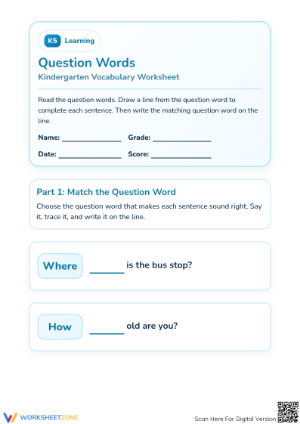
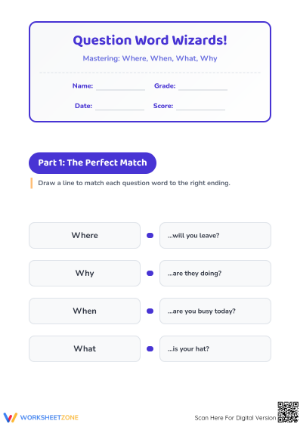
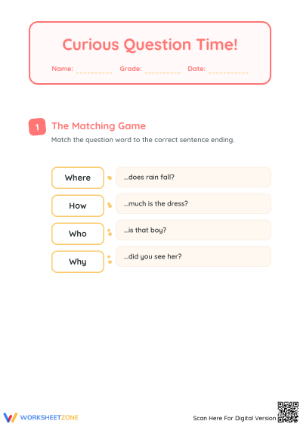
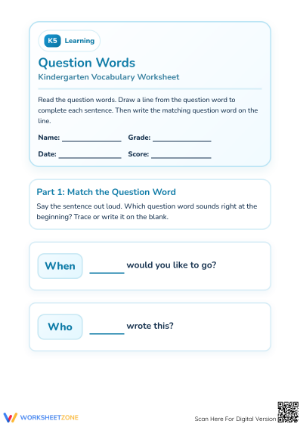
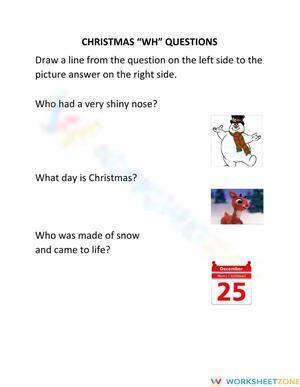
Scaffolding is a fundamental instructional strategy that involves providing temporary support to students as they develop new skills. When it comes to WH questions, scaffolding might start with simple matching exercises where students connect a question word to its corresponding answer type. For instance, matching 'Who' with 'A doctor' or 'Where' with 'The park.' This builds the initial association before moving on to more complex tasks. WH questions worksheets files are perfect for this because they can be easily sorted and distributed based on each student's current proficiency level.
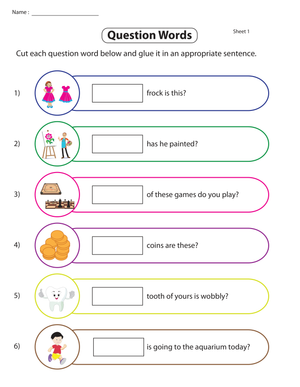
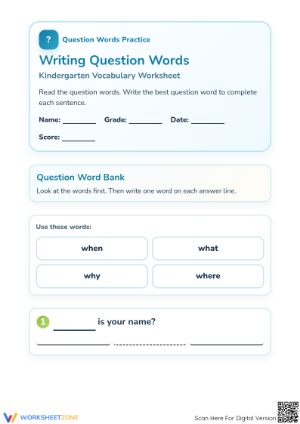
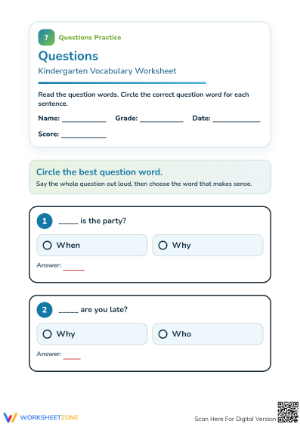
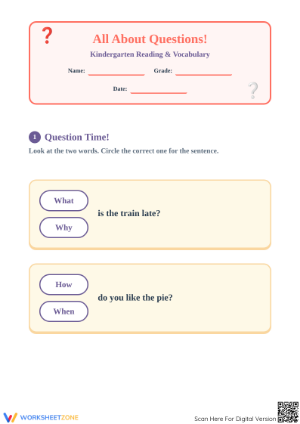
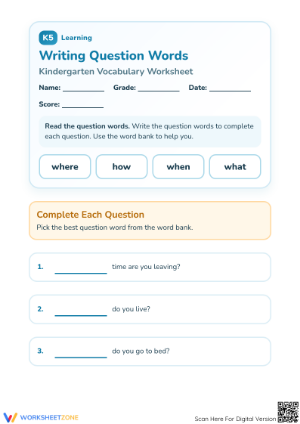
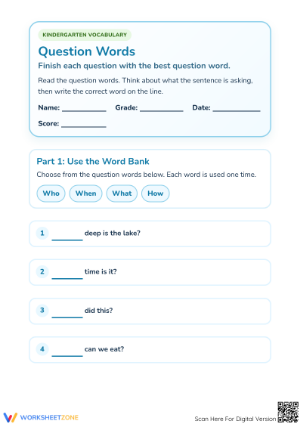
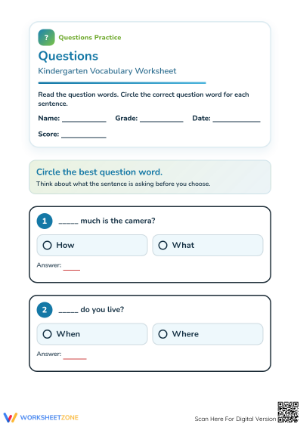
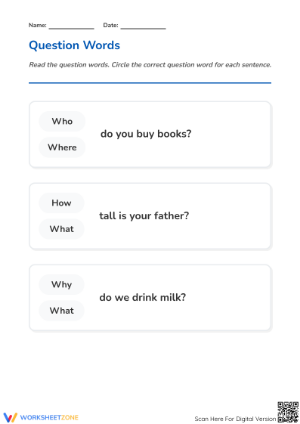
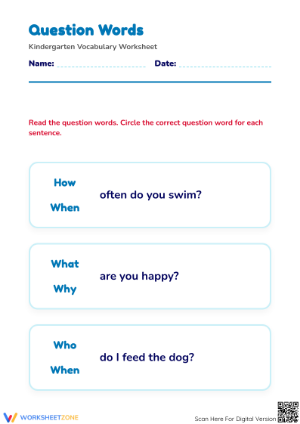
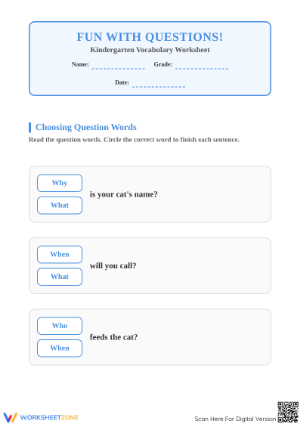
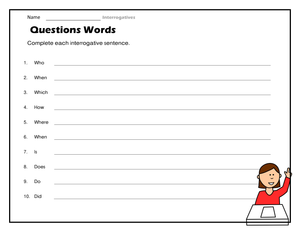
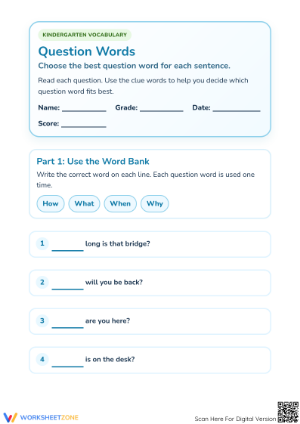
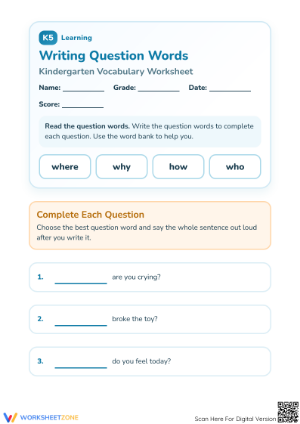
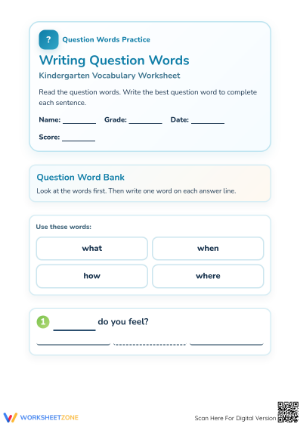
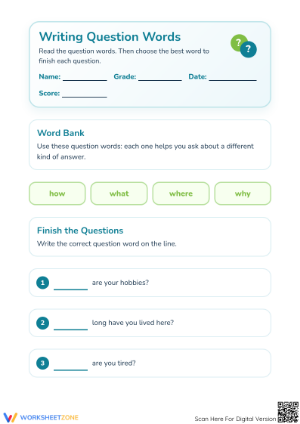
As students become more comfortable, teachers can introduce fill-in-the-blank activities. These require students to select the correct question word for a given sentence. This step moves from recognition to application, forcing the student to consider the context of the sentence to determine which information is missing. The final stage of scaffolding involves sentence production and open-ended questioning. Students can be given a short passage and asked to write different WH questions based on what they just read. By using a variety of WH questions worksheets options, teachers can ensure that they have materials for every stage of this process.
Activity Types for Every Classroom Learning Level
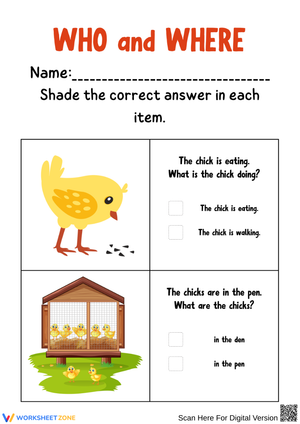
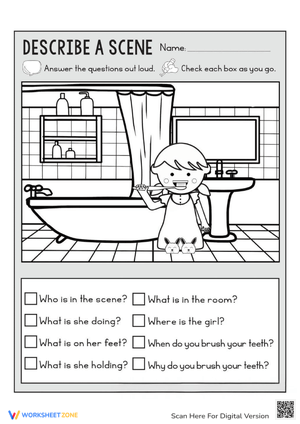
Diversity in activity types is key to maintaining student engagement and catering to different learning styles. Visual learners excel when using worksheets that include illustrations. A picture of a boy playing with a ball can prompt multiple questions: 'Who is playing?' or 'What is he playing with?'. These visual prompts help ground abstract question words in concrete reality, making it easier for students to make connections. Many teachers prefer WH questions worksheets collections that prioritize these visual-linguistic pairings to support their visual thinkers.
Kinesthetic and social learners benefit from worksheets adapted into interactive games. A worksheet featuring a 'WH question wheel' can be used as a template for a classroom activity where students spin the wheel and ask their partner a question. According to Grammarism, offering a diverse set of 184 free WH questions worksheets allows teachers to target specific syntactic structures. This variety ensures that students across different proficiency levels receive enough practice to internalize question formation patterns effectively without repetitive boredom.
Integrating WH Questions into Reading Comprehension
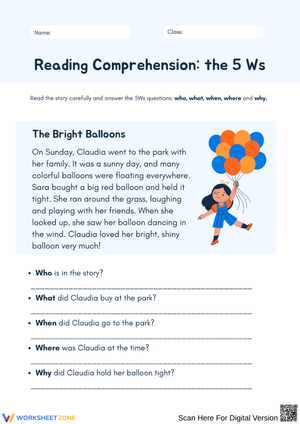
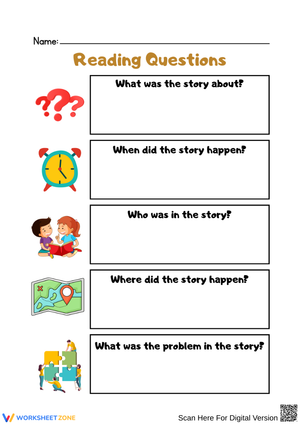
Reading comprehension is the ultimate goal of literacy instruction, and WH questions are the primary tool used to measure it. When a student reads a story, their ability to answer questions about the plot, characters, and setting indicates how well they have understood the material. Teachers often use WH questions worksheets sets as a follow-up to shared reading or read-aloud sessions. This helps students focus on the most important parts of the story and encourages them to pay closer attention to detail during the reading process, encouraging a deeper connection with the text.
Furthermore, these worksheets can be used to teach students how to find evidence in the text. When answering a 'Why' question, a student should be able to point to the sentence or paragraph that provided the answer. This skill, often referred to as 'close reading,' is a cornerstone of modern educational standards. By practicing with targeted worksheets, students learn that the answers to their questions are grounded in the words on the page. This builds their confidence as readers and helps them become more independent in their learning journey.
Unique Insights into Questioning Patterns and Acquisition
Understanding the nuances of how children acquire question words can help teachers refine their instructional strategies. Research into early childhood development suggests that the order in which these words are learned is relatively consistent across different languages. By aligning their curriculum with this natural progression, teachers can create a more intuitive learning experience. This is where a well-structured set of WH questions worksheets can be a massive asset in the classroom, providing the right challenge at the right time.
Teachers often find that students master 'Who' and 'What' approximately 15% faster than 'Why' and 'When' because the latter require higher-order temporal and causal reasoning. Focusing early intervention on these abstract markers can bridge the comprehension gap more effectively. This data point suggests that while it is important to cover all question words, giving extra attention and practice time to the more complex concepts can lead to better overall literacy outcomes for the entire class.
Teacher Tips and Classroom Implementation
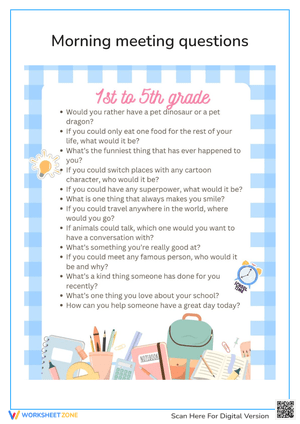
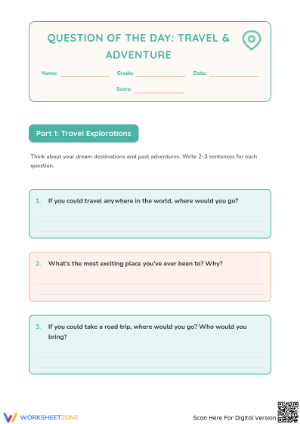
Implementing WH questions worksheets into a busy classroom schedule requires a bit of planning. One effective strategy is to create a 'Question of the Day' board. Each morning, a different WH question is posted, and students use a printable worksheet to write or draw their answer. This provides a consistent, low-stakes way to practice every day. Teachers can then collect these worksheets to use as a quick formative assessment of the class's progress. This routine helps normalize the act of questioning and makes it a fun part of the school day.
Another tip is to use these worksheets during small-group intervention time. For students who are struggling with specific question words, a targeted worksheet can provide the focused practice they need. Teachers can work closely with these students, modeling how to identify the question word and how to find the answer in a text or picture. The printable nature of WH questions worksheets files means that teachers can easily provide students with extra copies to take home for additional practice with their parents, supporting a stronger home-school connection.
Frequently Asked Questions
1. What are the core WH question words for elementary students?
The core question words typically taught in elementary school are Who, What, Where, When, Why, and How. 'Who' refers to people, 'What' to things, 'Where' to locations, 'When' to time, 'Why' to reasons, and 'How' to processes. Mastering these six words is fundamental for basic communication and reading comprehension in the primary grades.
2. How can I differentiate instruction using WH questions worksheets?
Differentiation can be achieved by selecting worksheets that match each student's current proficiency level. For beginners, use worksheets with heavy visual support and simple matching tasks. For intermediate learners, provide fill-in-the-blank options. For advanced students, use open-ended questions based on complex reading passages. This ensures that every student is appropriately challenged and supported.
3. Why are WH questions important for ESL learners?
WH questions provide a clear, predictable structure for language acquisition. For ESL learners, these words act as 'anchor points' that help them navigate unfamiliar texts and social situations. By focusing on these core words, teachers can help these students build a functional vocabulary and develop the confidence to ask for help and participate in classroom discussions effectively.
4. At what grade level should teachers introduce 'Why' questions?
While 'Who' and 'What' are often introduced in Kindergarten, 'Why' and 'How' usually become a primary focus in 2nd and 3rd grade. This is when students' cognitive abilities have developed enough to handle abstract concepts like causality. However, it is always beneficial to expose younger students to these questions through oral discussion to build their intuitive understanding early on.
5. Can WH questions worksheets be used for assessment?
Yes, these worksheets are excellent tools for both formative and summative assessment. They provide a clear record of a student's ability to identify and use question words correctly. Teachers can use completed worksheets to track progress over time, identify areas where a student might need extra help, and share concrete evidence of learning during parent-teacher conferences.












 Interactive Worksheet Maker
 Quiz Maker
 Word Search Maker
 Crossword Puzzle Maker
 Word Scramble Generator
 Sentence Scramble Generator
 Handwriting Worksheet Generator
 Name Tracing Generator
 Fill In The Blank Generator