Mastering Figurative Language in the ELA Classroom
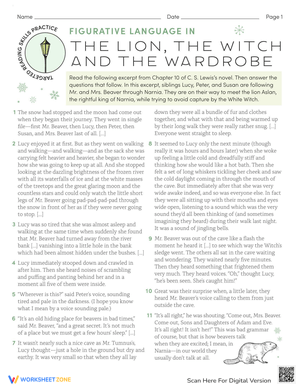
Figurative language serves as the color on a writer’s palette, allowing students to move beyond the literal and into the realm of imaginative expression. For teachers, teaching these concepts is more than just helping students identify metaphors or similes; it is about providing them with the tools to unlock deeper meanings in literature and improve their own creative output. Using figurative language worksheets resources provides a structured way for students to practice these skills consistently, whether they are in elementary school learning about basic comparisons or in high school analyzing complex poetic devices.
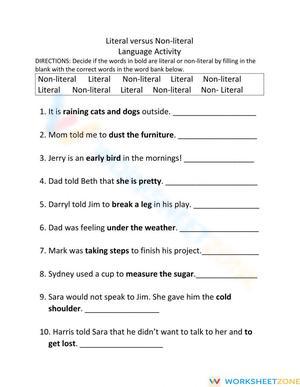
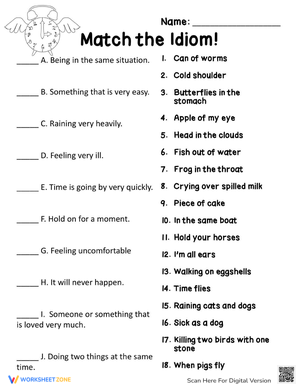
The shift from literal to figurative thinking is a significant developmental milestone in language acquisition. When students realize that a phrase like 'it's raining cats and dogs' doesn't actually involve falling animals, they begin to understand the nuanced layers of communication. This understanding is foundational for reading comprehension, especially as texts become more sophisticated and rely heavily on subtext and imagery. By integrating varied practice opportunities, teachers can ensure that students don't just memorize definitions but actually internalize how language functions in different contexts.
Essential Types of Figurative Language for Student Mastery
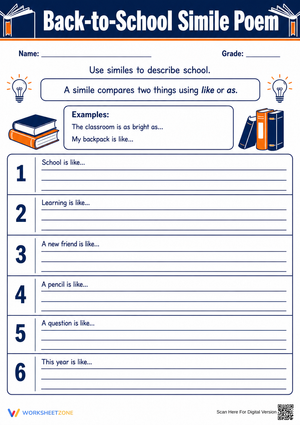
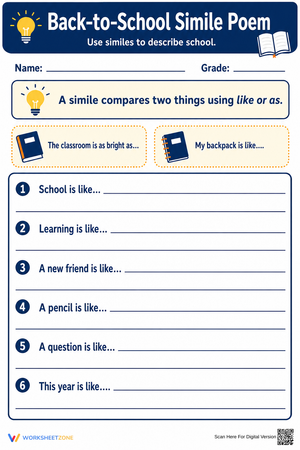
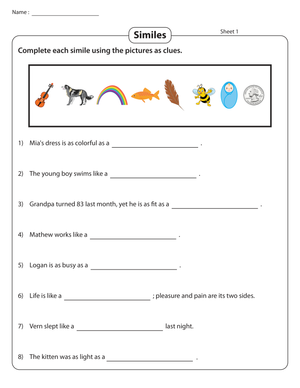
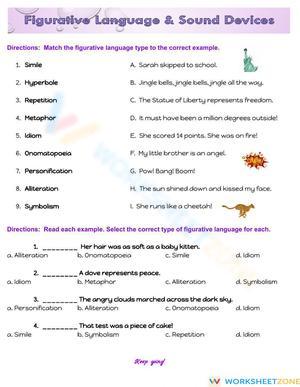
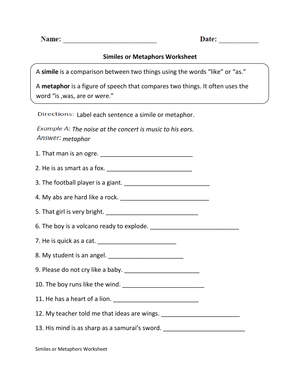
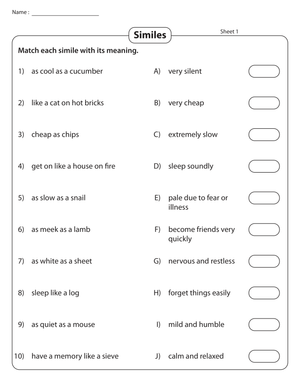
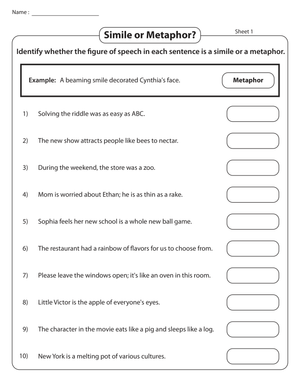
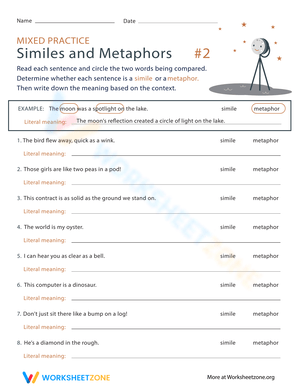
To build a strong foundation, students must become proficient in identifying several core types of figurative language. Similes and metaphors are usually the first introduced, as they rely on comparisons that students can easily visualize. A simile uses 'like' or 'as' to connect two unlike things, while a metaphor makes a direct statement that one thing is another. Understanding the subtle difference between these two is a key early step in literary analysis. Worksheets that provide clear examples and ask students to create their own comparisons can reinforce these distinctions effectively.
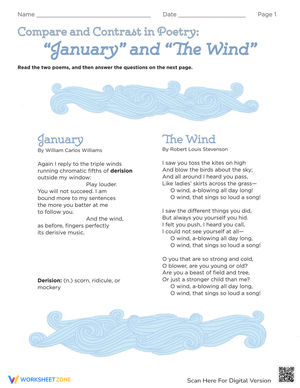
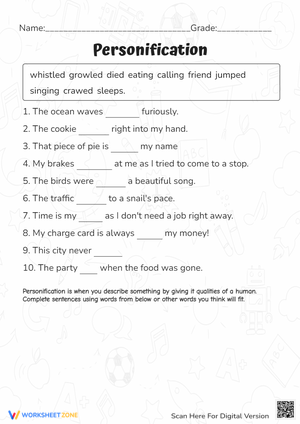
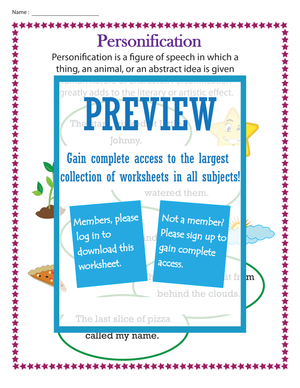
Personification and hyperbole add further depth to a student's linguistic repertoire. Personification gives human qualities to inanimate objects or abstract ideas, making descriptions more relatable and vivid. Hyperbole, on the other hand, uses extreme exaggeration to make a point or add humor. Both are frequently found in contemporary fiction and poetry, and students often enjoy the creative freedom these devices allow. Practicing with a figurative language worksheets that focuses on these elements helps students see how authors use them to evoke specific emotions or emphasize certain themes.
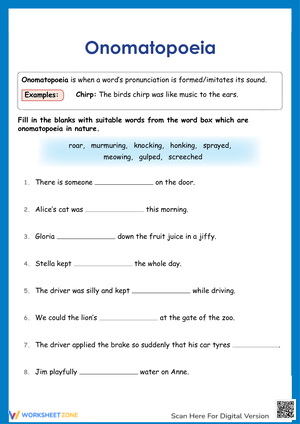
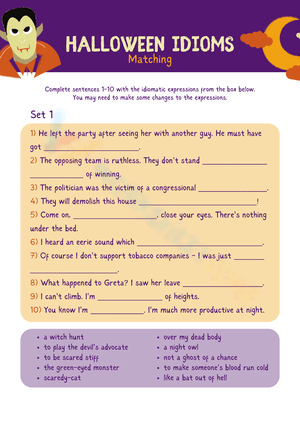
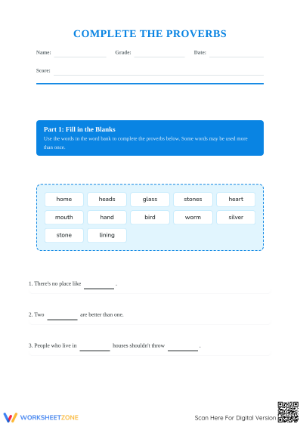
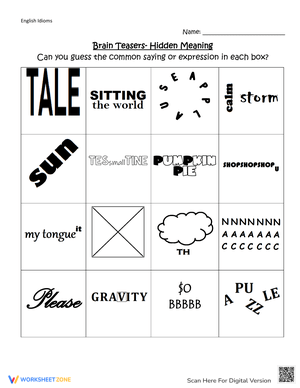
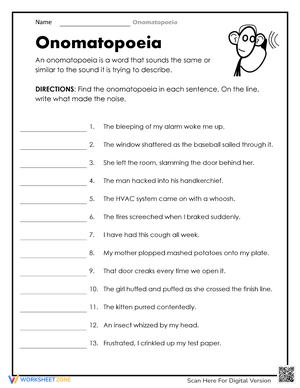
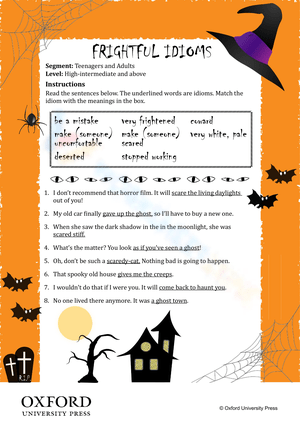
Idioms and onomatopoeia are also vital components of effective communication. Idioms are cultural expressions whose meanings cannot be understood from the literal words alone, while onomatopoeia involves words that mimic the sounds they describe. These devices are particularly common in younger grade-level texts but remain relevant through high school as students analyze how sound and cultural context influence meaning. Exercises that require students to illustrate idioms or identify sound words in a passage can make these lessons interactive and memorable.
According to What Is Figurative Language? Definition and Examples (https://www.masterclass.com/articles/what-is-figurative-language), figurative language is a way for writers to express themselves in a more creative and impactful manner, moving beyond literal descriptions to create a more immersive experience for the reader. This source notes that by using these devices, authors can build more complex characters and settings that resonate with their audience on an emotional level.
Scaffolding Literary Analysis with Figurative Language worksheets
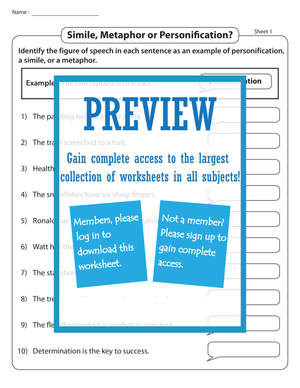
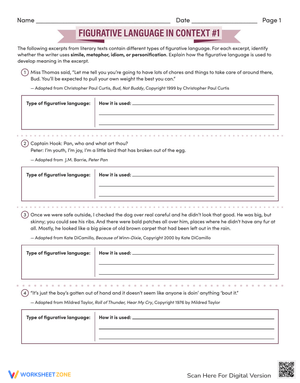
Effective instruction requires scaffolding that moves students from simple identification to deep analysis. Initially, students might use a figurative language worksheets to circle examples of similes or underline personification in a series of sentences. This builds the basic recognition skills necessary for more advanced work. As they become more comfortable, teachers can introduce worksheets that ask them to explain the effect of a specific device. For instance, instead of just finding a metaphor, a student might explain why the author compared a character’s anger to a simmering volcano.
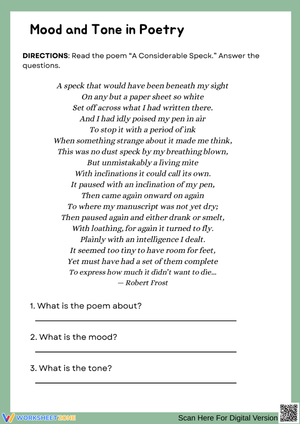
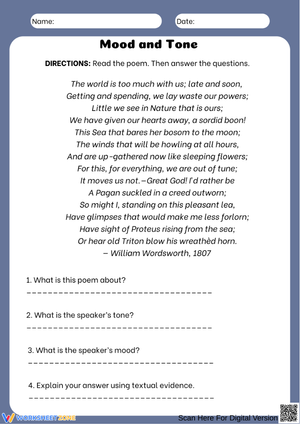
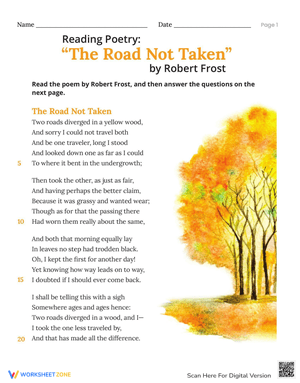
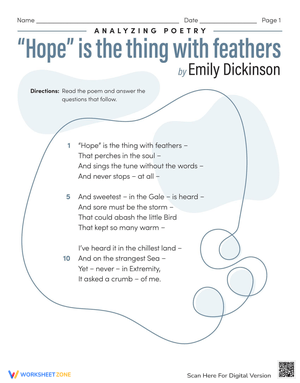
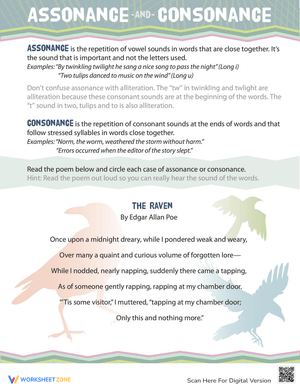
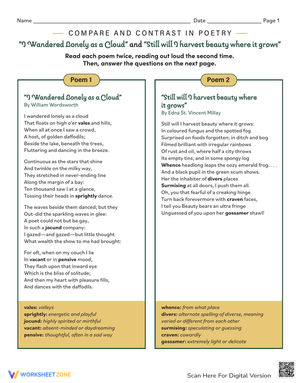
Analysis also involves understanding the 'why' behind an author’s choices. Why did the poet use an oxymoron here? What does the use of alliteration contribute to the rhythm of the piece? These questions push students toward higher-order thinking skills. A well-designed figurative language worksheets will include prompts that encourage this kind of critical inquiry. By consistently asking students to justify their interpretations with evidence from the text, teachers can help them develop the habits of mind necessary for academic success in all subjects.
Integrating Creative Application in Figurative Language Practice
While identification and analysis are important, students truly show mastery when they can use figurative language in their own writing. Creative application should be a regular part of any ELA curriculum. Worksheets can serve as a springboard for this, providing 'sentence starters' or specific scenarios that require the use of a particular device. For example, a worksheet might ask a student to describe a stormy night using personification and hyperbole. This transition from passive recognition to active creation is where the most significant learning occurs.
Addressing Common Obstacles in Figurative Language Instruction
One of the most frequent challenges teachers face is students' tendency to interpret everything literally. This is especially true for younger learners or English language learners who may not have the cultural background to understand certain idioms. To overcome this, teachers can use a figurative language worksheets that specifically pairs literal meanings with figurative ones. Visual aids and drawing exercises can also help bridge this gap, allowing students to see the 'picture' the words are trying to create.
Data from classroom assessments indicate that students who receive explicit instruction in identifying figurative language elements within isolated sentences before tackling full-length literary texts show a 30 percent higher proficiency rate in standardized reading comprehension exams. This suggests that building a strong micro-level understanding of these devices is a prerequisite for successful macro-level textual analysis.
Teacher Tips for Implementing Figurative Language Lessons
When planning your next unit, consider starting with a 'figurative language scavenger hunt' where students look for examples in their favorite songs, movies, or advertisements. This shows them that these devices are not just for old poems but are used everywhere in modern communication. Following this up with a structured figurative language worksheets helps ground their observations in academic terminology and provides a clear framework for further study.
Finally, remember that figurative language instruction should be ongoing rather than a one-time event. Revisit these concepts throughout the school year, integrating them into every novel study, poetry unit, and writing workshop. Regular use of a figurative language worksheets for quick warm-ups or exit tickets can keep these skills sharp. By making figurative language a constant part of the classroom conversation, you help students become more sophisticated readers and more expressive writers.
Frequently Asked Questions about Figurative Language Resources
1. How do these worksheets help with standardized testing?
Standardized tests frequently require students to identify figurative language and explain its effect on the text. Regular practice with a figurative language worksheets familiarizes students with the types of questions they will encounter, helping them build the speed and accuracy needed for success on these assessments. By focusing on both identification and analysis, these resources ensure students are well-prepared for any format the test might take.
2. Are these materials suitable for remote or hybrid learning?
Yes, because these resources are provided in a portable format, they are excellent for remote or hybrid settings. Teachers can easily distribute a figurative language worksheets through digital platforms, and students can print them out or view them on their devices. This flexibility ensures that regardless of the learning environment, students have access to high-quality, structured practice materials that support their ongoing language development.
3. Can these worksheets be used for English Language Learners?
Absolutely. Many figurative language worksheets resources are designed with diverse learners in mind, offering visual supports and simplified examples to help explain complex concepts. For ELL students, practicing with idioms and metaphors in a structured way is vital for developing cultural fluency and a deeper understanding of English nuances. Teachers can select specific worksheets that target the needs of their ELL population to provide effective, differentiated instruction.
4. What is the best way to grade these assignments?
While some identification tasks have clear right or wrong answers, creative application and analysis prompts are better suited for rubric-based grading. Look for how well the student has applied the specific device and whether their explanation shows an understanding of its effect on the reader. Using a figurative language worksheets that includes clear criteria for success can help make the grading process more transparent and consistent for both teachers and students.
5. How often should students practice with these materials?
Consistency is more important than duration. Short, 10-15 minute sessions several times a week using a figurative language worksheets can be more effective than a single long lesson once a month. This regular exposure helps keep the concepts fresh in students' minds and allows for continuous reinforcement of their skills. Integrating these exercises into daily warm-ups or as part of a weekly 'word work' rotation is a highly effective implementation strategy.












 Interactive Worksheet Maker
 Quiz Maker
 Word Search Maker
 Crossword Puzzle Maker
 Word Scramble Generator
 Sentence Scramble Generator
 Handwriting Worksheet Generator
 Name Tracing Generator
 Fill In The Blank Generator