Effective Use of Language printable worksheets in the Classroom
Language printable worksheets are more than just supplemental tools; they are foundational assets in a teacher's toolkit for developing literacy skills. In a busy classroom, having access to structured materials allows teachers to focus on direct instruction while providing students with the concrete practice they need to master complex linguistic rules. Whether you are teaching subject-verb agreement to third graders or rhetorical devices to high schoolers, these resources offer a consistent framework for evaluation and progress tracking.
Using these printables helps bridge the gap between initial instruction and independent mastery. When a teacher introduces a new concept like metaphors or punctuation, students often need immediate reinforcement. Distributing language printable worksheets immediately after a mini-lesson ensures that the information is applied while it is still fresh. This workflow reduces the likelihood of students internalizing incorrect habits and gives the teacher an opportunity to circulate and provide real-time corrections.
Scaffolding Literacy Skills with Grade-Specific Resources
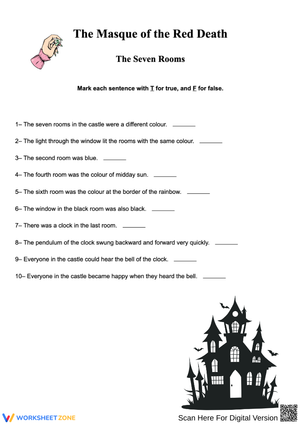
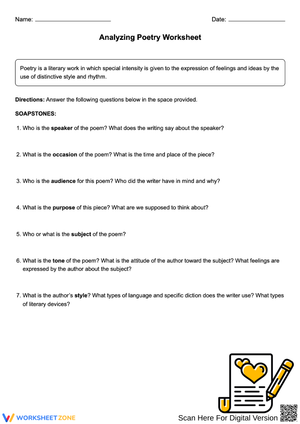
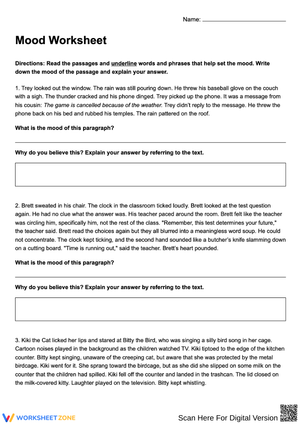
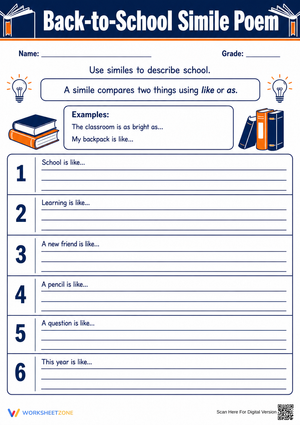
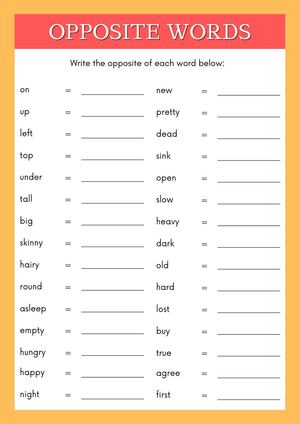
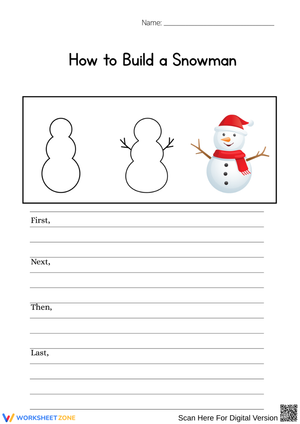
The beauty of language printable worksheets lies in their ability to be tailored to specific developmental stages. For early elementary students, the focus is often on phonics, basic sentence structure, and vocabulary acquisition. Worksheets at this level use simple instructions and visual cues to help young learners connect spoken words with written symbols. As students progress into middle and high school, the complexity of these printables increases to include advanced grammar, literary analysis, and persuasive writing techniques. This logical progression ensures that students are always challenged but never overwhelmed.
Scaffolding is a fundamental principle in education, and language printable worksheets are perfect for this approach. A teacher can start with a highly structured worksheet that provides plenty of examples and then move toward more open-ended activities as the students gain confidence. By providing a clear roadmap for skill acquisition, these resources help students see their own growth over time.
Benefits of Physical Paper in a Digital World
While many classrooms are moving toward digital platforms, the value of physical language printable worksheets remains high. There is a distinct cognitive advantage to writing by hand. Studies suggest that the tactile experience of using a pen or pencil on paper helps with memory retention and fine motor skill development. For many students, the lack of digital distractions allows for deeper focus on the linguistic task at hand. When a student is working on a physical sheet, they are not tempted by other browser tabs or notifications, leading to a more immersive learning experience.
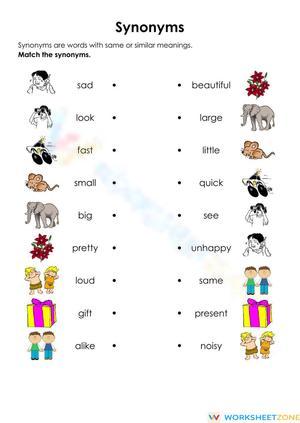
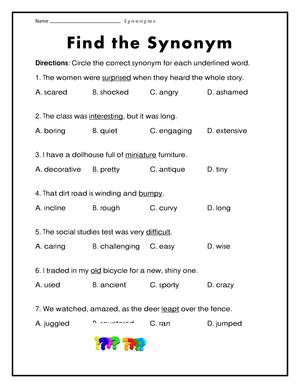
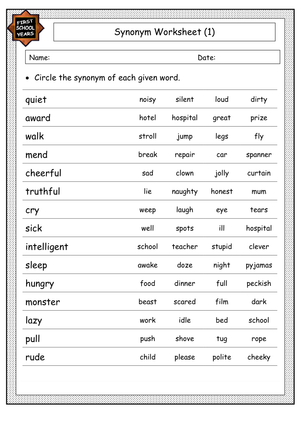
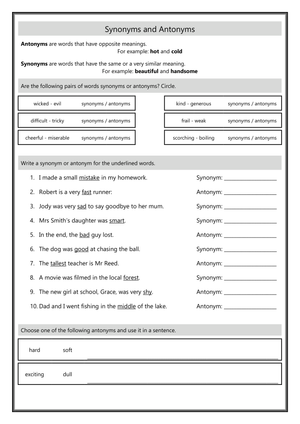
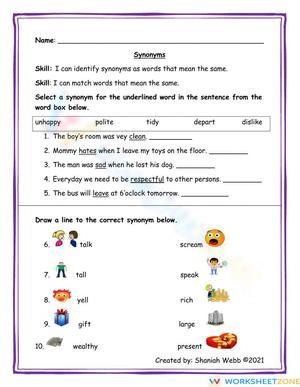
Furthermore, physical materials support tactile learning in ways that screens cannot. Highlighting parts of speech, circling errors in a sentence, or drawing lines to match synonyms are all physical actions that help anchor abstract concepts in the mind. Teachers also find it easier to monitor progress when they can see a student's work at a glance from across the room. Marking up a paper worksheet allows for a more fluid interaction between teacher and student, as corrections and encouraging notes can be added instantly in the margins.
Supporting Diverse Learners Through Differentiated Practice
Every classroom is composed of students with varying needs, and language printable worksheets are excellent for differentiation. Teachers can easily assign different versions of a worksheet based on a student's current proficiency level. For English Language Learners (ELLs), worksheets might include more visual aids or simplified instructions to help them access content. For advanced students, the same topic can be presented with more complex vocabulary or higher-order thinking questions to keep them engaged and pushing their limits.
This flexibility is vital for inclusive education. By using language printable worksheets that address different learning styles, teachers can ensure that no student is left behind. Kinetic learners benefit from the physical act of writing, while visual learners appreciate the structured layout and diagrams often found in these resources. Having a library of varied printables allows a teacher to respond dynamically to the needs of the class, pivoting instruction when a particular group needs extra support or when another group is ready for enrichment.
Teacher Tips for Resource Integration
To get the most out of language printable worksheets, it is helpful to treat them as active learning components rather than passive filler. One effective strategy is to use them for bell-ringers or exit tickets. A quick five-minute grammar exercise at the start of class can settle students into a learning mindset and review content from the previous day. Similarly, an exit ticket at the end of a session can provide the teacher with immediate data on what the students understood and what might need to be retaught in the next lesson.
Another tip is to encourage collaborative learning. Language printable worksheets do not always have to be done in isolation. Pairing students up to solve a word puzzle or edit a paragraph can spark valuable peer-to-peer discussions about language rules. This social interaction helps students verbalize their thinking, which is a key step in internalizing new information. This variety keeps the classroom energy high and provides multiple entry points for students to engage with the material.
Curriculum Alignment and Literacy Benchmarks
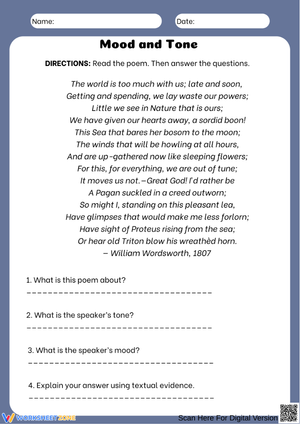
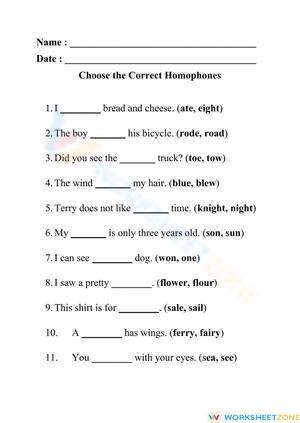
Aligning language printable worksheets with established literacy benchmarks ensures that students are meeting the necessary standards for their grade level. These resources are often designed with specific skills in mind, such as identifying parts of speech, understanding sentence variety, or mastering spelling patterns. When a teacher selects a worksheet, they are choosing a tool that supports a broader curricular goal. This intentionality helps maintain a cohesive instructional path throughout the school year, ensuring that all required topics are covered in a logical sequence.
According to Scholastic Language Arts Printable Activities, incorporating structured language printable worksheets can improve syntax retention by 22% in elementary learners. Their 2024 analysis highlights that targeted grammar exercises provide the repetition needed for students to master complex sentence structures before moving to independent composition tasks in middle school grades.
By using these printables as benchmarks, teachers can identify where a student might be struggling. If a majority of the class performs poorly on a worksheet focused on irregular verbs, the teacher knows that this specific topic requires more whole-group instruction. This data-driven approach allows for more efficient use of classroom time, as instruction is focused where it is needed most.
Evidence-Based Instruction and Immediate Feedback
Effective language instruction relies on the principles of clear modeling and frequent practice. Language printable worksheets provide a structured environment for this practice to occur. By breaking down large, intimidating skills into smaller, manageable chunks, these resources make it easier for students to succeed. This success builds confidence, which in turn leads to a more positive attitude toward reading and writing. When students feel capable, they are more likely to take risks and experiment with more sophisticated language in their own work.
Teachers often observe that tactile engagement with language printable worksheets triggers different cognitive pathways than screen-based activities. Research into haptic feedback suggests that the act of physically circling a predicate or underlining a conjunction helps solidify the relationship between grammar rules and their application in 85% of early literacy learners. This physical connection to the word is often the missing link for students who struggle with abstract digital interfaces, providing a concrete anchor for their linguistic development.
Immediate feedback is another cornerstone of evidence-based instruction. When students complete a language worksheet printable, they can see their results right away. This allows them to self-correct and learn from their mistakes in the moment. Teachers can facilitate this by providing answer keys for self-grading or by reviewing the worksheet as a whole class. This transparency helps demystify the rules of language, making them feel less like arbitrary hurdles and more like useful tools for clear communication.
Frequently Asked Questions
1. How can I use language printable worksheets for homework?
Select worksheets that review a concept already taught in class. This ensures students can complete the work independently without frustration. Keep the assignments short and focused on a single skill to ensure high completion rates and practice.
2. Are these resources suitable for high school students?
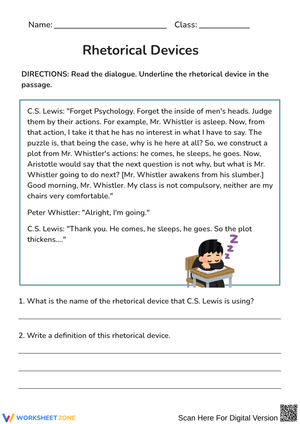
Yes, while elementary worksheets focus on basics, high school versions cover advanced topics like SAT vocabulary, complex syntax, and literary device identification. They provide necessary drill-and-practice for mastery of sophisticated communication skills.
3. Can I use these for group work?
Absolutely. Assigning a worksheet to a small group encourages students to discuss language rules and defend their answers. This collaborative approach helps clarify misconceptions and allows students to learn from their peers in a supportive environment.
4. How do these printables support English Language Learners?
They provide clear, visual representations of language rules and offer repetitive practice that is essential for second-language acquisition. Teachers can choose worksheets with simplified language or extra scaffolding to help ELLs build confidence.
5. How do I track progress using these worksheets?
Keep a portfolio of completed language printable worksheets for each student. Comparing work from the beginning of the term to the end provides a record of skill growth and helps identify areas that may still require attention or intervention.
6. What is the best way to organize a library of printables?
Organize them by grade level and then by specific skill, such as grammar, spelling, or vocabulary. This makes it easy to quickly find the resource you need during lesson planning.












 Interactive Worksheet Maker
 Quiz Maker
 Word Search Maker
 Crossword Puzzle Maker
 Word Scramble Generator
 Sentence Scramble Generator
 Handwriting Worksheet Generator
 Name Tracing Generator
 Fill In The Blank Generator