Why Sentence Writing Worksheets Matter in K-2
Early writers face two jobs at once: forming letters legibly and organizing words into a complete thought. Sentence writing worksheets pull those jobs together on a single page, which is exactly what young students need when handwriting is still effortful. For teachers planning a K-2 literacy block, these pages give students repeated, low-stakes practice at producing a full sentence rather than isolated letters or single words.
The real value shows up when a student moves from copying a model to writing a sentence on their own. That shift is where handwriting fluency and sentence construction meet, and it's the reason a well-built worksheet does more than fill a few quiet minutes. It builds the transcription skills that free up attention for ideas, which is exactly what you want when you hand a student a blank line and a prompt.
There's also a management payoff. Because the task is predictable and self-contained, students can start without a long set of directions, which frees you to pull a small group or check in one-on-one while the rest of the class writes. That combination of instructional value and low prep is why sentence pages earn a regular spot in early-grades planning.
From Tracing to Independent Sentences
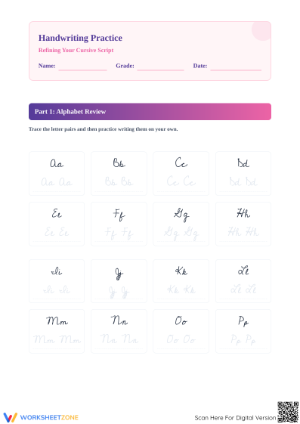
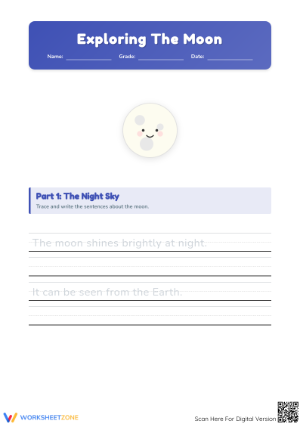
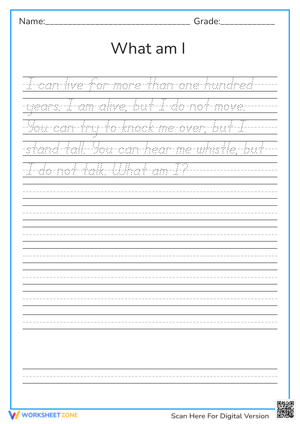
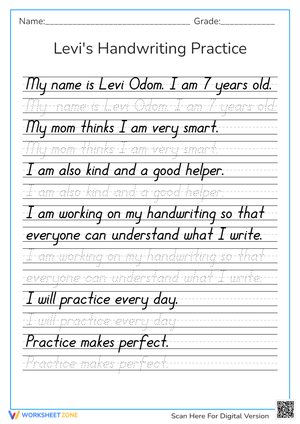
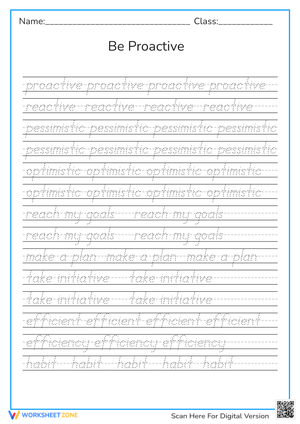
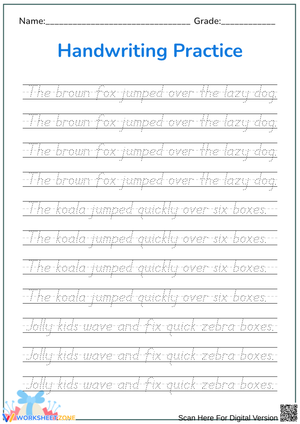
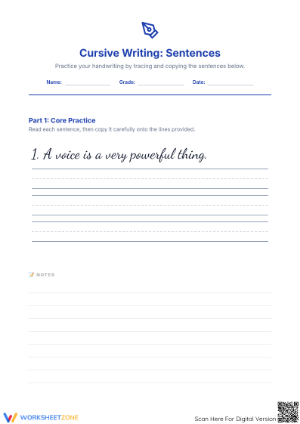
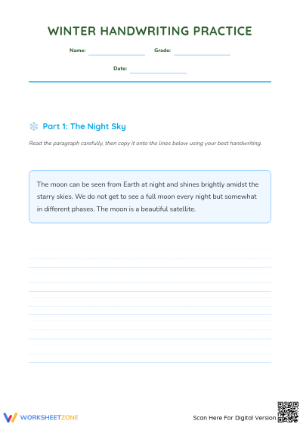
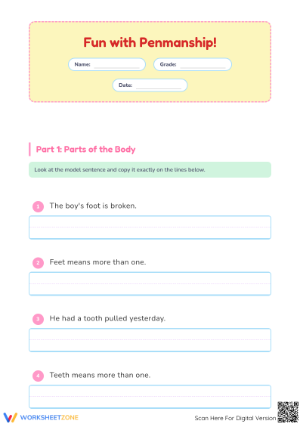
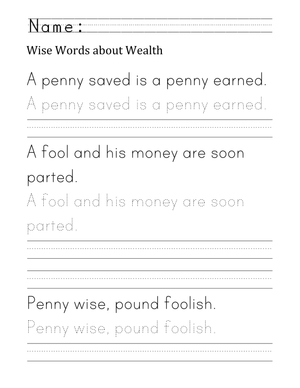
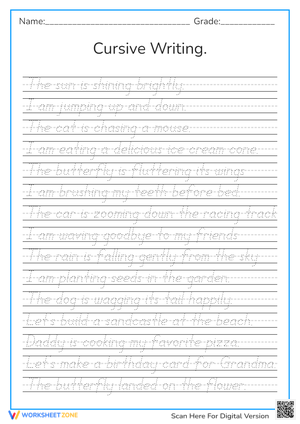
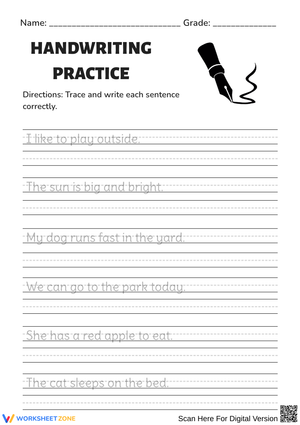
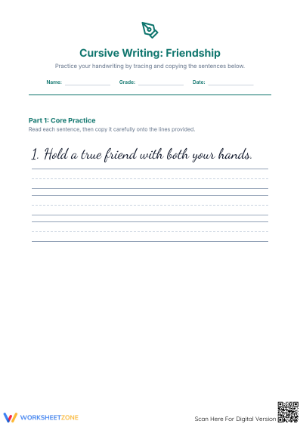
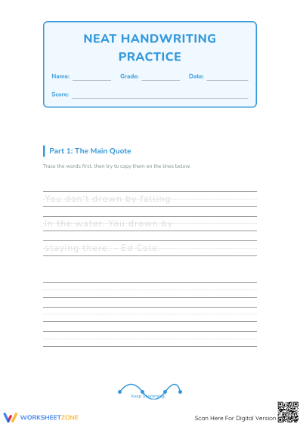
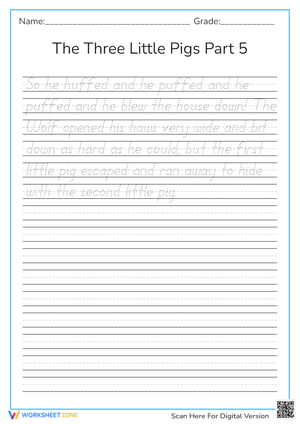
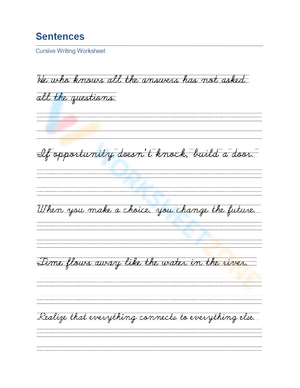
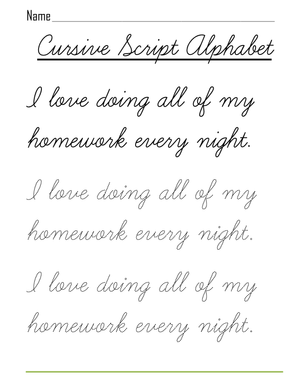
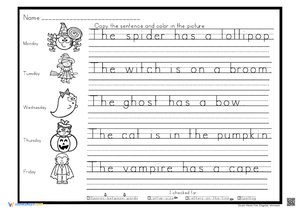
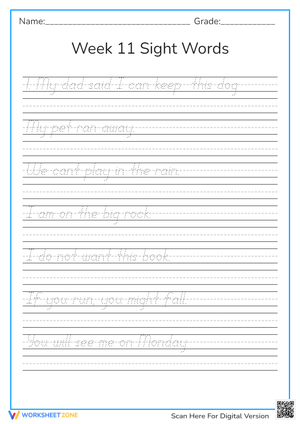
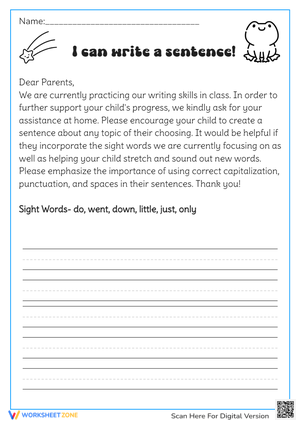
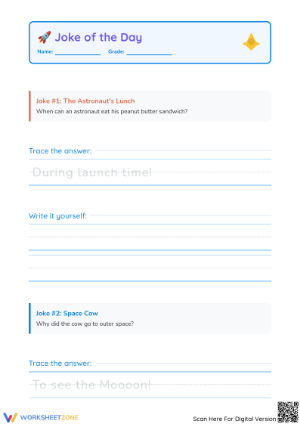
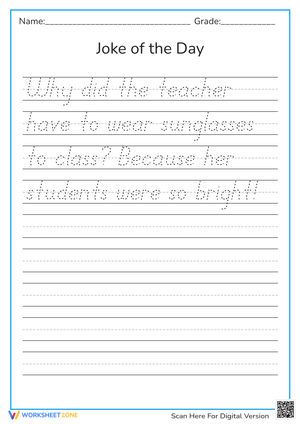
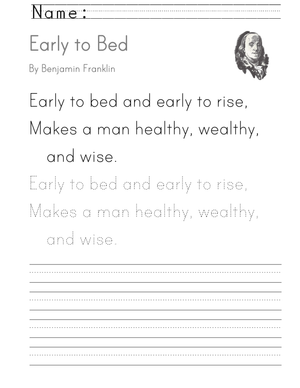
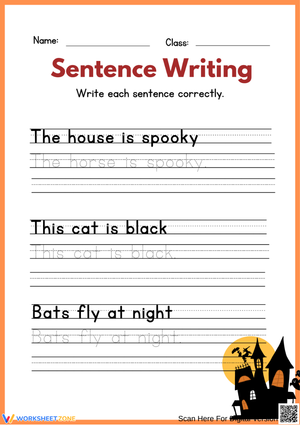
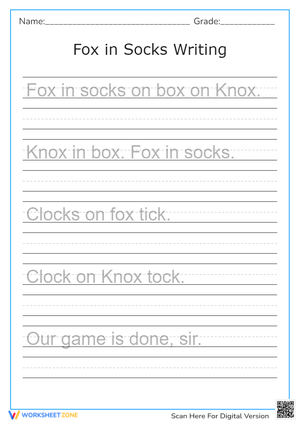
The most useful sentence writing worksheets follow a trace-then-write pattern. Students start by tracing a model sentence, then copy it on the line below, and finally write their own version using a picture prompt or sentence starter. This gradual release keeps the cognitive load manageable while emerging writers are still working to control the pencil.
Trace-then-write formats also make differentiation simple. A student who needs more support can stay on the tracing and copying steps longer, while a stronger writer skips ahead to independent composition. One page can serve a whole small group at different points on the same skill.
Matching Worksheet Format to Where Students Are
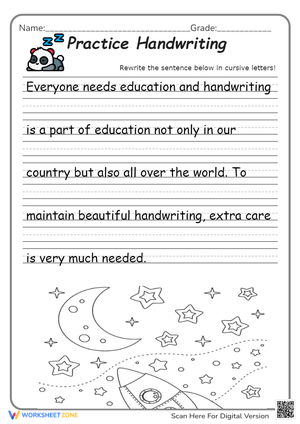
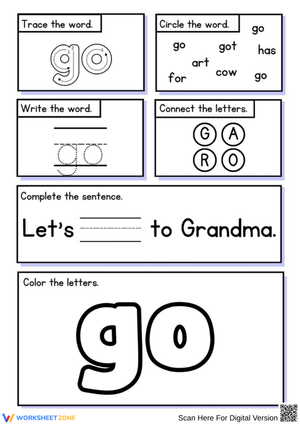
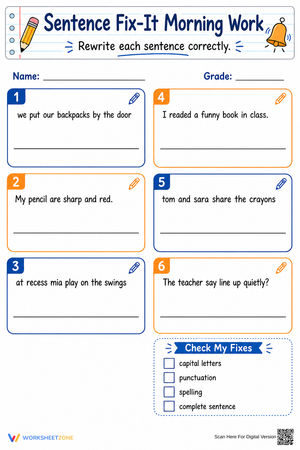
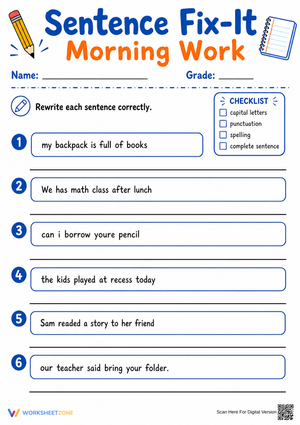
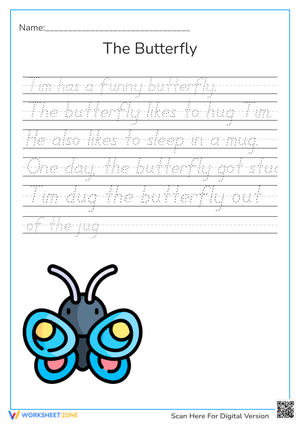
Not every sentence writing worksheet fits every student, and matching the format to a student's stage saves time. Kindergartners who are still learning letter shapes do best with dotted-trace sentences and generous line spacing, so the handwriting demand doesn't swamp the sentence. First graders who can form letters reliably are ready for copy-and-extend pages, where they finish a starter or add a detail. Second graders can handle open prompts that ask for two or three original sentences with correct capitalization and punctuation.
The same skill sequence runs underneath all three: see the model, reproduce it, then generate. Choosing the right entry point for each student keeps the task in the productive zone, challenging enough to build fluency, not so hard that legibility falls apart. When you group students by that entry point, one worksheet type covers a range of needs with only small format swaps.
Using Sentence Writing as Formative Assessment
A finished sentence worksheet is a small assessment artifact. When you collect a set, you can sort them by two questions: can the student form letters legibly, and can they produce a complete sentence with a capital and end punctuation? Those two lenses tell you whether a student needs handwriting support, sentence-structure support, or both.
Because the format stays consistent week to week, you can track growth over time without designing new assessments. A student who moves from copying fragments to writing two-clause sentences on the same worksheet type gives you clear, dated evidence of progress for conferences or intervention records.
Keep the review lightweight. A three-column glance, legible, complete, capitalized and punctuated, lets you sort a class set in a few minutes and decide who joins tomorrow's small group. The point isn't to grade every page but to read the pile as data and act on it before a gap hardens.
Classroom Implementation
Fit sentence writing into predictable slots. Morning work and literacy-block warm-ups are natural homes because the task is self-directed once students know the routine. Aim for short, frequent practice rather than long single sessions; three to five minutes several times a week keeps handwriting fluency building without fatigue.
Model the target sentence first, then release students to the page. Circulate while they write so you can give the quick performance feedback the research favors, a light correction on letter formation or a nudge to add end punctuation in the moment is worth more than marks on a returned paper. Keep a small stack of picture-prompt versions ready for early finishers so the routine stretches to fill the block.
Set a clear finish signal, too. When students know that a completed sentence gets reread once and then placed in a specific bin or folder, transitions stay smooth and you end up with an organized set to review later. A predictable start and a predictable finish are what let a five-minute task run without your constant direction.
Differentiating for Intervention and Small Groups
For RTI and small-group intervention, sentence writing worksheets adapt cleanly. Students who struggle with fine motor control can work on wider lines with more tracing repetitions, while those who have handwriting down but stall on structure can use sentence starters and word banks that push them toward longer, more complete sentences.
A skill-based intervention documented through ERIC combined explicit handwriting instruction with sentence-writing practice and increased the number of complete sentences students produced. That pairing, handwriting plus sentence work on the same page, is the model to copy for students with learning disabilities, who benefit when transcription and composition are taught together rather than in isolation.
For students working above grade level, the same page can stretch upward. Ask them to add an adjective, join two sentences with a conjunction, or write a matching second sentence, so enrichment doesn't require a separate worksheet. Differentiation here is mostly a matter of changing the instruction, not the page.
Frequently Asked Questions
1. How often should teachers assign sentence writing practice?
Short, frequent practice works best for emerging writers. Three to five minutes several times a week builds handwriting fluency more effectively than one long weekly session, and it fits neatly into morning work or literacy-block warm-ups. Consistency matters more than length at this age.
2. What's the difference between sentence copying and independent sentence writing?
Copying asks students to reproduce a model, which builds letter formation and spacing. Independent writing asks them to compose their own sentence from a prompt. Strong worksheets move students from one to the other on the same page.
3. How can these worksheets support students who struggle with handwriting?
Use versions with wider lines, more tracing repetitions, and shorter target sentences. Pairing handwriting practice with sentence writing on one page lets students build both transcription and composition without switching materials.
4. What should teachers look for in a sentence writing worksheet?
Look for a trace-then-write progression, clear picture prompts or sentence starters, and enough space for legible letter formation. Space matters as much as content for beginning writers, and the best pages support handwriting and sentence structure at the same time.
5. How do sentence writing worksheets fit into an RTI plan?
They work as both practice and progress monitoring. Consistent formats let you differentiate by tier, collect dated samples, and document growth in complete sentences produced, useful evidence for intervention reviews.












 Interactive Worksheet Maker
 Quiz Maker
 Word Search Maker
 Crossword Puzzle Maker
 Word Scramble Generator
 Sentence Scramble Generator
 Handwriting Worksheet Generator
 Name Tracing Generator
 Fill In The Blank Generator