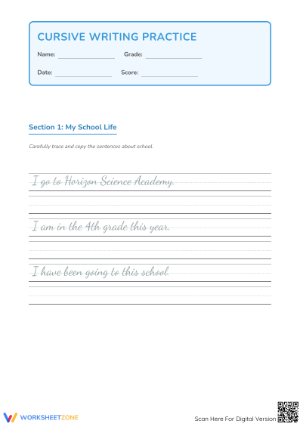
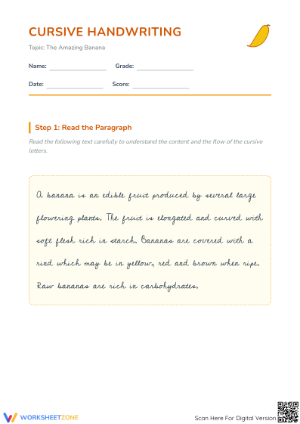
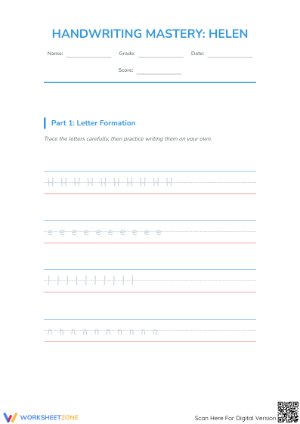
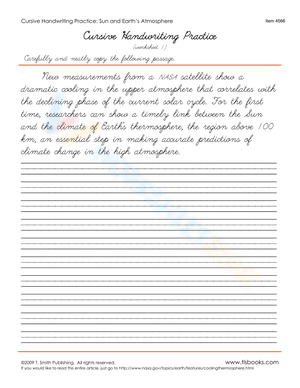
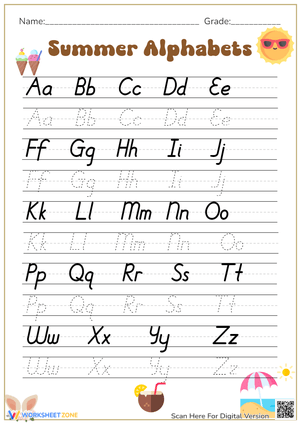
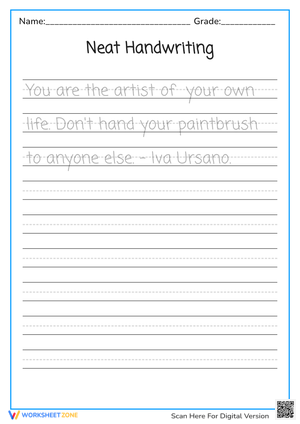
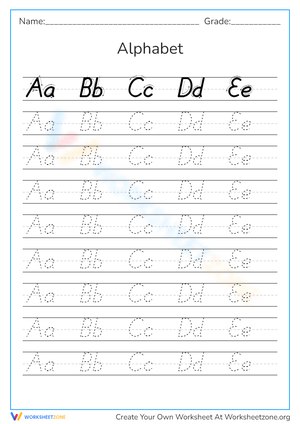
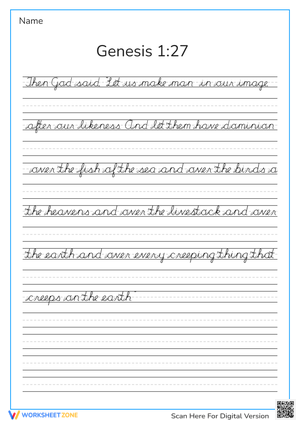
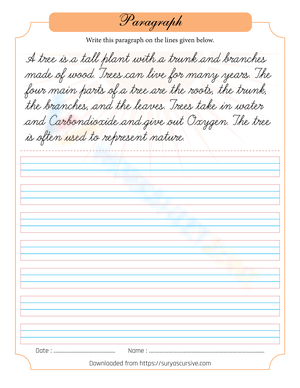
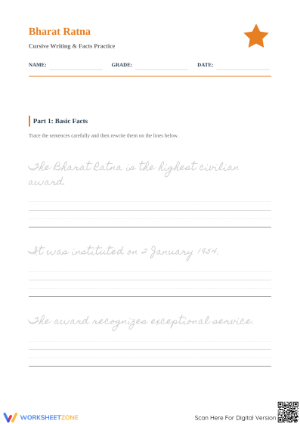
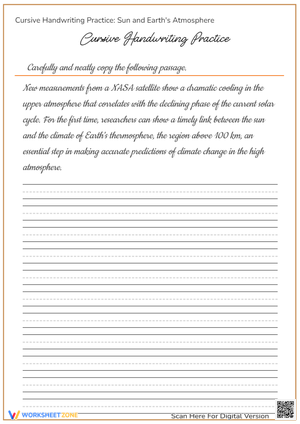
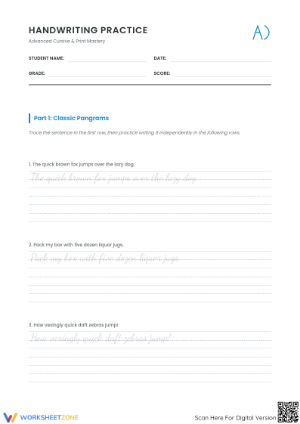
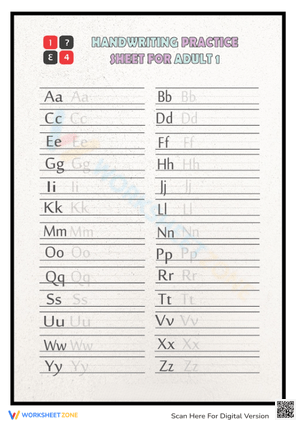
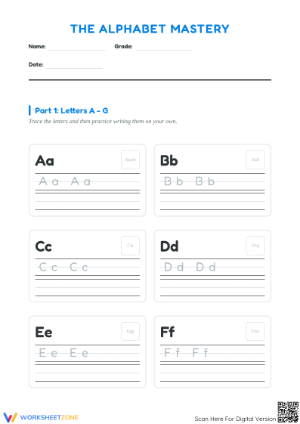
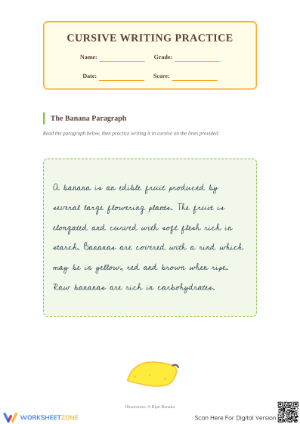
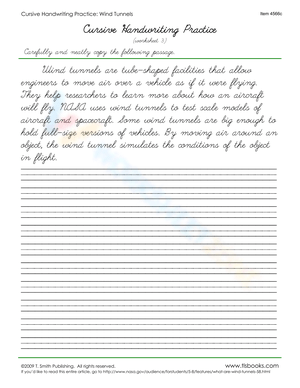
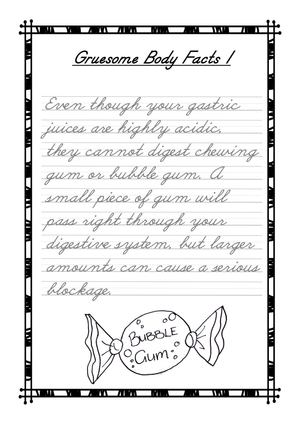
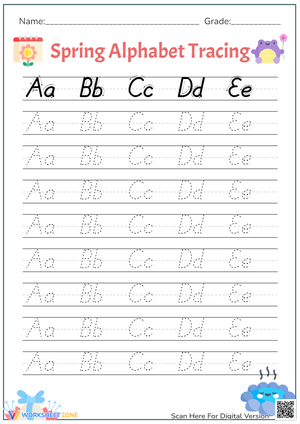
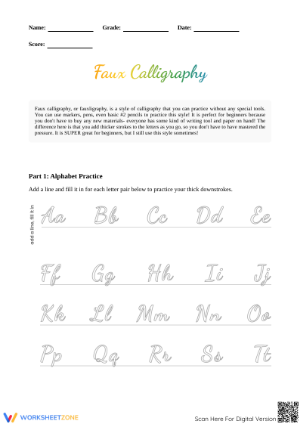
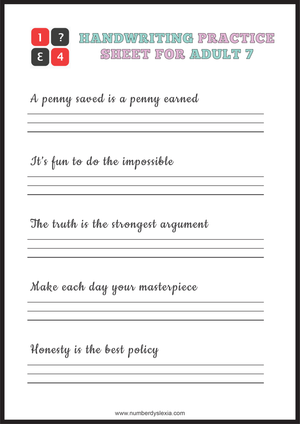
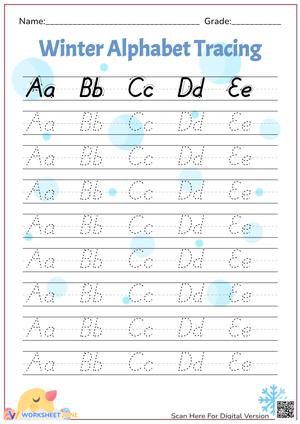
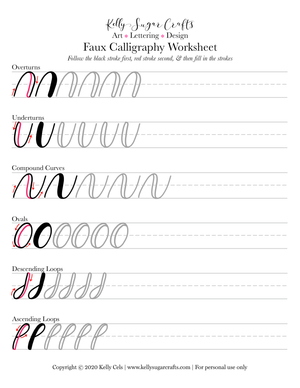
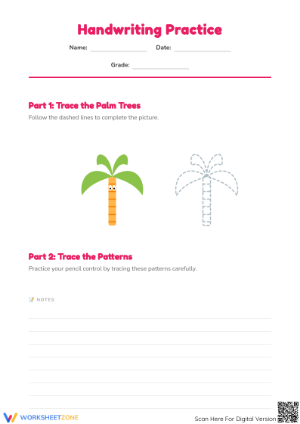
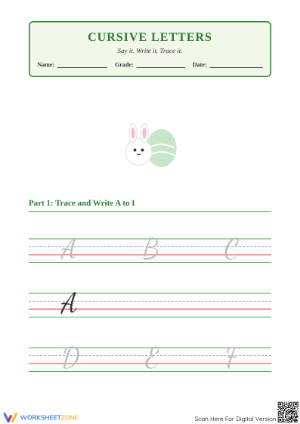
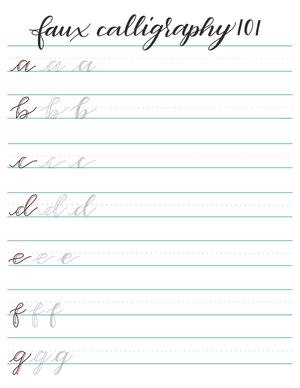
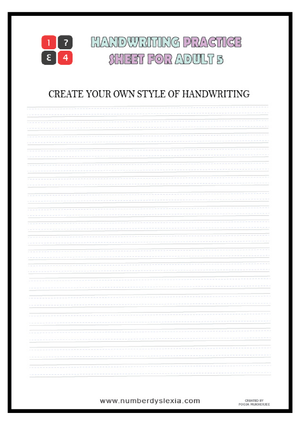
Aesthetic handwriting worksheets are letter-formation practice sheets designed with a more polished, visually appealing look than a plain black-and-white tracing page. Instead of dense rows of repeated letters, these sheets often use softer line weights, decorative borders, seasonal themes, or modern lettering styles that make repetitive practice feel less like a worksheet and more like a mini writing project. For a US elementary classroom, that visual upgrade matters because handwriting practice is repetitive by nature, and students disengage quickly when a task looks tedious.
The core purpose has not changed: students still need to trace, copy, and eventually produce letters independently with correct starting points, stroke order, and spacing. What changes is the presentation layer. Teachers can use aesthetic sheets during whole-group instruction, at a writing center, or as a take-home practice option that students are more likely to actually complete because the page is inviting rather than sterile.
Differentiating Aesthetic Worksheets by Grade Level
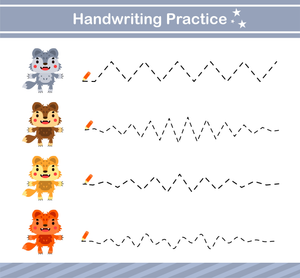
Aesthetic handwriting worksheets should not look the same across every grade band. In kindergarten and grade 1, the priority is print letter formation with generous line spacing, clear directional arrows, and simple decorative themes that do not distract from the model letters. Grade 2 and grade 3 students can handle slightly denser layouts, transitional cursive introductions, and more detailed stylized lettering as a stretch activity for students who have already mastered basic print formation.
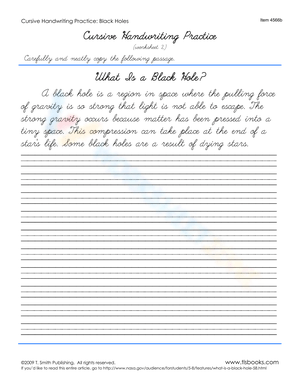
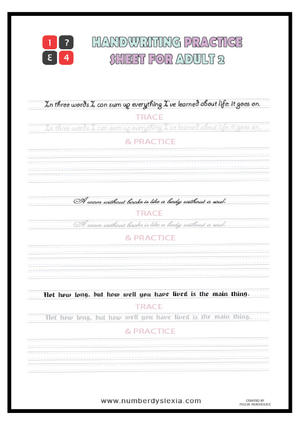
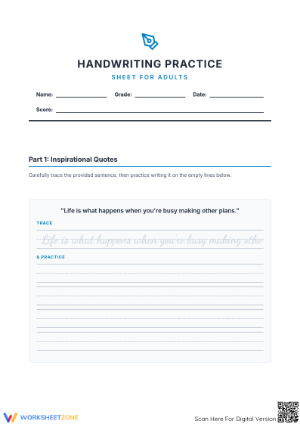
In upper elementary, aesthetic handwriting sheets shift purpose again. Students in grades 4 and 5 are usually building writing fluency and personal style rather than learning letters from scratch, so worksheets with decorative lettering, bullet journal-style prompts, or quote-copying activities work well as enrichment for students who enjoy penmanship as a creative outlet, while still reinforcing legibility standards.
Fine Motor Skills and Classroom Readiness
Handwriting practice strengthens the same fine motor control that supports other early academic tasks, including kindergarten math work like tracing numbers, using manipulatives, and completing written computation. Teachers who build in short, aesthetic handwriting sessions are often also supporting stamina and precision that transfer directly into other subjects.
Letter recognition ability is one of the most reliable predictors of future reading success, which means handwriting time in the earliest grades carries weight beyond the writing block itself. A visually engaging worksheet that keeps a hesitant writer at the table for the full practice period is doing double duty for both handwriting and early literacy development.
Teacher Tips for Using Aesthetic Handwriting Worksheets
Start by pairing every aesthetic worksheet with a clear formation standard rather than letting decoration replace instruction. Model the letter on the board first, name the starting point and stroke order out loud, and only then hand out the styled practice sheet so students connect the visual appeal with correct technique, not just a fun page to fill in.
Use aesthetic sheets strategically rather than exclusively. A plain, high-repetition worksheet is still useful for daily drilling, while a styled sheet works well once or twice a week, at a handwriting center, or as a Friday reward-style activity that reinforces the same standards in a lower-pressure format.
- Rotate handwriting center materials between standard tracing pages and aesthetic sheets to prevent fatigue.
- Use aesthetic worksheets as quick formative checks by scanning finished pages for consistent letter size, spacing, and slant.
- Reserve stylized cursive or bullet-journal-style sheets for students who have already met print formation benchmarks.
- Send a styled worksheet home each month so families can see visible handwriting progress.
Keep legibility as the non-negotiable standard even when a worksheet looks decorative. If a student can produce a beautifully styled but illegible letter, the aesthetic design has not served its instructional purpose, so quick one-on-one correction should still happen during these sessions.
Frequently Asked Questions
1. How often should teachers assign handwriting practice each week?
For kindergarten through grade 3, 50 to 100 minutes per week is recommended for handwriting mastery, which typically breaks down into 10 to 20 minutes of daily practice using a mix of standard and aesthetic worksheets.
2. What is the difference between aesthetic handwriting practice and standard penmanship worksheets?
Standard worksheets focus purely on repetition with minimal design, while aesthetic worksheets use styled lettering, themes, or decorative layouts to increase engagement without changing the underlying formation standards being taught.
3. Can stylized or aesthetic handwriting worksheets still teach correct letter formation?
Yes, as long as the teacher pairs the worksheet with explicit modeling of stroke order, starting points, and spacing. The design should support the practice, not replace direct instruction on formation.
4. What grade levels benefit most from aesthetic handwriting worksheets?
All K-5 grades can benefit, though the format should shift: simple, clean themes for K-1 print formation, transitional layouts for grades 2-3, and more decorative or cursive-style sheets as enrichment in grades 4-5.
5. How can teachers use aesthetic handwriting worksheets for formative assessment of fine motor skills?
Because finished aesthetic worksheets are easy to collect and compare over time, teachers can scan for consistent letter size, spacing, and pencil control across several weeks to spot students who may need small-group fine motor support.












 Interactive Worksheet Maker
 Quiz Maker
 Word Search Maker
 Crossword Puzzle Maker
 Word Scramble Generator
 Sentence Scramble Generator
 Handwriting Worksheet Generator
 Name Tracing Generator
 Fill In The Blank Generator